How to Help Hedgehogs Through Winter
What Every Garden Owner Should Know

As autumn gives way to winter, our gardens begin to change. The once colourful borders become quieter, leaves gather beneath hedgerows, and the familiar sounds of summer wildlife gradually fade away. Yet beneath the fallen leaves, tucked away under garden sheds or hidden amongst piles of logs, one of Britain's most beloved countryside creatures is preparing for the coldest months of the year.
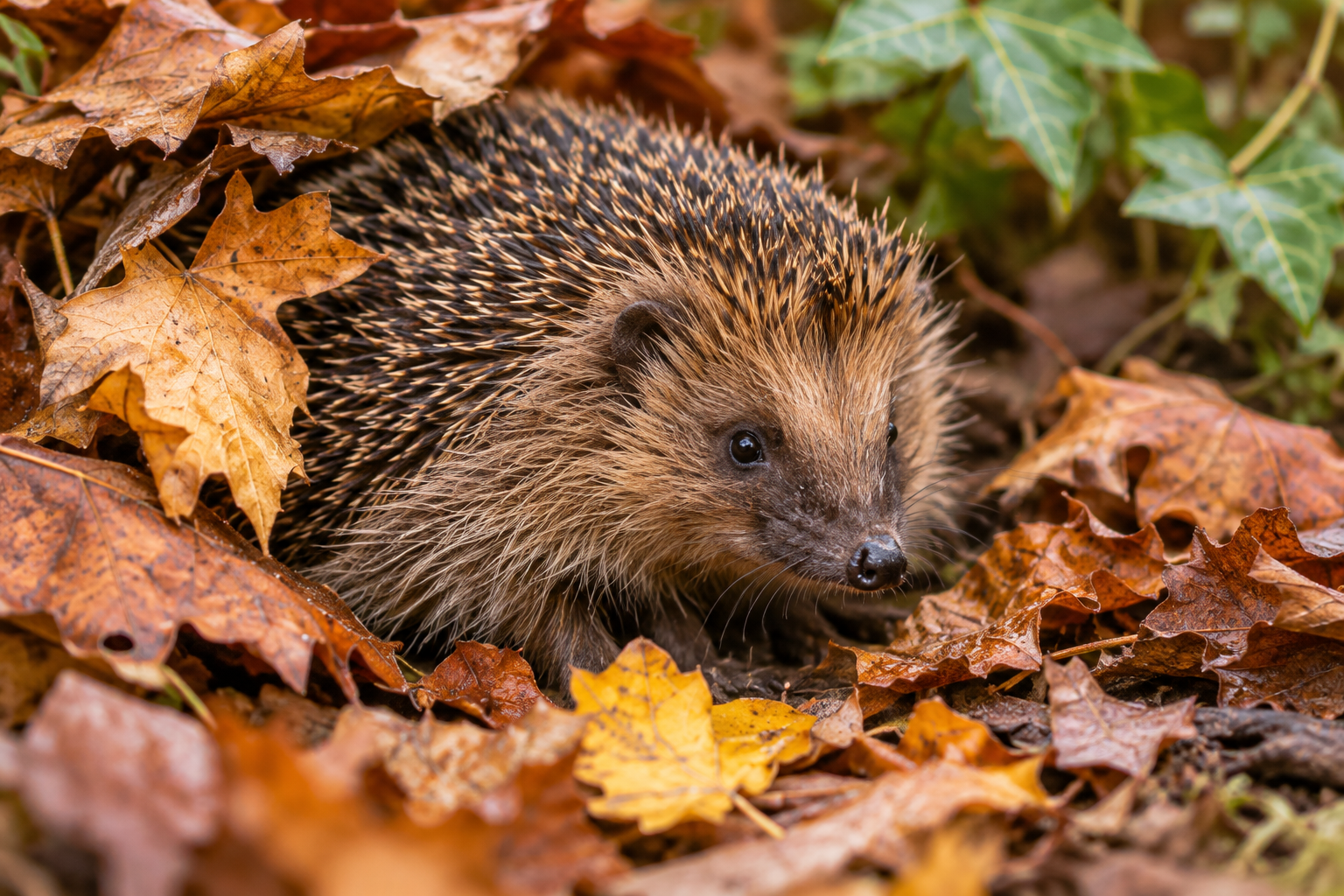
The humble hedgehog has long been a welcome visitor to British gardens, instantly recognisable by its distinctive spines and rather endearing habit of snuffling through the undergrowth in search of food. However, as temperatures begin to fall, these wonderful little mammals face one of their greatest seasonal challenges: surviving winter. Fortunately, there are several simple things we can do to help, and even the smallest garden can provide a valuable refuge. When do hedgehogs hibernate in the UK? Unlike many of the birds and mammals we regularly encounter throughout winter, hedgehogs survive the colder months by entering a state of hibernation. This remarkable natural process allows them to conserve energy when their usual food sources become increasingly difficult to find.
According to the
Woodland Trust, hedgehogs typically begin hibernating between October and November, although the precise timing depends largely on weather conditions and the availability of food. Some may remain active well into December during particularly mild winters, while others retreat much earlier when temperatures fall. During hibernation, a hedgehog's body undergoes extraordinary changes. Its heart rate and breathing slow dramatically, while its body temperature falls to conserve precious energy. Rather than sleeping continuously throughout winter, however, hedgehogs may occasionally wake, change nesting locations or venture out in search of food before returning to hibernation. Most hedgehogs begin emerging again between March and April, although this too depends on the weather. Having relied on their stored fat reserves throughout the winter, they will be particularly hungry when spring finally arrives.

Preparing your garden for winter wildlife
For many of us, autumn is traditionally a time for tidying the garden, clearing fallen leaves, pruning shrubs and preparing flower beds for the following spring. While these activities certainly have their place, leaving a few areas undisturbed can make an enormous difference to visiting wildlife. Hedgehogs naturally seek out sheltered, quiet spaces where they can build a winter nest, known as a hibernaculum. Beneath hedgerows, amongst piles of logs, within thick vegetation and underneath garden sheds are all places where they may choose to settle.
One of the simplest ways to help is to leave a pile of fallen leaves in a sheltered corner of the garden. Rather than disposing of every leaf, allow some to accumulate naturally beneath shrubs or alongside a hedge. These provide useful nesting material while also creating habitats for insects and other invertebrates that hedgehogs feed upon. Similarly, a carefully positioned log pile can become a haven for wildlife throughout the year. Old branches, pieces of untreated timber and fallen twigs offer shelter not only to hedgehogs but also to beetles, insects and countless other creatures that contribute to a healthy garden ecosystem. Perhaps most importantly, once an area has become established as a potential winter refuge, try to leave it undisturbed until spring. What might appear to be a forgotten pile of garden debris could be providing a safe home for a sleeping hedgehog.
Creating a safe hedgehog winter shelter
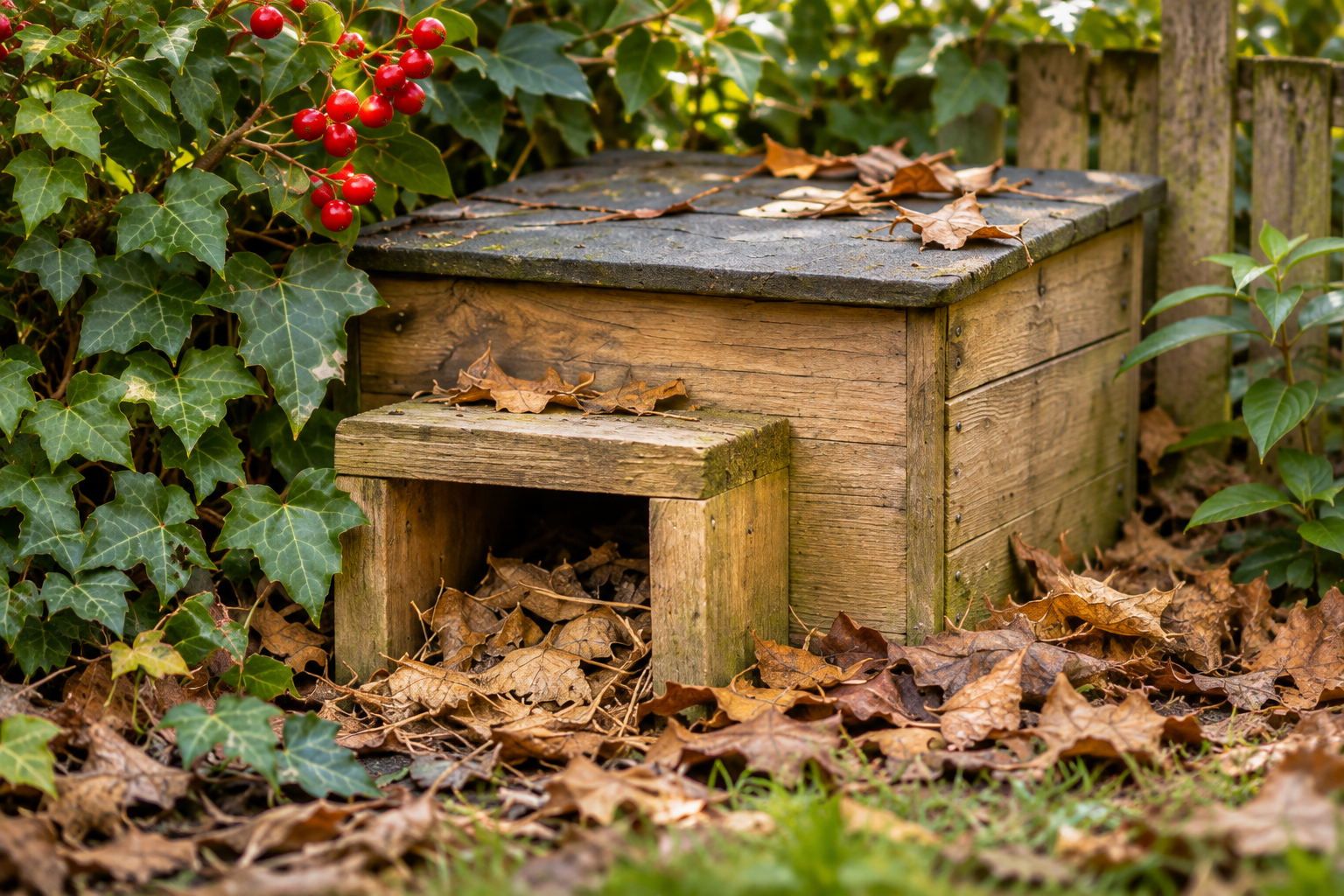
For those wishing to offer a more permanent home, a purpose-built hedgehog house can be a wonderful addition to the garden. Available from many garden centres and wildlife suppliers, these small shelters are designed to provide protection from harsh weather and disturbance. A good hedgehog house should be sturdy, weather-resistant and positioned in a quiet, sheltered location away from regular garden activity. Beneath a hedge, beside a garden shed or among established shrubs are particularly suitable places, provided the entrance remains accessible. Many designs feature a small entrance tunnel, which helps make the shelter less accessible to larger animals. Dry leaves can be provided nearby as nesting material, allowing a visiting hedgehog to arrange its own comfortable winter retreat.
However, patience is essential. There is no guarantee that a hedgehog will immediately take up residence, and it is best to avoid repeatedly opening the shelter to see whether it has been occupied. Once a hedgehog has settled inside, unnecessary disturbance could interrupt its hibernation and use up valuable energy reserves. It is worth remembering that a purpose-built house is not essential. An established hedge, an undisturbed compost heap or a sheltered pile of leaves may prove every bit as appealing to a hedgehog looking for somewhere to spend winter.
What should you feed hedgehogs in winter?
As the colder weather approaches, hedgehogs spend much of their time building the fat reserves they will depend upon during hibernation. Their natural diet consists largely of beetles, earthworms, caterpillars and other invertebrates, although these become less abundant as temperatures fall. Providing supplementary food can therefore be helpful, particularly during autumn and on milder winter evenings when hedgehogs may still be active.
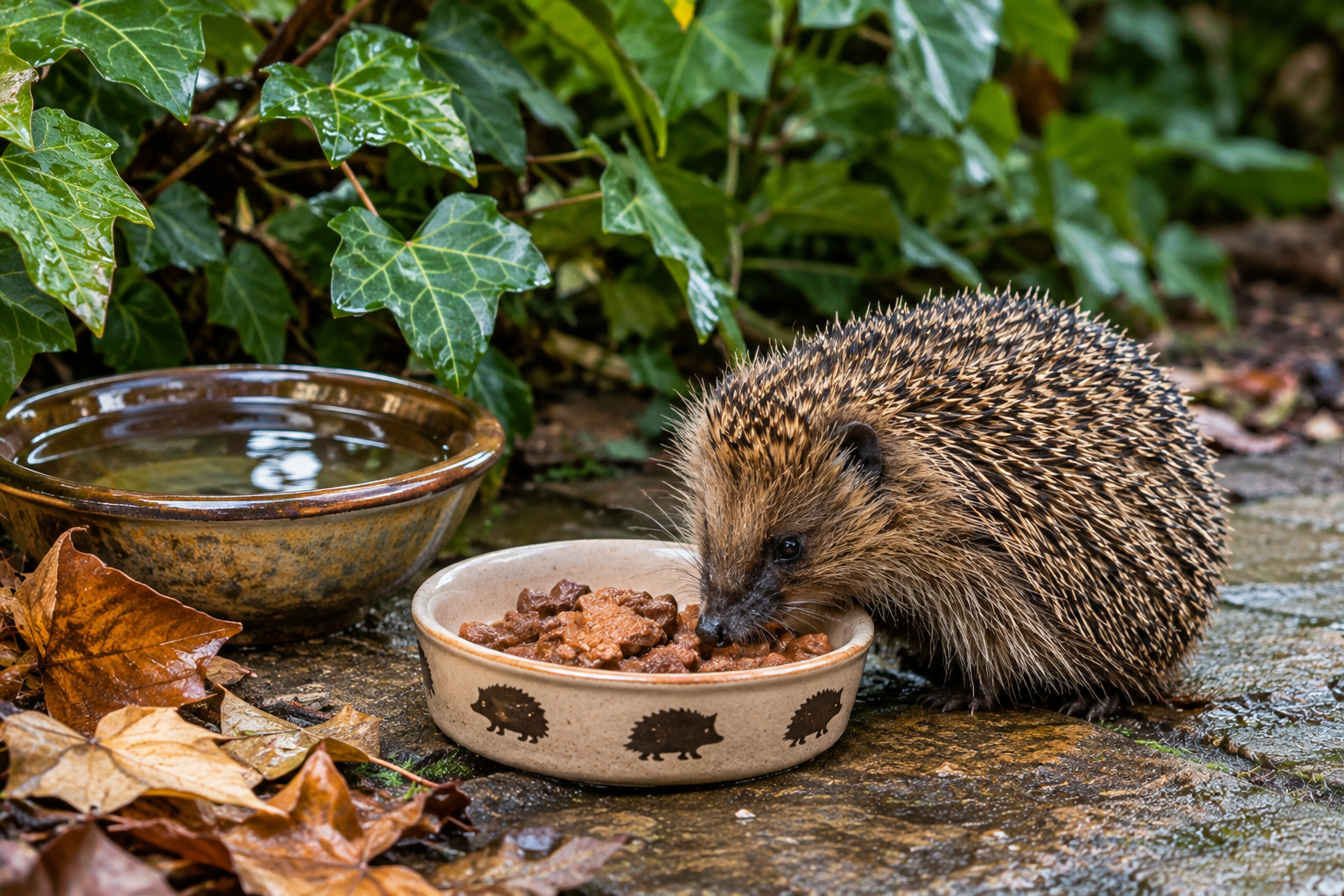
The Woodland Trust's feeding guidance recommends meat-based cat or dog food, suitable cat biscuits or specially formulated hedgehog food. These can be placed in a shallow dish in a sheltered part of the garden, ideally somewhere protected from rain and other animals.
A separate shallow bowl of fresh water is equally important. During freezing conditions, natural water sources may become inaccessible, so checking and refreshing the bowl regularly can provide a welcome helping hand.
There are, however, some foods that should never be offered. Despite the traditional image of hedgehogs enjoying a saucer of milk, they are lactose intolerant and dairy products can make them seriously unwell. Bread provides little nutritional value, while mealworms, peanuts and birdseed are unsuitable as regular supplementary foods. If you choose to establish a feeding station, remember to keep it clean, remove uneaten wet food and provide fresh supplies regularly. Supplementary feeding should support the hedgehog's natural diet rather than replace it, and food left outdoors is intended for animals that are awake and actively foraging.
Helping hedgehogs move safely between gardens
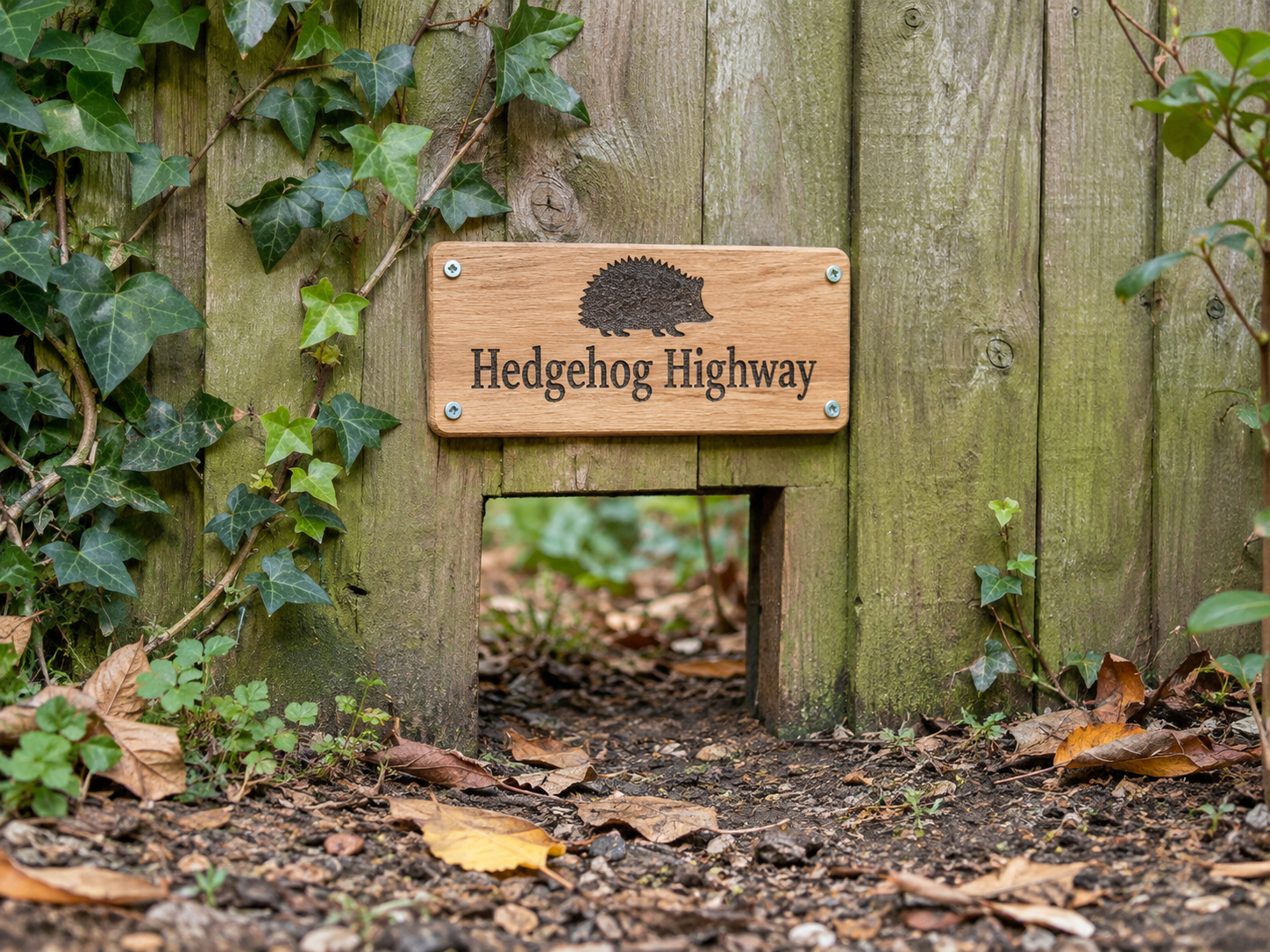
One of the greatest challenges facing Britain's hedgehogs is the increasing fragmentation of their natural habitats. Garden fences, walls, roads and developments can make it difficult for these small mammals to travel safely between feeding grounds and suitable nesting sites. Fortunately, there is a wonderfully simple solution known as a hedgehog highway. Creating a small opening measuring approximately 13cm by 13cm at the bottom of a suitable garden fence can allow hedgehogs to move freely between neighbouring gardens. Where boundaries are shared, always seek permission before making alterations.
These small connections can make a surprisingly important difference. A hedgehog may travel considerable distances during a single night searching for food, shelter or a mate, and a series of connected gardens can provide a much safer route than busy roads. For those living in rural communities, encouraging neighbours to create similar openings can help establish a valuable network of wildlife-friendly spaces. It is a small gesture that demonstrates how individual gardens can contribute to wider conservation efforts.
Garden dangers to watch out for during winter
While providing food and shelter is important, making the garden a safer place can be just as valuable. Hedgehogs are particularly vulnerable to garden machinery, including strimmers and lawnmowers, as their natural defence is to curl into a ball rather than run away. Always check carefully beneath vegetation before carrying out maintenance, particularly in areas that may contain nesting animals. Bonfires present another serious danger. A pile of branches or garden waste can look like an ideal nesting location, making it essential to build bonfires on the day they are to be lit. If materials have been stored beforehand, they should be carefully moved and rebuilt in a different position before lighting.
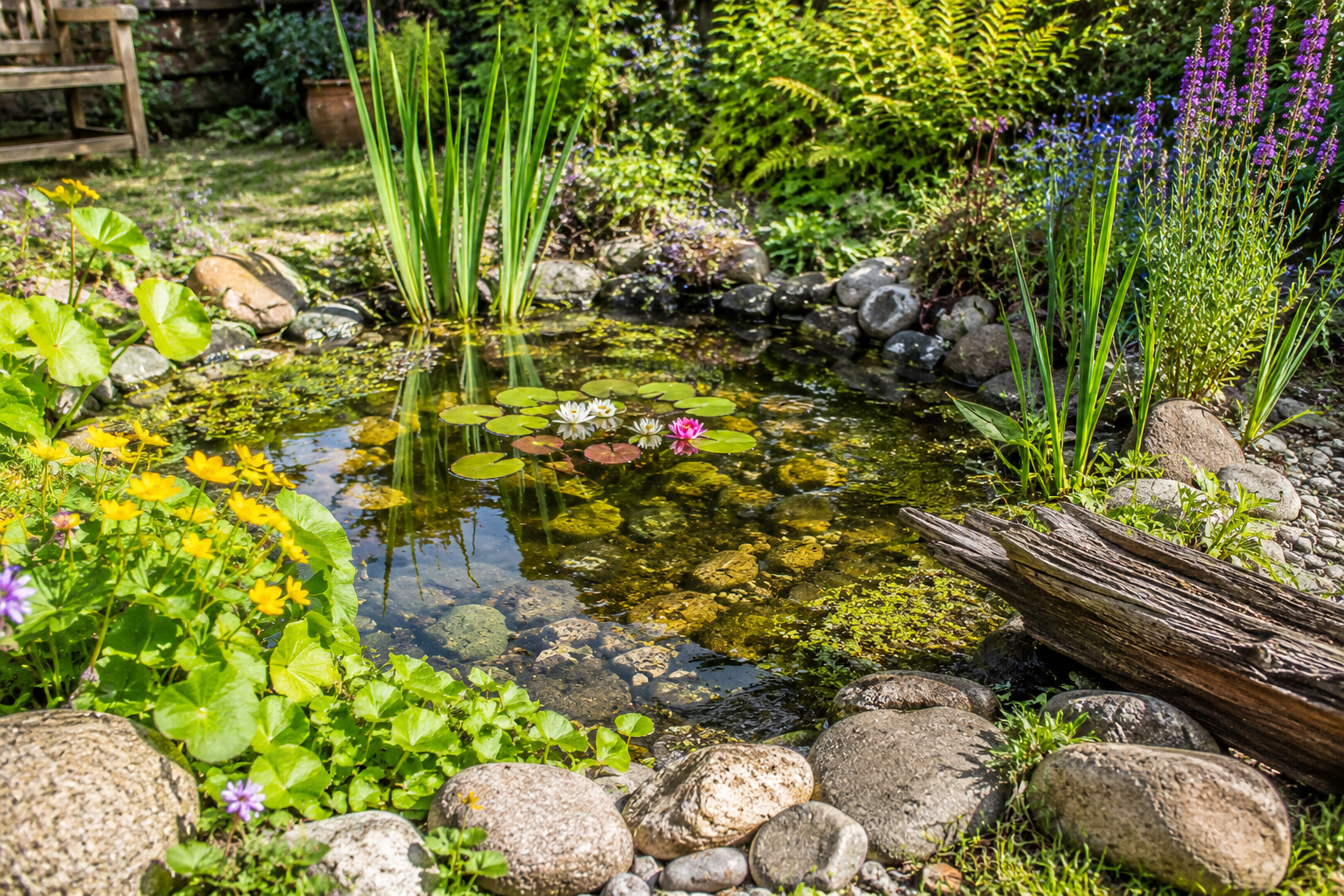
Garden ponds should also have a gently sloping edge or suitable escape ramp, as hedgehogs can become trapped despite being capable swimmers. Loose netting, uncovered drains and the unnecessary use of pesticides can create additional hazards for visiting wildlife. By taking a few moments to consider these potential dangers, we can make our gardens considerably safer without sacrificing their beauty or practicality.
What should you do if you find a hedgehog in winter?
Discovering a hedgehog wandering through the garden during December or January can understandably cause concern. However, seeing one during winter does not automatically mean it is in trouble.
Hedgehogs occasionally wake from hibernation, particularly during periods of milder weather, and may venture out at night in search of food or water. If the animal appears healthy, is moving normally and is active after dark, it may simply be going about its natural business.
However, a hedgehog found lying exposed in daylight, staggering, appearing unusually weak or showing signs of injury may require urgent assistance. Very small hedgehogs can also be vulnerable during the colder months, particularly if they have been unable to build sufficient reserves. The British Hedgehog Preservation Society recommends that hedgehogs showing signs of distress are carefully picked up using gardening gloves or a folded towel and placed in a high-sided box lined with a towel or fleece. A wrapped, warm hot-water bottle can provide gentle heat, ensuring the animal has room to move away from it if necessary. The box should then be kept somewhere quiet and indoors while specialist assistance is arranged.
Fresh water and suitable meaty food may be offered, but never attempt to force-feed a hedgehog or administer medication without professional guidance. The British Hedgehog Preservation Society can provide further advice and details of local independent rescue organisations on 01584 890801. If a hedgehog is seriously injured or in obvious pain, immediate veterinary assistance is important. If you accidentally discover a hedgehog already hibernating within a well-constructed nest, avoid unnecessary handling or disturbance and seek specialist advice if the nest has been damaged.
A little consideration can make a remarkable difference
There is something rather special about knowing that a quiet corner of our garden might be providing a safe winter home for one of Britain's most cherished wild animals. We may not see the hedgehog sleeping beneath the leaves or nestled among the roots of an old hedge, but its presence reminds us that even the most familiar outdoor spaces are part of a much larger natural world. The importance of protecting these creatures should not be underestimated. Hedgehog populations have experienced substantial declines across rural Britain, and gardens now offer valuable opportunities to provide the food, shelter and connected habitats they need.
Helping hedgehogs through winter does not require an elaborate wildlife garden, expensive equipment or sweeping changes to the way we care for our surroundings. Sometimes the simplest actions are the most effective: leaving a few leaves beneath a hedge, providing fresh water, creating a small gap in a fence or resisting the temptation to tidy every forgotten corner. As winter settles across the British countryside and our gardens fall quiet for another season, perhaps the greatest kindness we can offer our prickly visitors is a little food when they need it, a safe place to shelter and, above all, the peace to rest undisturbed until spring.
Read more: