Tamworth Pigs
The Red-Gold Treasure of the British Countryside
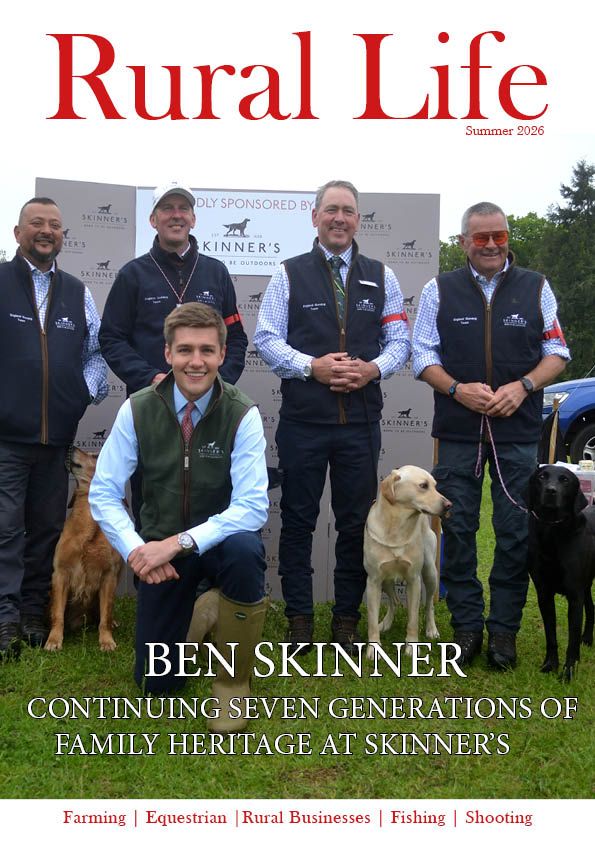
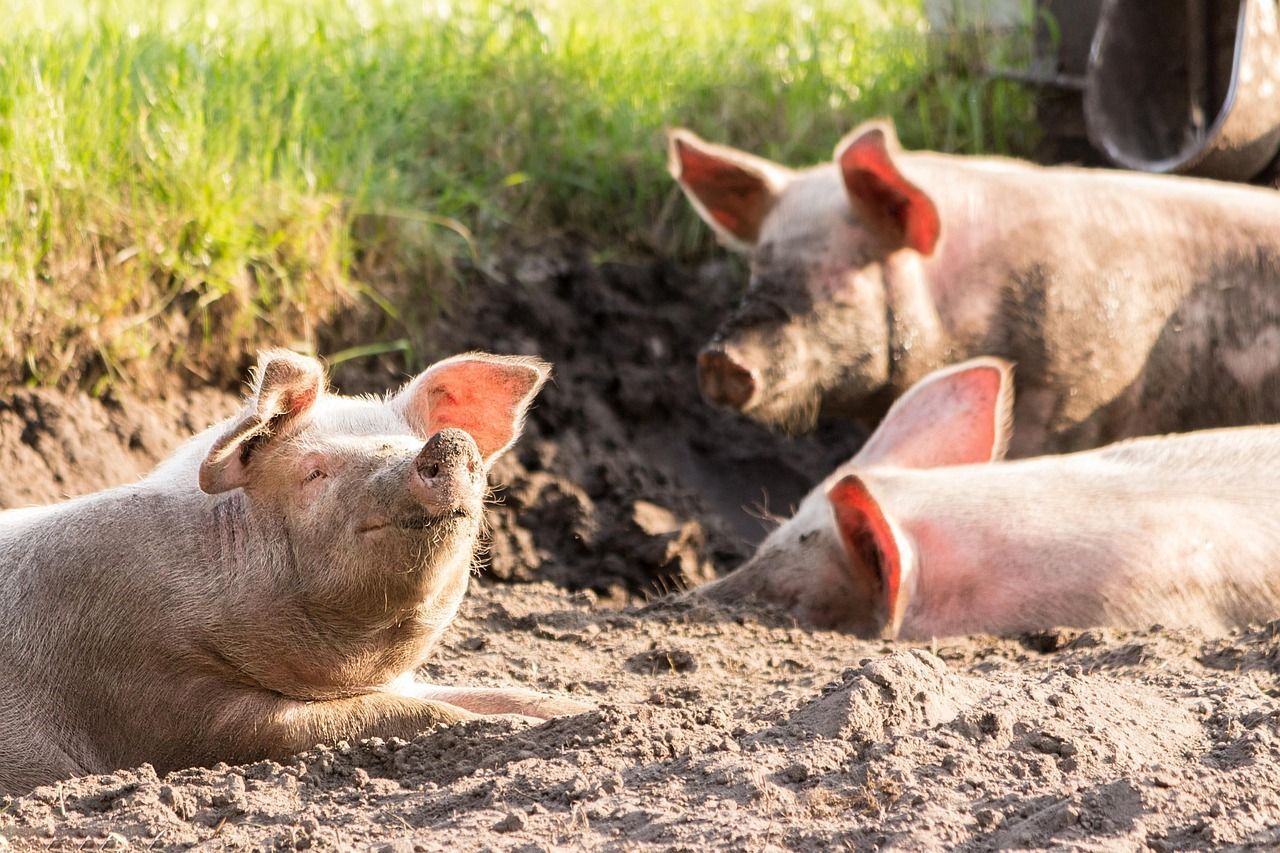
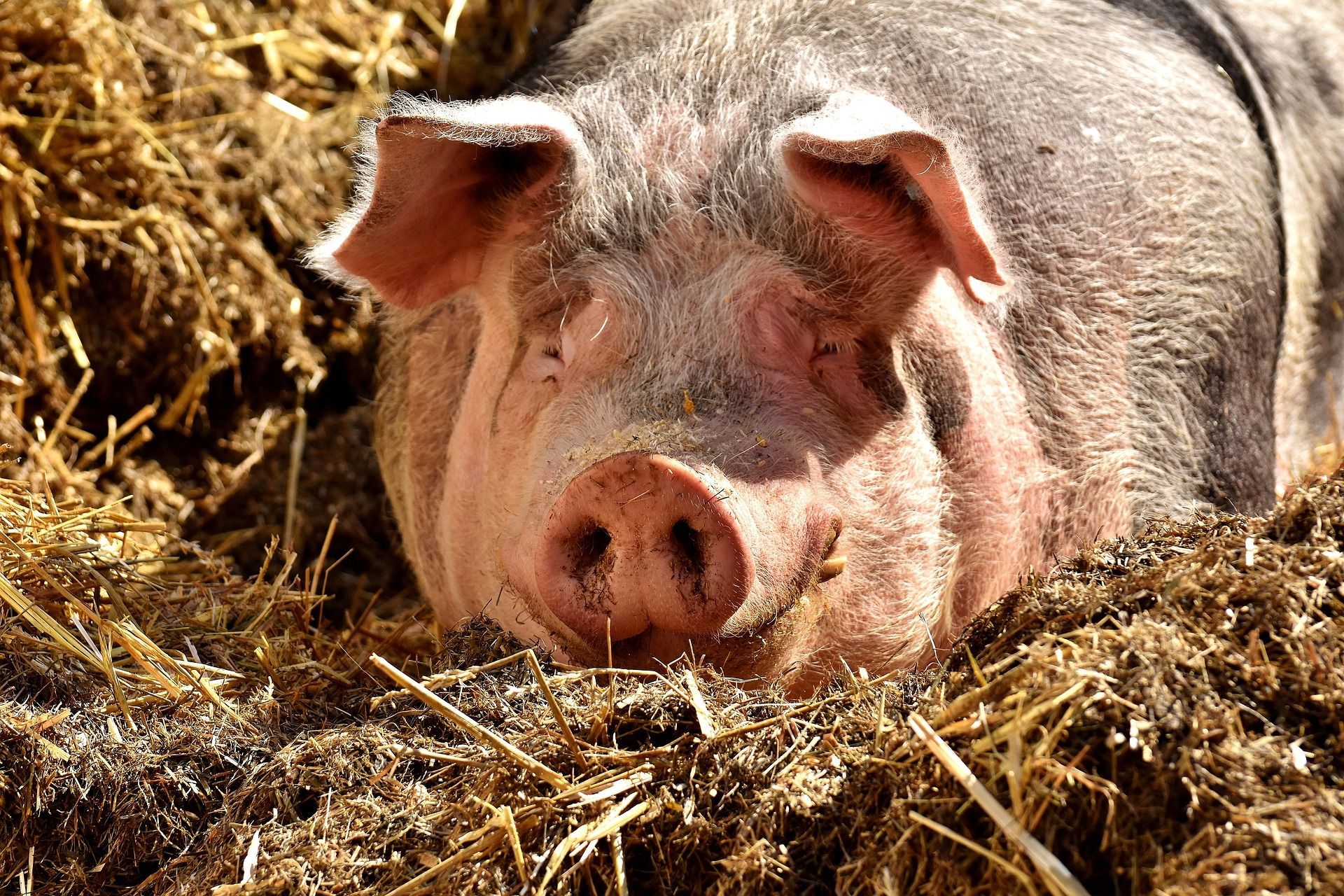
There are few sights more cheering on a smallholding or traditional farm than a Tamworth pig moving through grass with its nose to the ground and its red-gold coat catching the light. Long, alert, full of character and wonderfully practical, the Tamworth is one of the great old breeds of the British countryside. This is not a pig that fades into the background. With its ginger colouring, long snout, pricked ears and athletic frame, the Tamworth has a look all of its own. It is handsome in a rugged, workmanlike way; a pig built not for show alone, but for purpose. To see one rooting, grazing and exploring is to see a breed doing what it was designed to do.
The Tamworth is often regarded as one of Britain’s oldest pig breeds, with strong links to the Midlands and, as its name suggests, the area around Tamworth in Staffordshire. Its ancestry is closely associated with the old English forest pig, and unlike many breeds that were heavily altered over time through crossing, the Tamworth retained much of its traditional character. That gives it a special place in Britain’s farming heritage.
What sets the Tamworth apart is not just its appearance, but its hardiness. This is a breed that belongs outdoors. Tamworths are active, intelligent and excellent foragers, using their long snouts to search, root and graze. They are well suited to free-range systems and traditional small-scale farming, where they can roam, investigate and turn rough ground into something useful.
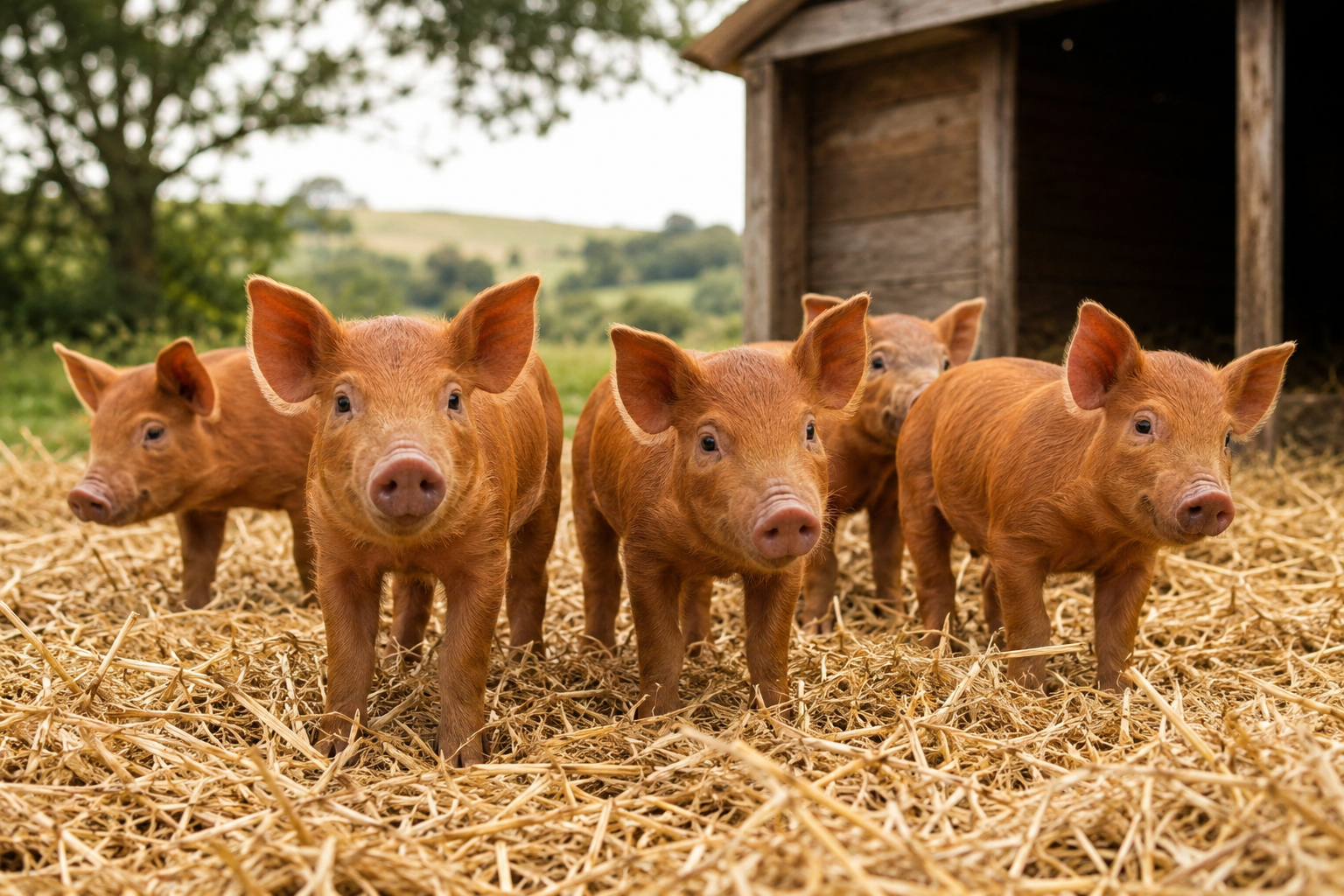

For smallholders, that can make them particularly appealing. A Tamworth is not a lazy pig. It wants to be busy. Given space, shelter, good fencing and proper care, it will work through pasture, woodland edges and scrub with impressive enthusiasm. In the right setting, this natural behaviour can help manage land, reduce overgrowth and contribute to the rhythm of a mixed farm.
Their usefulness in conservation grazing is one reason the breed continues to attract attention. Native pigs like the Tamworth can play a valuable role in managing certain landscapes. Their rooting can disturb the ground in a way that encourages plant diversity, while their grazing and browsing can help control scrub. Used carefully and responsibly, they are living tools in the management of traditional countryside habitats. But the Tamworth is also a reminder of something larger: the importance of protecting native livestock breeds. Many of Britain’s old farm animals were shaped by local landscapes, weather, farming methods and food traditions. They are part of rural history, but they are also part of rural resilience. Once a breed is lost, the genetics, character and cultural story that came with it are gone too.
Like many traditional breeds, the Tamworth has faced pressure from modern commercial farming. Faster-growing pigs have often been preferred by intensive systems, while slower-maturing native breeds have become less common. Yet the very qualities that once made the Tamworth seem old-fashioned are now part of its renewed appeal: flavour, hardiness, outdoor suitability and individuality.
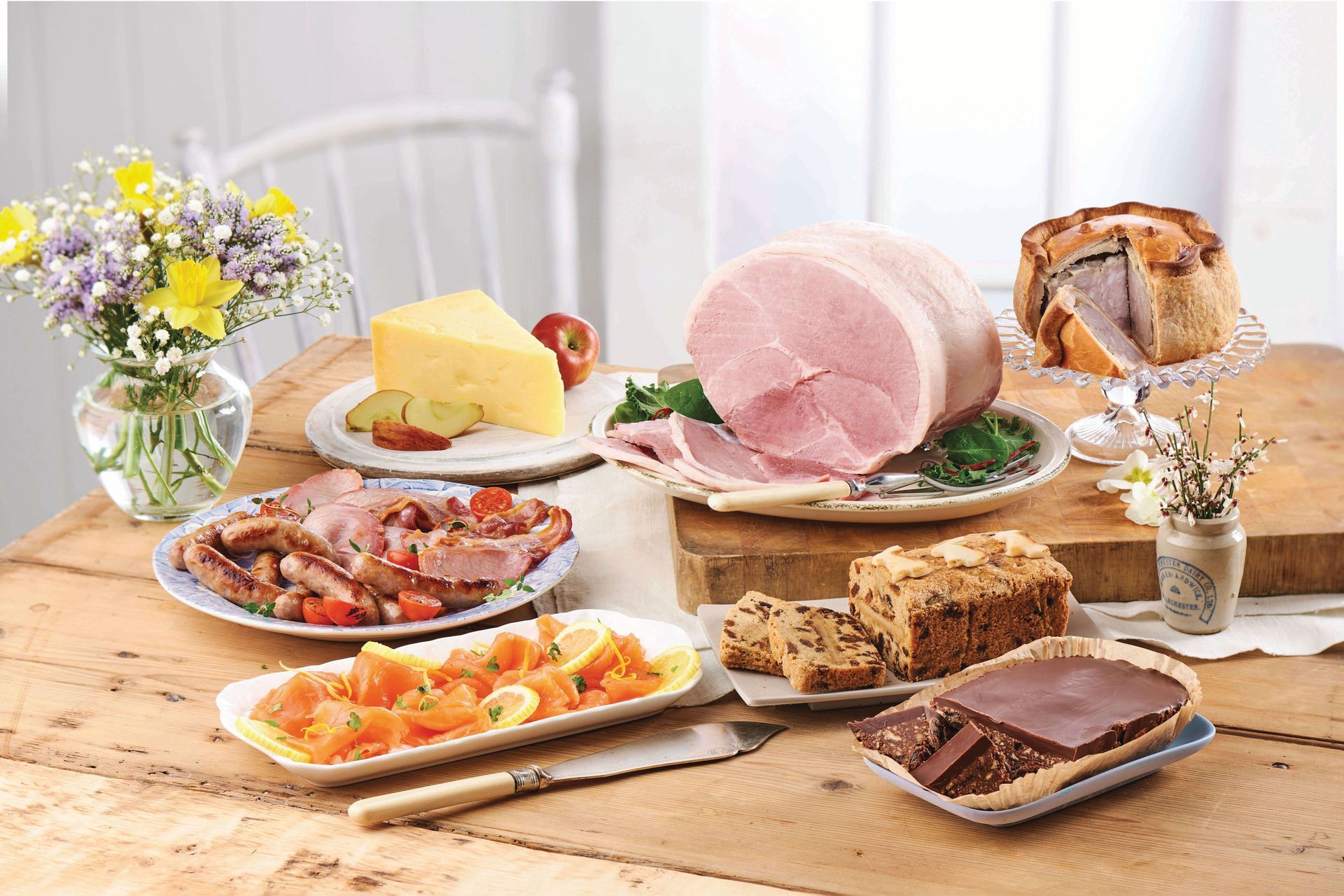
Tamworth pork is often praised for its quality. Because the breed is slower to mature than many commercial pigs, it can develop good flavour and texture. The Tamworth has long been associated with bacon production, and its meat is valued by those who appreciate traditional, carefully reared produce. For many small farms, rare breed meat is not about speed or volume, but about quality, provenance and animal welfare. There is also a strong emotional pull to the breed. Tamworths are full of personality. They are curious, alert and often surprisingly engaging animals to spend time around. Anyone who has kept pigs will know they are intelligent creatures, and the Tamworth is no exception. They quickly learn routines, recognise people and approach life with a mixture of confidence and appetite.
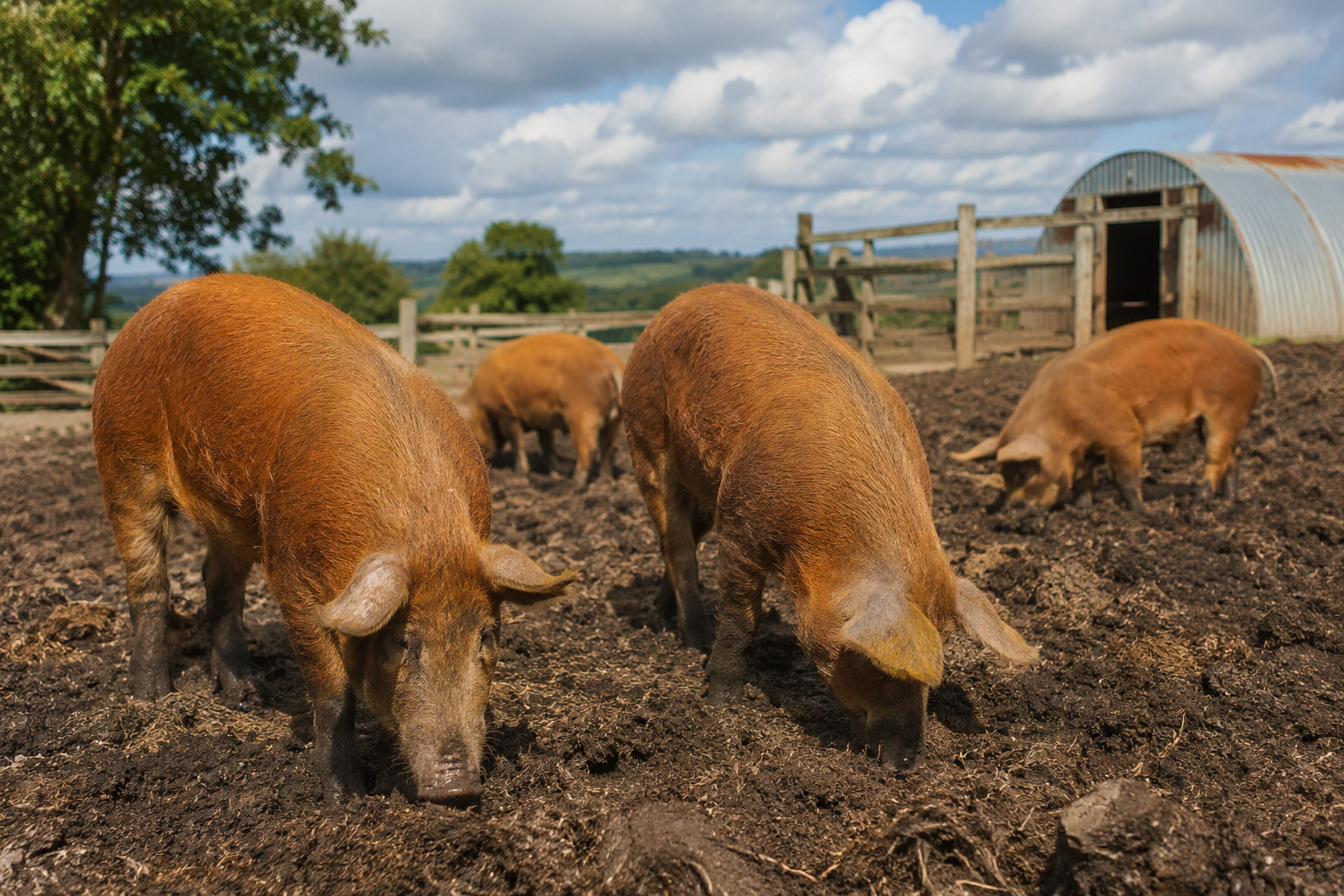
That said, they are not animals to take on lightly. Their intelligence and energy mean they need secure fencing, proper housing, good land management and knowledgeable handling. A bored or poorly contained pig can create a great deal of mischief. Tamworths are best suited to keepers who understand pigs and can give them the environment they deserve. For families visiting farms, the Tamworth is a wonderful breed to introduce children to. Its colour makes it easy to identify, and its story opens the door to conversations about farming history, rare breeds, food, land care and conservation.
Children may first be drawn to the bright ginger coat, but they can quickly learn that this pig is not just attractive; it is part of the living fabric of the countryside. There is something deeply satisfying about seeing breeds like the Tamworth still being kept, bred and valued. They connect modern rural life with the farmers and smallholders of the past. They remind us that agriculture was never meant to be entirely uniform. The countryside has always been shaped by variety: different soils, different fields, different communities and different animals suited to different places.
The Tamworth’s future depends on people continuing to care. That means breeders preserving good bloodlines, smallholders choosing native breeds, butchers and consumers supporting rare breed produce, and countryside visitors understanding why these animals matter. Conservation does not happen only in wild places. It also happens in farmyards, paddocks, orchards and muddy fields. In many ways, the Tamworth is the perfect symbol of traditional British farming: practical, distinctive, resilient and full of character. It is beautiful, but not delicate. Rare, but not ornamental. Historic, but still useful. It belongs not behind glass or in memory, but outdoors, doing what pigs have done for centuries: rooting, grazing, exploring and enriching the land beneath its feet.
As countryside life continues to change, breeds like the Tamworth deserve more than passing admiration. They deserve a secure place in the future. Their red-gold coats brighten the landscape, but their real value runs deeper. They carry history, genetics, flavour, purpose and personality in equal measure. To watch a Tamworth pig at work in a field is to glimpse an older rhythm of rural life — slower, more rooted, more connected to land and season. And perhaps that is why this remarkable breed continues to capture hearts. In a world that often prizes speed and sameness, the Tamworth stands proudly for something richer: heritage, character and the enduring value of doing things properly.
Read more: