Tackling the British Winter: Our Pick of the Best Rugs
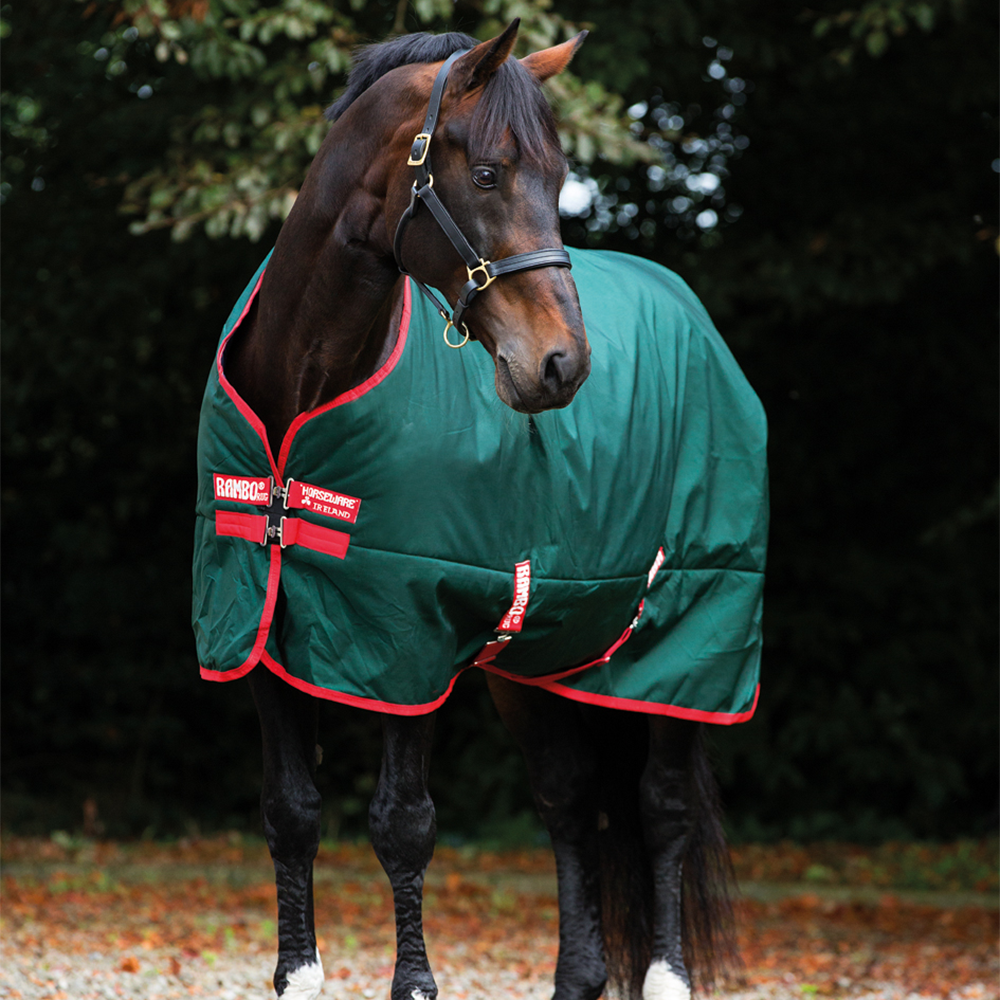

1. Horseware Rambo Original Turnout Rug
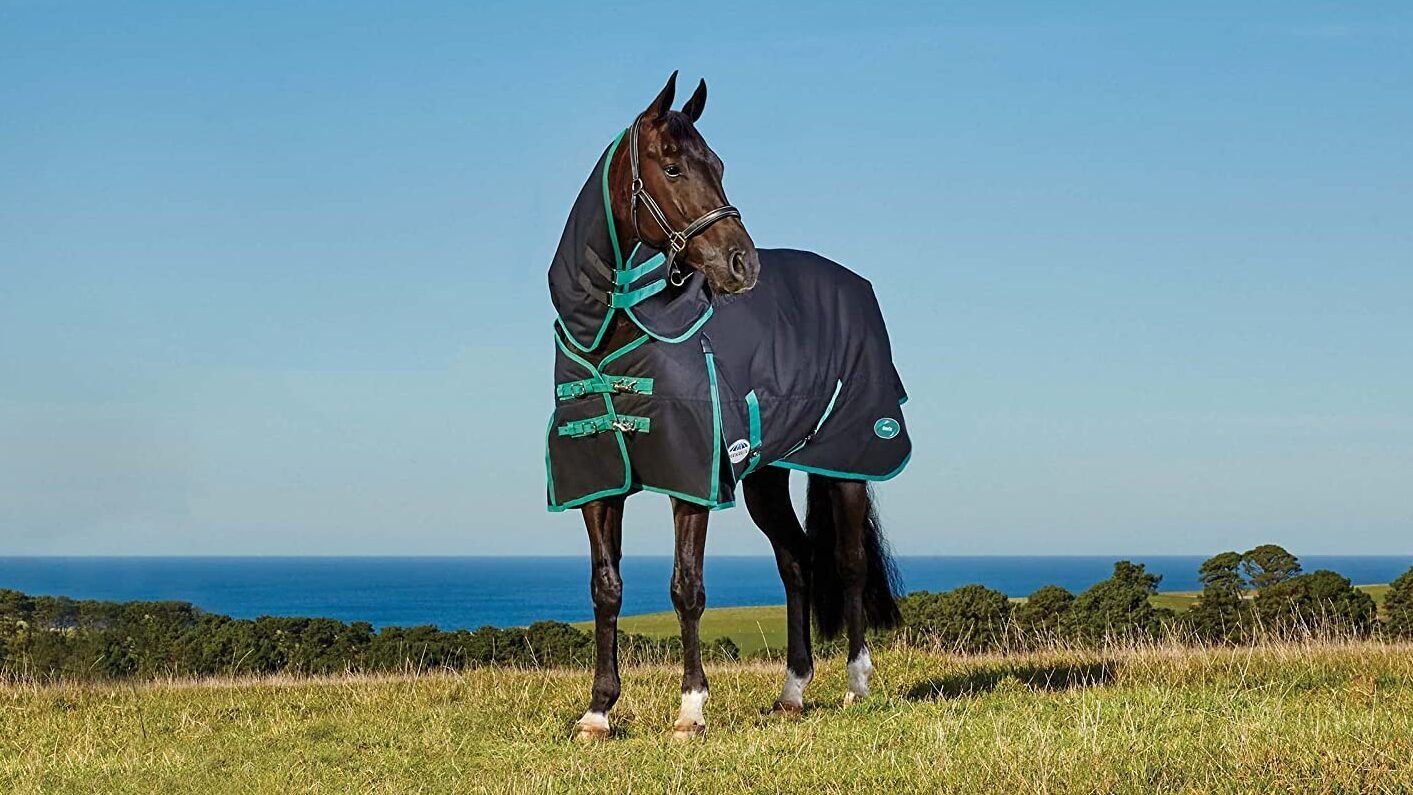
An iconic choice for British fields, the Rambo Original is famed for its toughness and longevity. Made from 1000D ballistic nylon, it’s fully waterproof and breathable, with a snug fit that keeps even the muddiest conditions at bay. It’s an investment piece, but one that many owners swear by for years of use.
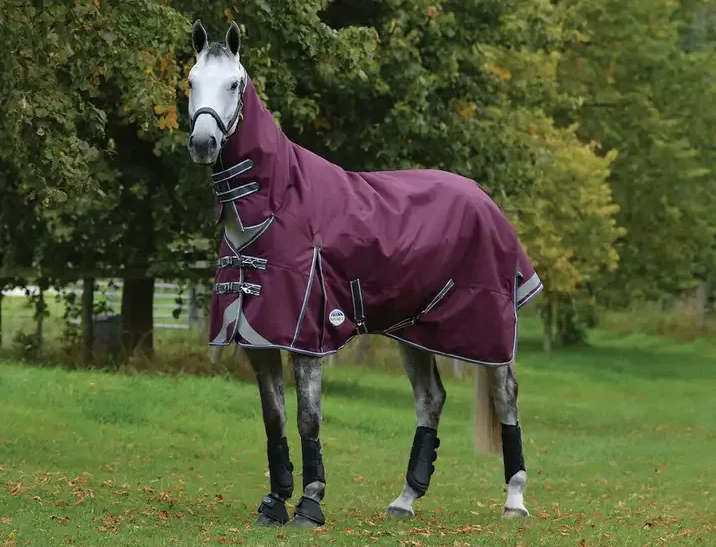
2. WeatherBeeta ComFiTec Plus Dynamic
WeatherBeeta has long been a staple of the UK rug market, and the ComFiTec Plus Dynamic is a brilliant all-rounder. With a durable 1200D shell, optional detach-a-neck, and reflective strips for visibility, it’s built for everyday turnout in changeable weather.

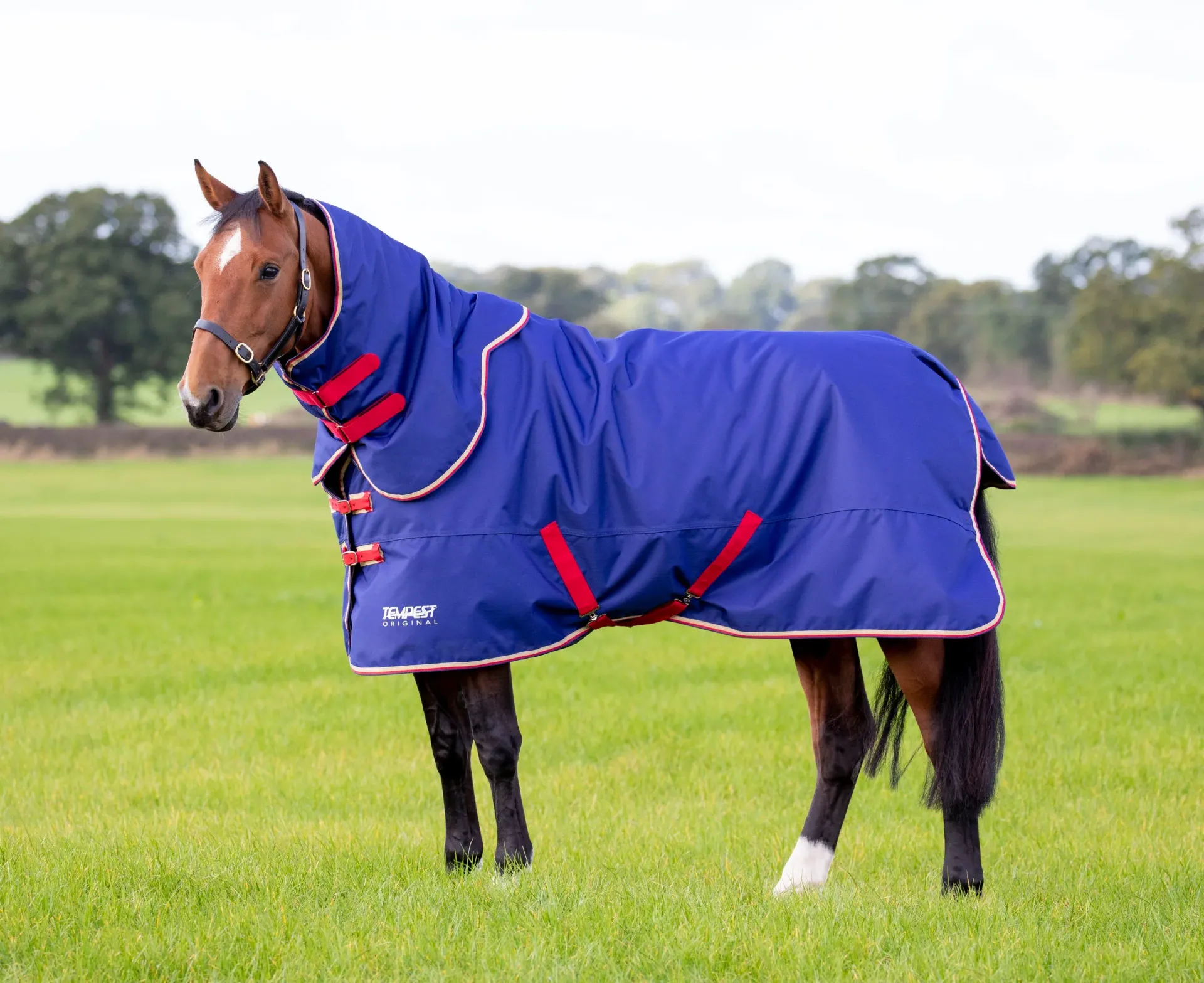
3. Shires Tempest Original Turnout Rug
A popular mid-range option, the Shires Tempest offers excellent value without compromising on quality. Available in light, medium, and heavyweight fills, it features ripstop outer fabric, adjustable chest straps, and a good fit for most horses—perfect for small yards looking for practicality
4. Bucas Atlantic Turnout Rug
Known for its technical fabrics, Bucas rugs are designed to handle the damp and cold typical of UK winters. The Atlantic range uses a ballistic nylon outer and Stay-dry lining, meaning you can put it straight on a wet horse without worrying. Hard-wearing and warm, it’s a favourite with riders who need reliability through winter.
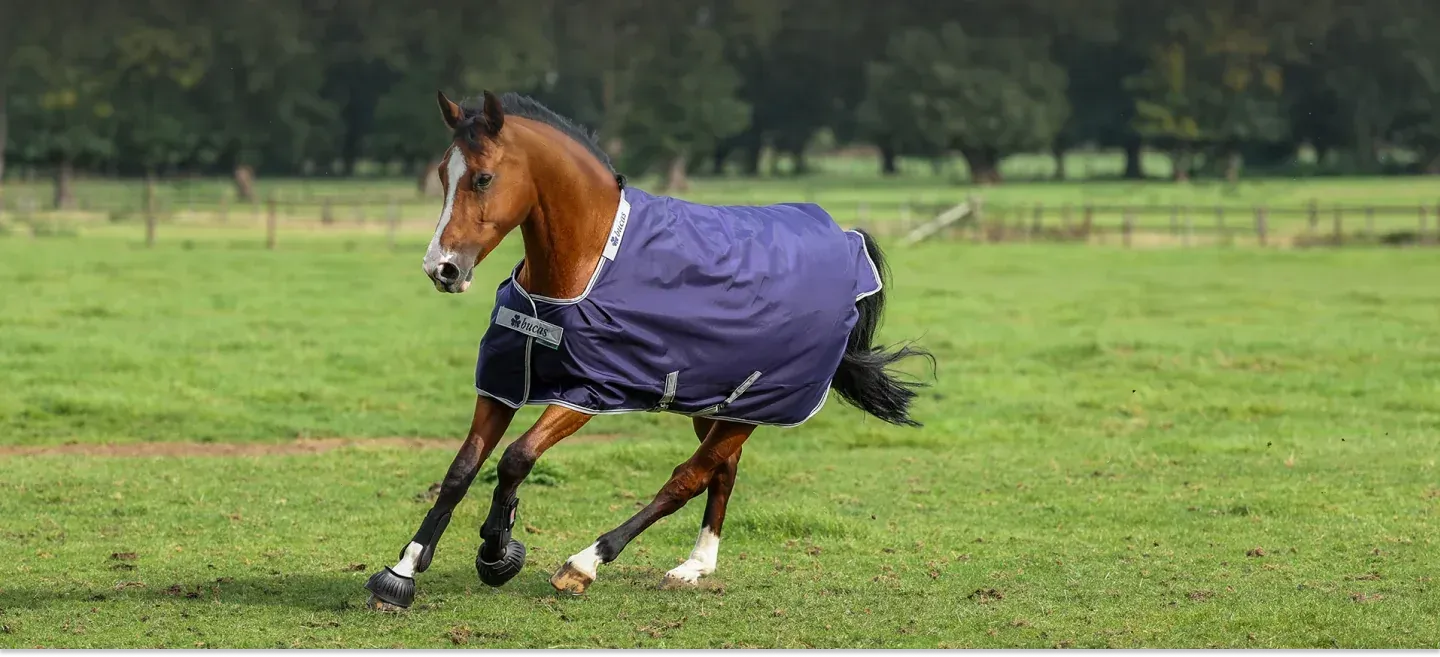
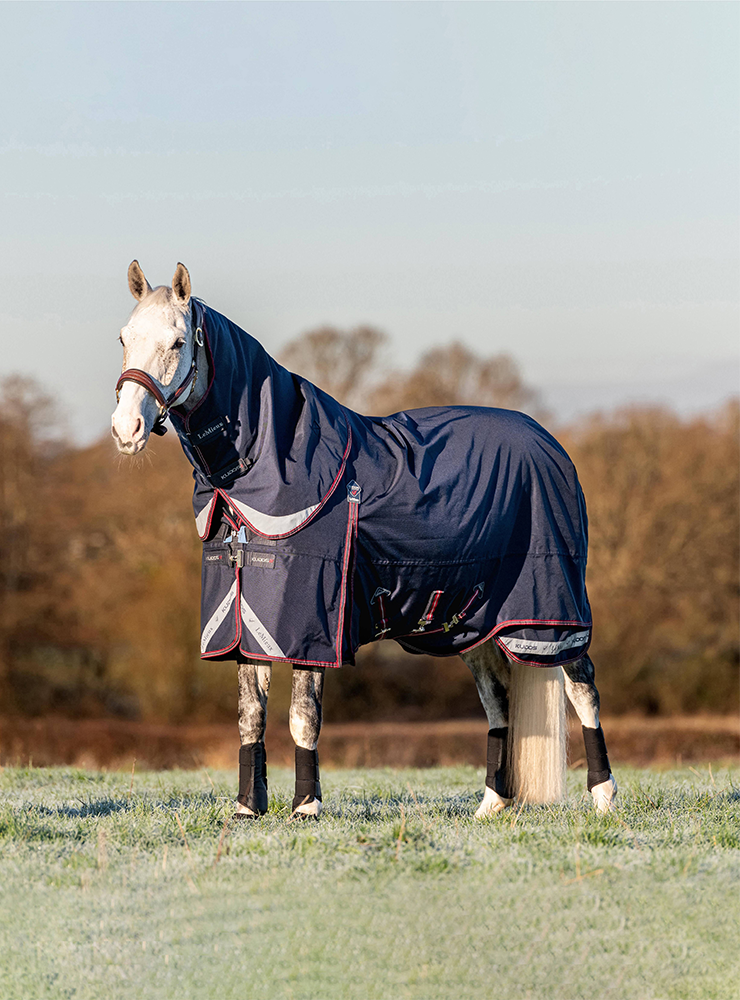
5. LeMieux Kudos Turnout Rug
LeMieux has become one of the UK’s most stylish equestrian brands, but its Kudos turnout is more than just good looks. Designed in consultation with vets, it features a unique angled front closure for freedom of movement, robust waterproofing, and sleek design. It’s a modern take on the traditional turnout, blending performance with smart yard style.
Which Weight Turnout Rug Do You Need?
•
Lightweight (0–100g fill): Best for mild, damp autumn or spring days when your horse needs protection from rain but not much extra warmth.
•
Mediumweight (150–250g fill): Ideal for typical UK winters, offering warmth as well as waterproofing. Suitable for clipped horses or those living out full-time.
•
Heavyweight (300–450g fill): For the coldest weather, particularly in exposed parts of the UK. Best for older horses, those with fine coats, or fully clipped horses needing maximum warmth.
Tip: Always consider your horse’s condition, workload, and whether they are clipped when deciding which weight rug to use.
The Importance of Rugging a Horse
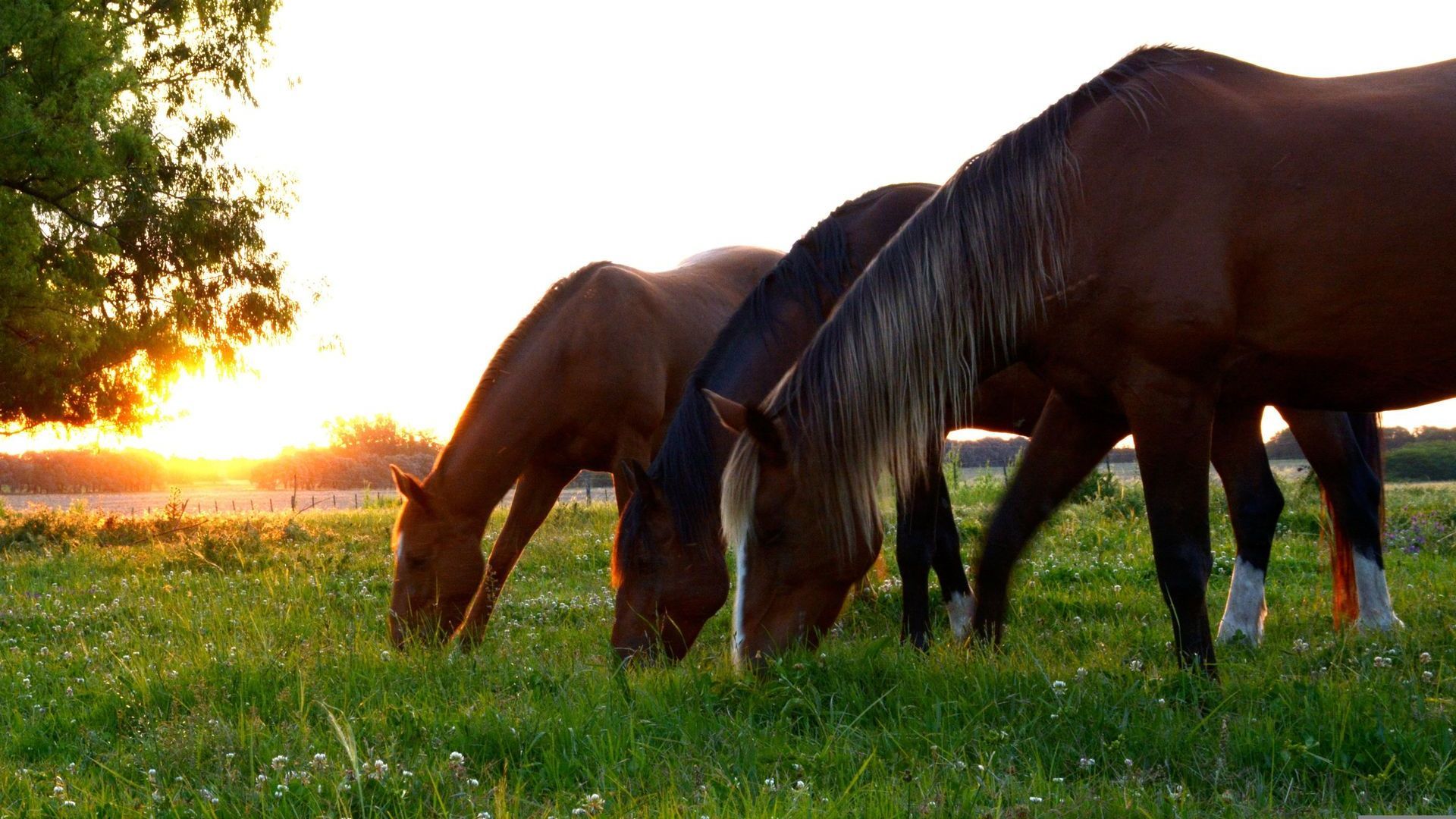
In the depths of a British winter, the sight of horses rugged up in fields is a familiar one. For many owners, rugs are an essential part of caring for their horses, ensuring comfort, health, and protection against the elements. But rugging is about more than just warmth; it’s about understanding each horse’s individual needs and making thoughtful decisions to support their wellbeing throughout the year.
Protection Against the Elements
The UK’s wet, windy climate means horses can spend long periods exposed to rain and cold. While native breeds with thick coats may manage well without, finer-coated types—such as Thoroughbreds, clipped horses, or older animals—often struggle to maintain condition. A well-chosen rug provides insulation and waterproofing, keeping the horse warm, dry, and able to conserve energy that would otherwise be spent keeping warm.
Supporting Clipped and Working Horses
Rugging becomes especially important for horses in work. Many owners clip their horses during the winter to prevent overheating and sweating, but this also removes their natural insulation. Rugs then become vital to replace that lost protection. Turnout rugs keep clipped horses comfortable in the field, while stable rugs provide warmth indoors. Without appropriate rugging, clipped horses can quickly lose weight and condition.
Preventing Weight Loss and Illness
Cold, wet conditions not only affect comfort but can also contribute to weight loss. Horses burn more calories to stay warm, which can be problematic for those already prone to dropping condition. Rugging helps to reduce this calorie drain, supporting bodyweight maintenance. It also reduces the risk of chills and secondary issues, particularly in older or more vulnerable horses whose immune systems may not cope as effectively.
Comfort and Welfare
Beyond physical health, rugging plays a role in overall welfare. A horse that is warm, dry, and comfortable is more likely to relax, rest properly, and thrive. Rugs also protect against rubbing from tack or biting insects in the summer, meaning their role isn’t limited to the colder months. Choosing the right rug for the season—be it a lightweight fly sheet or a heavyweight turnout—is a way of respecting and supporting the horse’s natural needs.
Not One Size Fits All
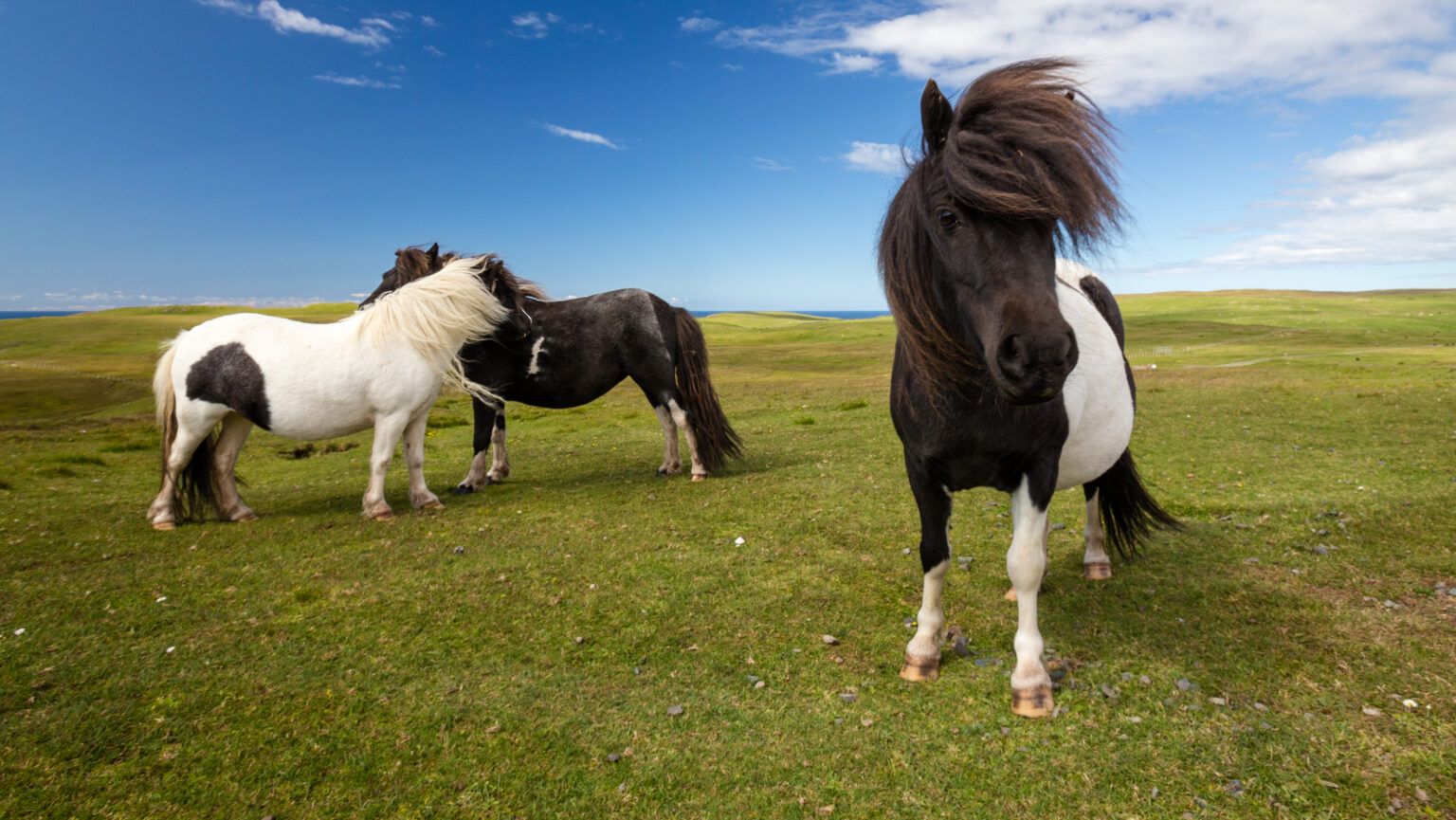
It’s important to remember that not every horse requires rugging. Hardy natives often thrive without, as their coats adapt to the weather. Over-rugging can cause sweating, skin conditions, or discomfort. The key lies in assessing each horse individually, considering breed, age, workload, and living conditions. A well-rugged horse is a cared-for horse, but unnecessary rugging can do more harm than good.
A Thoughtful Balance
Ultimately, rugging is about balance—providing protection where it’s needed, while allowing the horse’s natural coat and metabolism to do their job where possible. By making rugging decisions based on the horse in front of us rather than habit or fashion, owners can ensure they are supporting their horse’s health and happiness.
The Everyday Essential
For many horses in the UK, rugs are not a luxury but a necessity. They shield against relentless rain, bitter winds, and icy frosts, ensuring comfort through the toughest months of the year. Done thoughtfully, rugging reflects the best of horse care: practical, considered, and centred on welfare. It’s an everyday act of kindness that makes all the difference in a horse’s life.
Read more: