What to Plant in November
The Essential Guide to Preparing Your Garden for Spring

November might signal the arrival of shorter days, colder mornings and the first proper frosts of the season, but for gardeners across Britain, there is still plenty to be getting on with. While much of the countryside begins to settle into its winter slumber, this quieter time of year presents a wonderful opportunity to prepare our gardens for the months ahead, with a little effort now making all the difference when spring finally arrives.
From planting beautiful spring-flowering bulbs to establishing fruit trees, shrubs and hardy vegetables, November is far from a month of inactivity. In fact, some plants positively benefit from being planted at this time of year, allowing their roots to establish before the warmer weather returns. Whether you have a sprawling country garden, a modest vegetable patch or a collection of pots outside the back door, there are plenty of rewarding jobs to tackle before winter takes hold.
Plant spring bulbs for a spectacular display
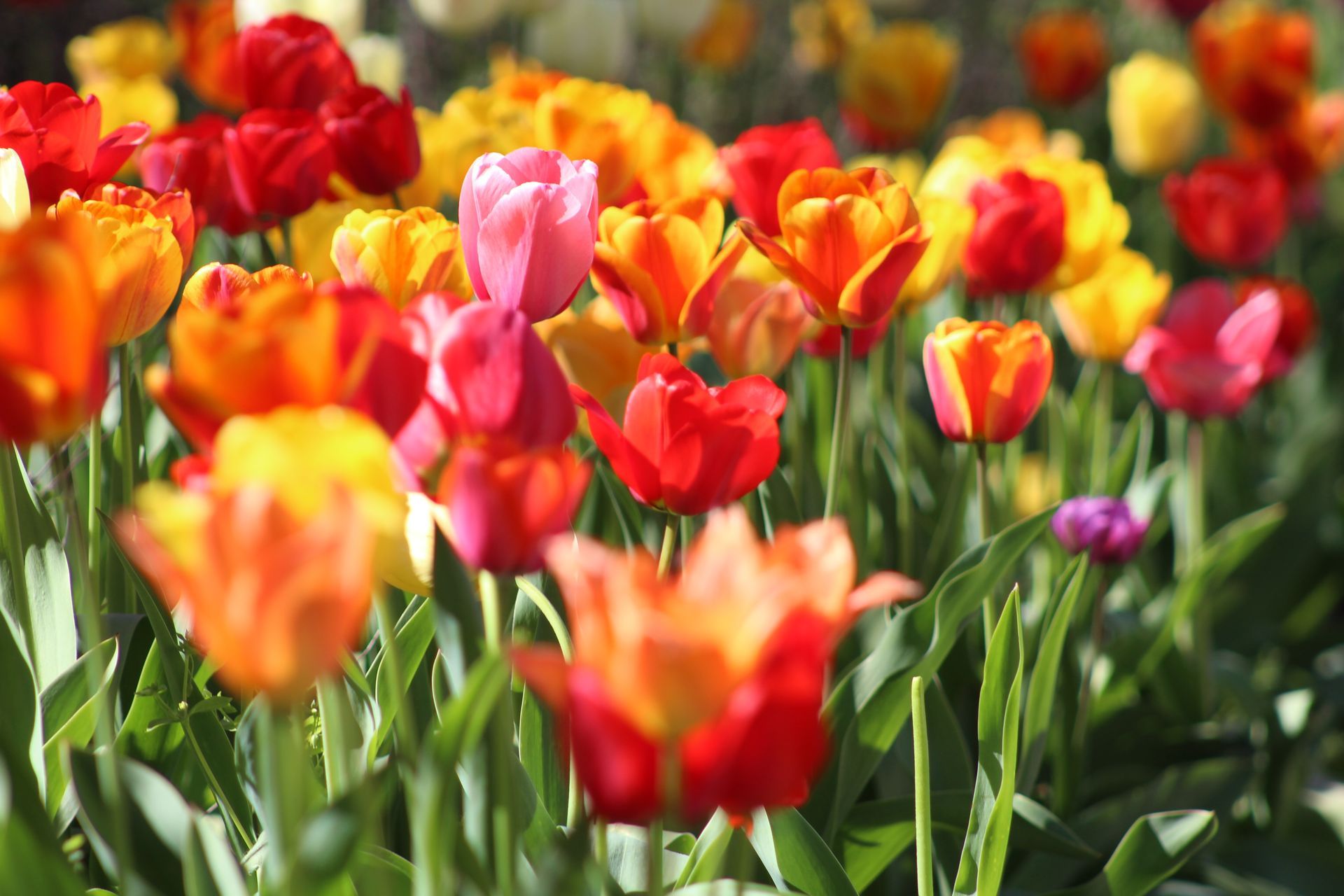
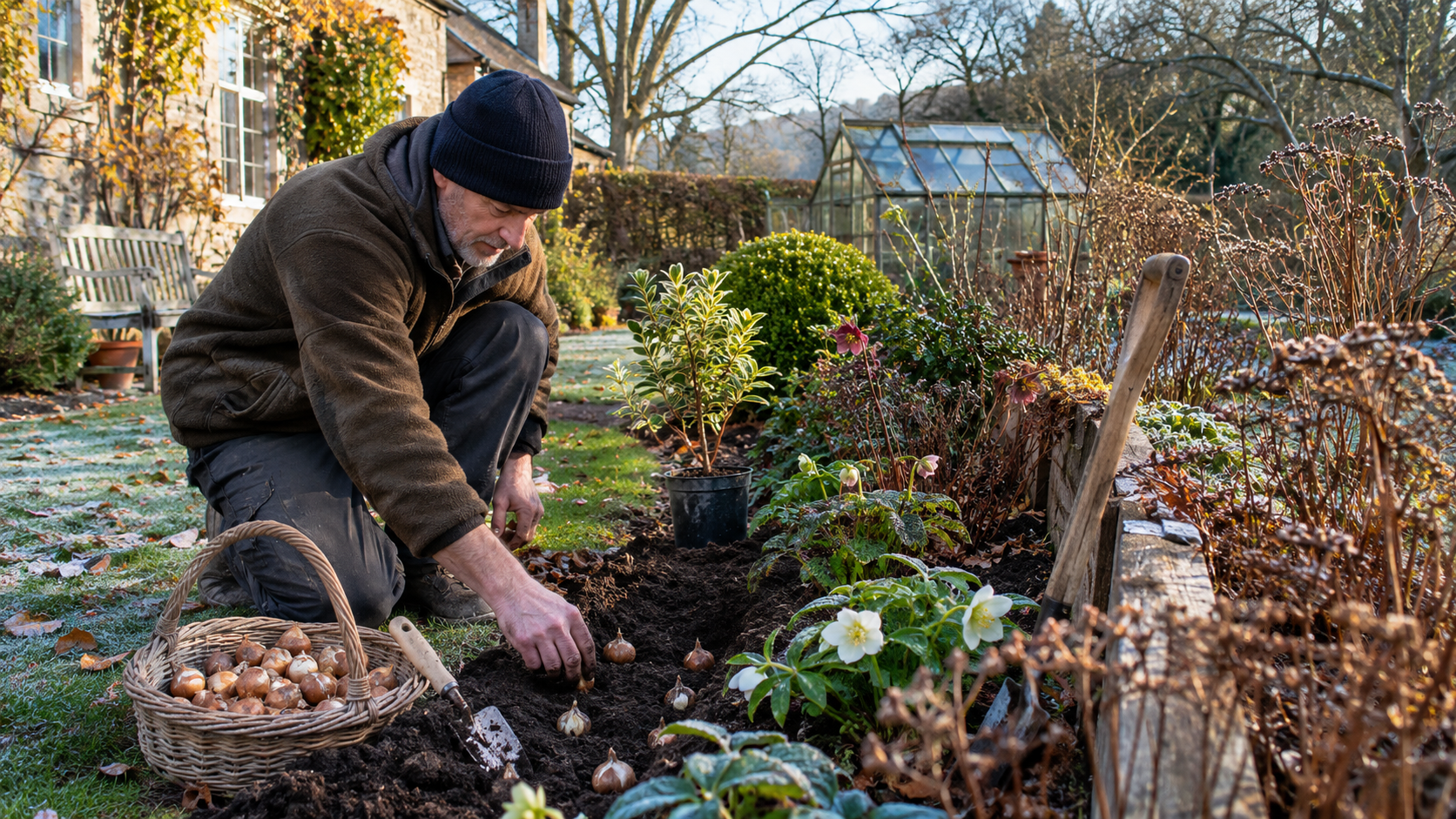
If there is one gardening job worth prioritising in November, it is planting tulips. These much-loved spring flowers are among the highlights of any British garden, bringing vibrant colour to borders, containers and flower beds after months of winter gloom. November is particularly well suited to planting tulip bulbs, with the cooler conditions helping them establish ahead of their spring display. Choose a sunny position with well-drained soil, planting each bulb approximately two to three times its own depth, with the pointed end facing upwards.
Tulips also work beautifully in pots, making them an excellent choice for smaller gardens, patios and entrances to country homes. For a particularly striking display, consider planting several varieties together, combining different colours and flowering times to extend the season. Although daffodils, crocuses and hyacinths are ideally planted earlier in autumn, any forgotten bulbs can still be planted if conditions allow, although flowering may be less reliable.


Vegetables to plant in November
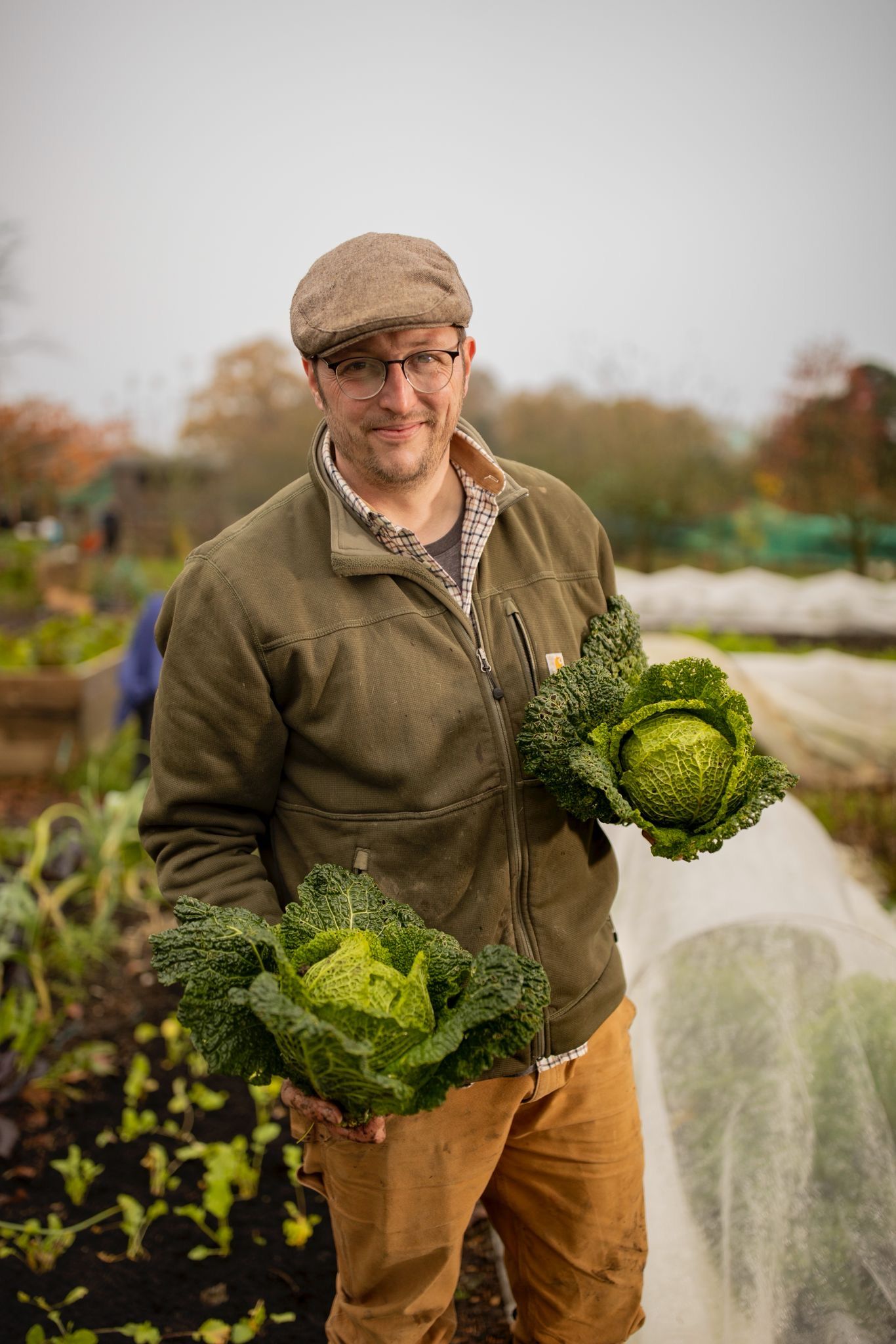
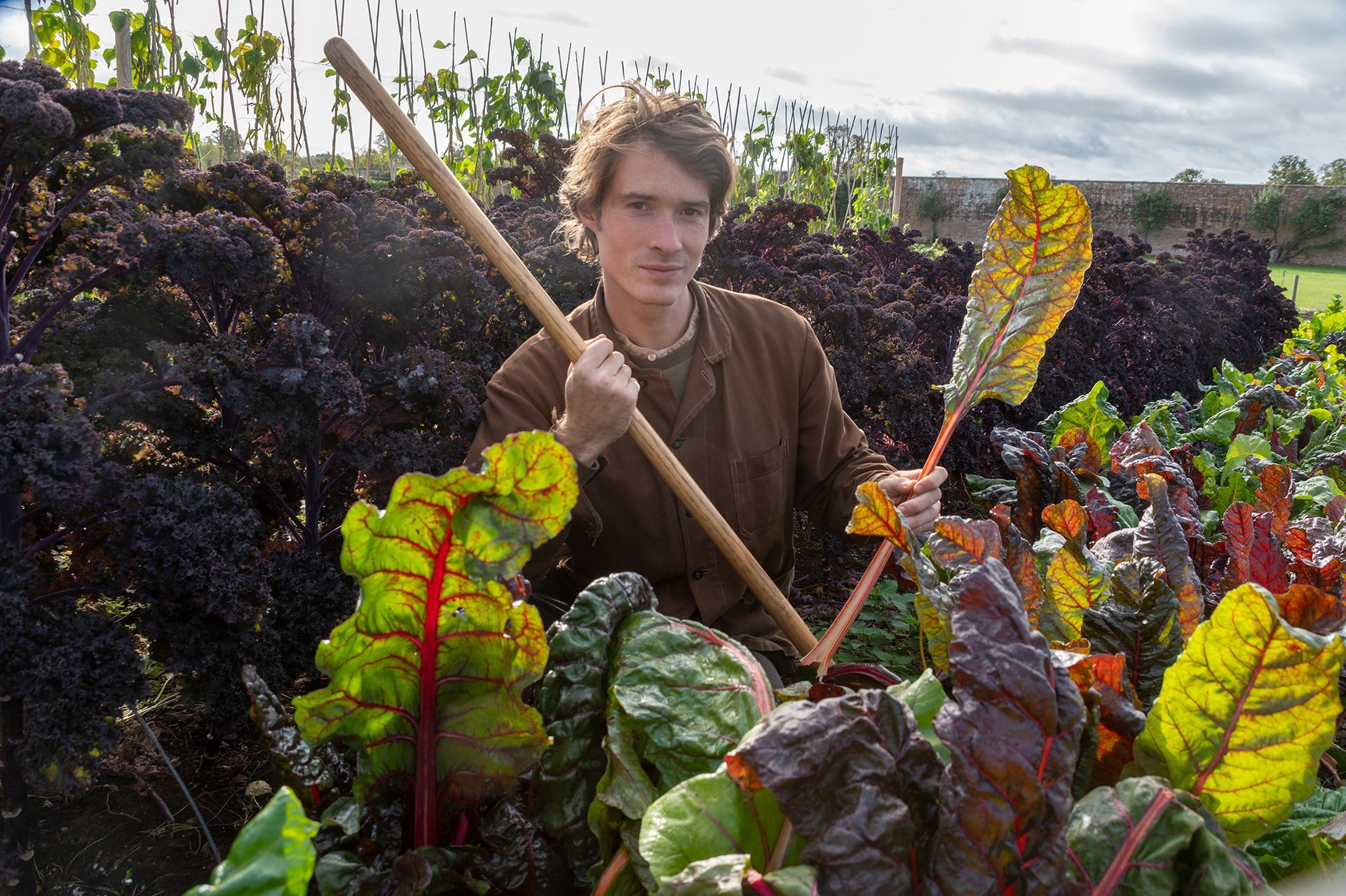
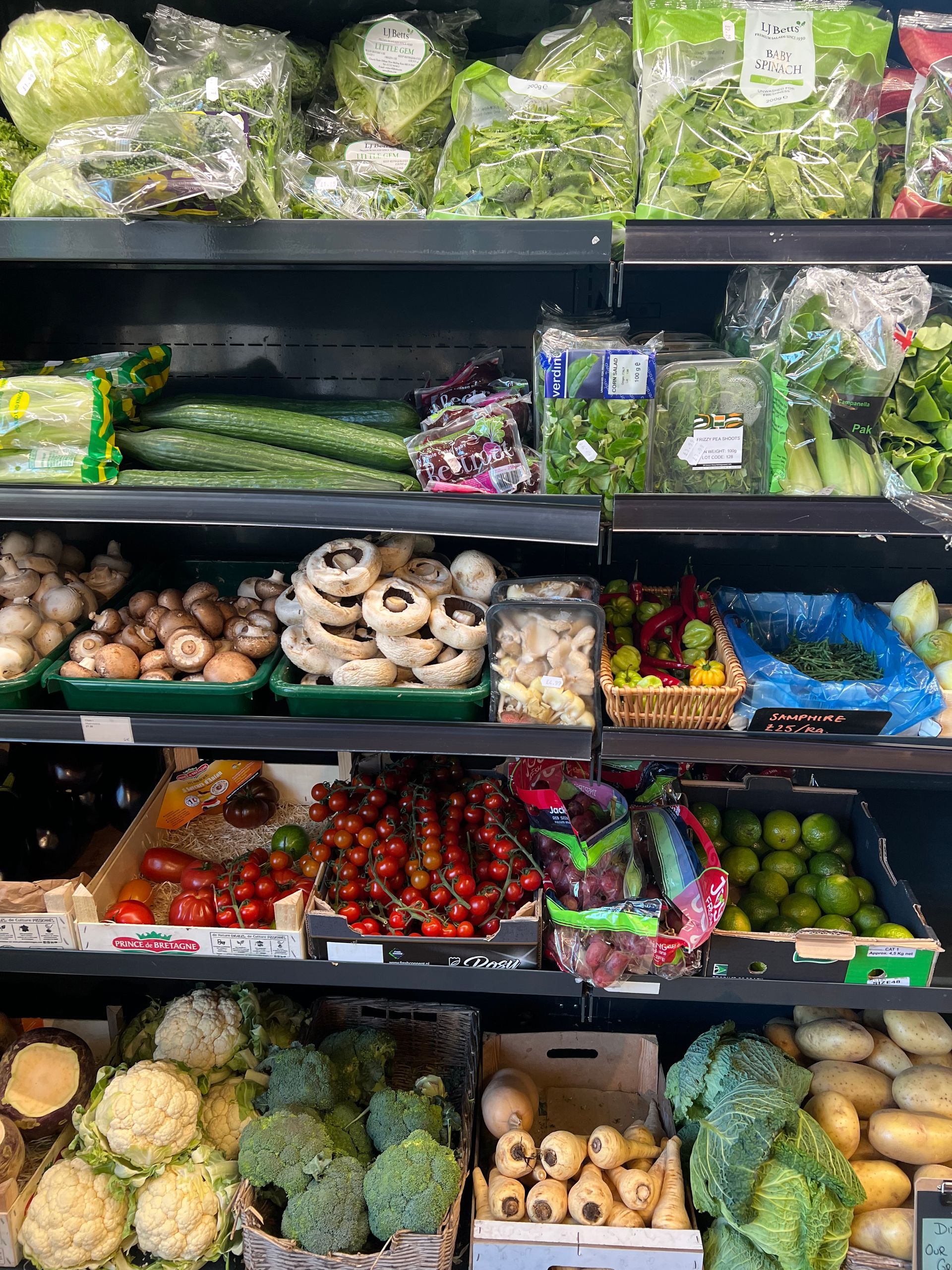
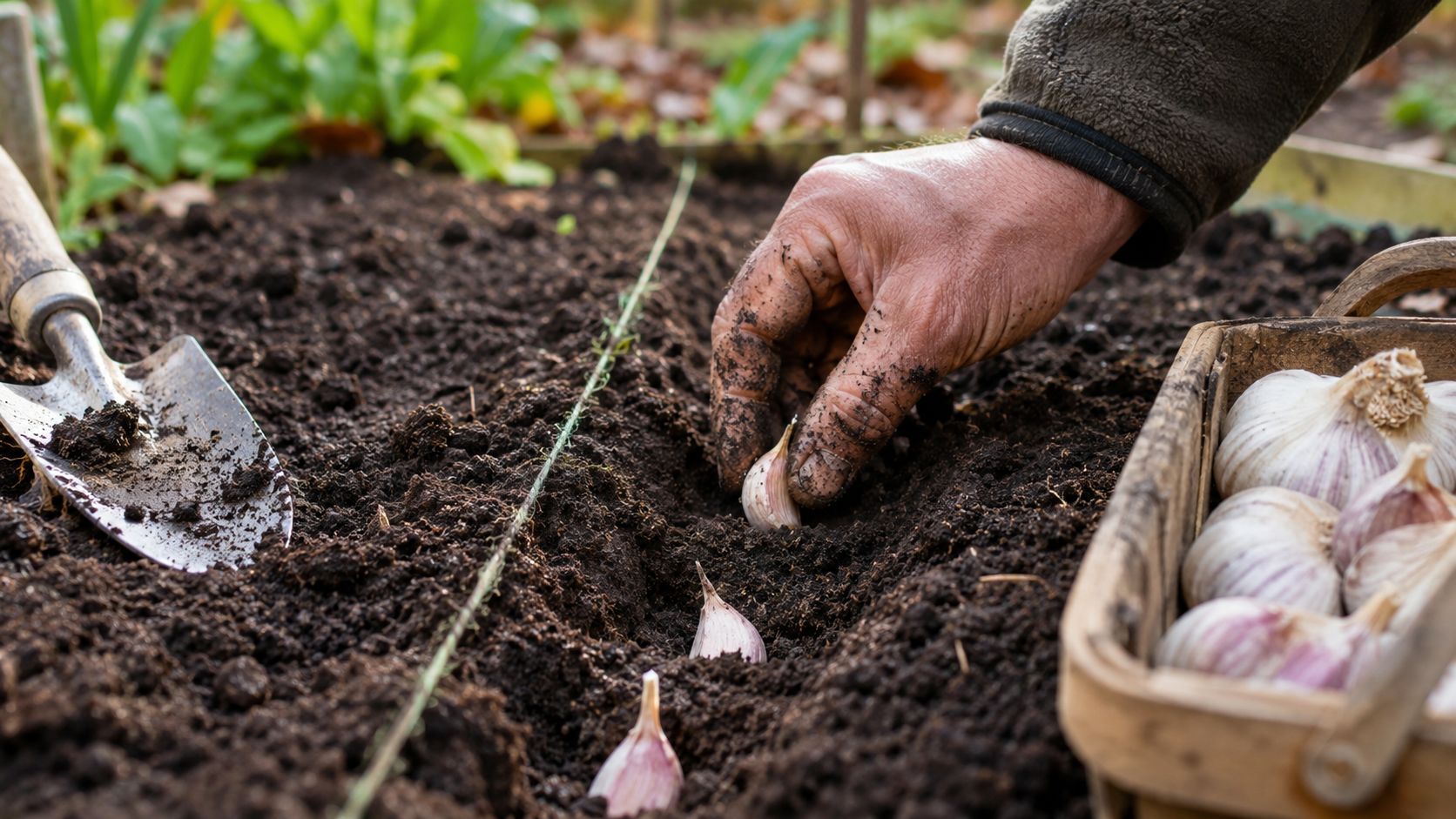
The vegetable garden might look rather quiet at this time of year, but November still offers opportunities to get ahead with next year's harvest. Garlic is one of the most rewarding crops to plant during the colder months, particularly in milder parts of Britain where the ground remains workable. Individual garlic cloves can be planted in well-drained soil, with their pointed tips just beneath the surface. In areas prone to prolonged wet weather or heavy frosts, planting cloves in modules of peat-free compost and keeping them in a cold frame offers a more reliable alternative before transplanting them outside.
Broad beans are another excellent option, particularly hardy varieties intended for autumn sowing. In sheltered gardens with free-draining soil, they can be sown outdoors during November, while gardeners in colder regions may prefer to start them in pots under protection. Not every vegetable needs planting, either. Existing crops such as leeks, carrots and winter spinach may still provide welcome harvests, depending on local conditions. Protecting vulnerable crops with fleece or cloches can help extend their growing season as temperatures fall.
November is an ideal time to plant fruit trees and bushes
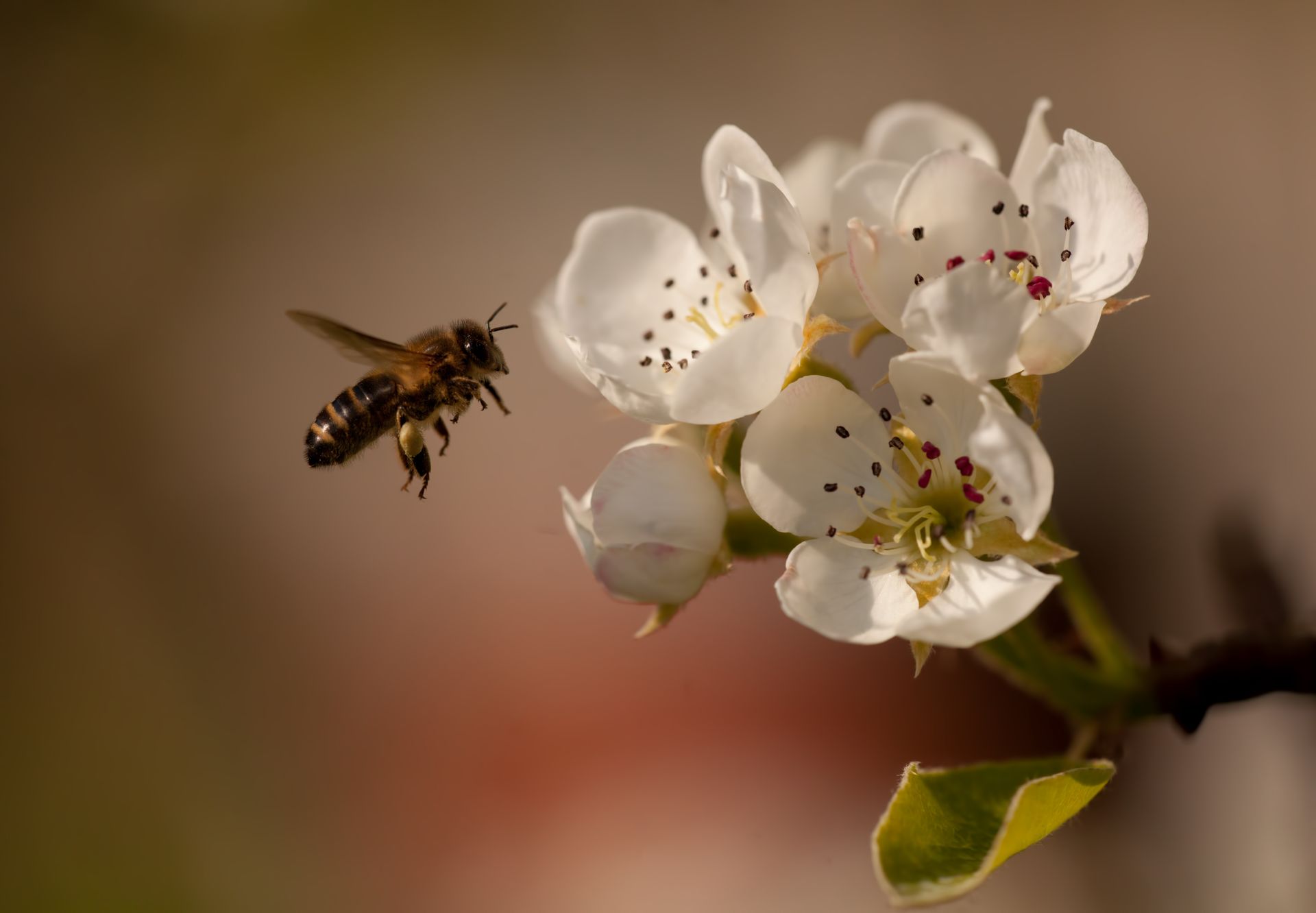
For anyone dreaming of harvesting home-grown apples, pears or soft fruit, November marks the beginning of one of the best planting periods of the year. Bare-root fruit trees and bushes become widely available during the dormant season, offering an economical alternative to container-grown plants. Apple and pear trees are wonderful additions to larger country gardens, providing beautiful blossom in spring and delicious fruit later in the year. Smaller gardens need not miss out, however, as carefully selected dwarf varieties and trained fruit trees can thrive in surprisingly limited spaces.
Raspberries, currants and gooseberries are also worth considering. These productive plants can provide years of harvests, and many are relatively straightforward to maintain once established. The most important consideration is the condition of the soil. Avoid planting when the ground is frozen or waterlogged, and ensure newly planted trees receive adequate support where necessary. A generous layer of organic mulch around the planting area will help protect the soil and retain moisture, although it should be kept clear of the trunk.
Add structure with trees, shrubs and winter bedding
November is also a wonderful opportunity to introduce some permanent structure to the garden. Bare-root roses, deciduous hedging and ornamental shrubs can be planted during their dormant period, allowing them to settle into their surroundings before growth resumes in spring. For a more immediate splash of colour, winter pansies, violas, primroses and wallflowers can brighten otherwise bare borders and containers. These hardy bedding plants are particularly effective around entrances, along pathways and in pots positioned where they can be enjoyed from the house. When choosing new plants, consider how they will complement the existing garden throughout the year, rather than simply how they look at the time of planting.
Protect the garden before winter arrives
Of course, preparing the garden for spring involves more than simply planting. November is also an important month for protecting vulnerable plants and ensuring that gardens are ready to withstand whatever the British winter might bring. Tender plants should be moved into sheltered, frost-free surroundings where possible, while containers can be raised onto pot feet to improve drainage. Applying organic mulch to established borders helps insulate the soil, protect vulnerable roots and gradually improve soil structure. Fallen leaves can be gathered to create leafmould, a valuable natural soil conditioner, while spent plants and suitable garden waste can be added to the compost heap.
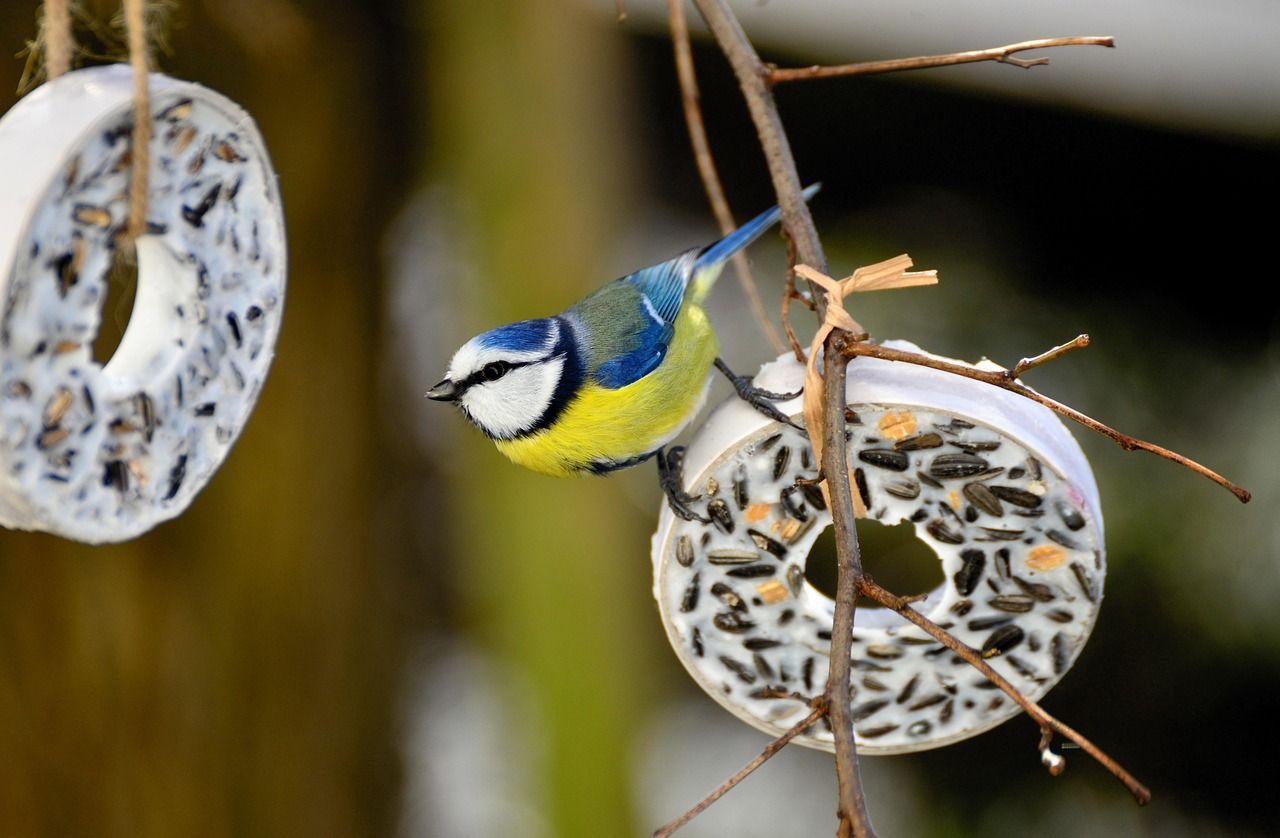
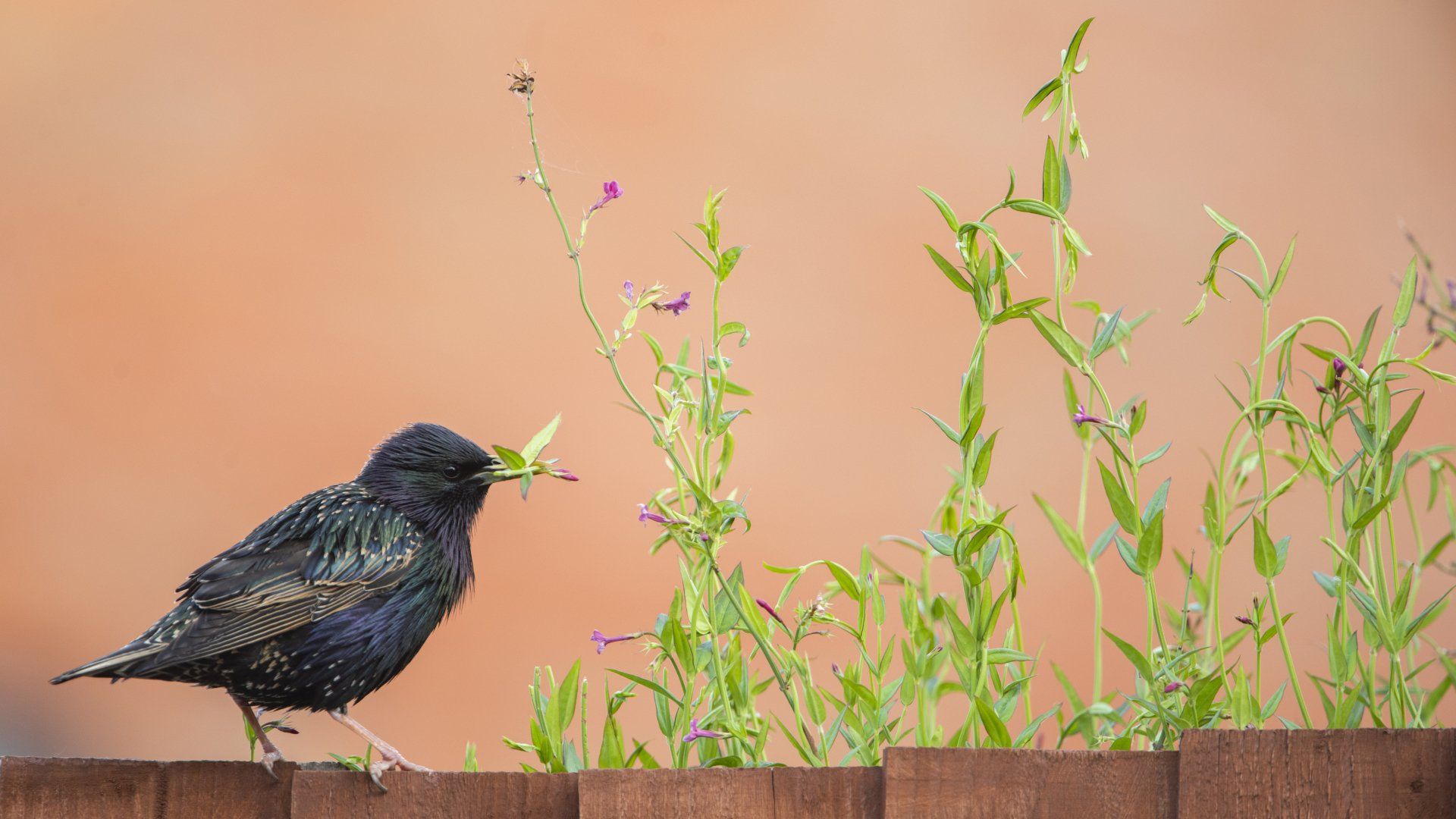
However, there is no need to make every corner of the garden perfectly tidy. Leaving some seedheads, hollow stems and undisturbed patches of vegetation provides important shelter and food for wildlife throughout winter, supporting everything from garden birds to beneficial insects.

Which gardening jobs should wait until spring?
As tempting as it might be to tackle every outstanding job before Christmas, some tasks are better left until warmer weather arrives. Tender shrubs and many evergreens should generally be left unpruned until spring, while plants such as hydrangeas benefit from retaining their old flowerheads for additional frost protection. Heavy pruning of roses can also wait until late winter, although taller stems may need shortening to prevent damage from strong winds. Perhaps most importantly, avoid working heavily on soil that is saturated with rain. Digging or walking across waterlogged ground can damage its structure, making it harder for plants to establish when the growing season returns.
A little work now, a beautiful garden later
There is something particularly satisfying about gardening in November. The pace is slower, the air is cooler and the rewards of our efforts may still be several months away, yet every bulb planted and every tree established brings the promise of another beautiful growing season, and while the countryside gradually exchanges its autumn colours for the quieter beauty of winter, the garden is already preparing for its next chapter. With a little care and thoughtful planning now, spring will arrive with fresh growth, colourful borders and perhaps even the beginnings of a wonderful home-grown harvest.
Read more: