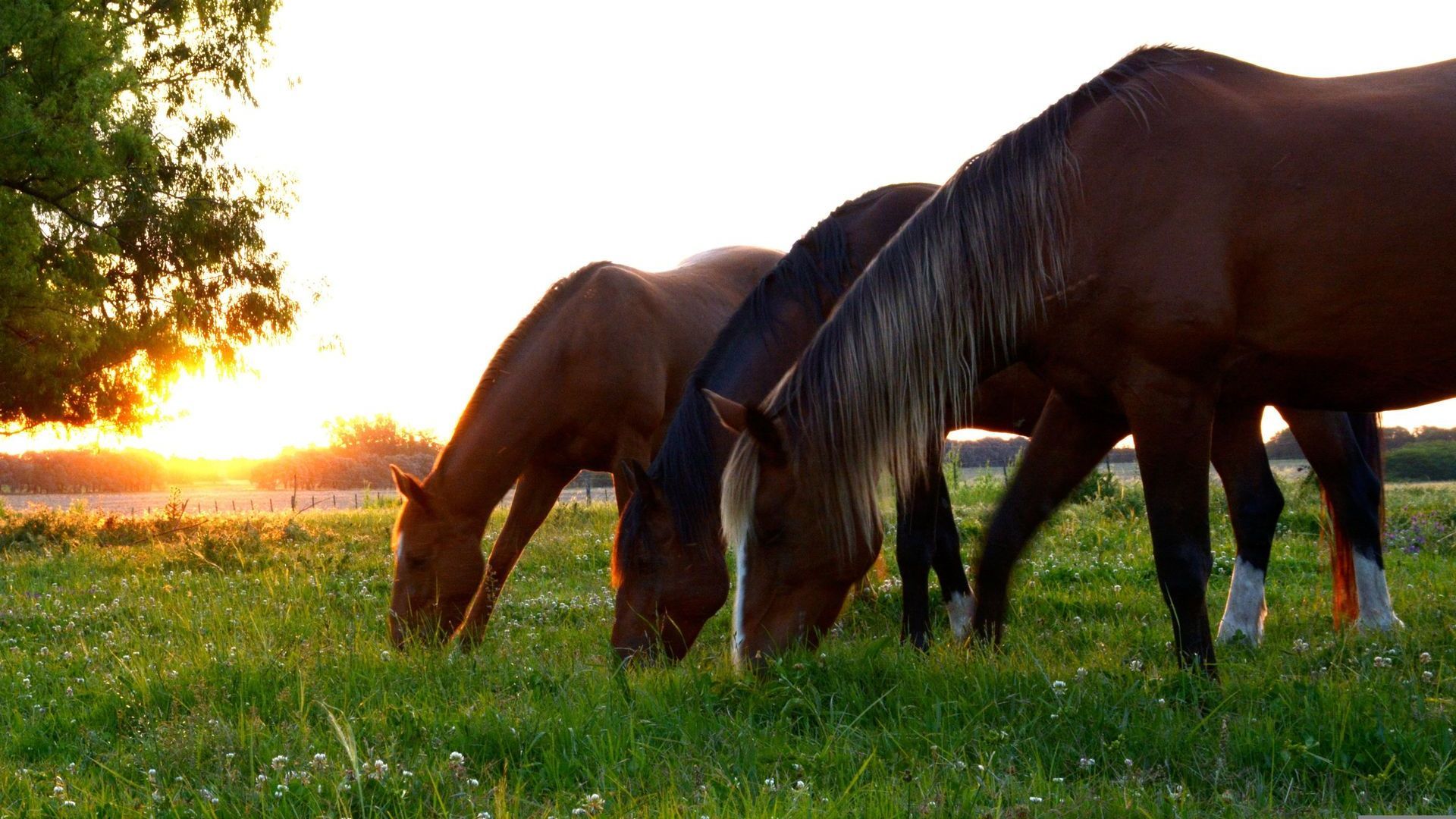
Mud Fever in Horses
Causes, Care, and Prevention

As the British winter rolls in, with its inevitable wet weather and heavy ground, horse owners face a familiar challenge: mud fever. This irritating and sometimes painful skin condition can affect any horse, but particularly those turned out in wet or muddy fields for long periods. Understanding what mud fever is, how to treat it, and—most importantly—how to prevent it, is key to keeping horses comfortable and healthy throughout the season.
What is Mud Fever?
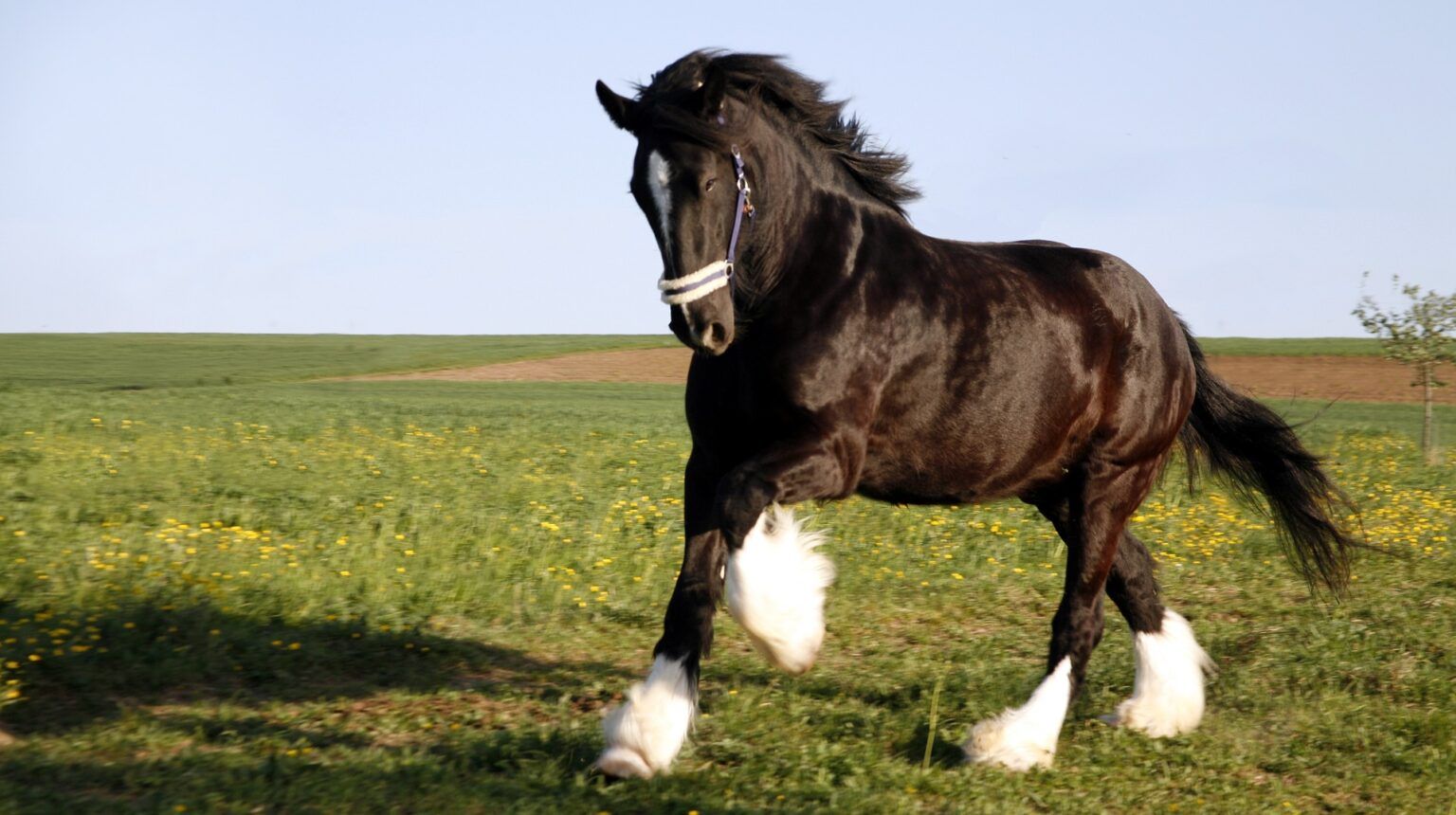
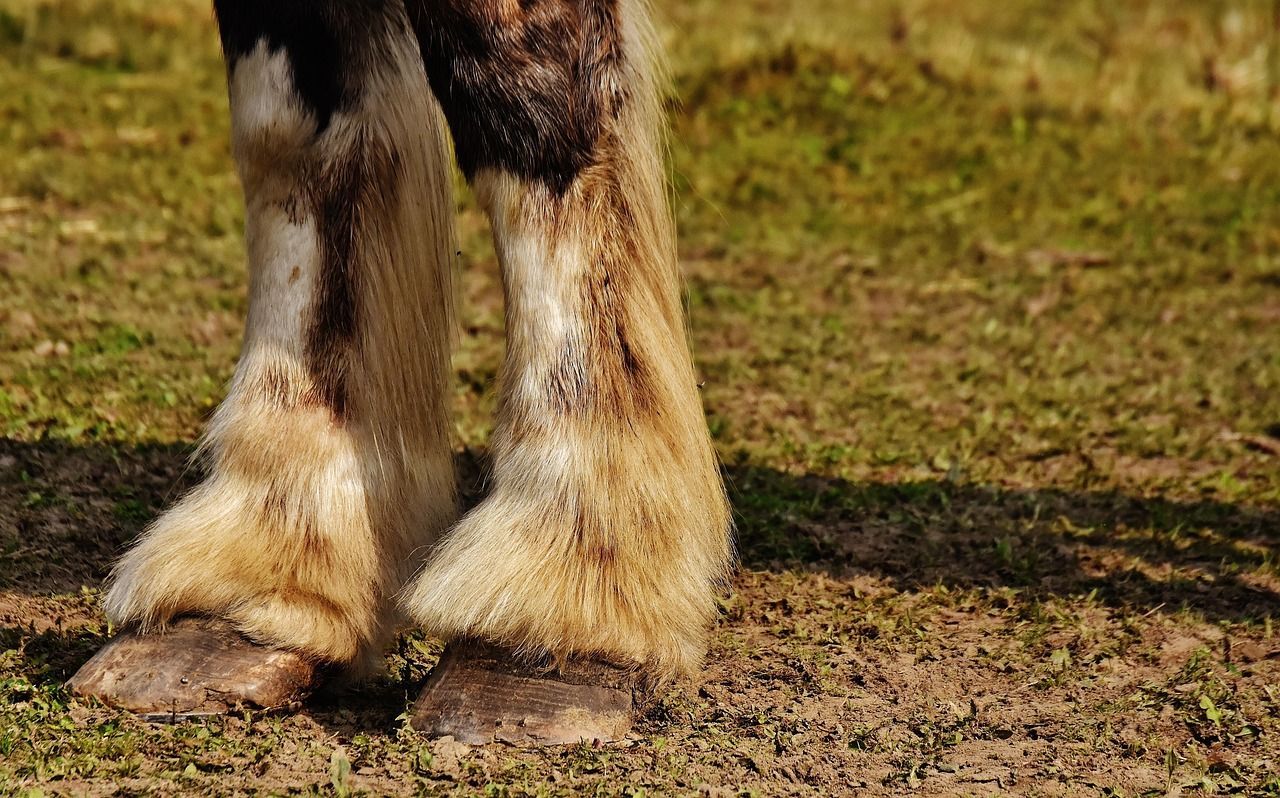
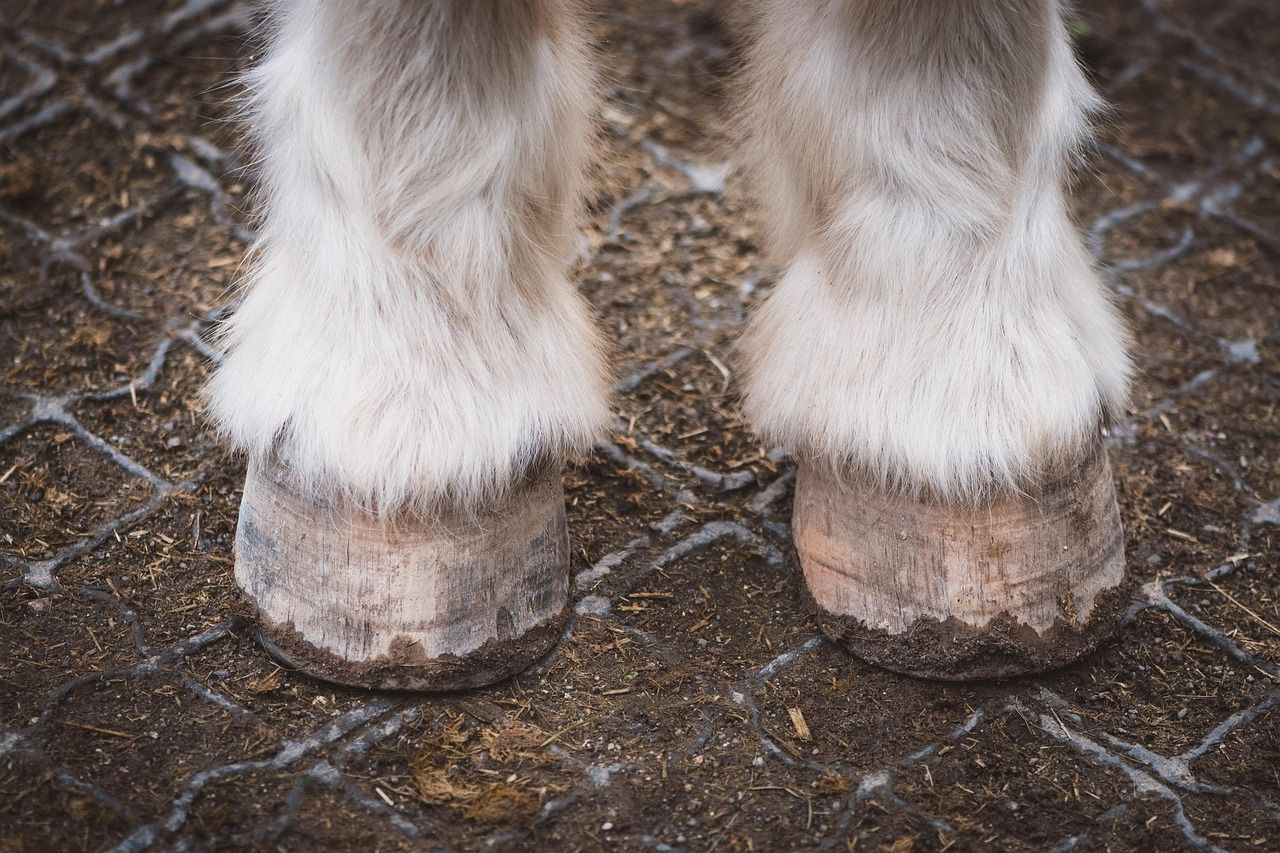
Mud fever, also known as pastern dermatitis, is a skin condition caused by a combination of damp, muddy conditions and the presence of bacteria, most notably Dermatophilus congolensis. The constant wetness softens the skin on the lower legs, allowing bacteria to enter and cause infection. Horses with white legs or heavy feathering are often more susceptible, but it can affect any breed.
Recognising the Signs
The condition usually begins with small scabs or sores on the horse’s lower legs, often around the fetlock and pastern. As it progresses, the skin can become sore, inflamed, and cracked, sometimes oozing with discharge. In more severe cases, swelling of the leg (known as cellulitis) may occur, which can be very painful and require veterinary intervention. Horses may become sensitive to touch, lame, or reluctant to move freely.
Treatment Options
If mud fever does appear, careful treatment is essential. The first step is to gently clean the affected area with an antibacterial wash and carefully remove loose scabs without forcing them. Once clean, the leg should be thoroughly dried, as moisture will only make the condition worse. Topical creams or ointments designed to soothe the skin and fight infection can then be applied. In more serious cases, a vet may prescribe antibiotics or anti-inflammatory medication. Above all, the horse should be kept in a dry environment to aid recovery.
Preventing Mud Fever
As with many equine conditions, prevention is far easier than cure. The key is to reduce the amount of time horses spend standing in wet, muddy conditions. Regularly rotating turnout paddocks, using hardcore or rubber matting around gateways, and keeping stables clean and dry all help to minimise risk. Applying barrier creams to the legs before turnout can offer protection against moisture, though it’s important to ensure legs are clean before applying so bacteria isn’t trapped against the skin. Some owners also choose to lightly clip the feathers on horses’ legs to make cleaning and drying easier, although this is a matter of personal preference and management style.
Supporting Good Skin Health
Alongside good field management, supporting a horse’s overall health is another important step in prevention. A balanced diet, free from excess sugar and starch, helps maintain strong skin and immune function. Regular grooming and leg checks mean problems can be spotted early before they worsen. After exercise or turnout in wet conditions, legs should be rinsed with clean water, dried thoroughly, and left without boots or wraps where possible to allow the skin to breathe.
Why Vigilance Matters
Mud fever may begin as a minor irritation, but if left untreated, it can quickly escalate into a painful condition that requires significant rest and treatment. For working or competition horses, this can mean lost training time; for all horses, it can mean unnecessary discomfort. By staying vigilant and practising preventative care, owners can keep their horses sound and comfortable throughout the wettest months.
A Seasonal Challenge
While mud fever is most common in autumn and winter, it serves as a reminder of the close link between horses and their environment. Horses thrive when owners take the time to manage their surroundings and provide thoughtful care. With preparation, preventative measures, and prompt treatment where needed, mud fever need not spoil the season—allowing horse and rider to enjoy the countryside whatever the weather brings.
Read more: