Five Things to Do on a Country Walk with Children

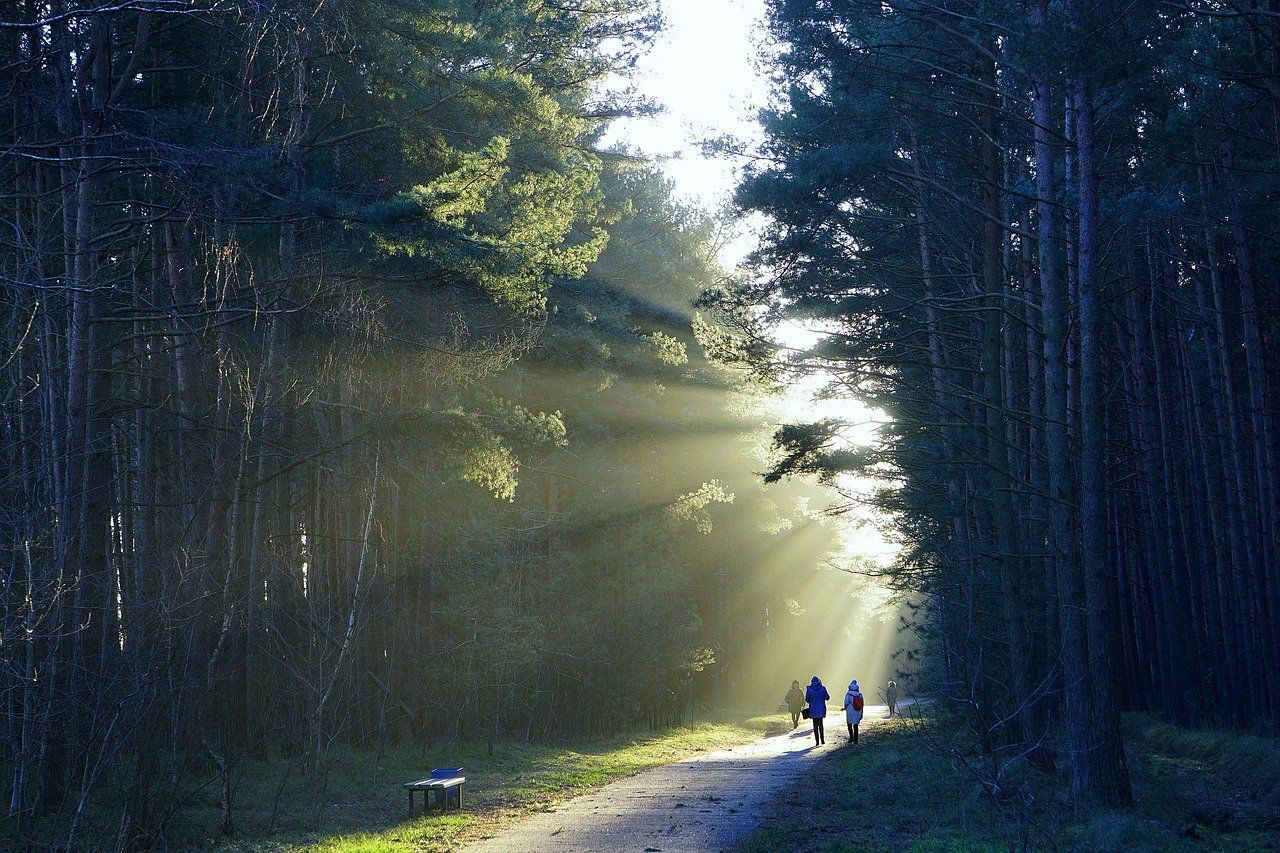
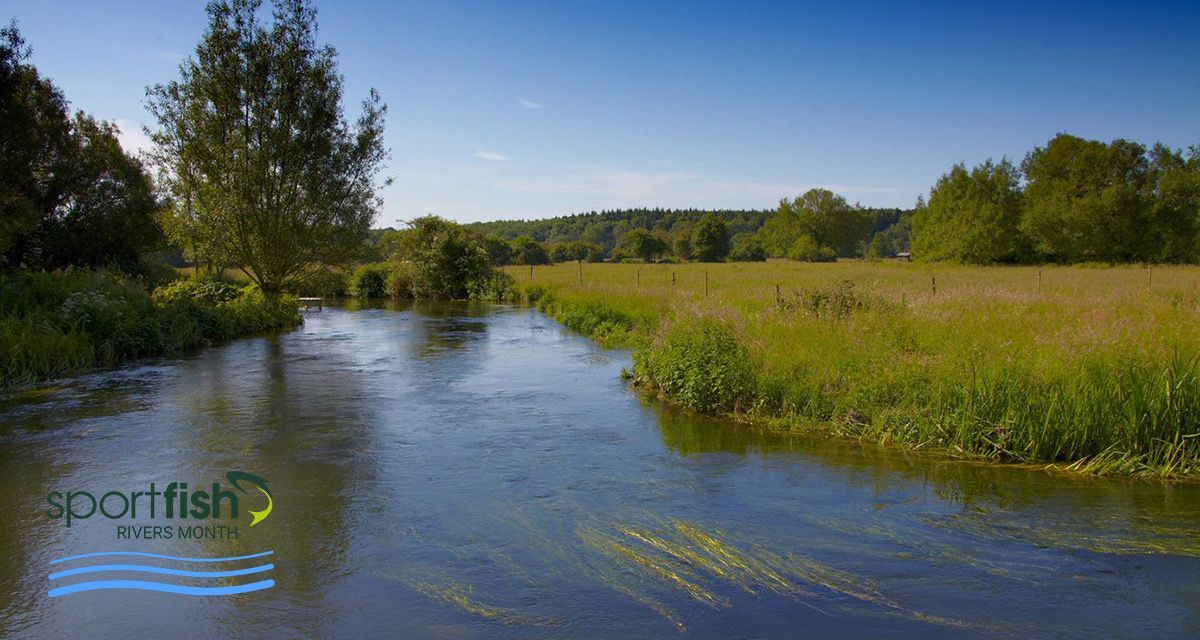
A country walk with children can be one of the simplest pleasures of family life. It does not need to be a grand expedition or a long hike across difficult ground. Sometimes the best walks are the slowest ones: a gentle wander along a footpath, through a wood, across a meadow, around a village lane or beside a stream.
Children see the countryside differently from adults. While grown-ups may be focused on reaching the next gate or following the map, children notice the little things: a feather on the ground, a ladybird on a leaf, a funny-shaped cloud, a muddy puddle, or a bird calling from a hedge. With a few simple ideas, an ordinary walk can become a small adventure filled with discovery, imagination and fun. Here are five easy activities to try on your next UK country walk.
1.Nature Bingo
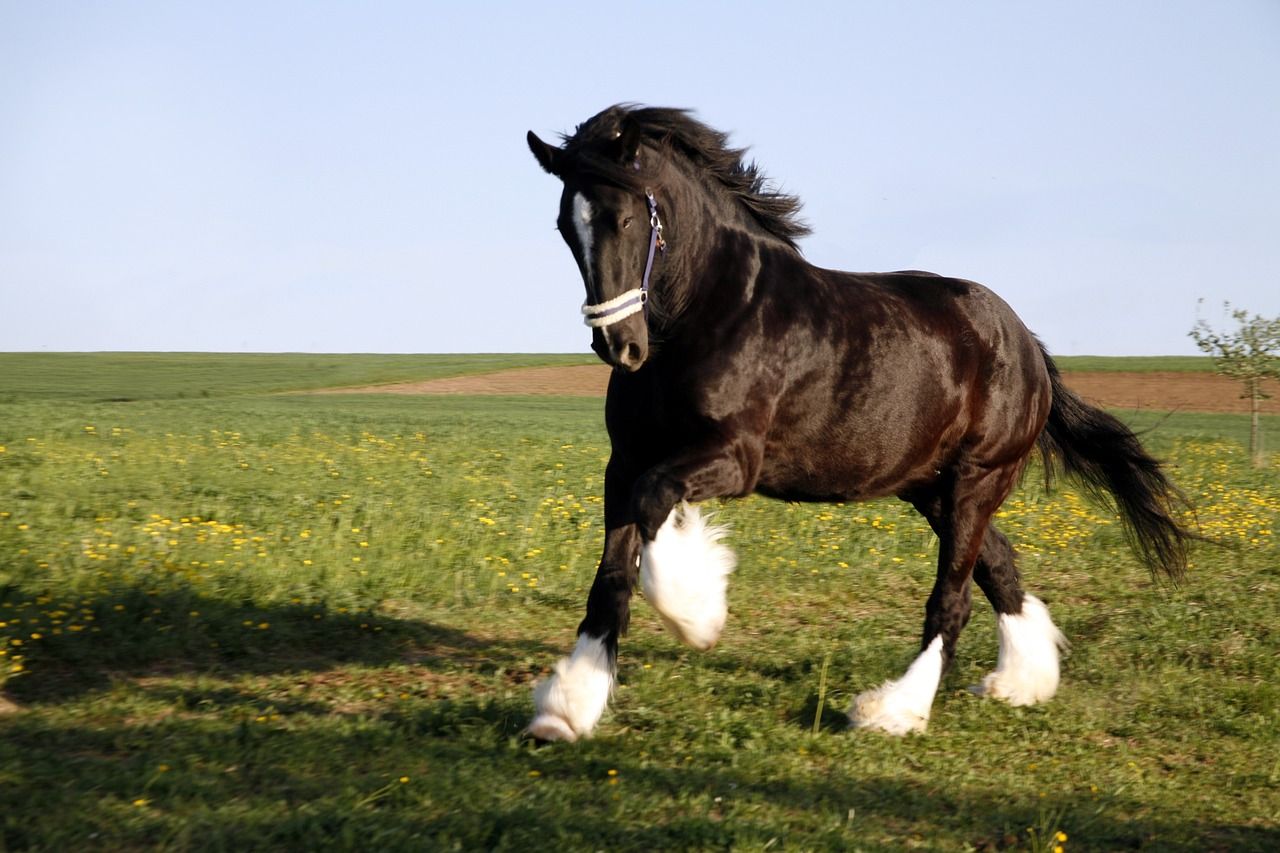
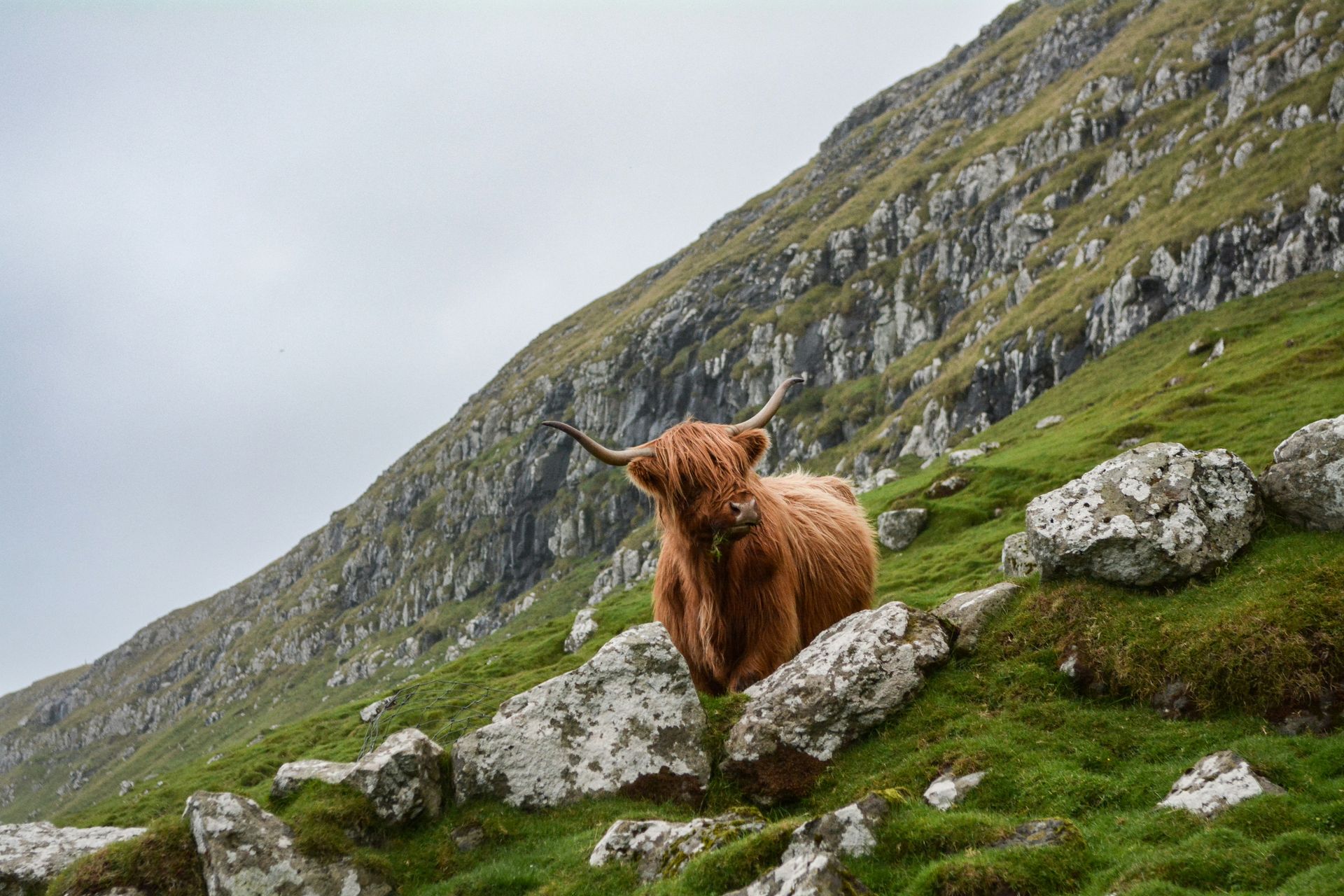
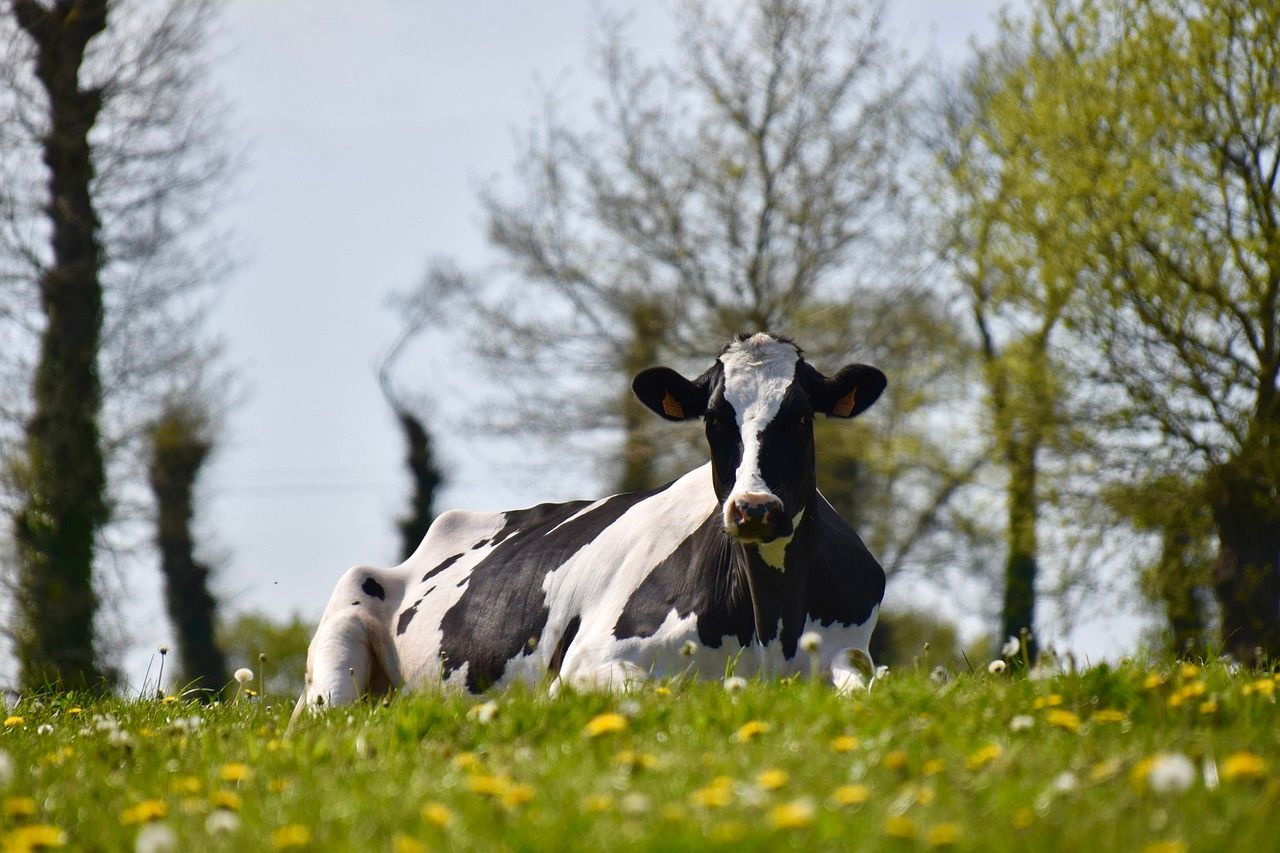
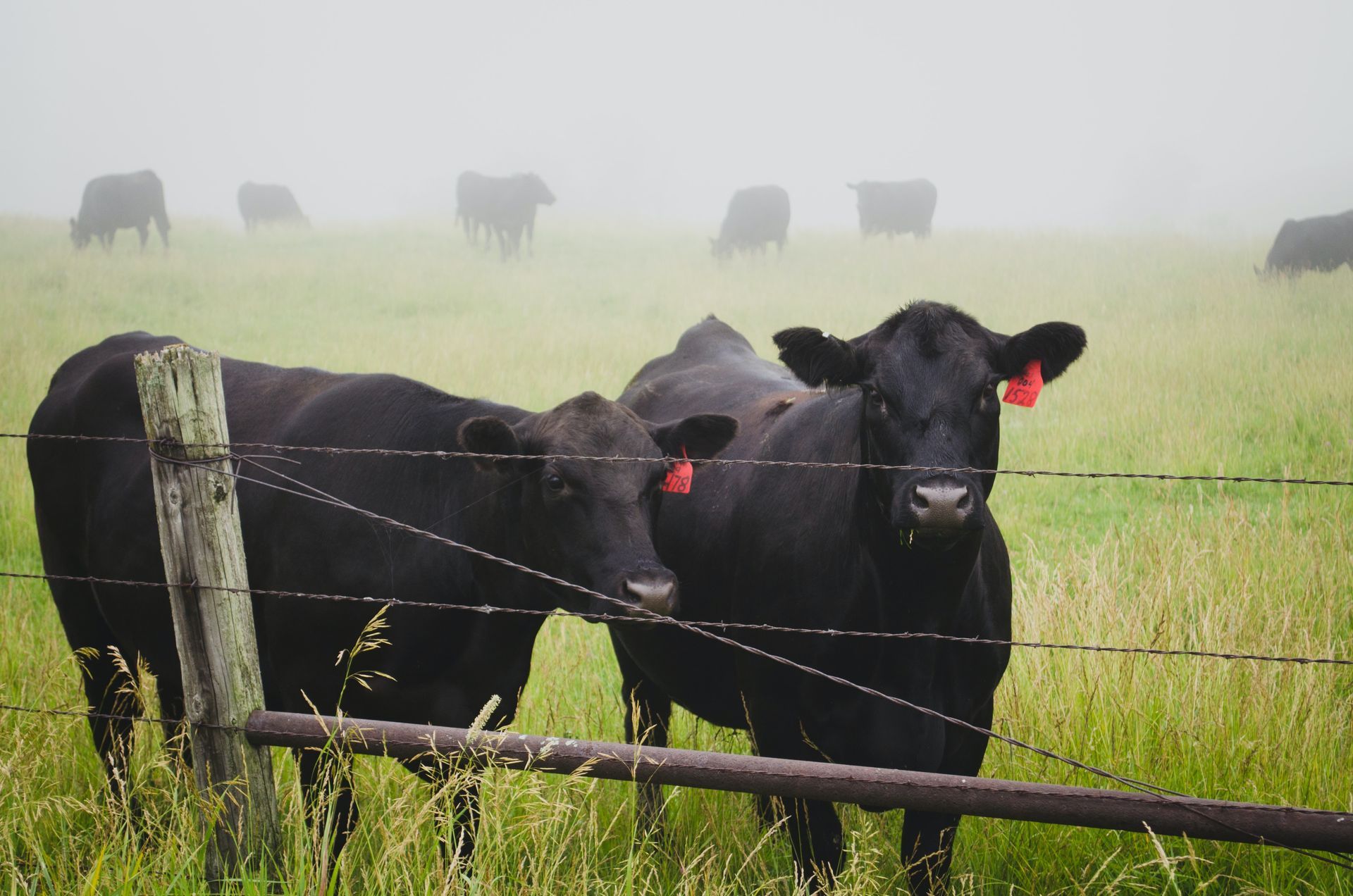
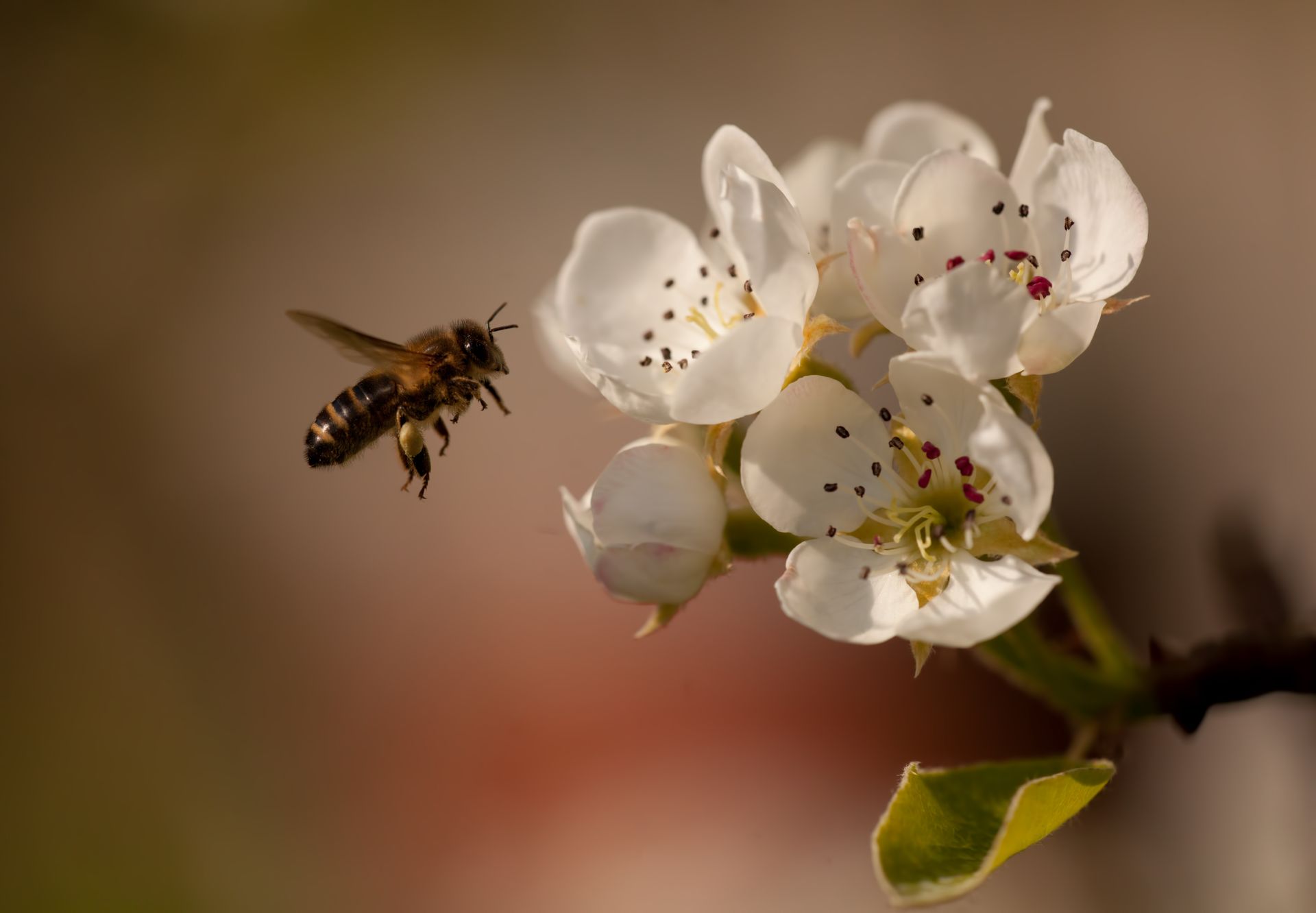
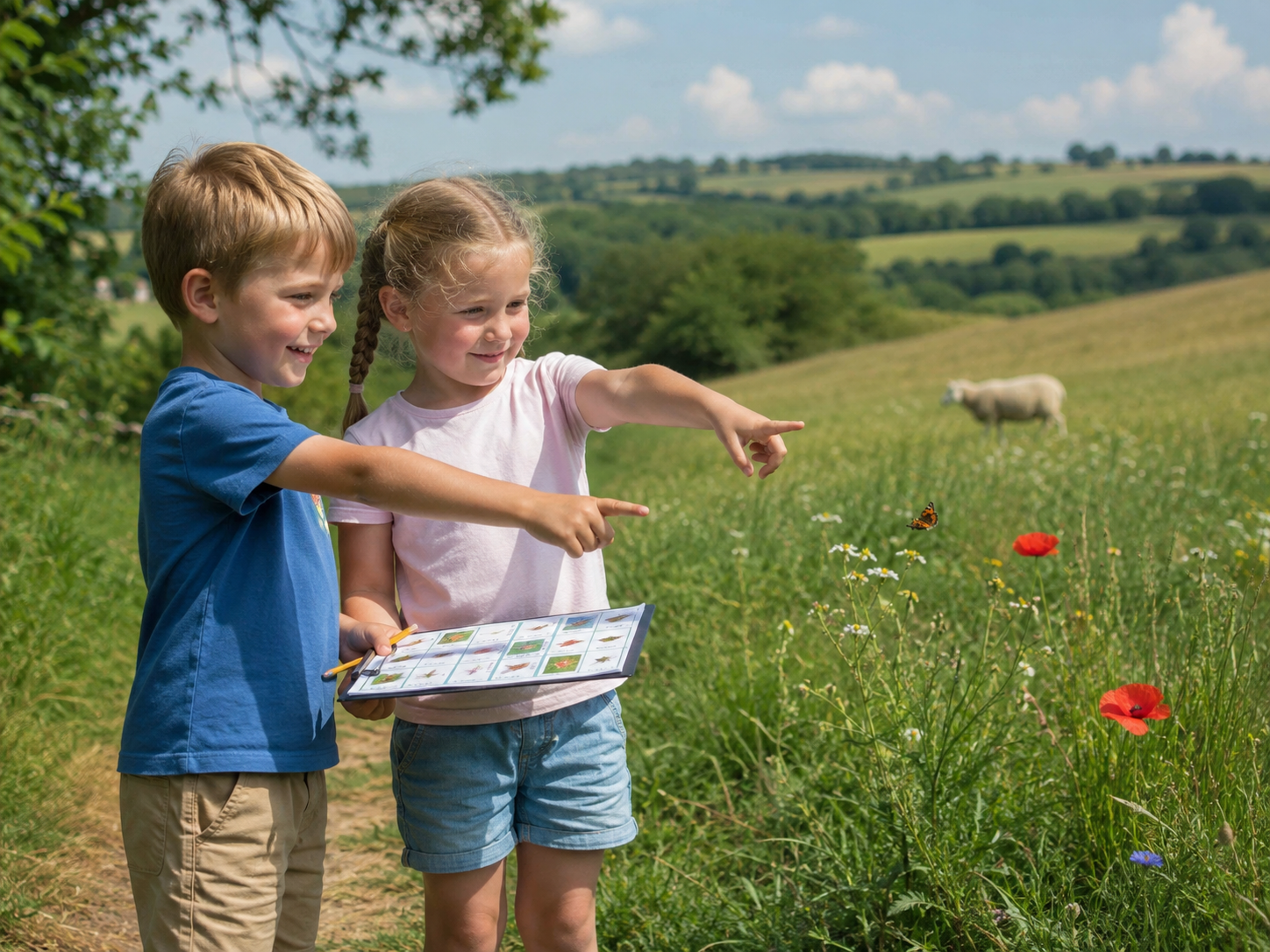
Nature bingo is a brilliant way to keep children engaged while walking. Before you leave home, make a simple bingo card with things they might spot along the way. You can draw pictures for younger children or write words for older ones. Good things to include are: a feather, a sheep, a cow, a red flower, a yellow flower, a butterfly, a bird, a muddy puddle, a gate, a tractor, a horse, a stream, a mushroom, a pine cone, a spider’s web, a stone wall, a bee, a squirrel, a fallen leaf, and a footpath sign. As children spot each item, they can tick it off. The first person to complete a line wins, or the whole family can work together to complete the card before the end of the walk. This makes children look more closely at the world around them and helps turn “are we nearly there?” into “what can we find next?
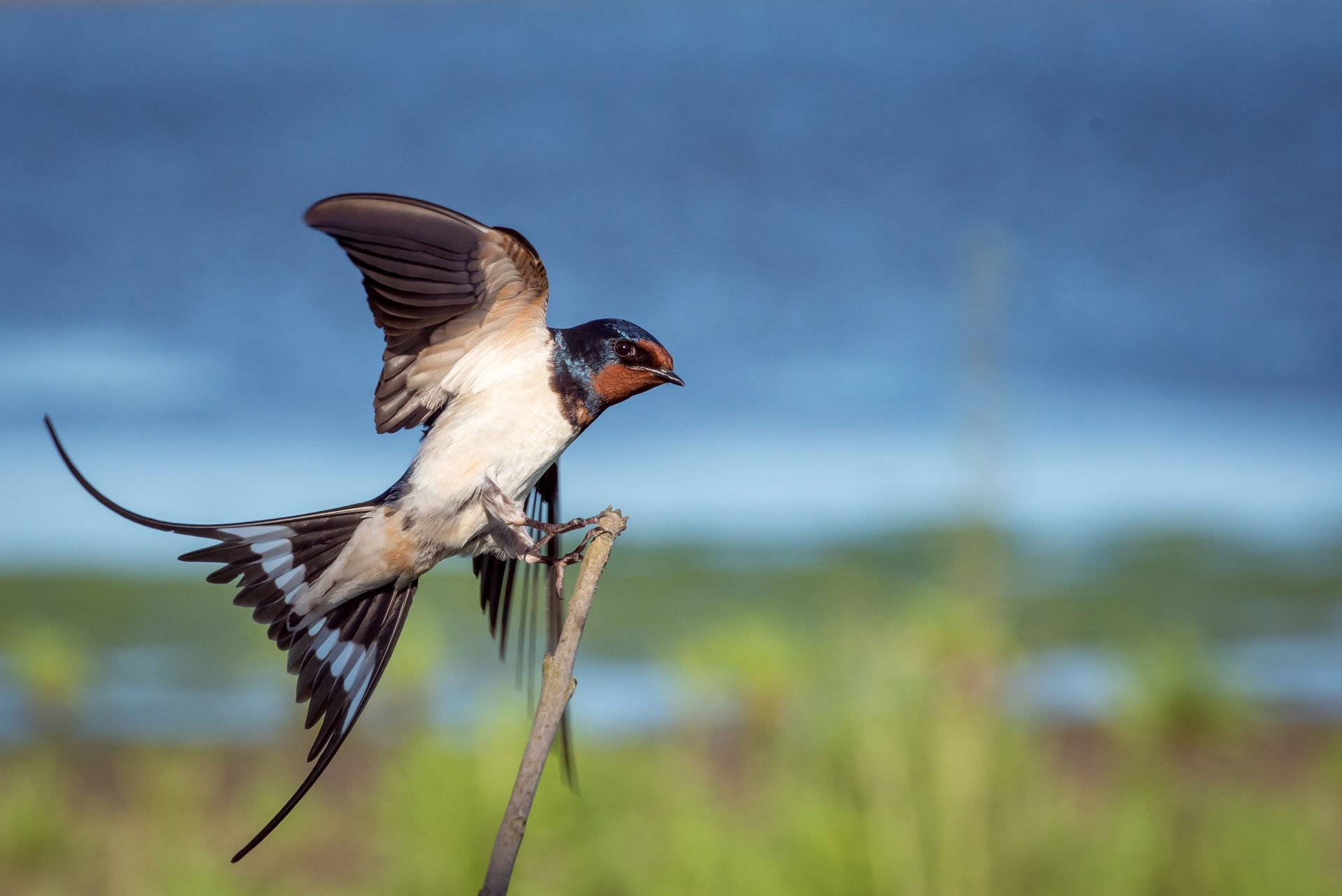
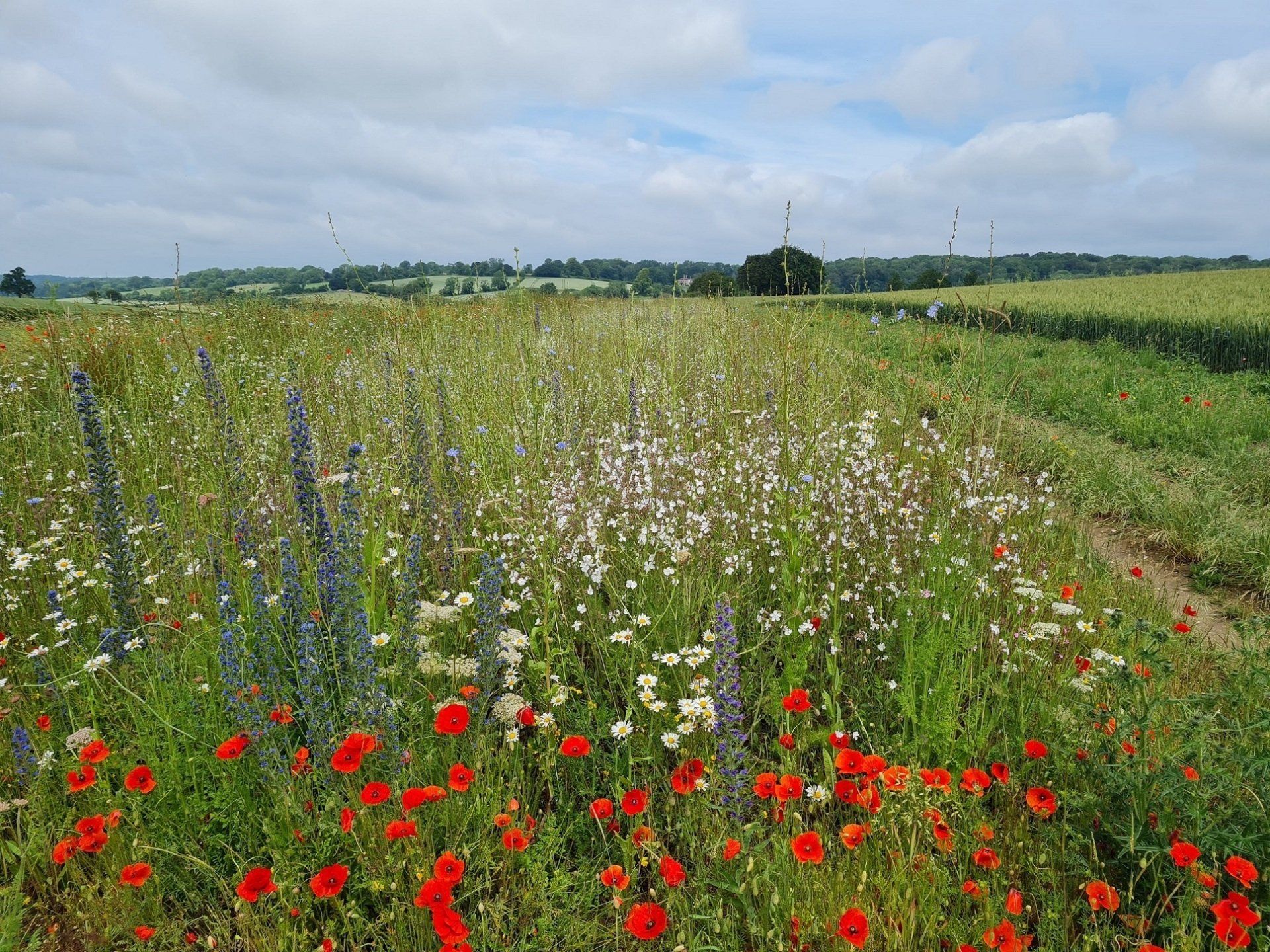
”Nature bingo can also be changed depending on the season. In spring, look for lambs, blossom, frogspawn and bluebells. In summer, search for butterflies, bees, wildflowers and swallows. In autumn, add conkers, acorns, colourful leaves and fungi. In winter, look for frost, animal tracks, holly berries and bare tree shapes. The golden rule is to look, not take. Some things, such as feathers or fallen leaves, can be collected if it is allowed and safe to do so, but flowers, fungi and wildlife should be left where they are. This is a gentle way to teach children that the countryside is full of living things that need respect.

2.Cloud Spotting
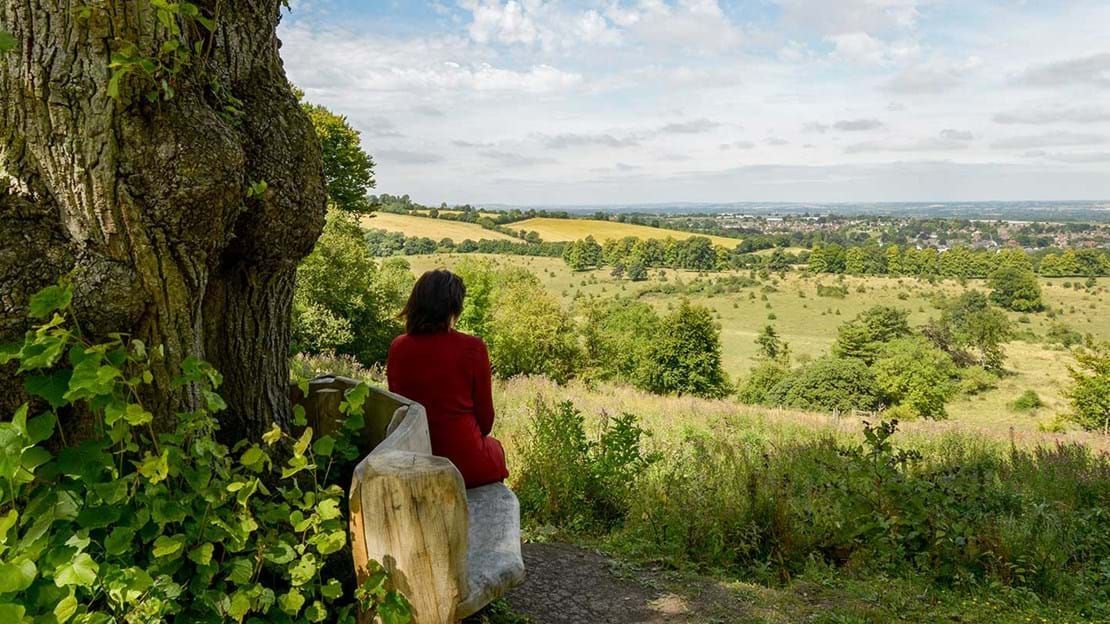
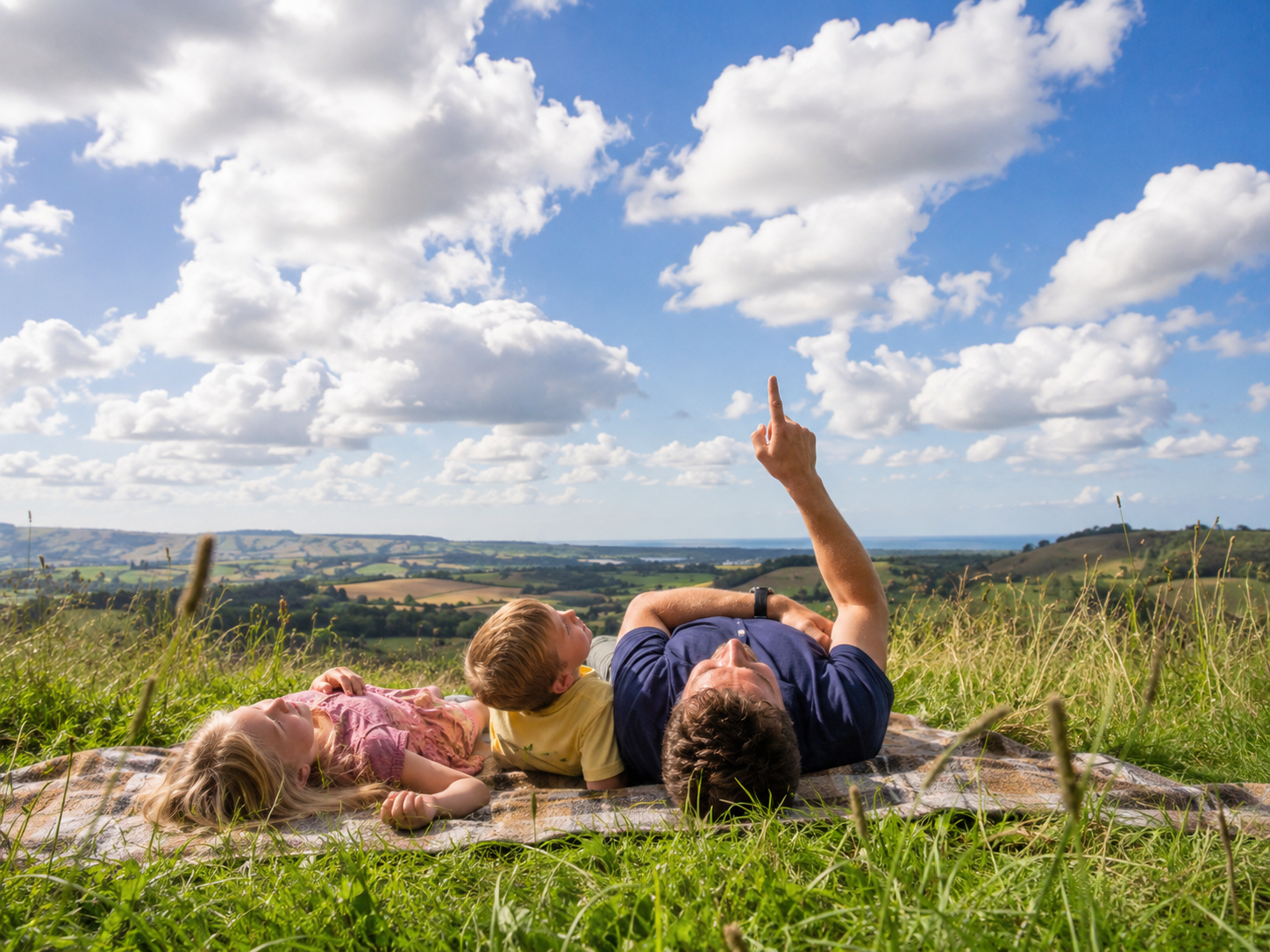
Cloud spotting is perfect for a rest stop, especially if little legs are getting tired. Find a safe place to sit, perhaps on a picnic blanket, a dry patch of grass or a bench with a view, and look up.
Ask children what shapes they can see. Is that cloud a dragon? A sheep? A ship? A giant rabbit? Clouds are wonderful for imagination because they are always changing. A shape that looks like a dog one moment may become a whale a few minutes later.
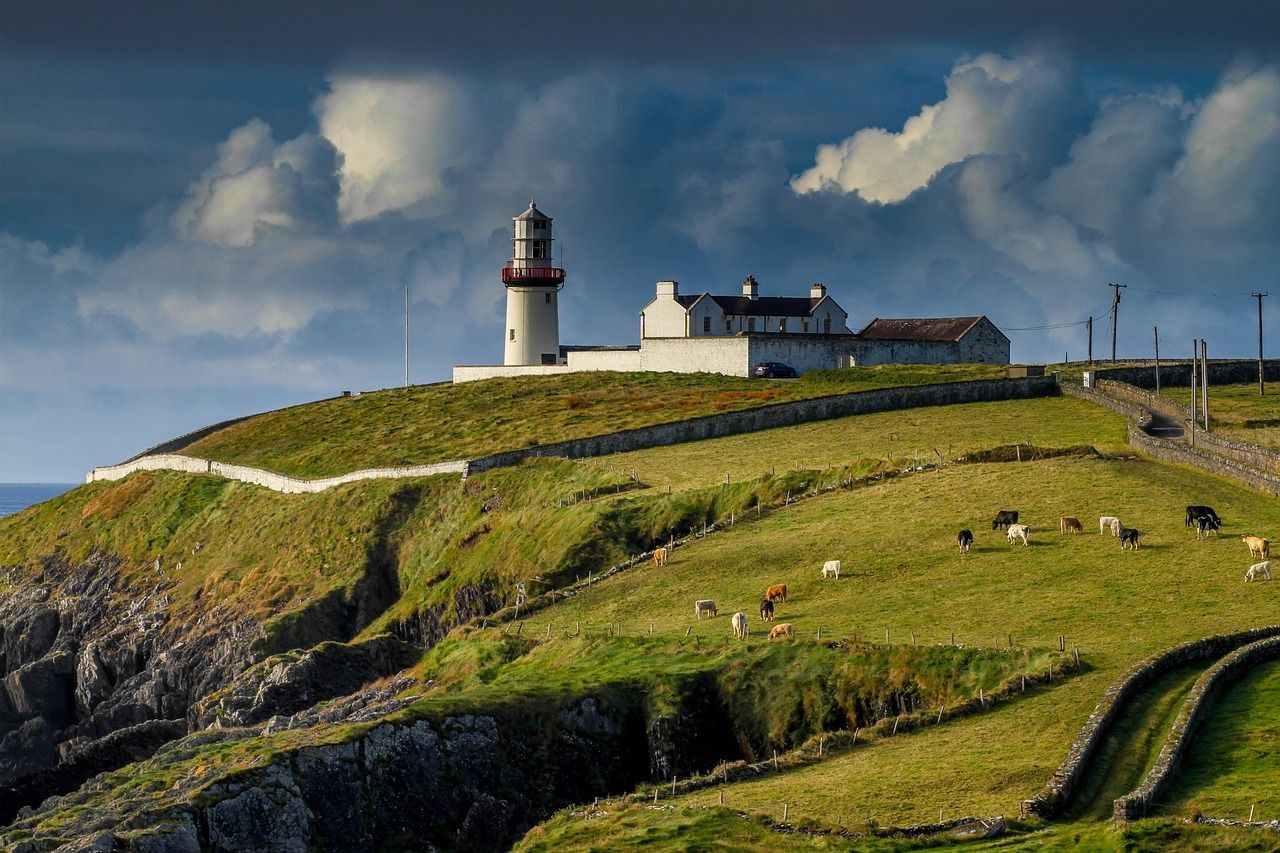
Cloud spotting can also introduce children to the weather. Fluffy white clouds on a blue sky often feel cheerful and summery. Dark, heavy clouds may mean rain is on the way. Long streaky clouds can look like brushstrokes across the sky. You do not need to turn it into a science lesson, but children often enjoy learning that clouds can give clues about what the weather may do next. In the UK, where the weather can change quickly, cloud watching is especially useful. It encourages children to notice wind direction, light, temperature and the movement of the sky. It also helps them slow down. Not every countryside activity needs to involve running, collecting or searching. Sometimes the loveliest thing to do is lie back and watch the sky drift by.
You can make it even more fun by creating a cloud story. Choose one cloud as the main character and imagine where it is going. Perhaps the cloud dragon is flying over the hills to guard a castle. Perhaps the cloud ship is sailing towards the sea. This leads naturally into storytelling, another wonderful walking activity.
3.Leaf Collecting
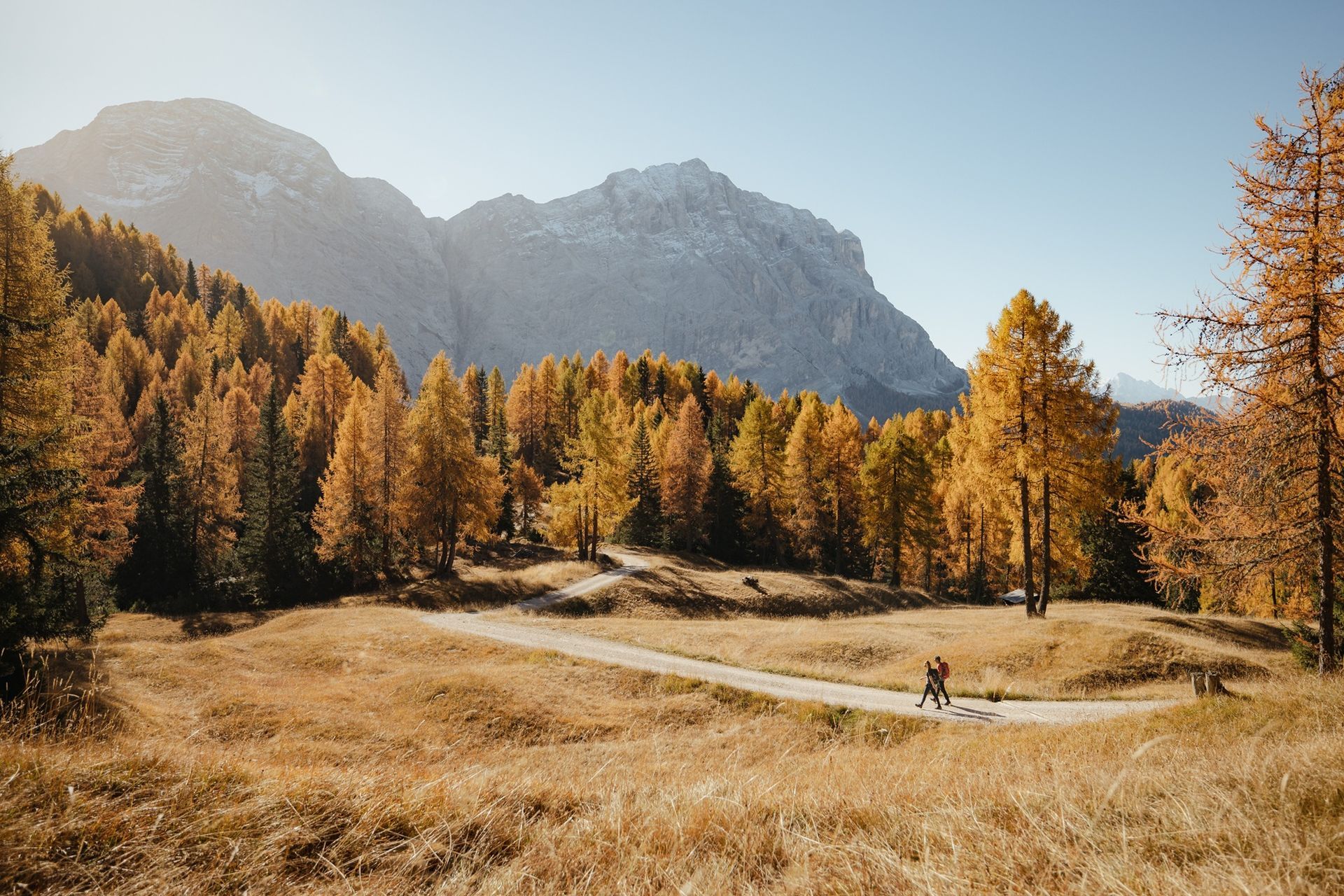
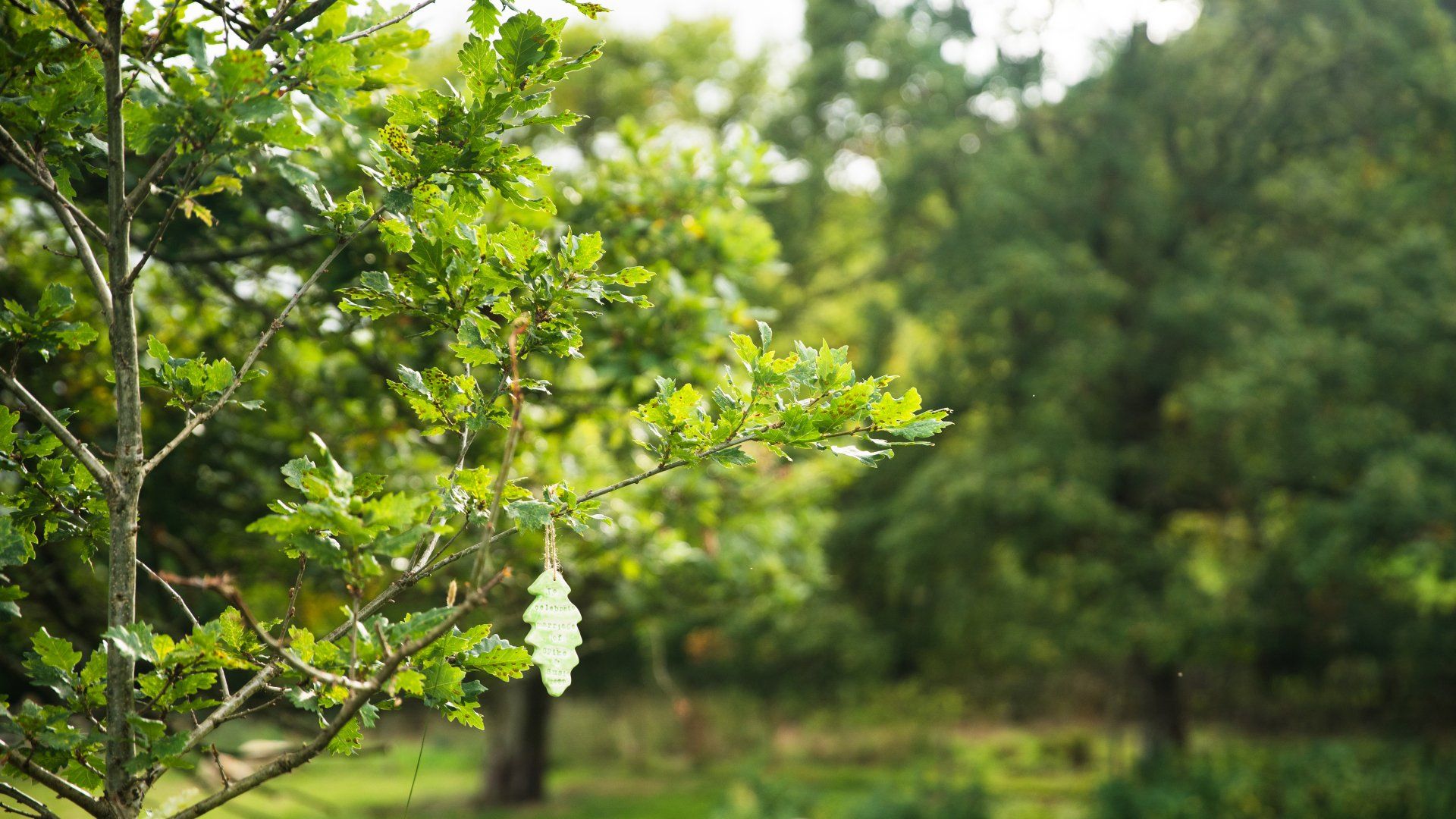
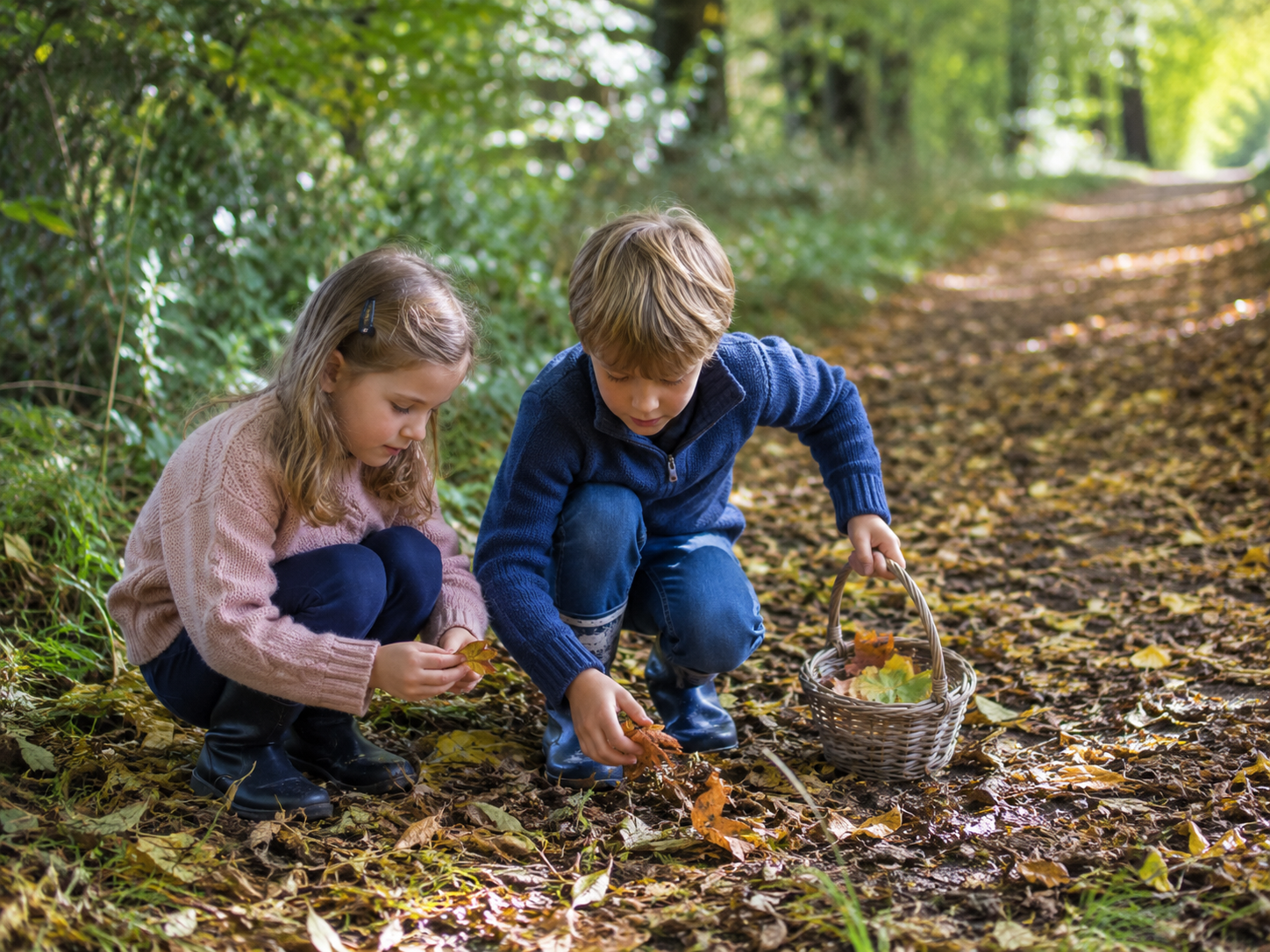
Leaf collecting is a classic countryside activity, and it is especially good in late summer and autumn when trees begin to change colour. But leaves can be interesting all year round. In spring, they are fresh and bright. In summer, they are full and green. In autumn, they turn gold, red, copper and brown. Children can collect fallen leaves from the ground and compare their shapes. Oak leaves have rounded lobes, ash leaves grow in pairs along a stem, beech leaves are smooth and oval, and horse chestnut leaves look like a hand with fingers. Even if children do not remember the names, they can learn to notice differences.
A simple challenge is to find five different leaf shapes, or five different shades of green. Older children may enjoy matching leaves to trees using a pocket guide or a nature app when back at home. Younger children can sort leaves by size, colour or texture.
Collected leaves can be used for crafts after the walk. Press them between sheets of paper inside a heavy book, make leaf rubbings with crayons, create a nature collage, or stick them into a countryside scrapbook. This extends the walk beyond the day itself and gives children something to remember it by. It is important to collect only fallen leaves and avoid pulling leaves from trees or hedges. This helps children understand that even small actions matter. The countryside is for enjoying, but not for damaging.
4.Birdwatching
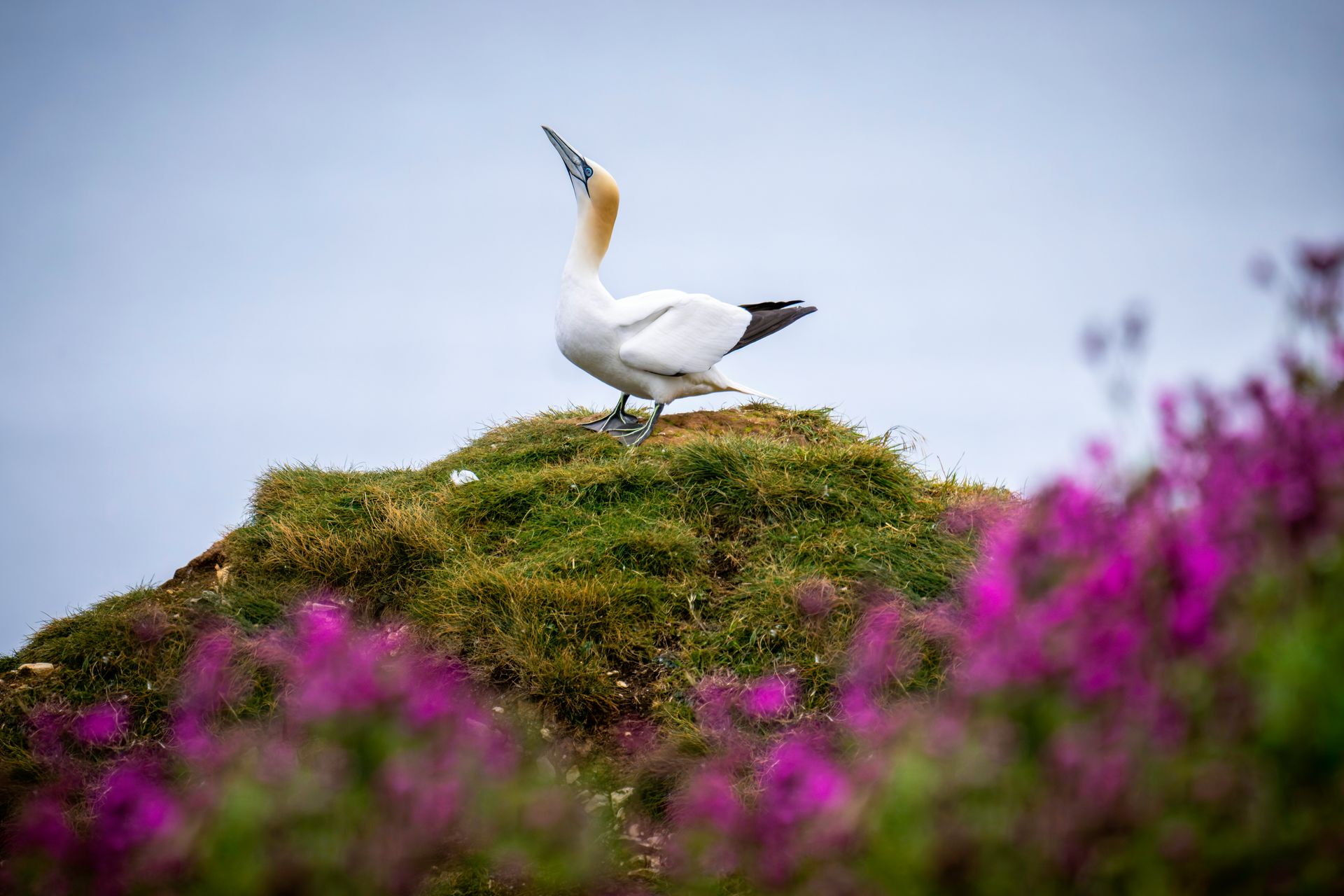
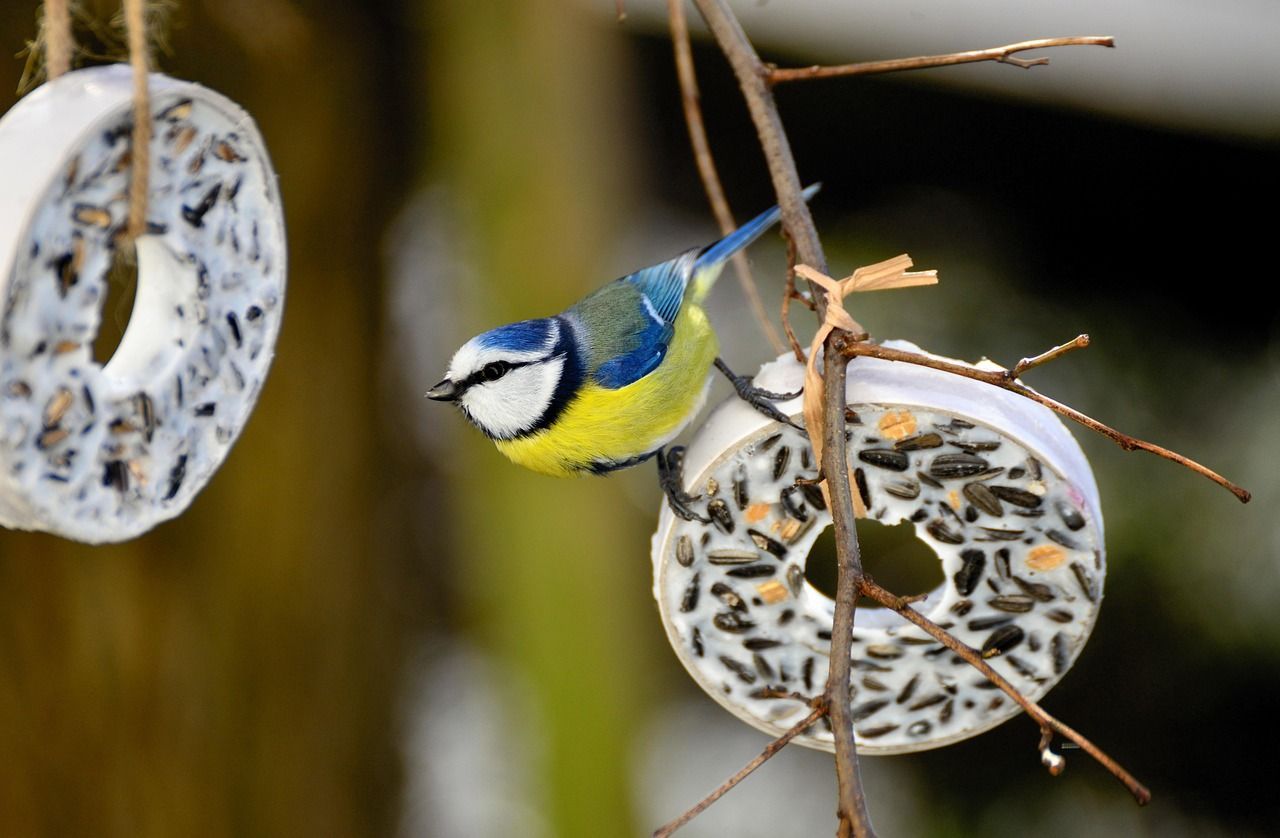
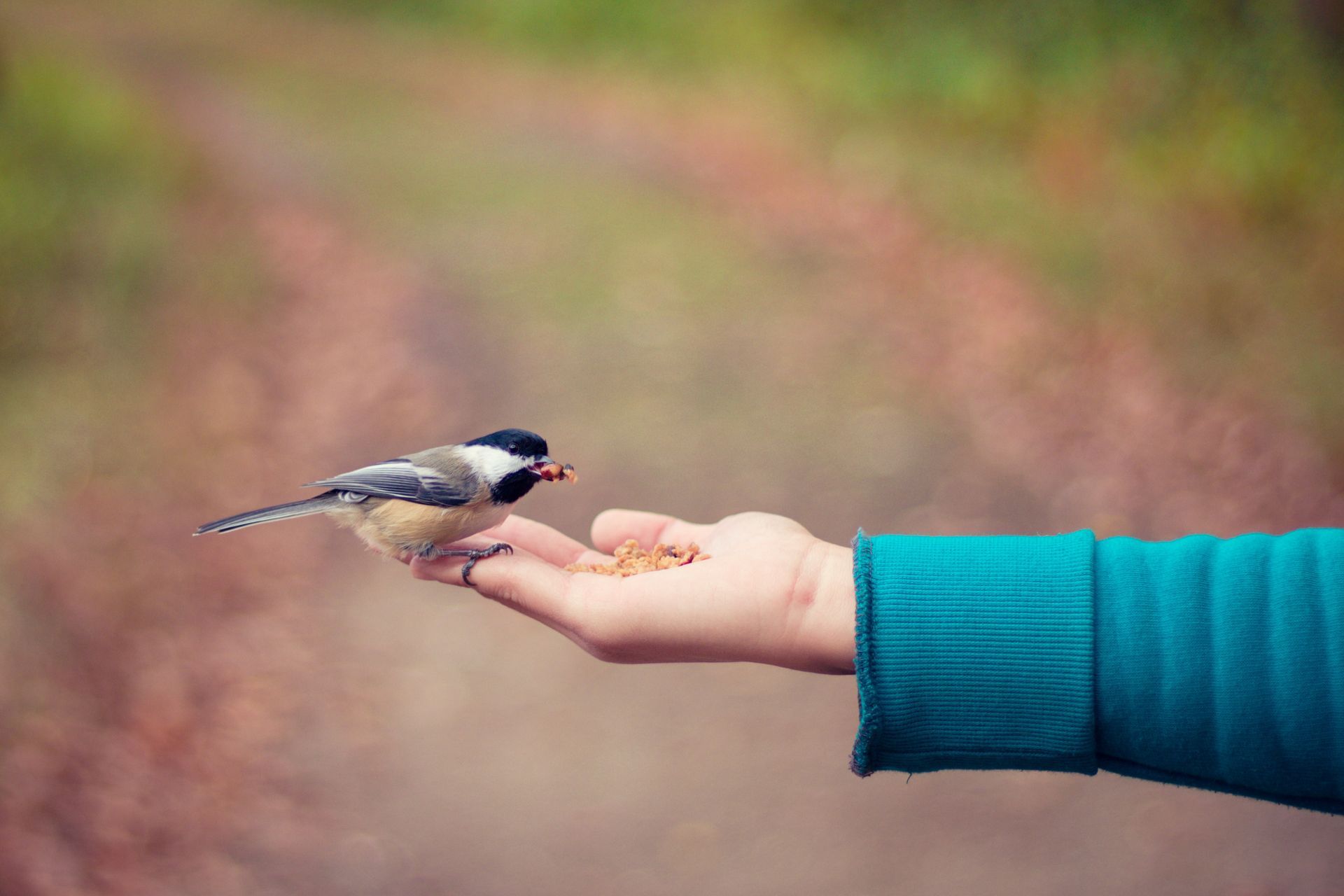
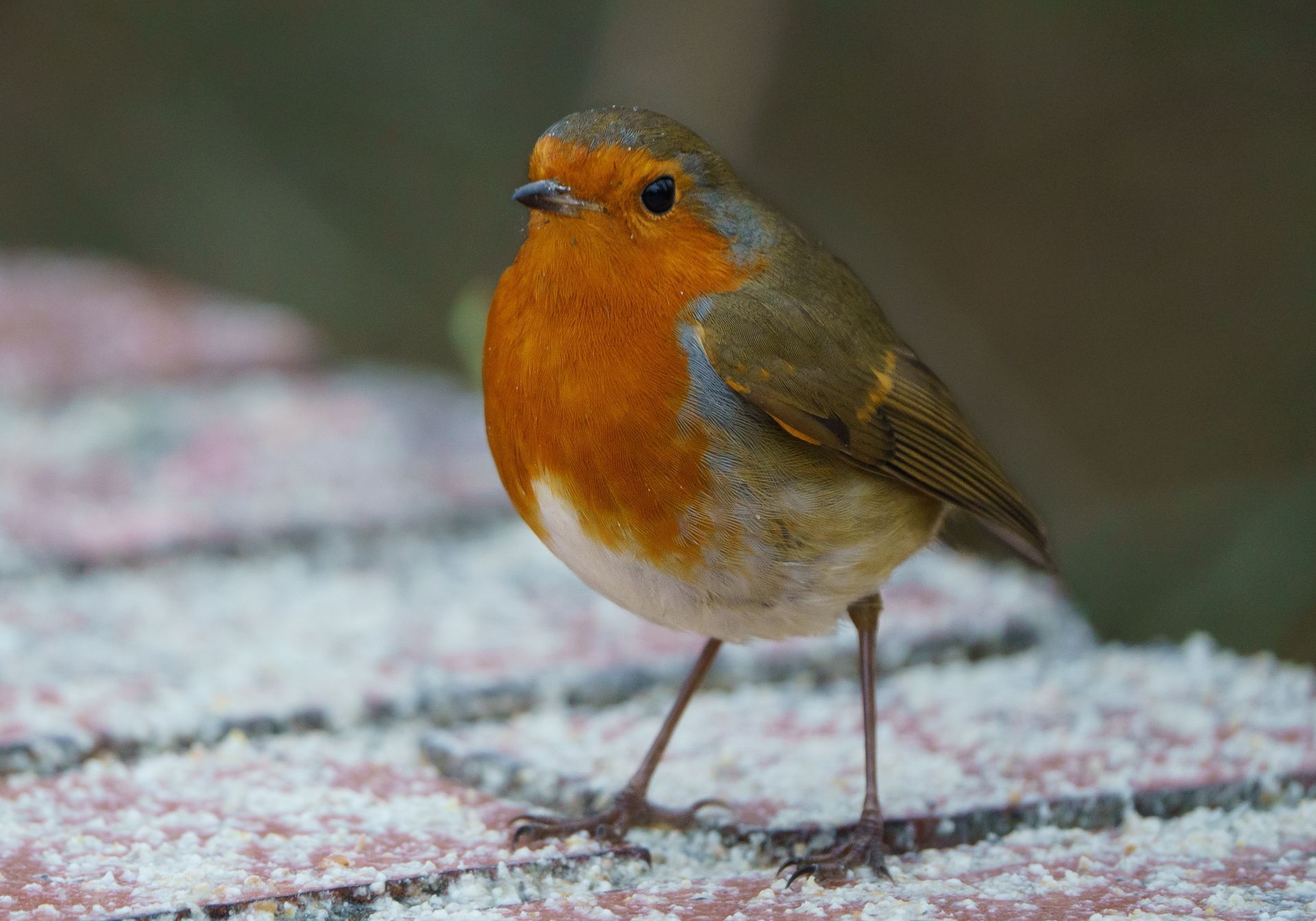
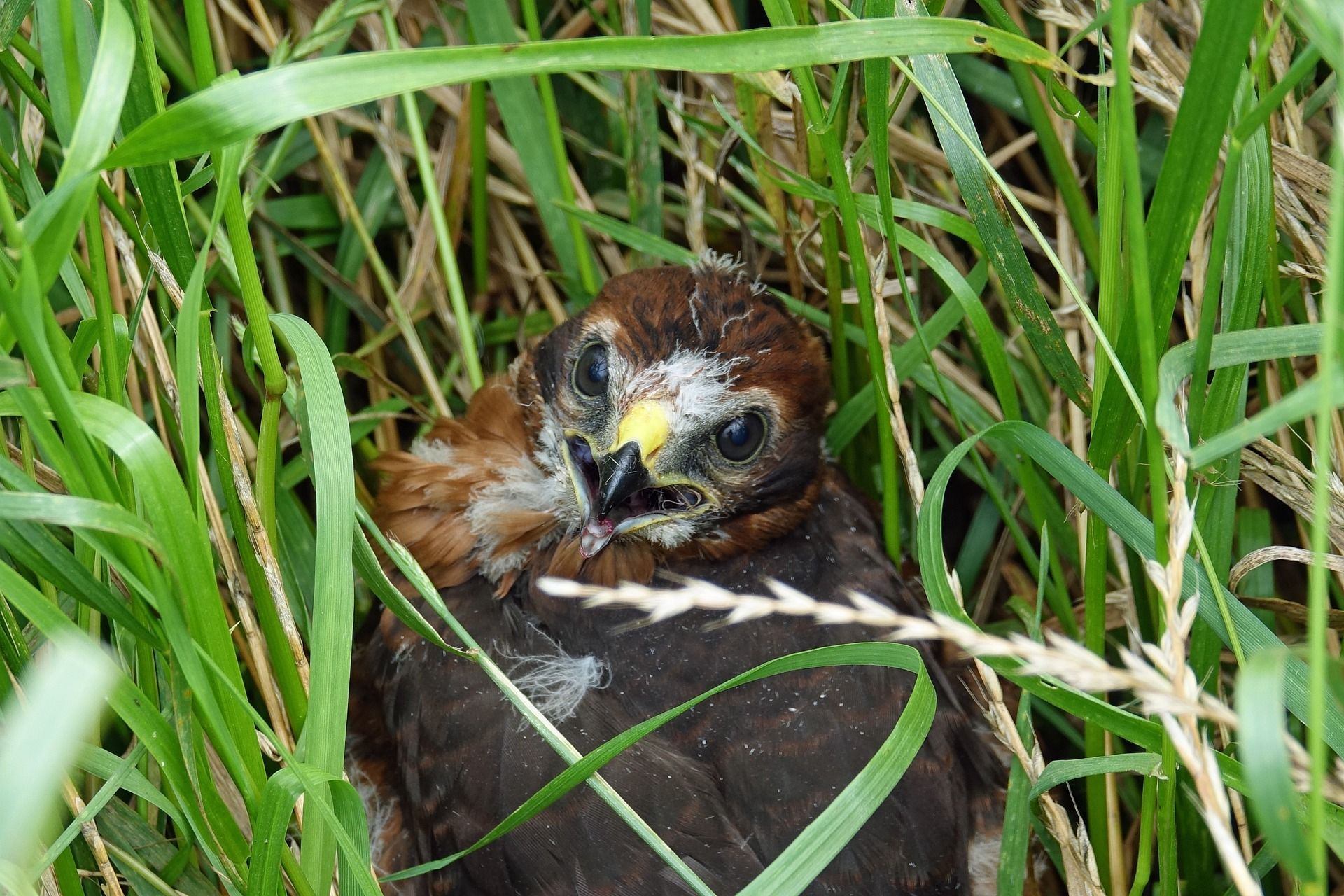
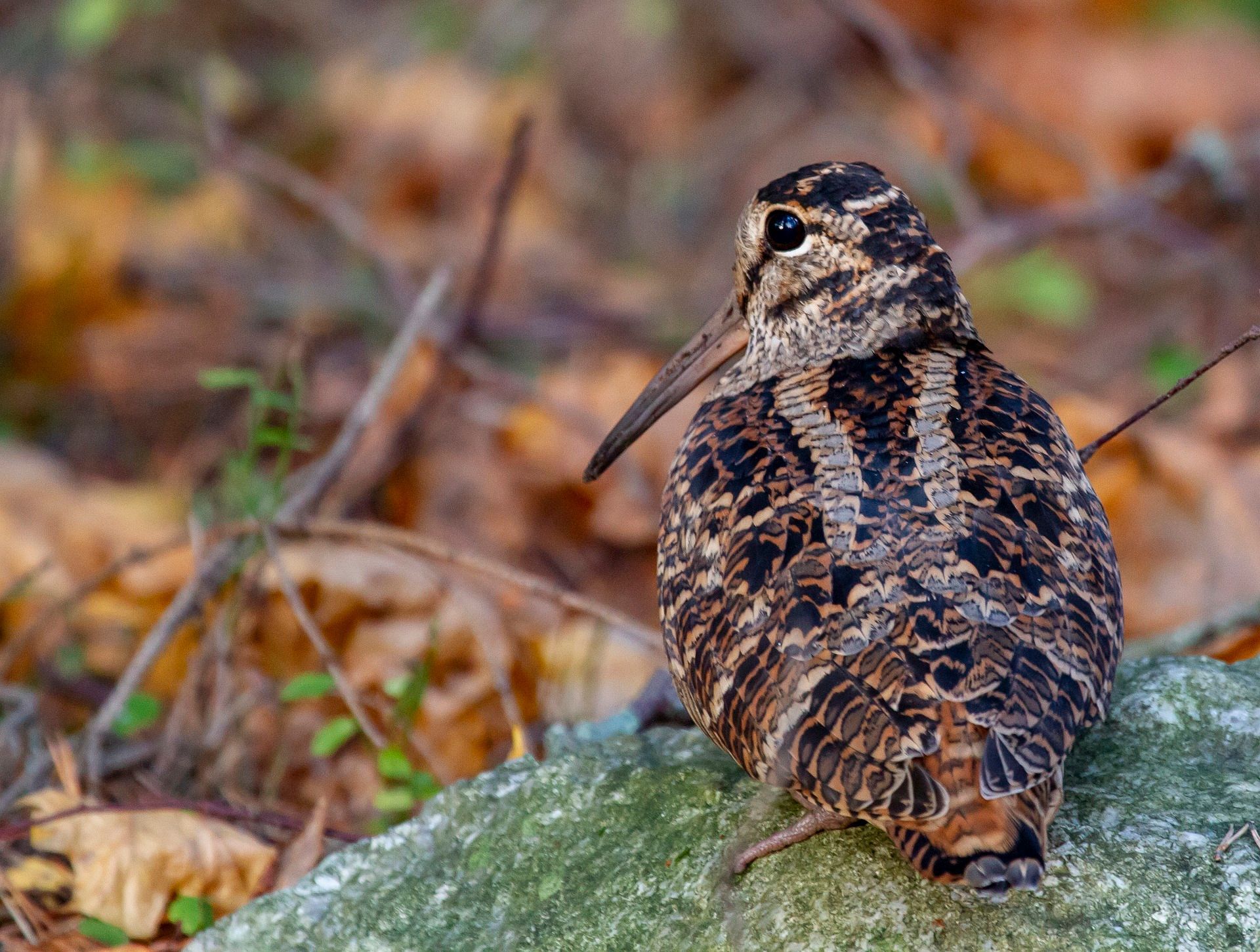
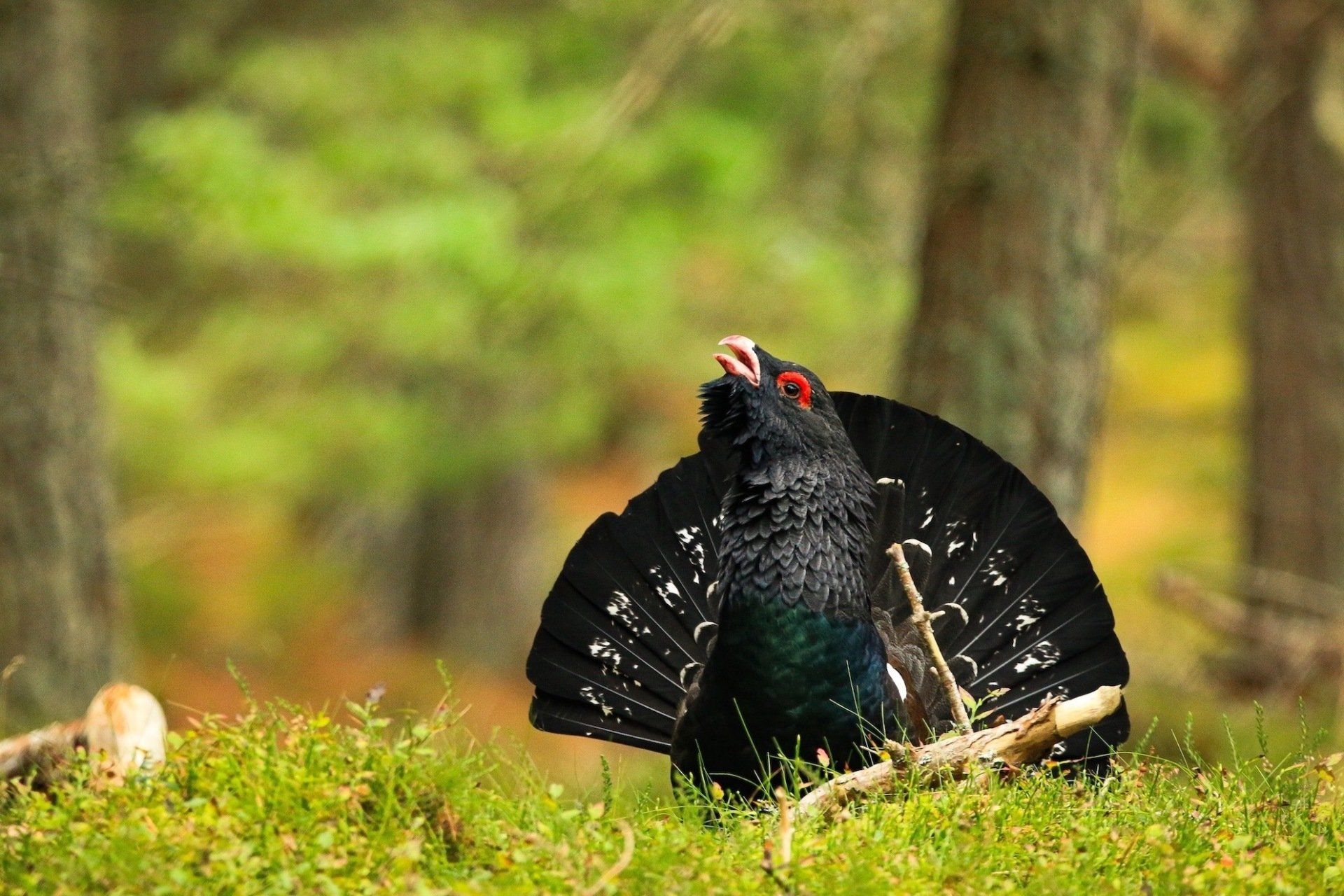
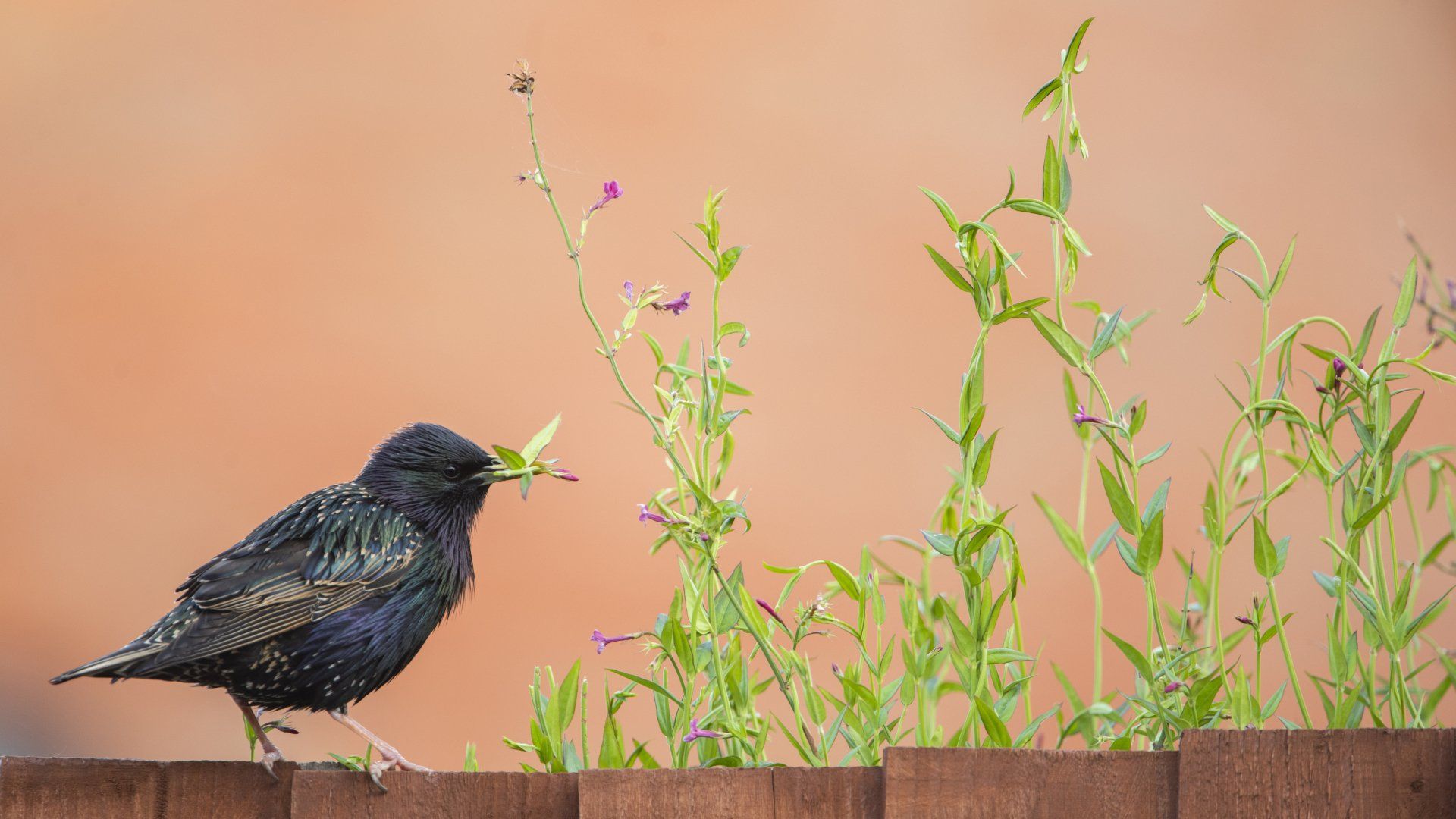
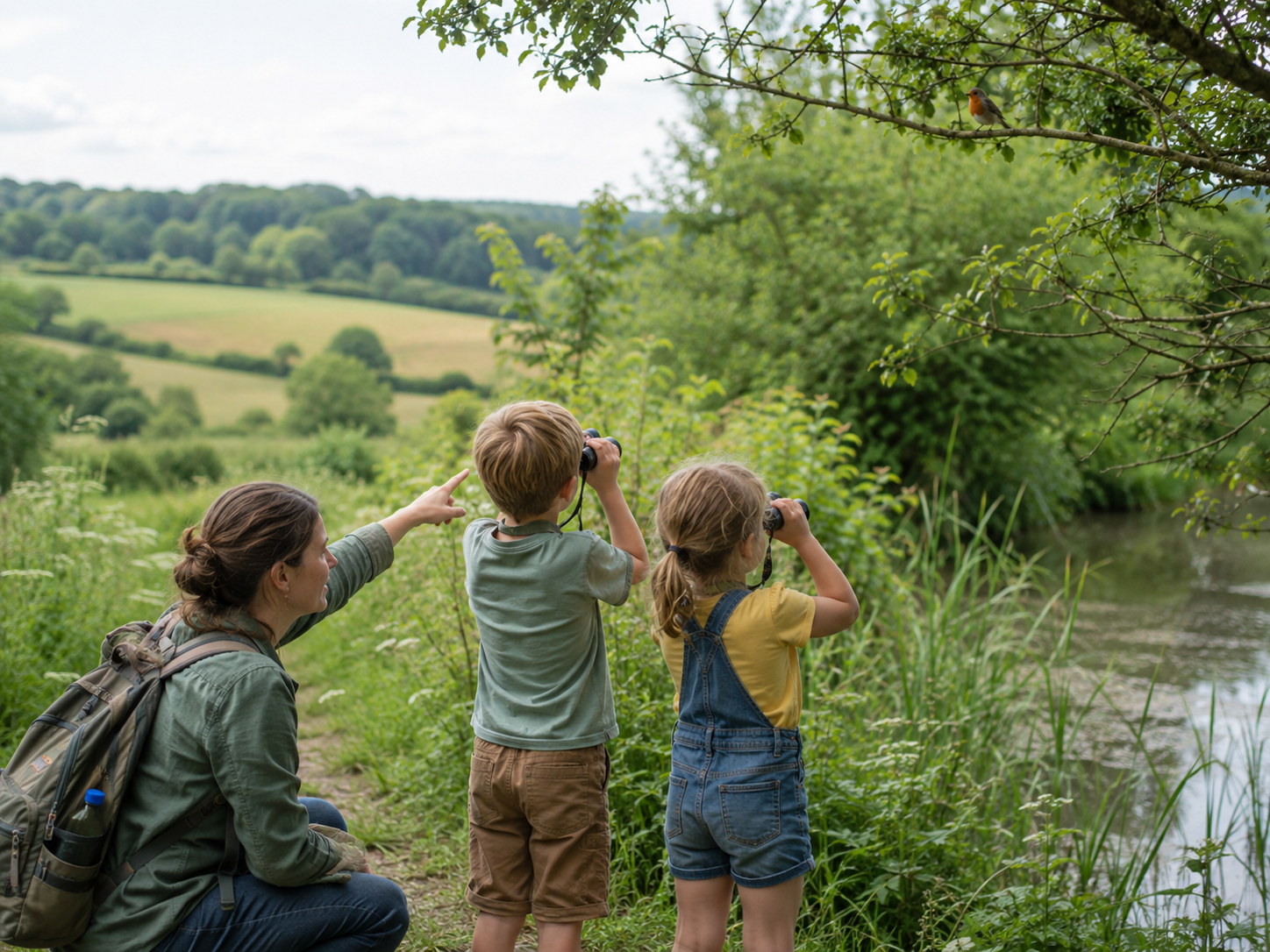
Birdwatching is one of the best activities for a country walk because birds are everywhere once you start paying attention. You do not need expensive binoculars, although a small child-friendly pair can make the activity more exciting. The most important tools are quiet feet, patient eyes and listening ears. Start with common UK birds. Children may spot robins, blackbirds, blue tits, great tits, crows, magpies, wood pigeons, sparrows, chaffinches or goldfinches. Near water, they might see ducks, moorhens, swans or herons. In fields, they may notice rooks, gulls, pheasants or birds of prey circling high above.
Encourage children to listen as well as look. Can they hear a bird singing from a hedge? A wood pigeon cooing from a tree? A crow calling overhead? Birdwatching becomes much more interesting when children realise the countryside has a soundtrack. A fun game is “bird detective”. Ask children to describe the bird before naming it. What colour was it? Was it big or small? Did it hop or walk? Was its beak long or short? Did it fly in a straight line or swoop? These questions help children observe properly rather than just glance. Birdwatching also teaches patience. Birds do not appear on command, and that is part of the lesson. Sometimes waiting quietly brings the best reward: a robin landing nearby, a buzzard circling above, or a flash of blue that might just be a kingfisher near a stream.
5.Build a Story Around the Walk
Every country walk can become a story. Children are natural storytellers, and the landscape gives them endless material. A twisted tree can become a wizard’s staff. A hollow in a bank might be a badger’s doorway. A line of stepping stones could be the path to a secret kingdom. A stile might mark the entrance to an enchanted field. To begin, choose a simple story idea at the start of the walk. Perhaps the family are explorers searching for signs of hidden woodland creatures. Perhaps you are following the trail of a lost fox. Perhaps each gate leads to a new chapter. Let children add details as you go.
You can use real things as story prompts: a feather, a footprint, a strange-shaped stone, a distant church tower, a patch of wildflowers, or a fallen branch. Ask questions such as: Who lives here? What happened before we arrived? Where does this path lead? What might we find around the next corner? This kind of storytelling makes walks feel magical, especially for younger children. It also encourages imagination, language and confidence. Children who might complain about “just walking” often become much happier when they are part of an adventure. At the end of the walk, children can draw a map of the journey or write down the story they created. They might even give the walk a name, such as The Butterfly Path, The Dragon Cloud Walk, or The Mystery of the Hollow Tree.
A Few Countryside Reminders
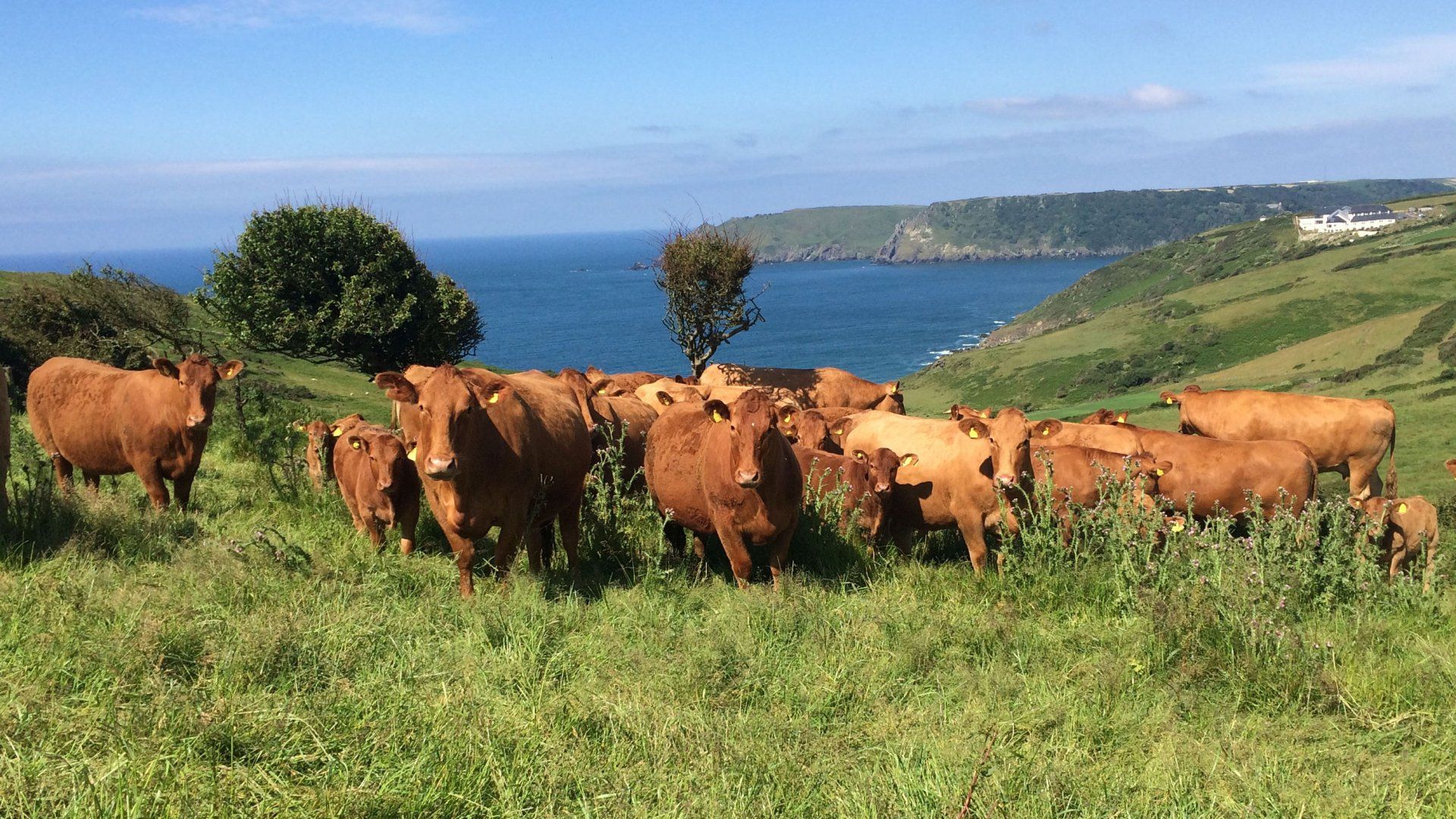
Whatever activities you choose, it is important to follow the Countryside Code. Stay on marked paths, close gates as you find them, keep dogs under control, take litter home and give livestock and wildlife plenty of space. Children can help with this too. They can be gate checkers, litter spotters and path finders.
A good family walk is not about how far you go. It is about what you notice along the way. With nature bingo, cloud spotting, leaf collecting, birdwatching and storytelling, even a short stroll can become rich with discovery.
The British countryside is full of small wonders waiting to be seen. All children need is time, encouragement and someone willing to walk at their pace.
Read more: