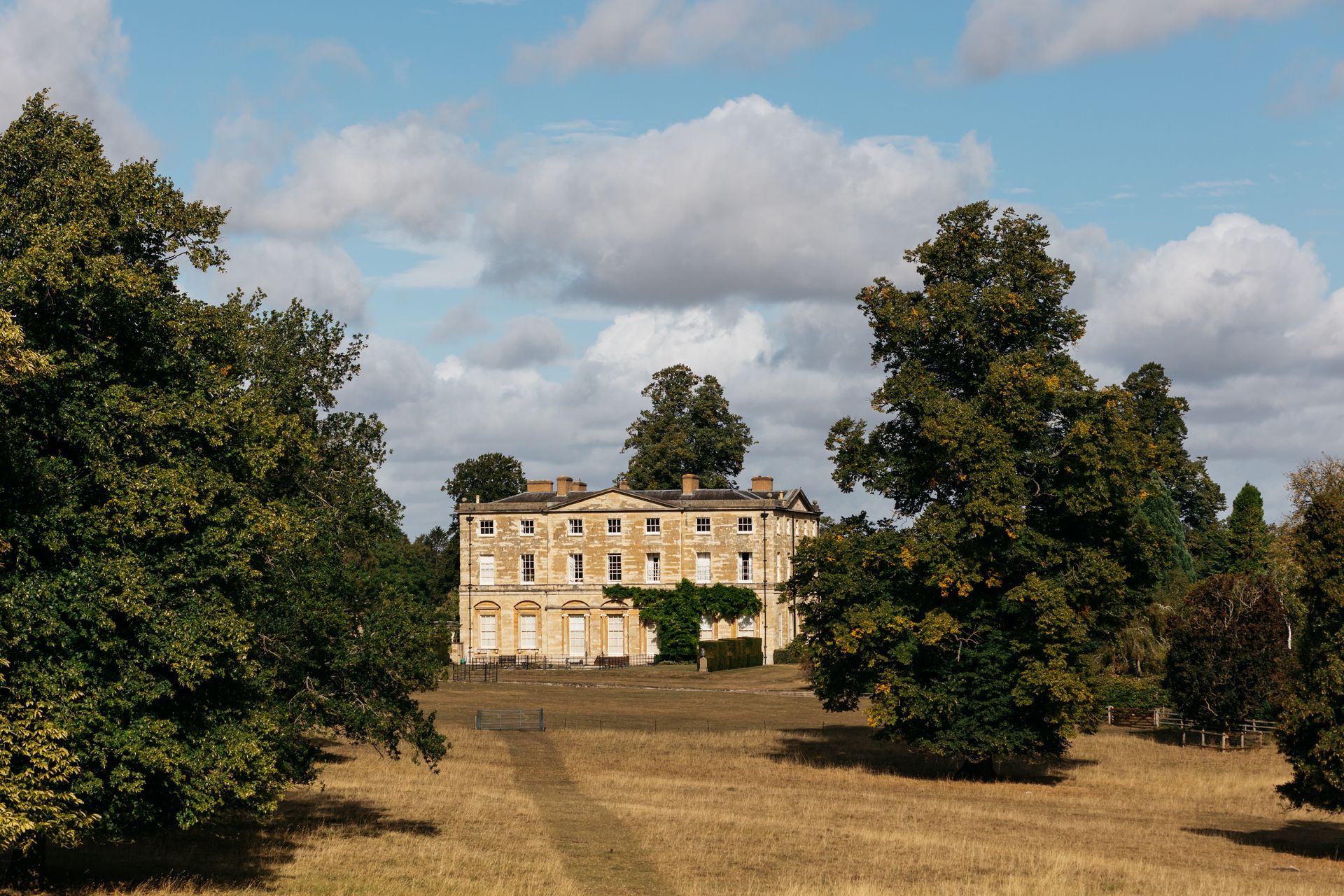
Leaving a legacy to be proud of For more than 350 years
Courteenhall Estate has been guided by the stewardship of the Wake family
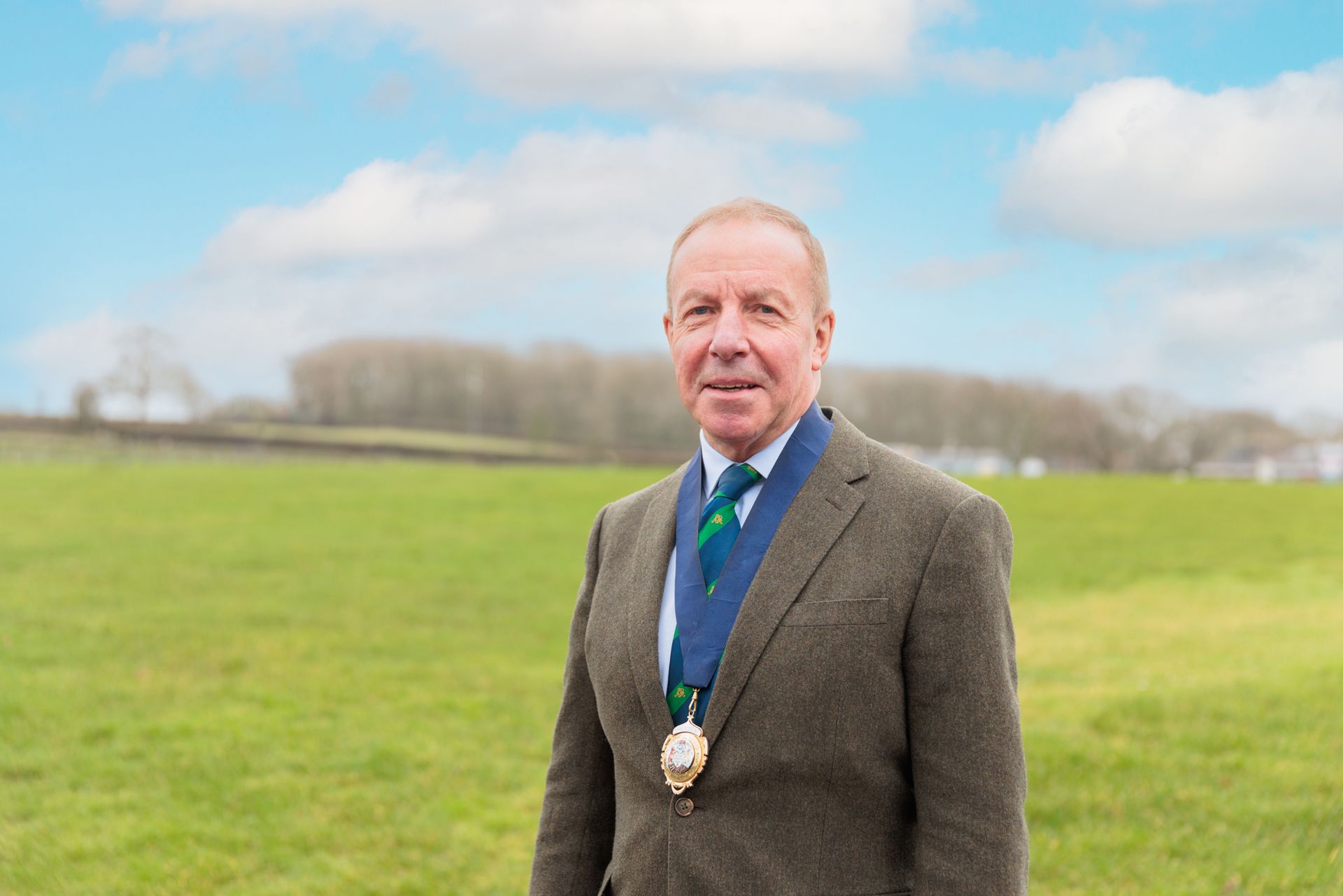
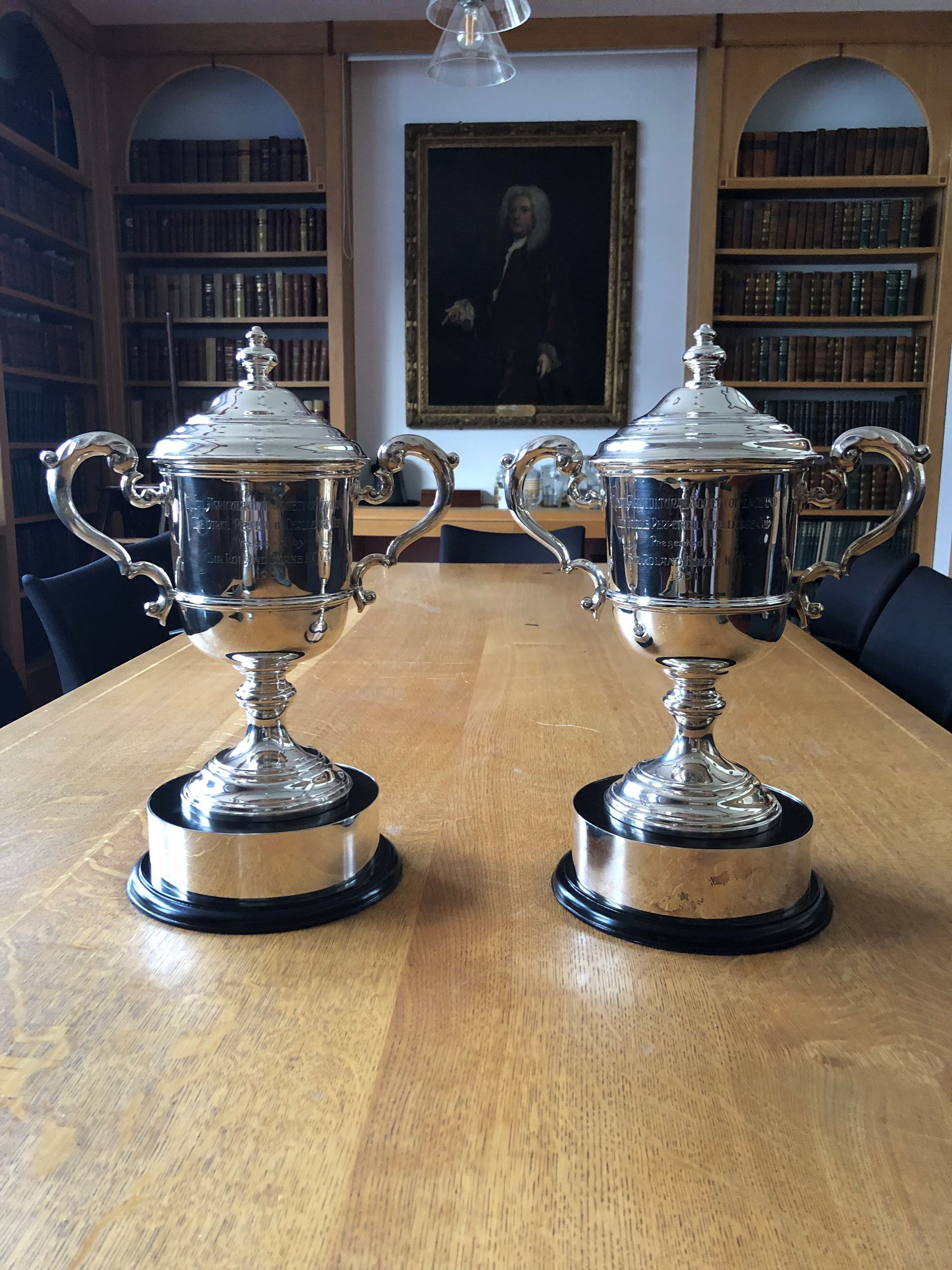
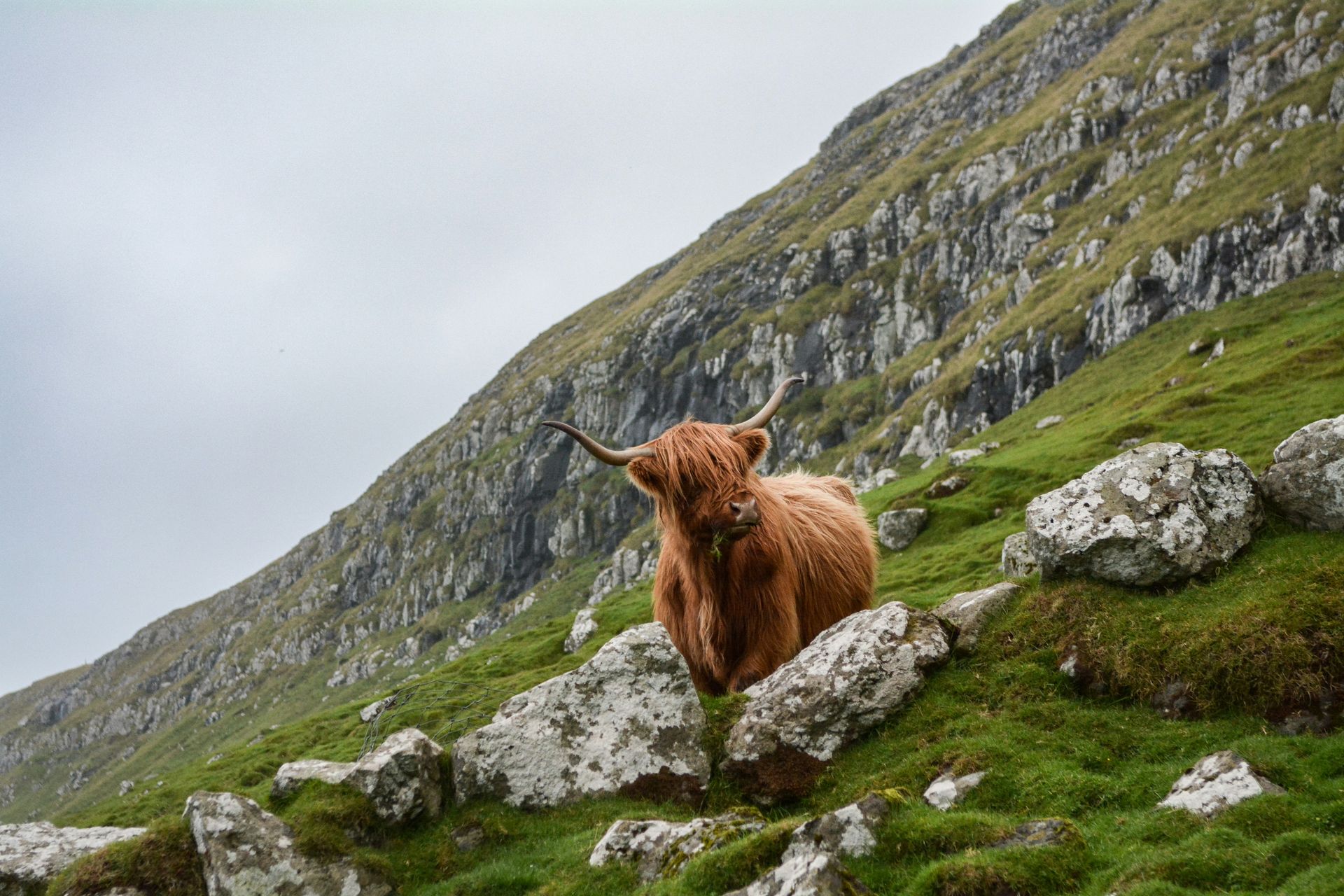
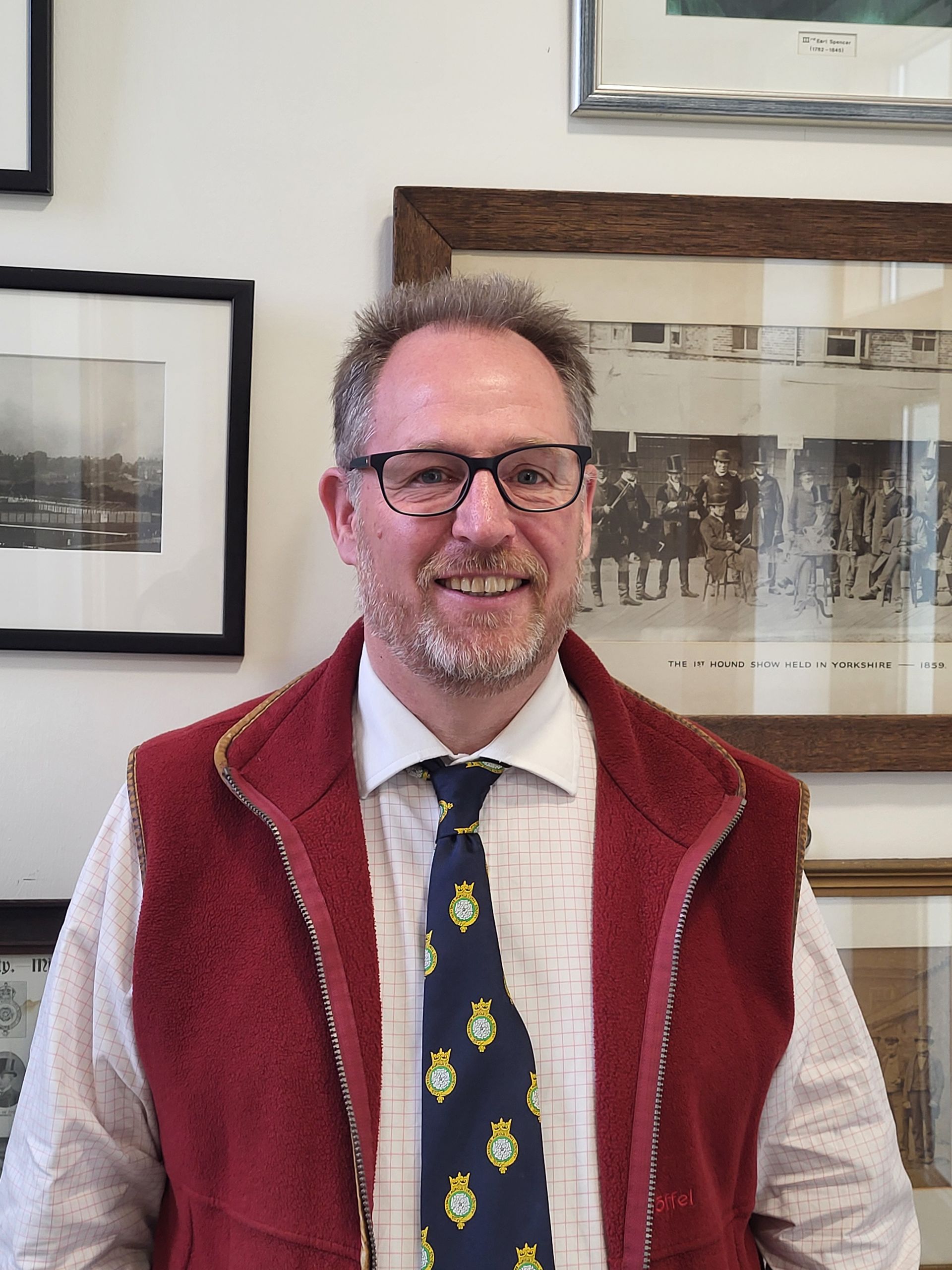
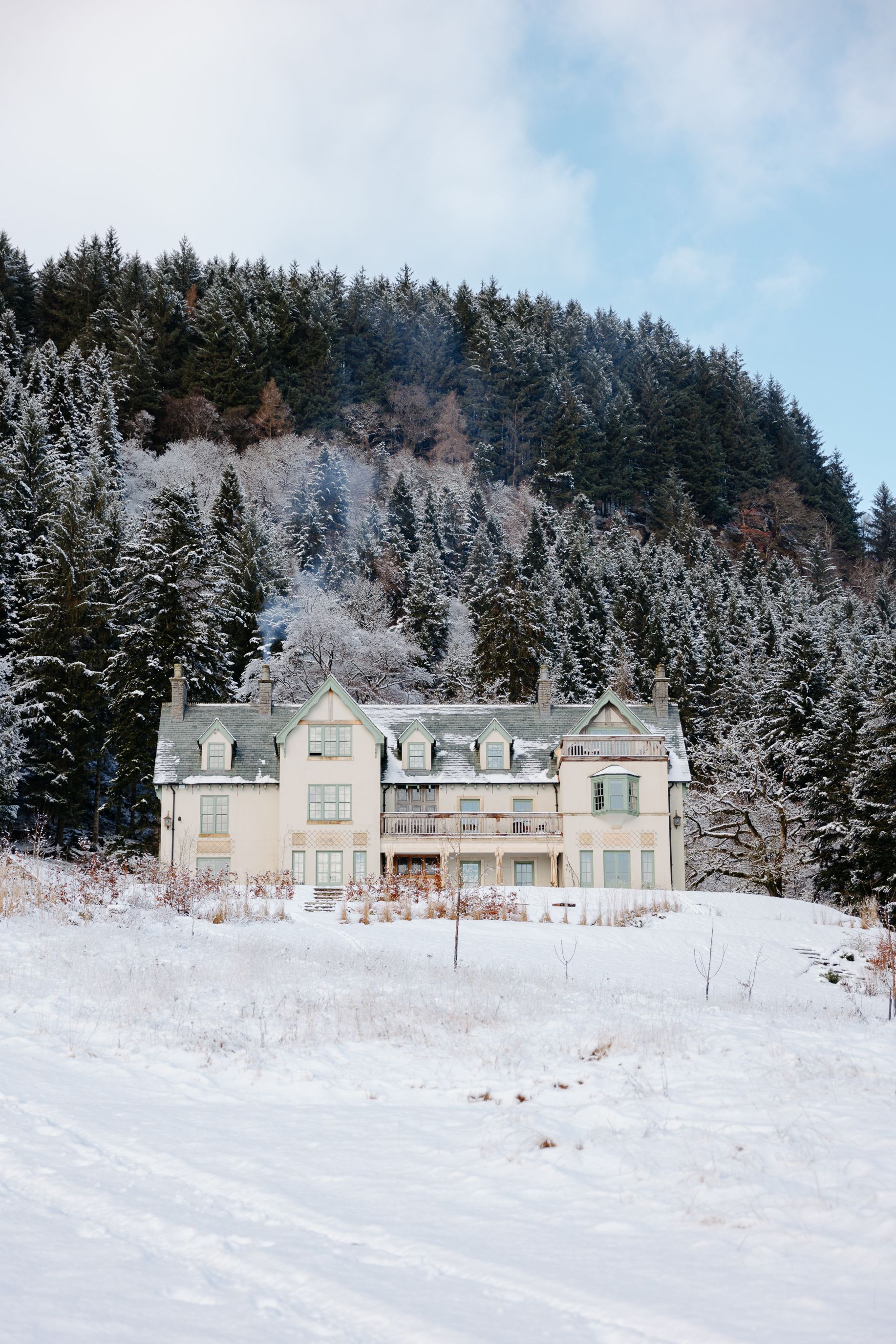
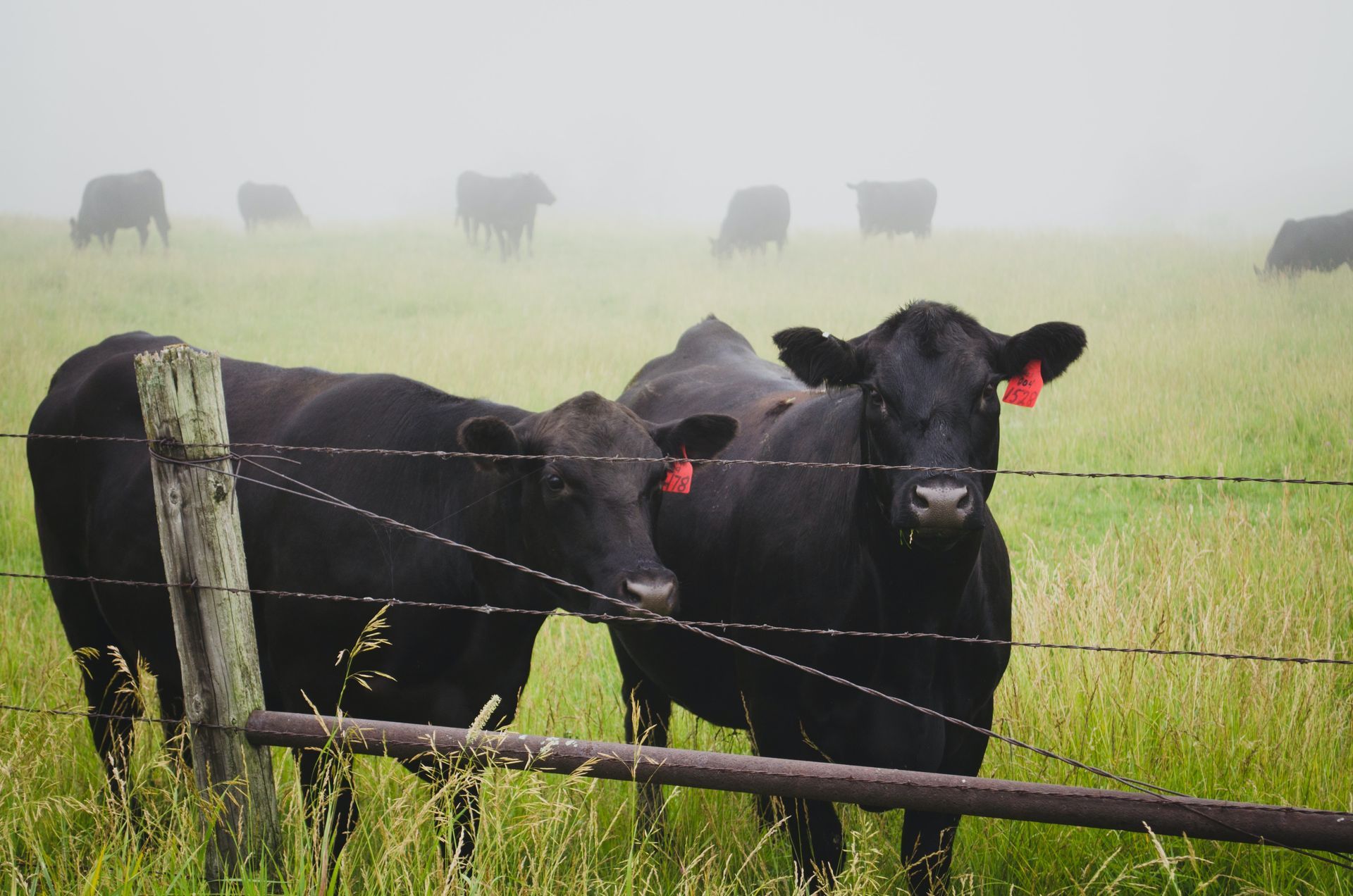
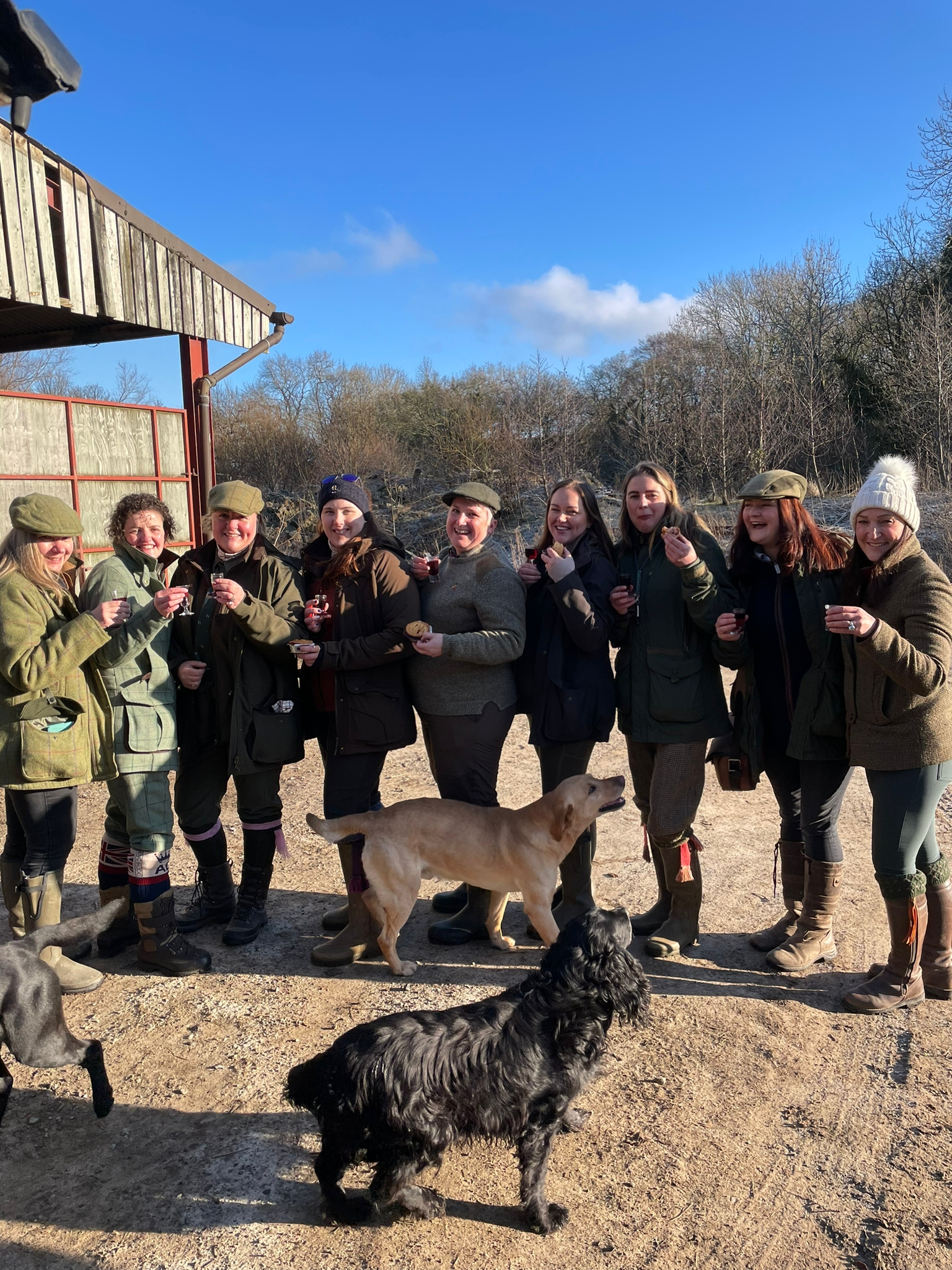
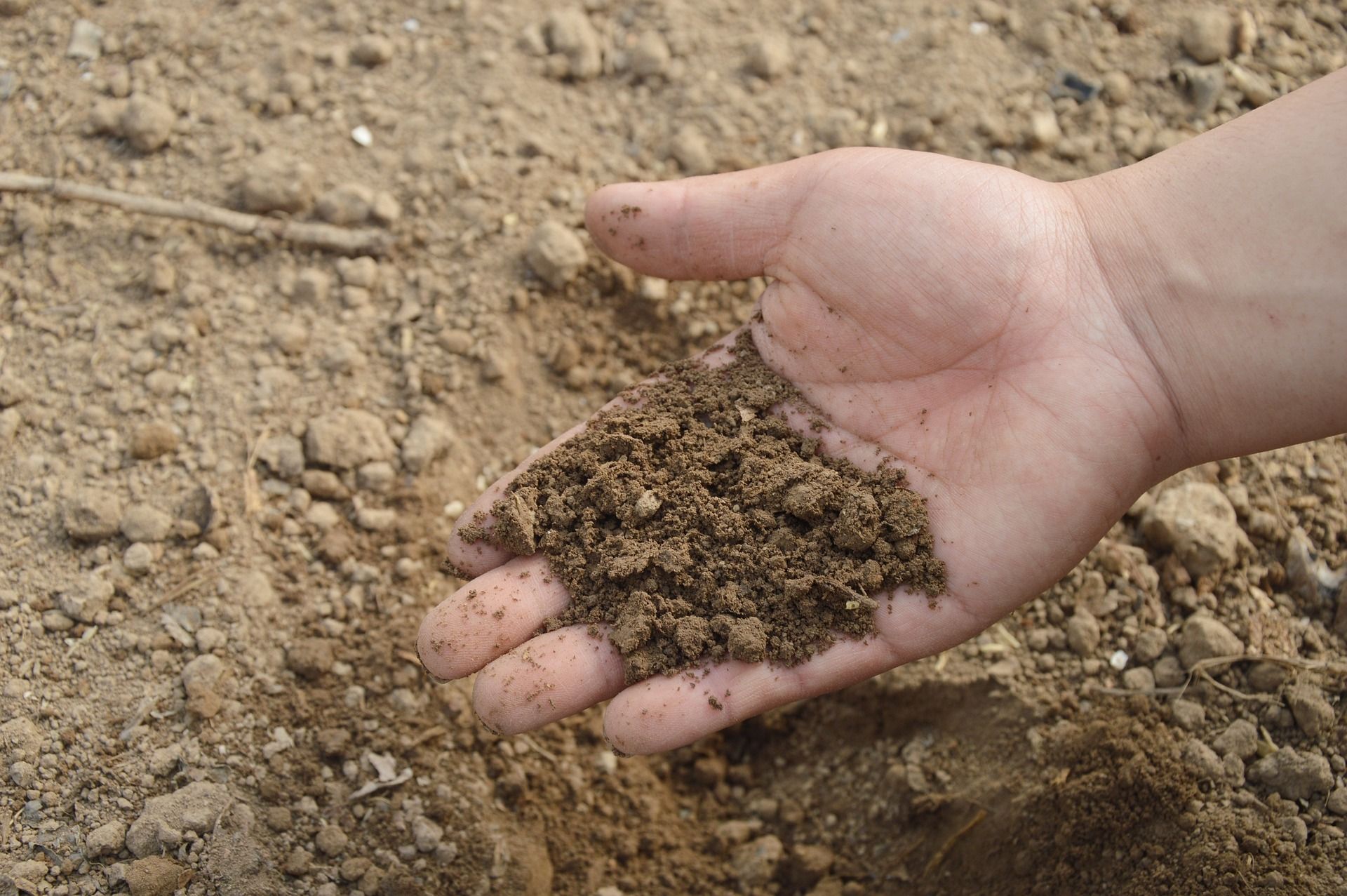
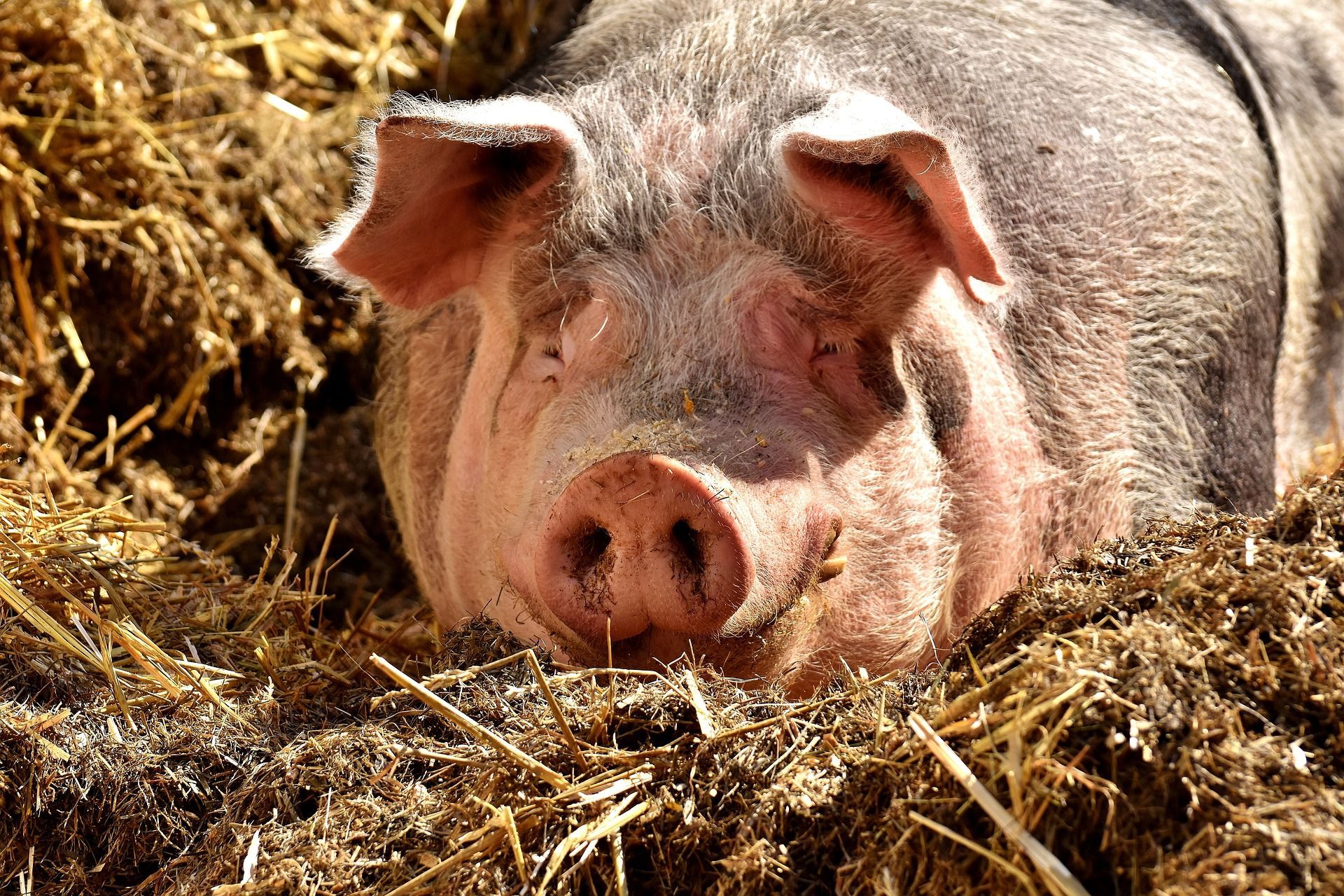
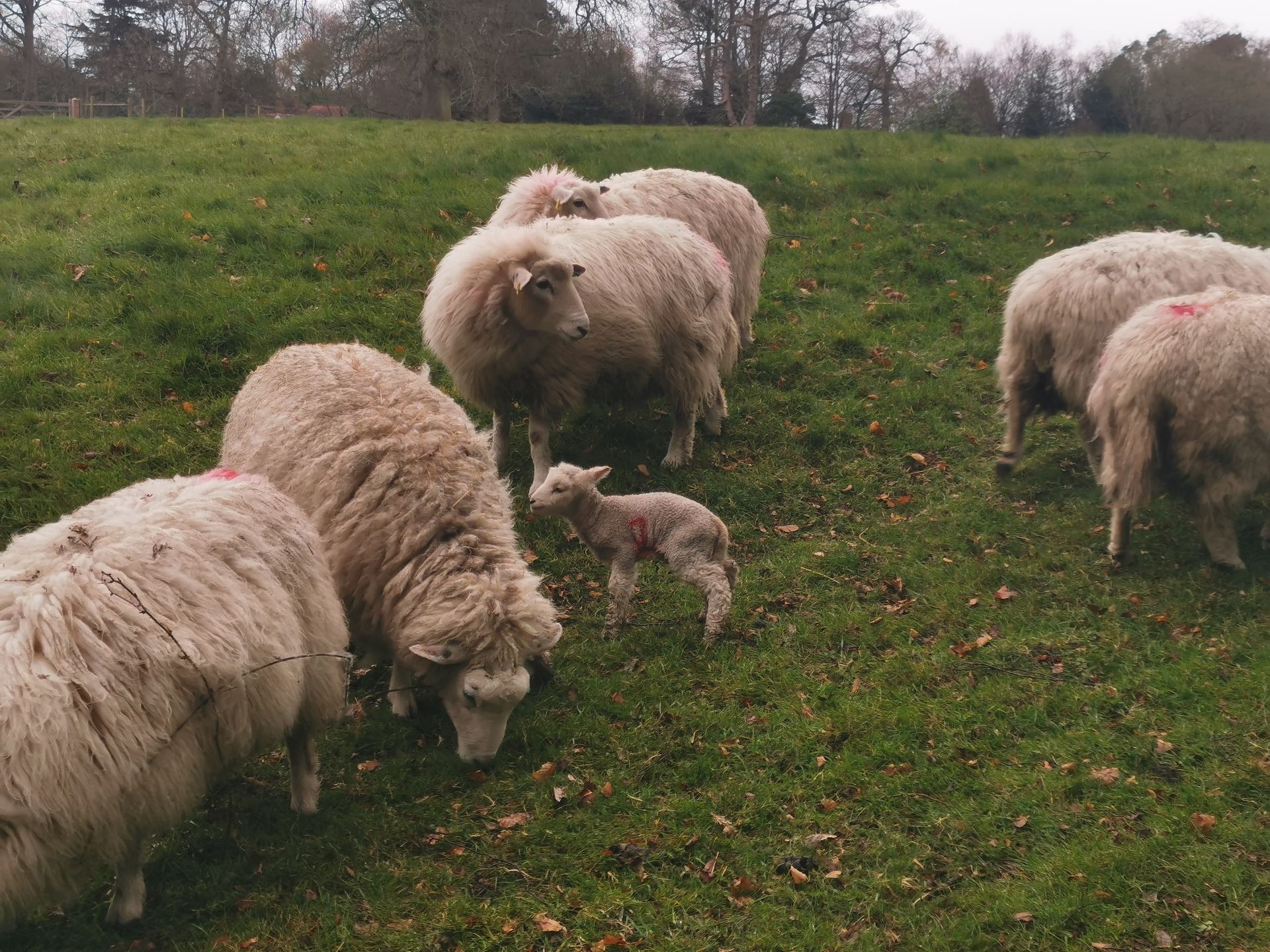
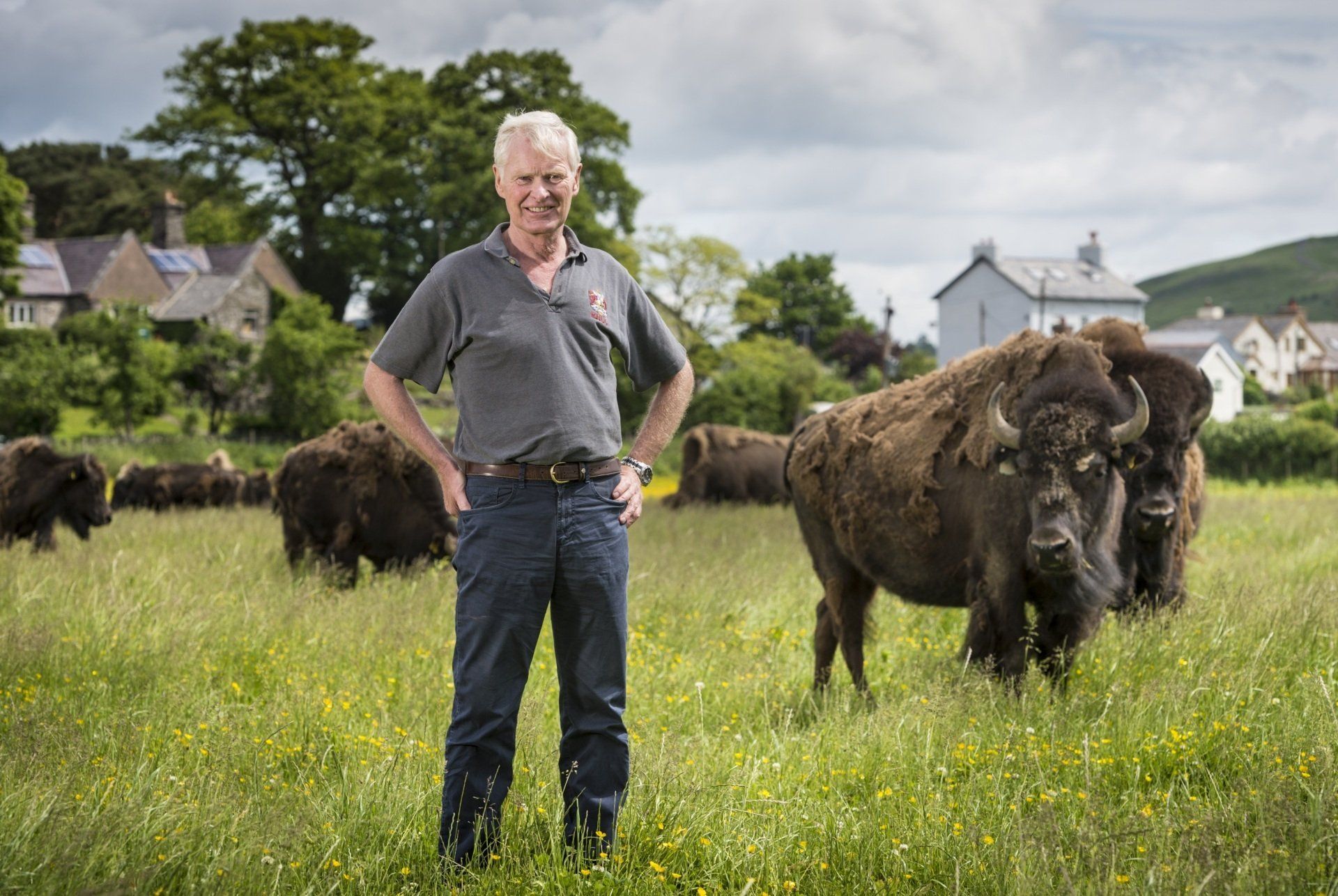
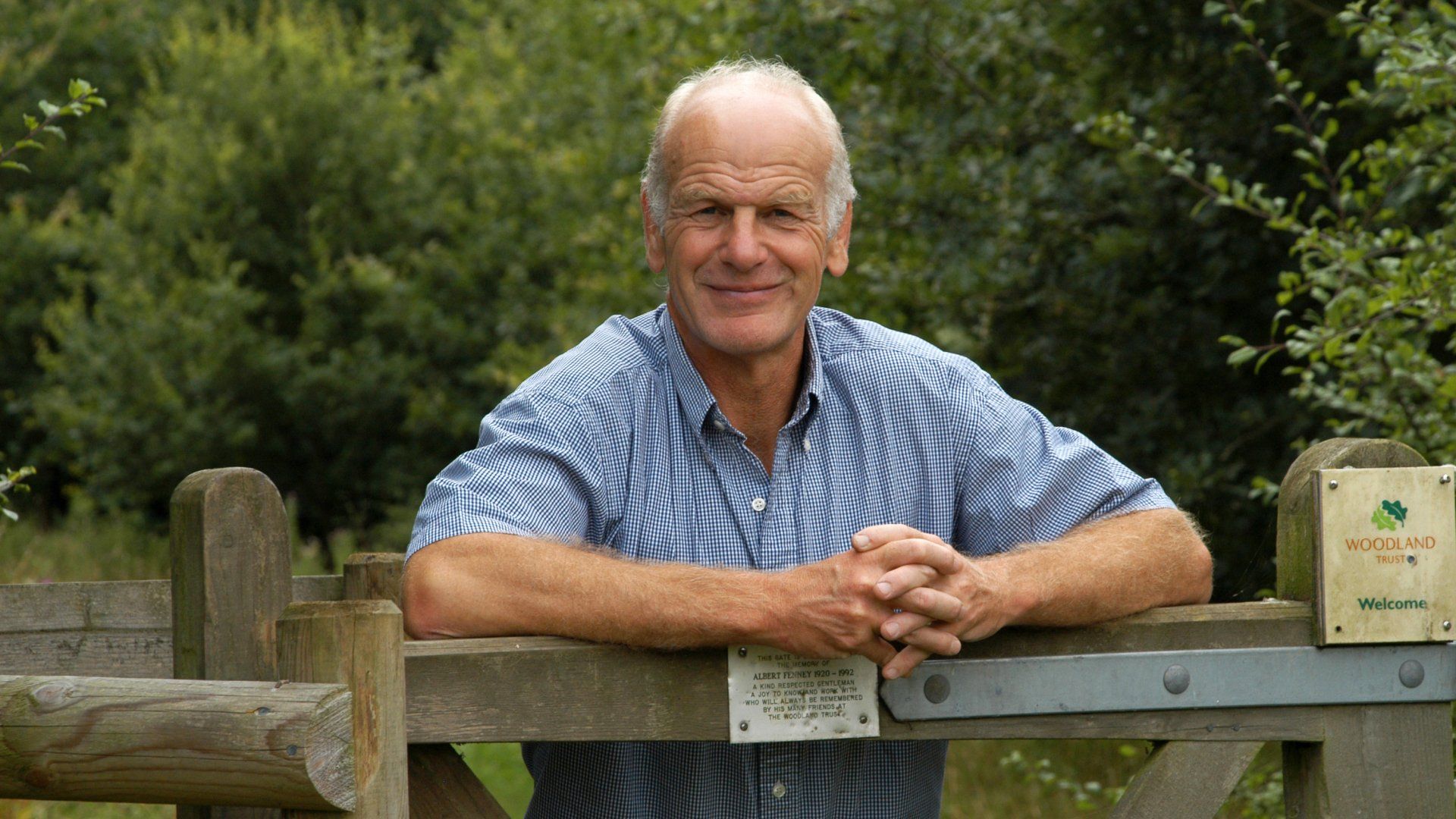
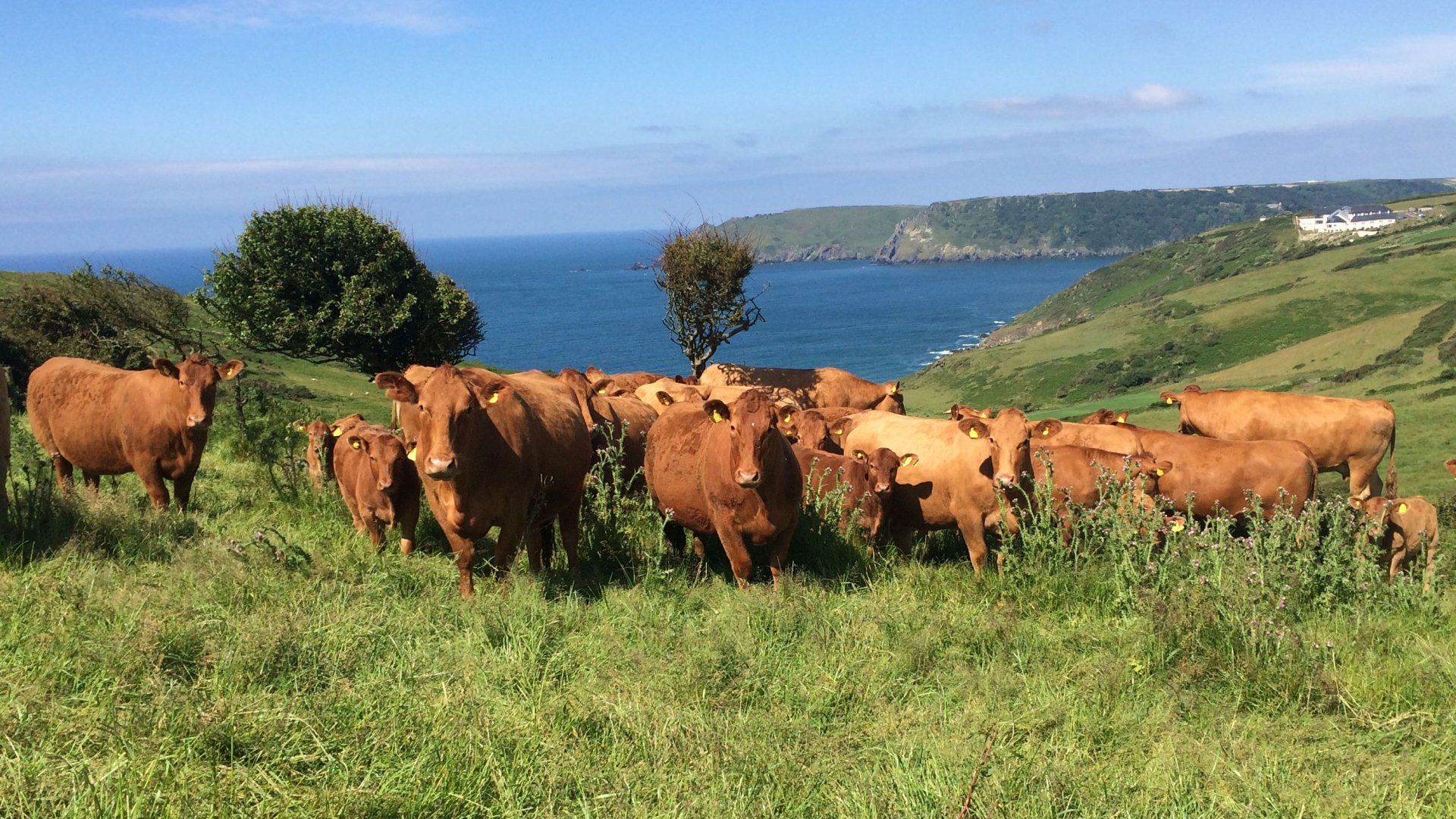
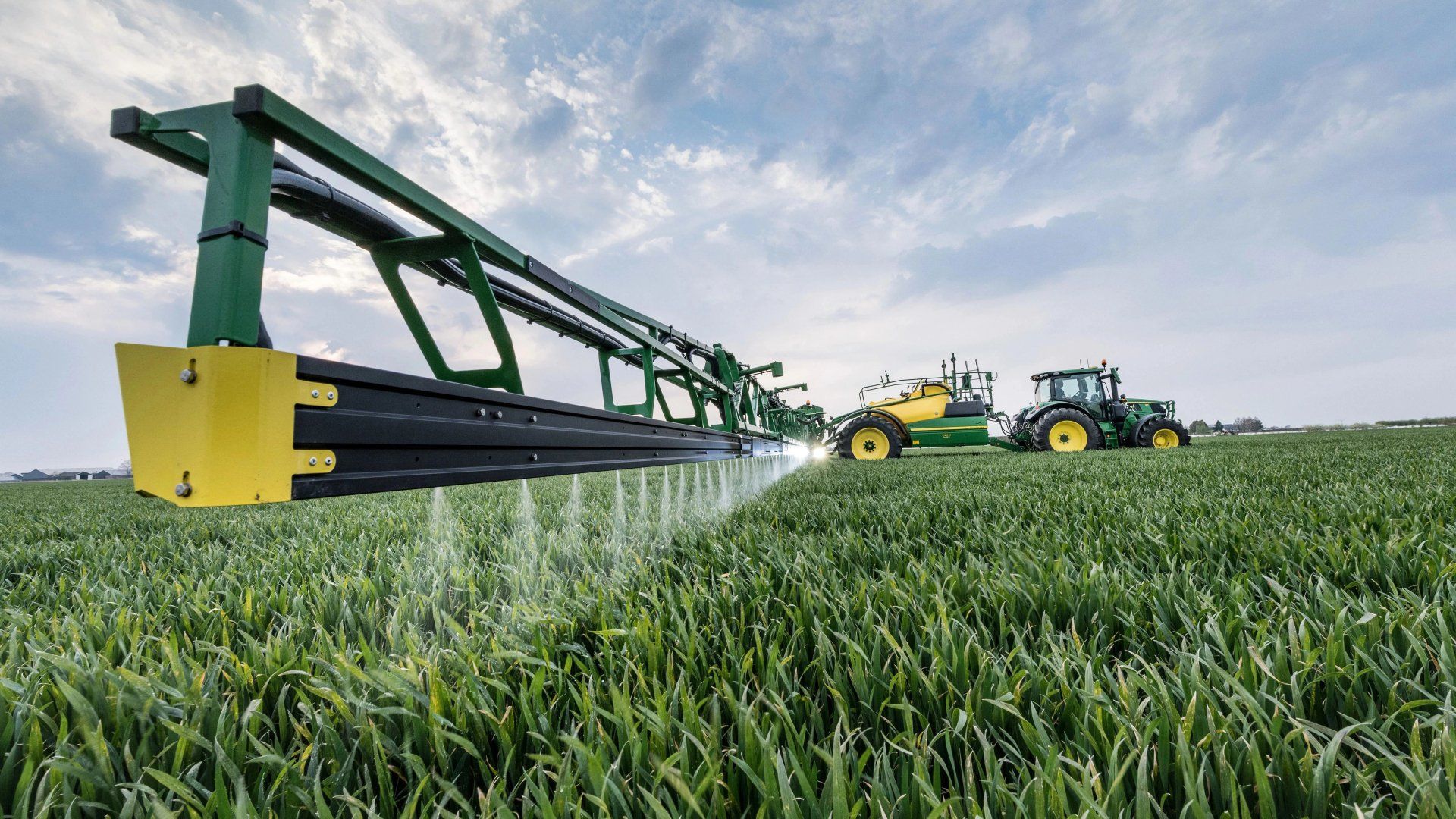
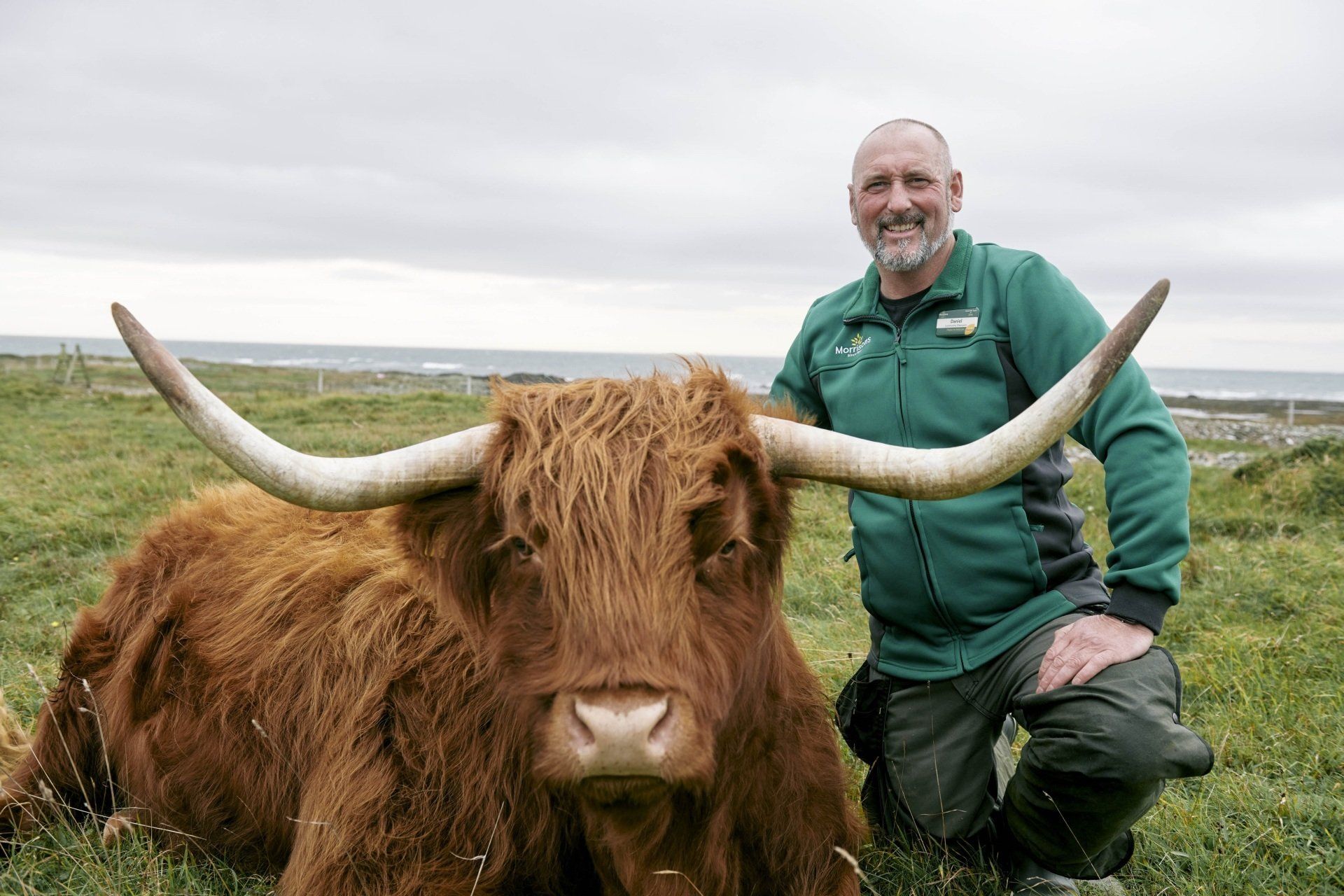
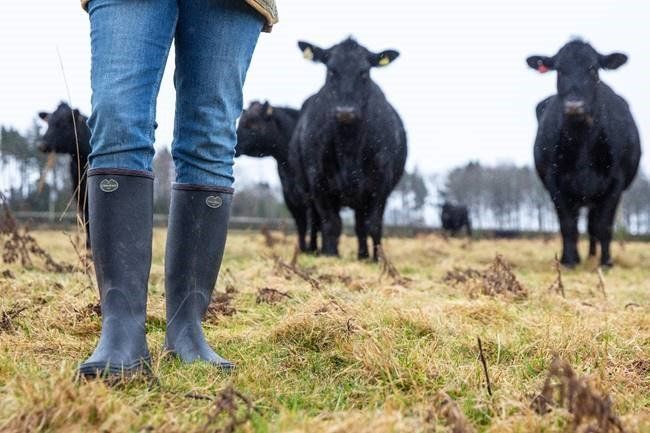
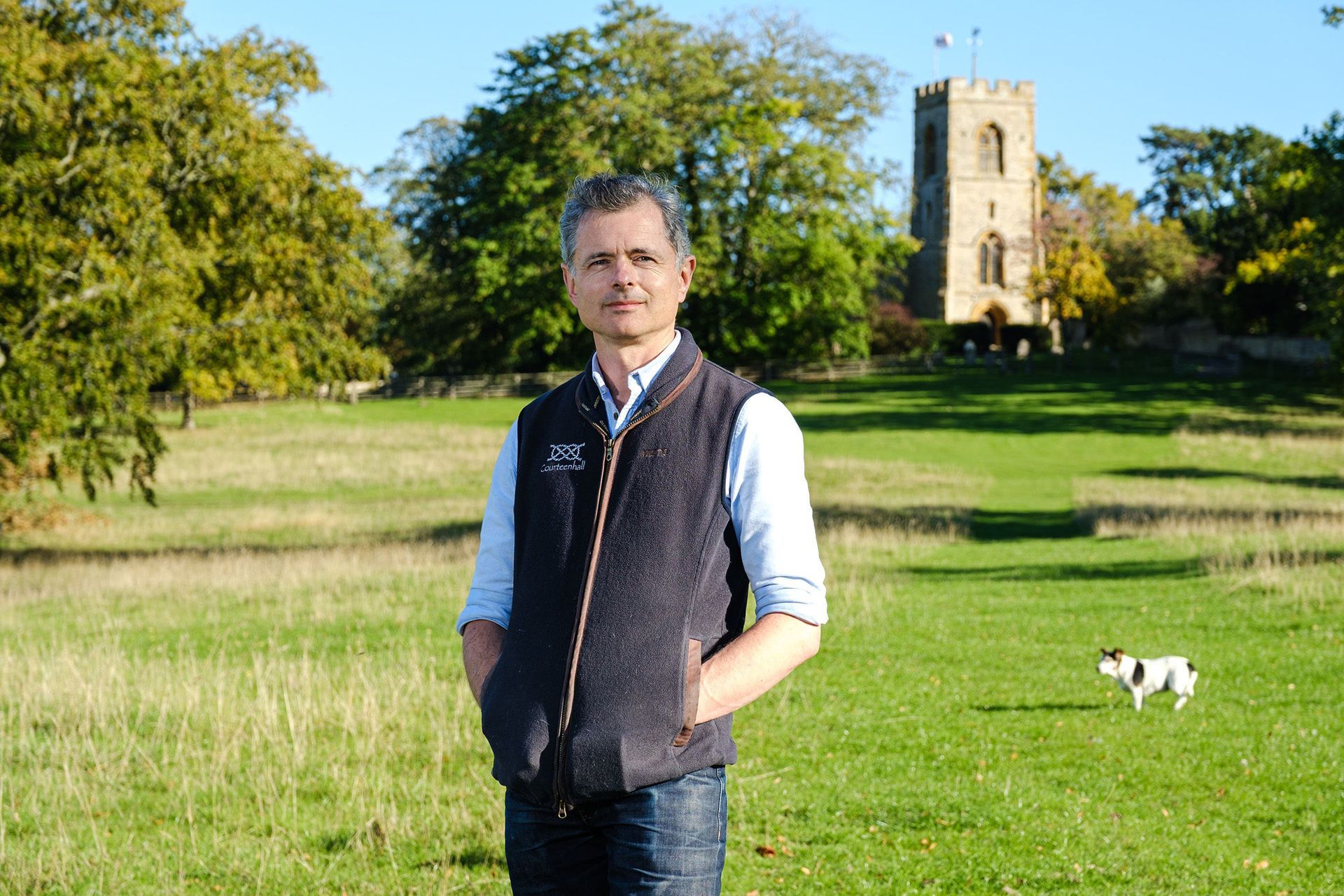
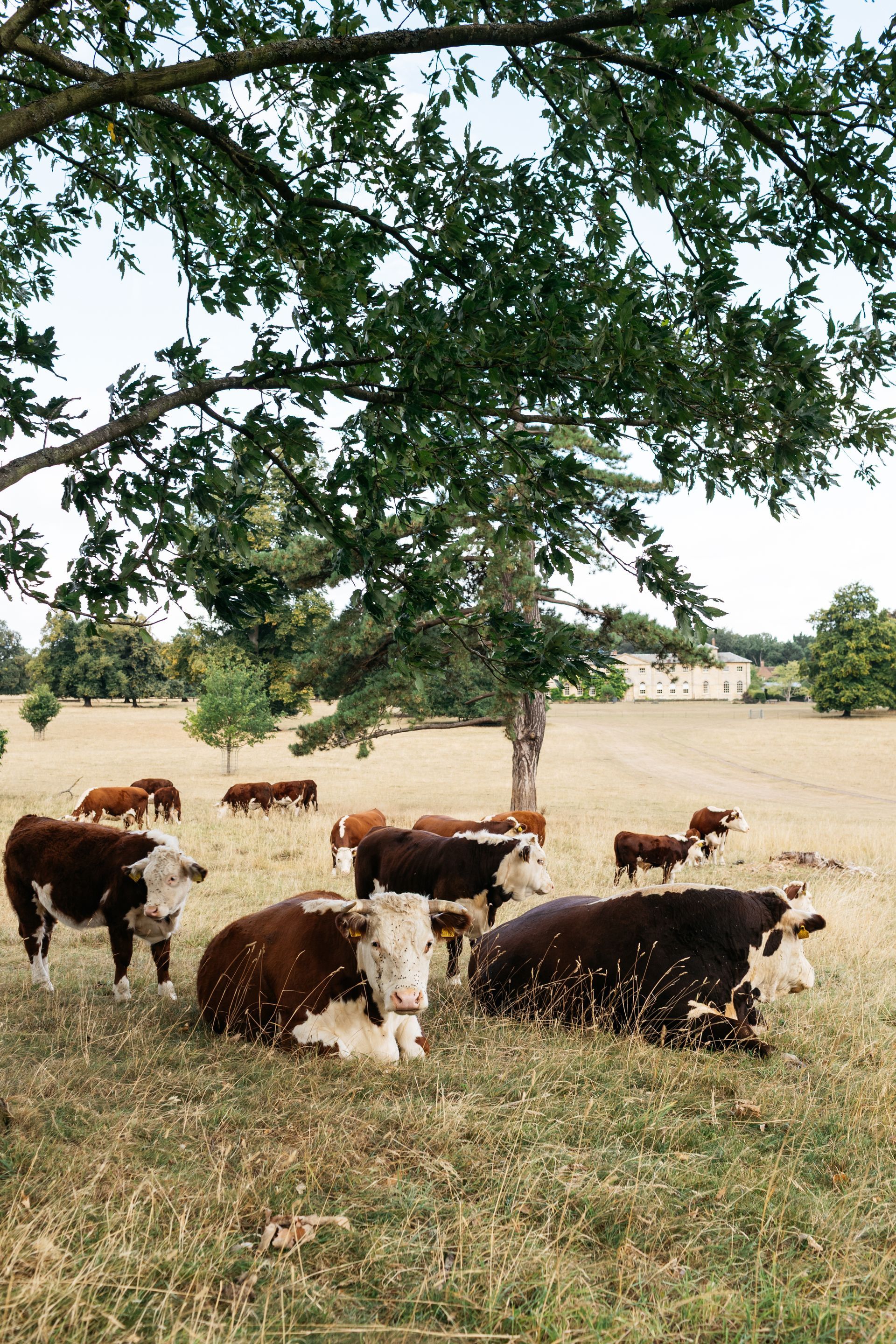
Dr Johnny Wake, former GP and Managing Partner, reflects on the links between sustainability, farming, food and community at the heart of the Northamptonshire estate. The estate was recently awarded the King’s Award for Enterprise in Sustainable Development. For Dr Wake, the accolade reflects a philosophy of custodianship that has shaped the estate for generations and its commitment to responsible stewardship. Today, the business manages 2,000 acres of regeneratively farmed land, including an arable operation and Pasture for Life-certified livestock. Its wider work spans education, property, renewable energy and The Knot - a forthcoming farm shop and restaurant.
Q1: Congratulations on your King’s Award for Enterprise in Sustainable Development. What does winning this award mean to you, your family and the team?
It’s meant a great deal because of the rigour demanded. You have to evidence what you have actually done, year after year, across the whole business. That is what gives the award its credibility, and what gives credibility to the word ‘sustainable’ when we use it. For the team, I hope it has felt like a vindication. Sustainable farming is slow, often invisible work; you plant a hedge and don’t really see the benefit for years. To have that work recognised is enormously affirming.
I’m pleased for the wider industry too. Farming is too often viewed as part of the problem, yet we can improve biodiversity, sequester carbon, clean and hold back water and give people access to the countryside. Leaving a legacy to be proud of is the mission statement we work to. The award is evidence that we’re going in the right direction.

Q2: Sustainability is often spoken about in environmental terms, but what does a truly sustainable rural estate look like to you?
For us, sustainability has three pillars. They all matter equally. The environmental one tends to get the airtime: soil, biodiversity, water, carbon. That work is foundational. But a rural estate that protects its environment while quietly running itself out of business is not sustainable; nor is one that pulls up the drawbridge against the local community - so we add two pillars to the definition. One is financial: a business that does not pay its bills will not be here in twenty years’ time to look after the land. The second is community. The estate sits in a real place, with neighbours, who should benefit from access to the land, its amenities, and the spaces we open up.
Stewardship in 2026 is the discipline of holding all three in tension and acting in a long-termist way.
Q3: You worked as a GP before managing the estate. How has that shaped your role and the way you think about nutrition, health and food production?
Two things, mainly. The first is the habit of thinking from evidence. Agriculture is not a laboratory - the variables are too big and the timescales too long - but scientific training does mean you treat strong claims with proper scepticism. The evidence has to lead. The second is a sense of mission. Most diet-related disease in this country is, at root, a food-system problem: how we grow food, what is profitable to grow, what ends up on supermarket shelves, and what people can afford. That is a long way upstream of the GP surgery, but it's the same problem. I do not see medicine and land management as two separate careers. They are the same instinct - leave the patient, or the place, in better shape than you found it - applied at different scales.
Q4: Why do you think people are increasingly drawn to the countryside and local produce?
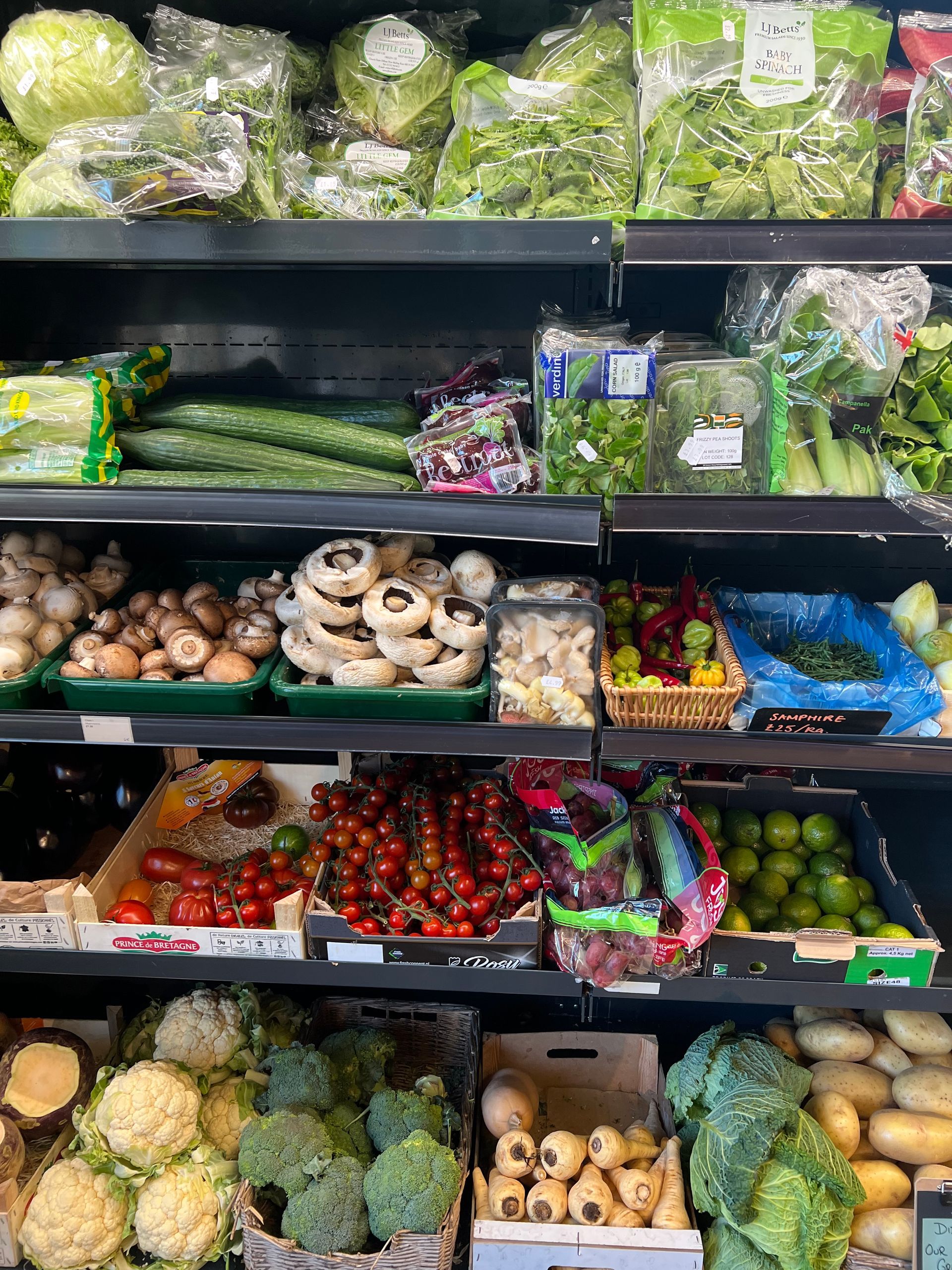
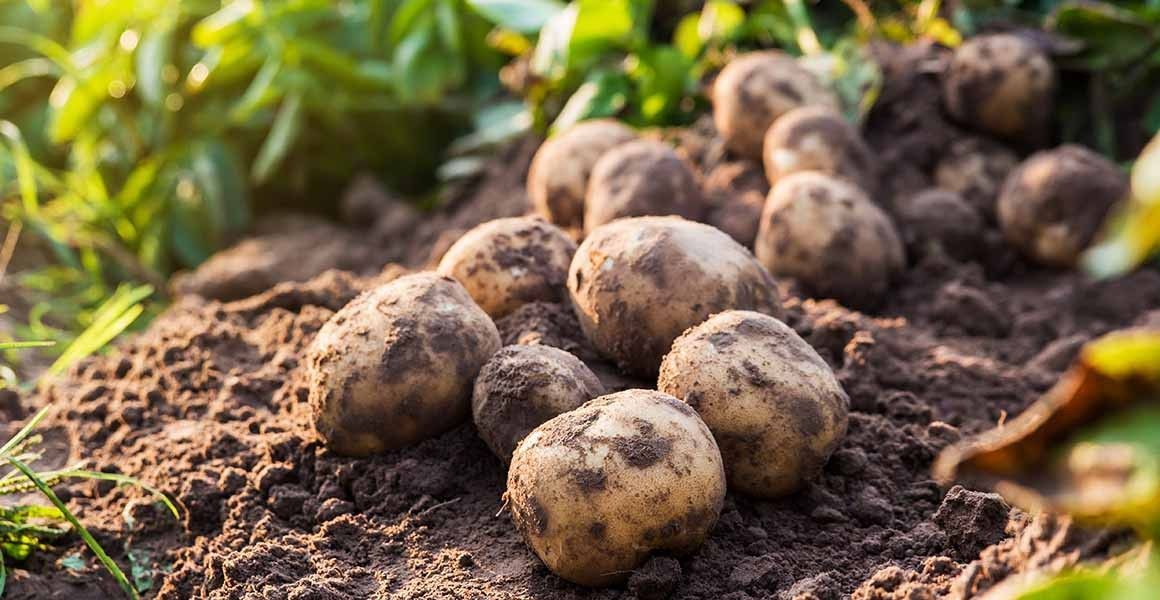
I think people are tired of intermediation. For much of the post-war period, the food system put as much distance between the field and the kitchen as possible. It made food cheaper and more convenient. But it stripped out the thing people instinctively value: knowing where something came from and who grew it. When somebody walks through a working farm or buys vegetables from a stall that they can see being lifted out of the soil, something is restored that the supermarket aisle cannot give them. It is not nostalgia, it is information. They are no longer being asked to take things on trust.
Q5: What is one farming decision at Courteenhall that might look small from the outside, but has had a bigger impact on the land?
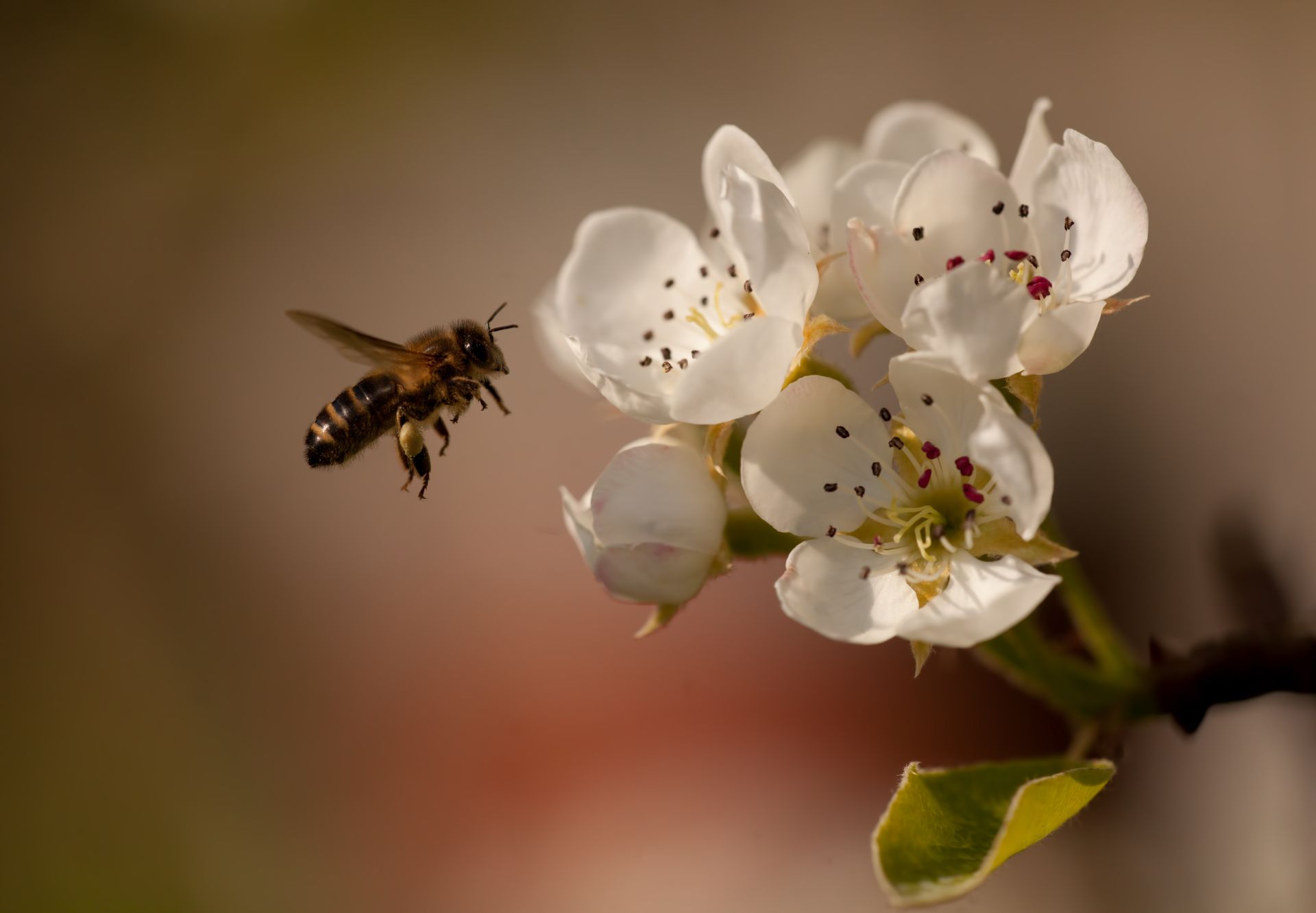
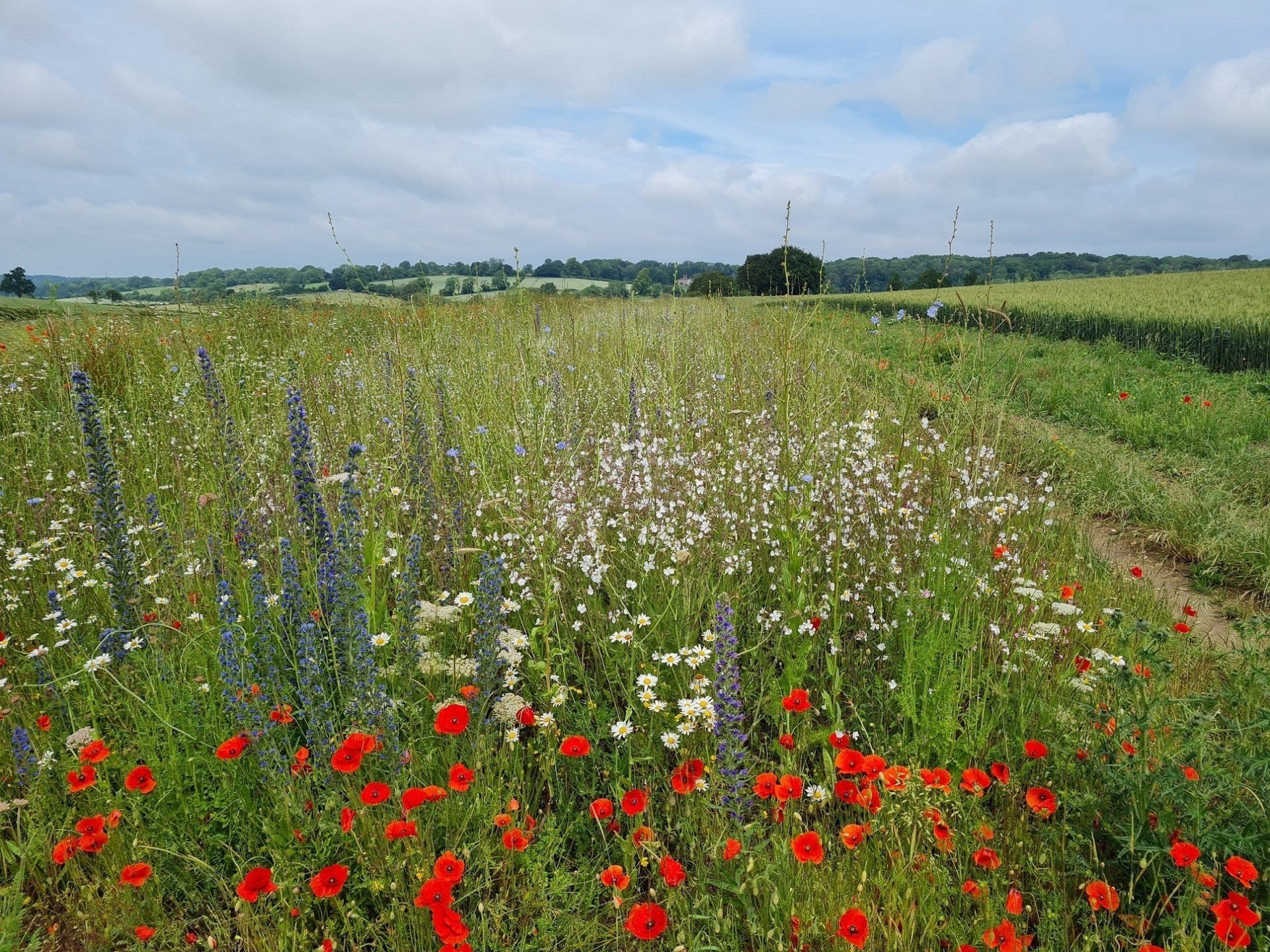
Putting a few hectares into a pollen and nectar mix along field edges and unproductive corners sounds like a token gesture. It is not. The benefit most often cited is for pollinators such as bees, hoverflies and butterflies. But the more interesting effect, from a farming point of view, is what the mix introduces. The predatory insects that live in flower-rich margins control aphids, slugs and other crop pests in the field next door. We are not donating land to nature. We’re growing our own pest control. It is a clear example of a decision where the environment and the business pull in the same direction.
Q6: Courteenhall is involved in charitable endeavours and local food initiatives. Why is bringing people together through food such a key part of the estate’s future?
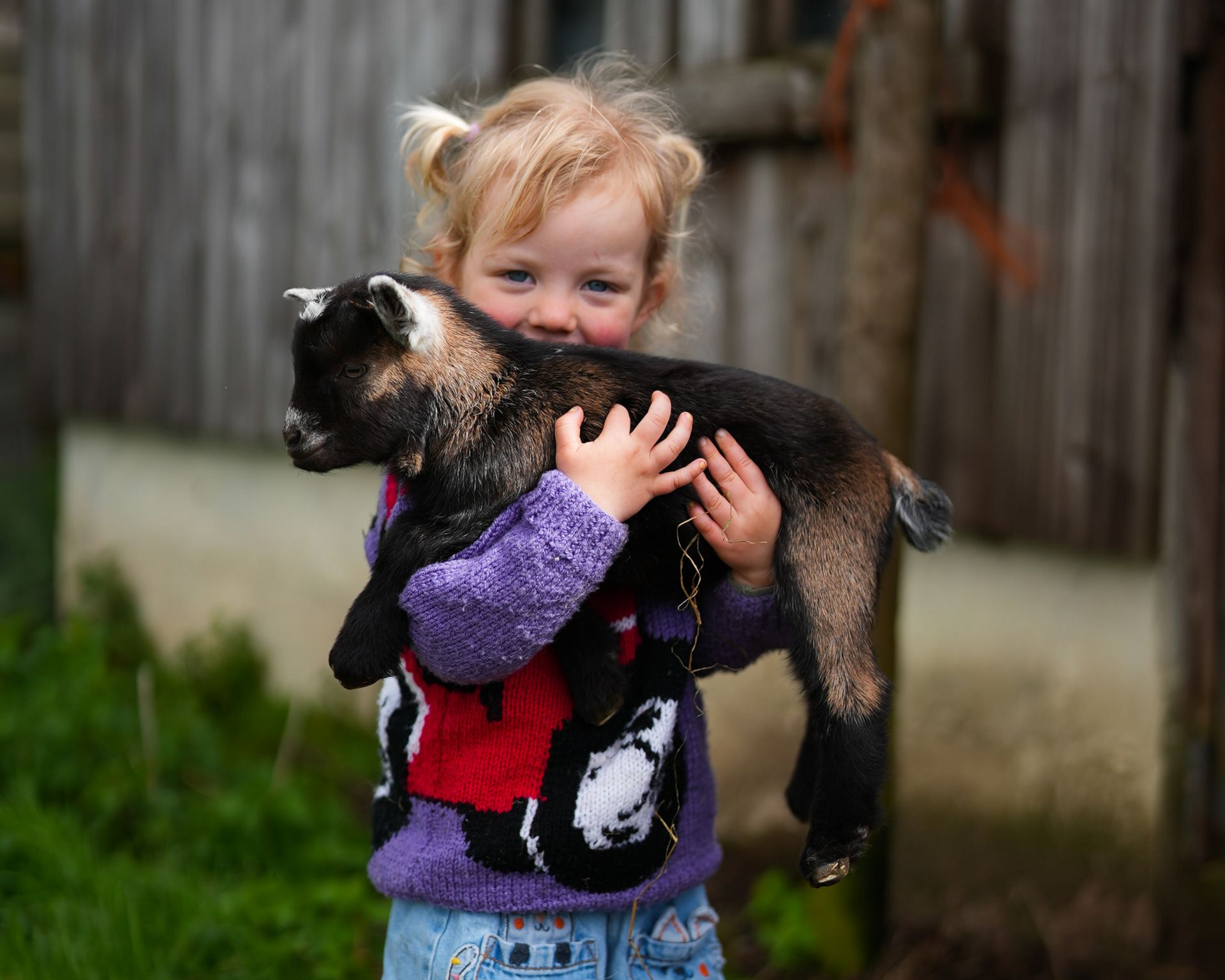
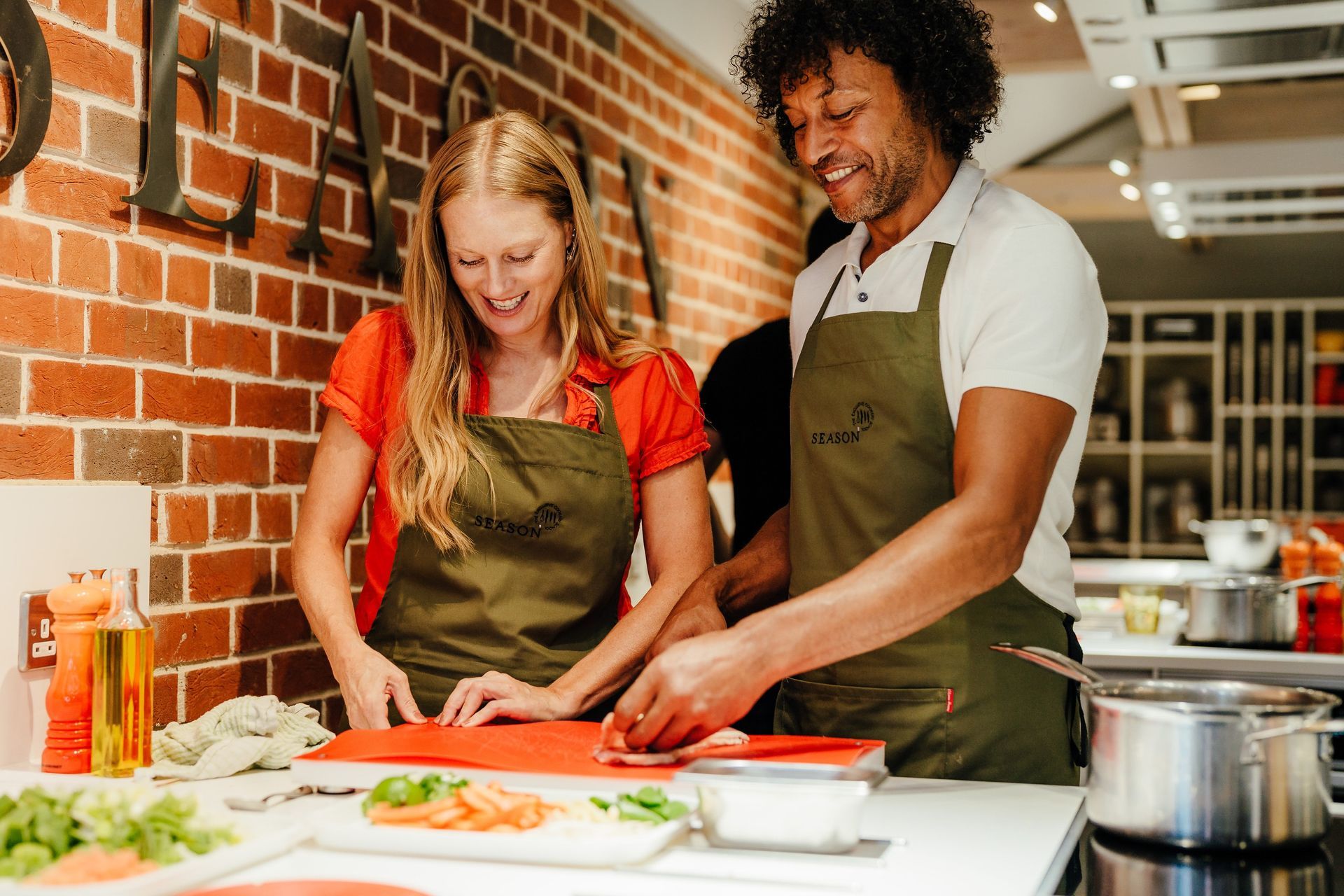
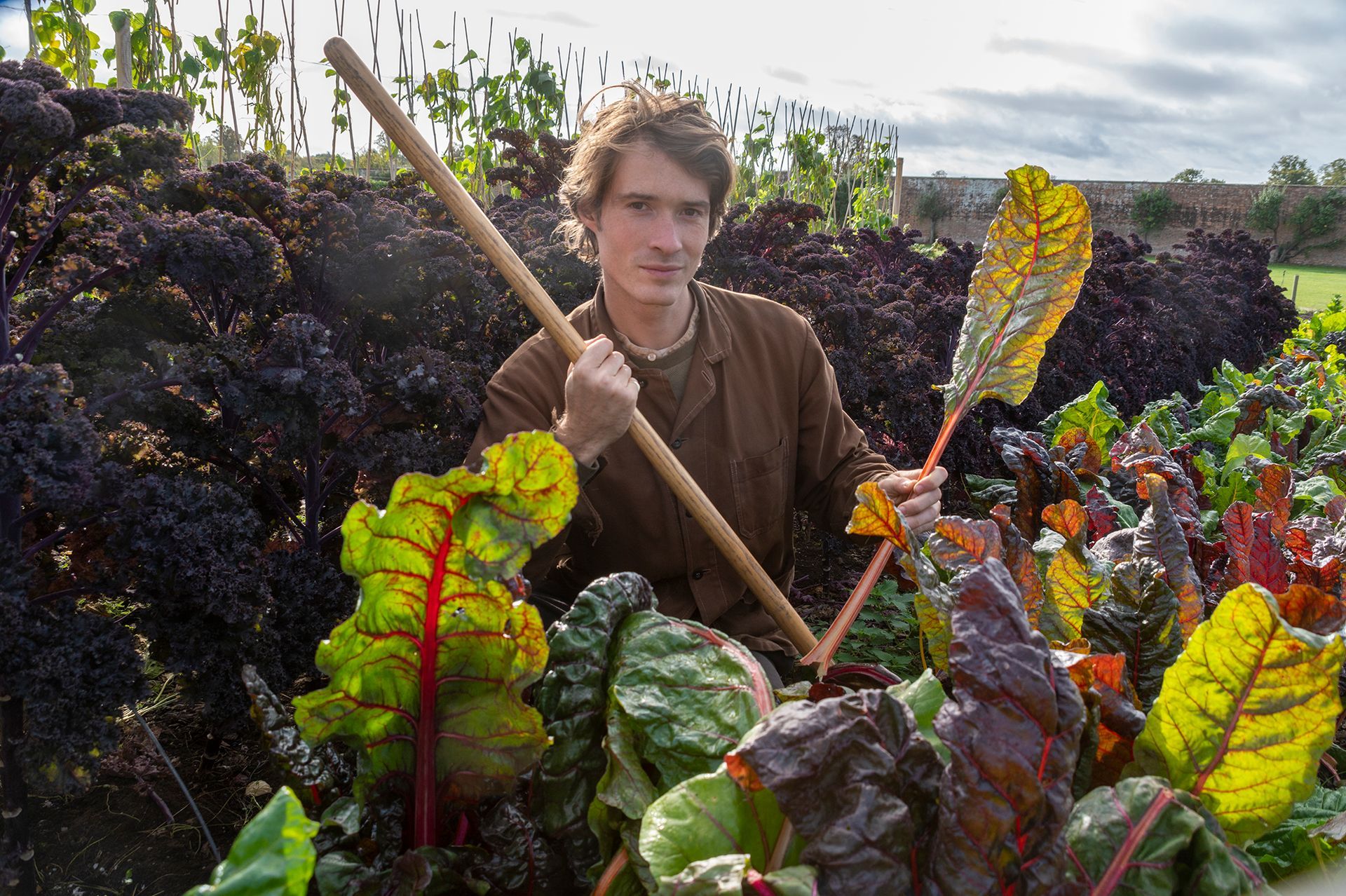
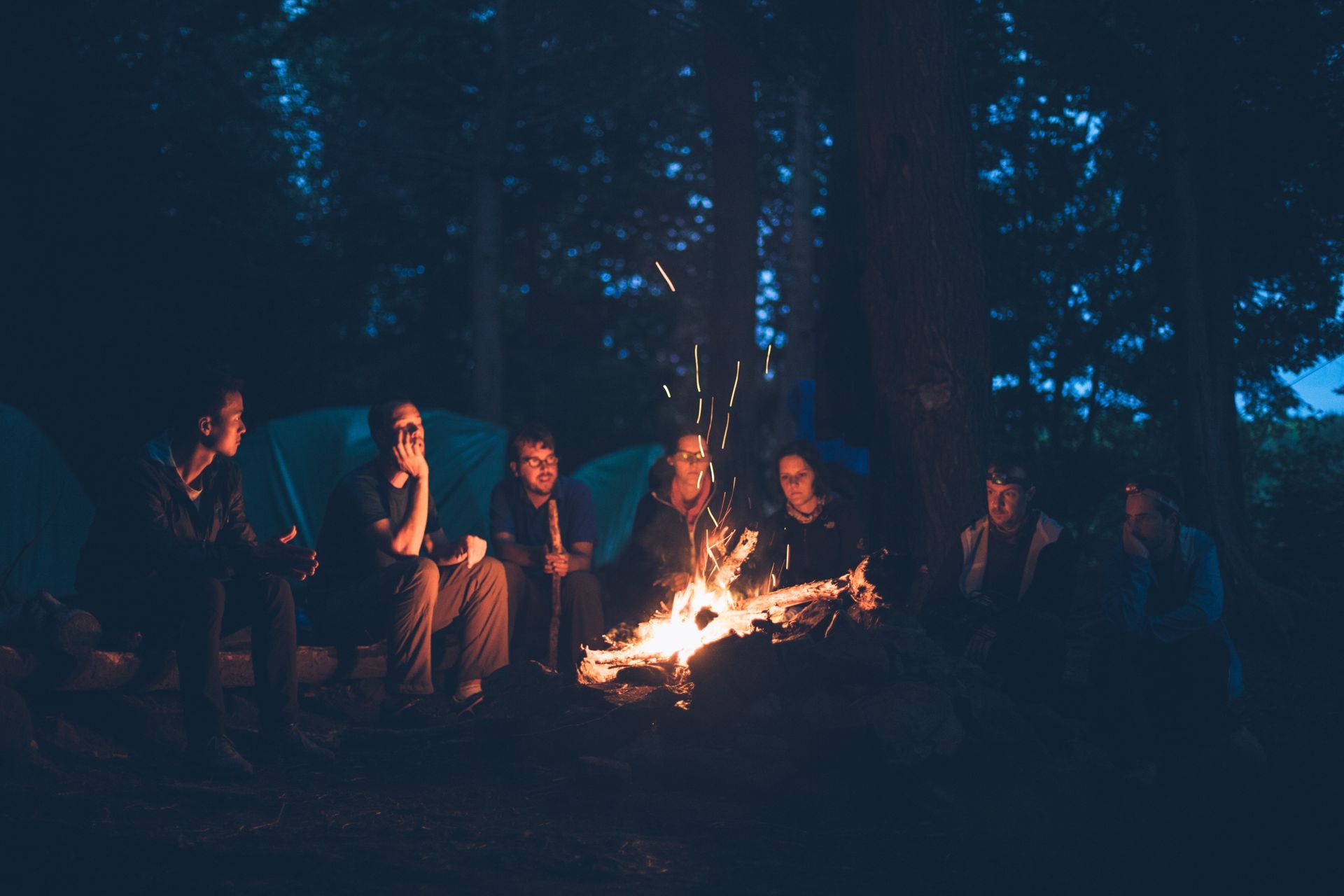
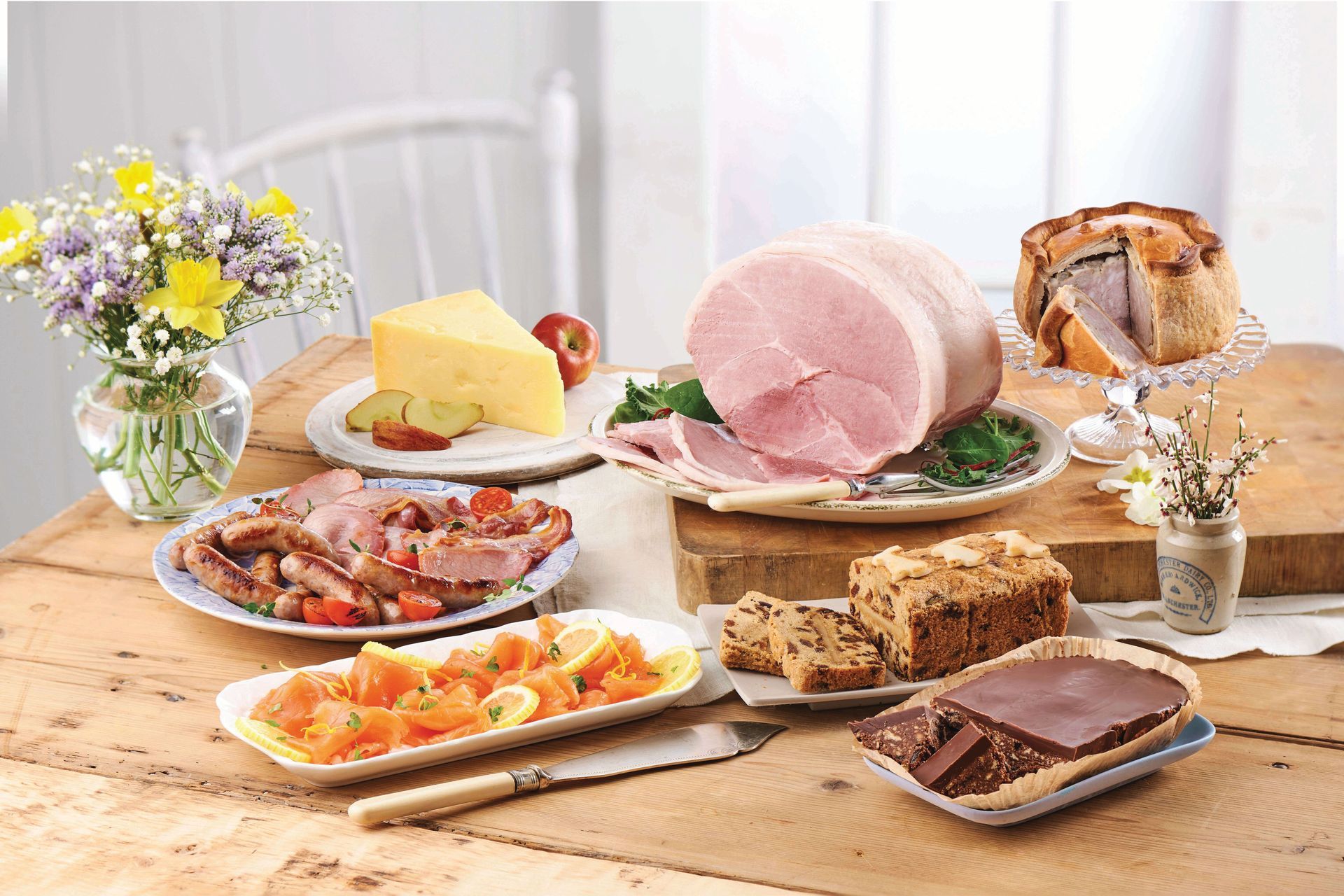
Food is the single most powerful thing we produce, and not just nutritionally. It is the thing around which communities have always organised themselves: the harvest, the market, the meal. People still want to know where their food comes from, to meet the people who grew it, to eat it together. At Courteenhall, food sits at the centre of community engagement with charitable work threaded through. The farm shop and restaurant will give us a permanent space for that work. In the meantime, we already host food-led events for local schools and charities and sell produce locally wherever we can. New Leaf Learning, the educational charity hosted on the estate, uses growing and cooking food to engage children who have struggled with conventional school. Watching a child who has been written off as a behavioural problem settle into looking after a vegetable bed, or learning to cook what they have grown, is one of the genuinely affirming things in this job.
Q7: The Knot farm shop and restaurant is due to open on the estate in 2027. What is your vision for it?
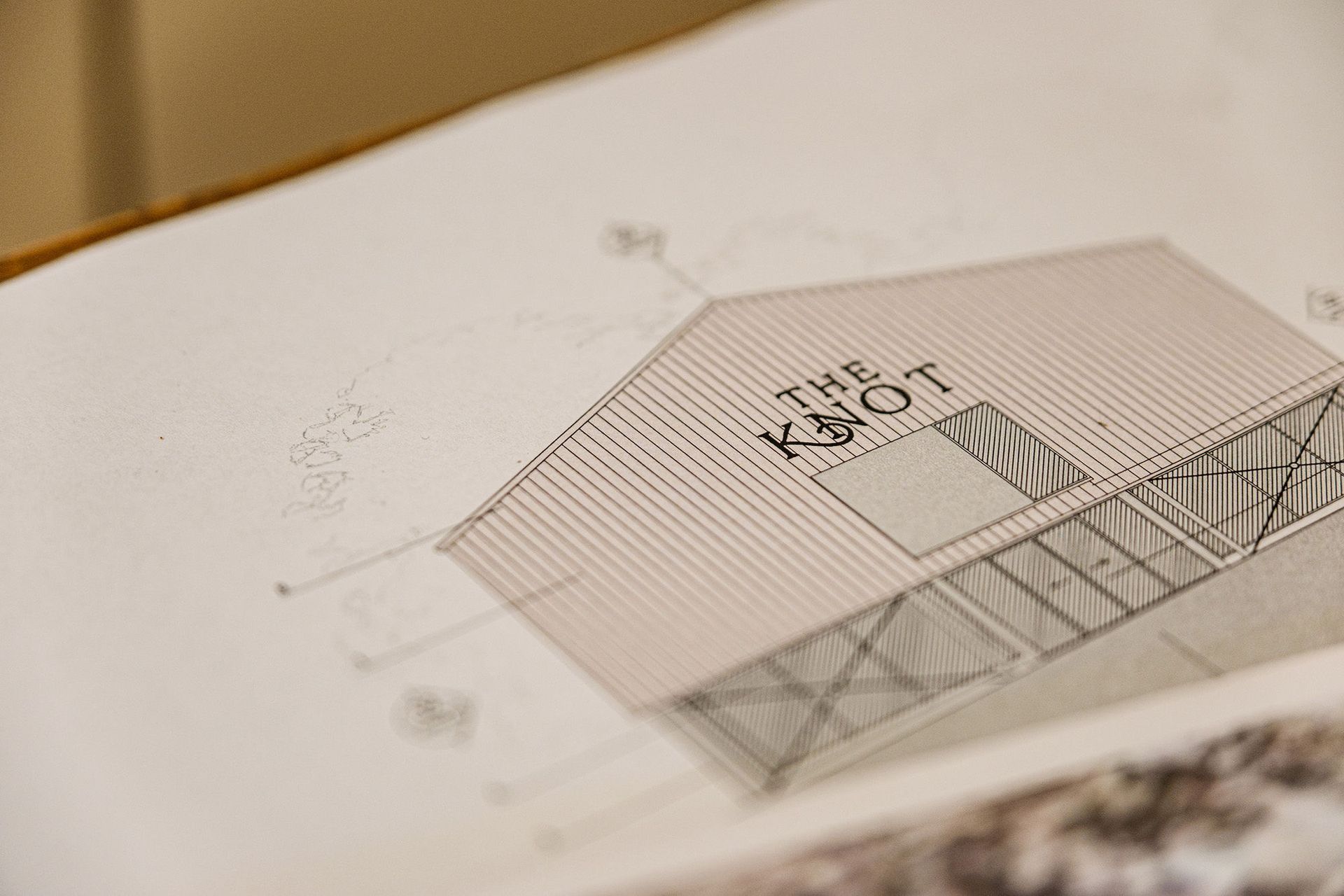
I want local people to feel like it’s their place. It needs to give them a connection to the land and nutritious food production. I want small local producers to have buy-in too. We have a positive treasure trove of them in Northamptonshire, but they struggle to get good and equitable access to customers. We can fix that. And I want our farming business to grow new and exciting crops. Agroforestry doesn’t currently stack up for us because we don’t have access to the market for anything we can grow on trees. That changes completely when we have The Knot, so we have plans for fruit and nut trees in our fields at scale. We already host local schools and charities here, but with The Knot we can take it to the next level. I’m impatient to get it going.
Q8: How do you balance preserving heritage with the realities of running a viable rural business?
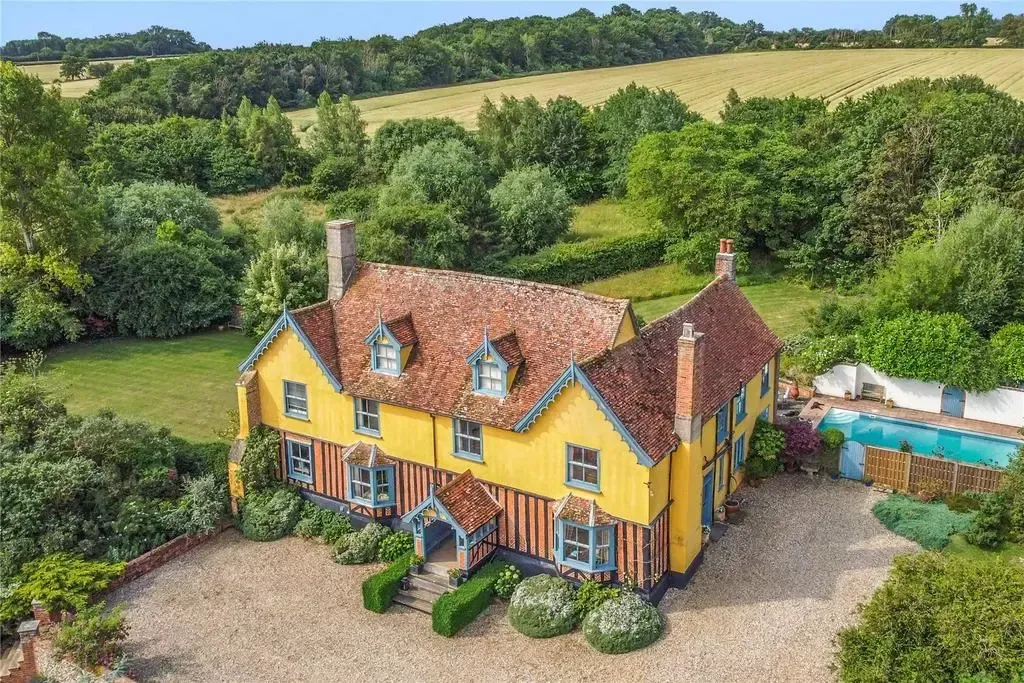
I don’t really see heritage and viability as opposing forces. They are both key parts of our long-term thinking. The buildings, parkland and soils - none of it survives long if the business around it cannot pay its way. Conversely, a business pillaging its inheritance for a short-term return will not be a business for very long. Our heritage gives us our roots in the community and our purpose. A practical example is our steady conversion of residential heating systems from oil to heat pumps. Heat pumps are sometimes said to be no good in old buildings, but our experience has been that they work really well when installed properly.
Q9: What has been your biggest success so far?
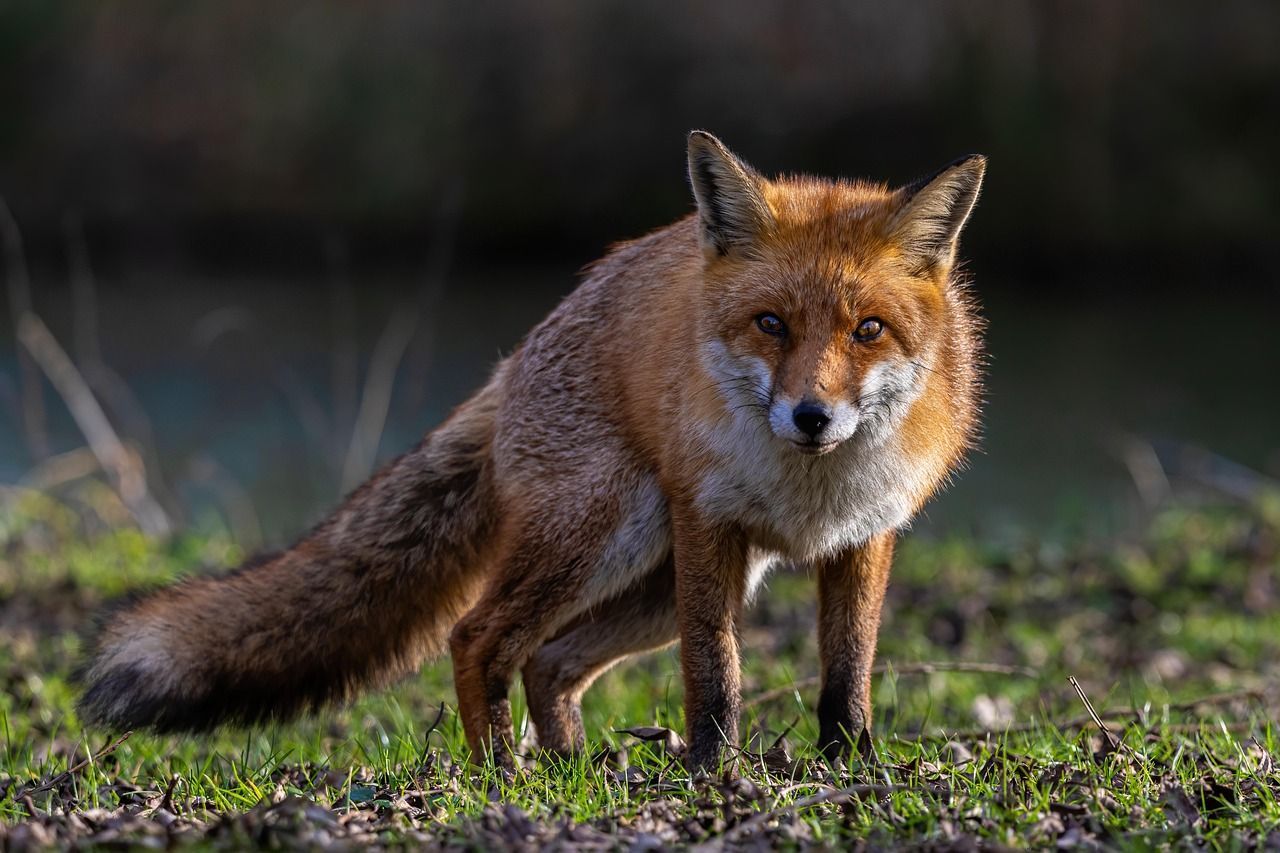
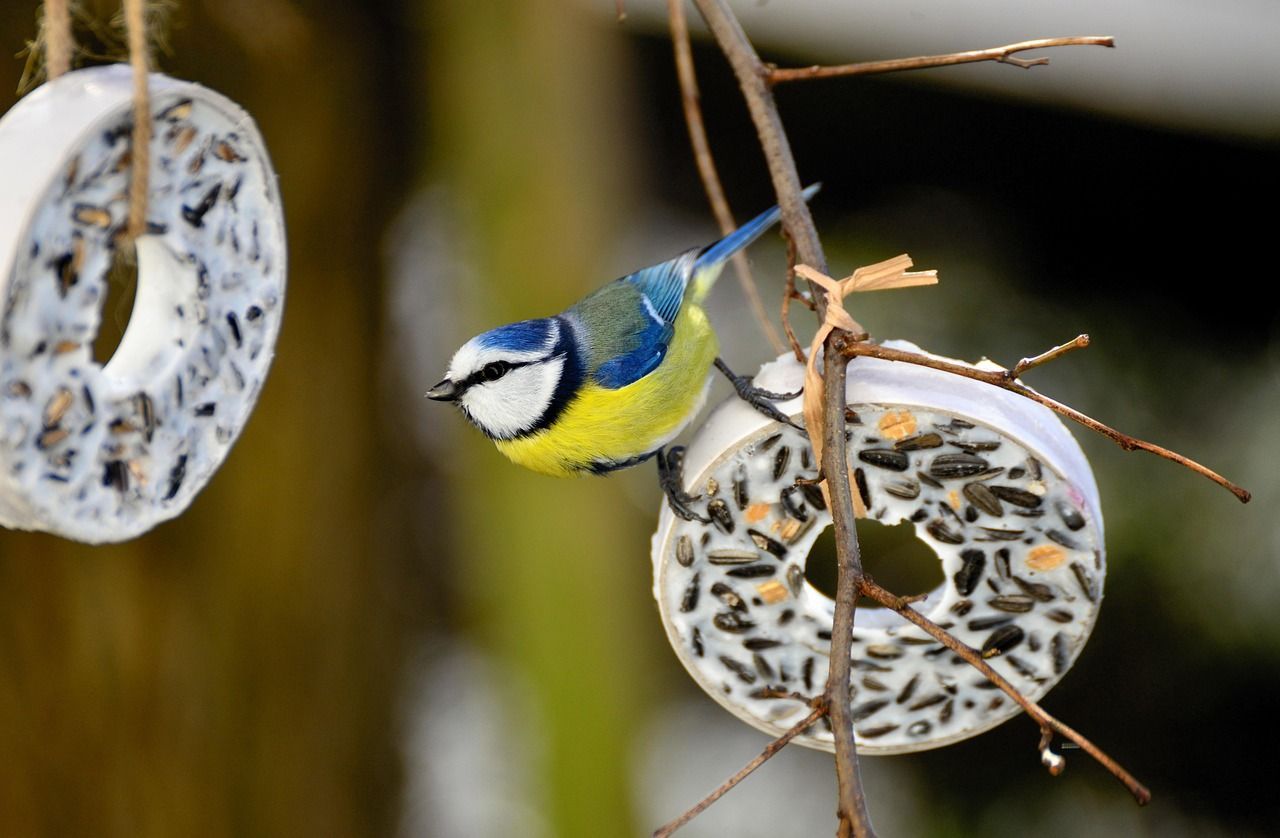
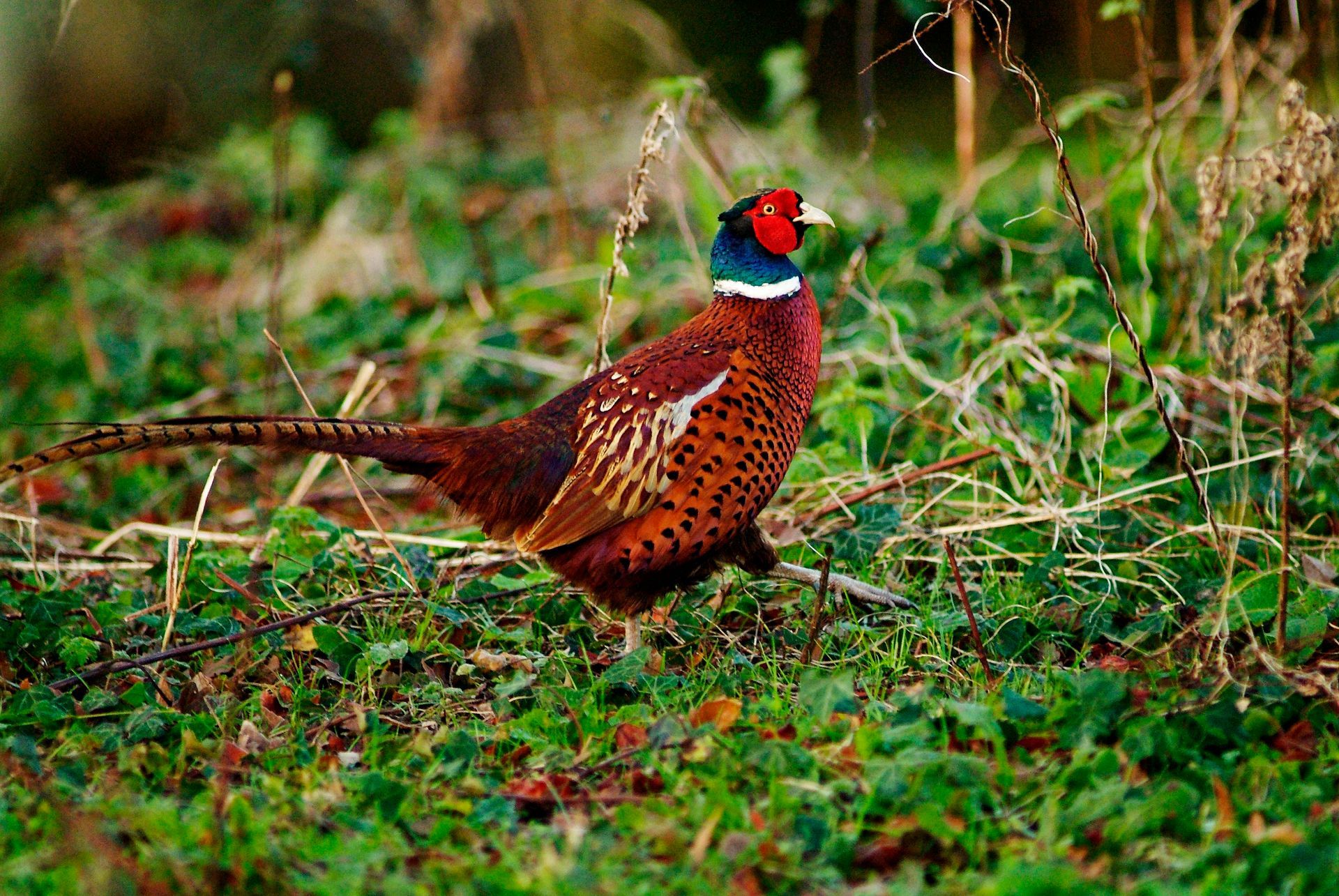
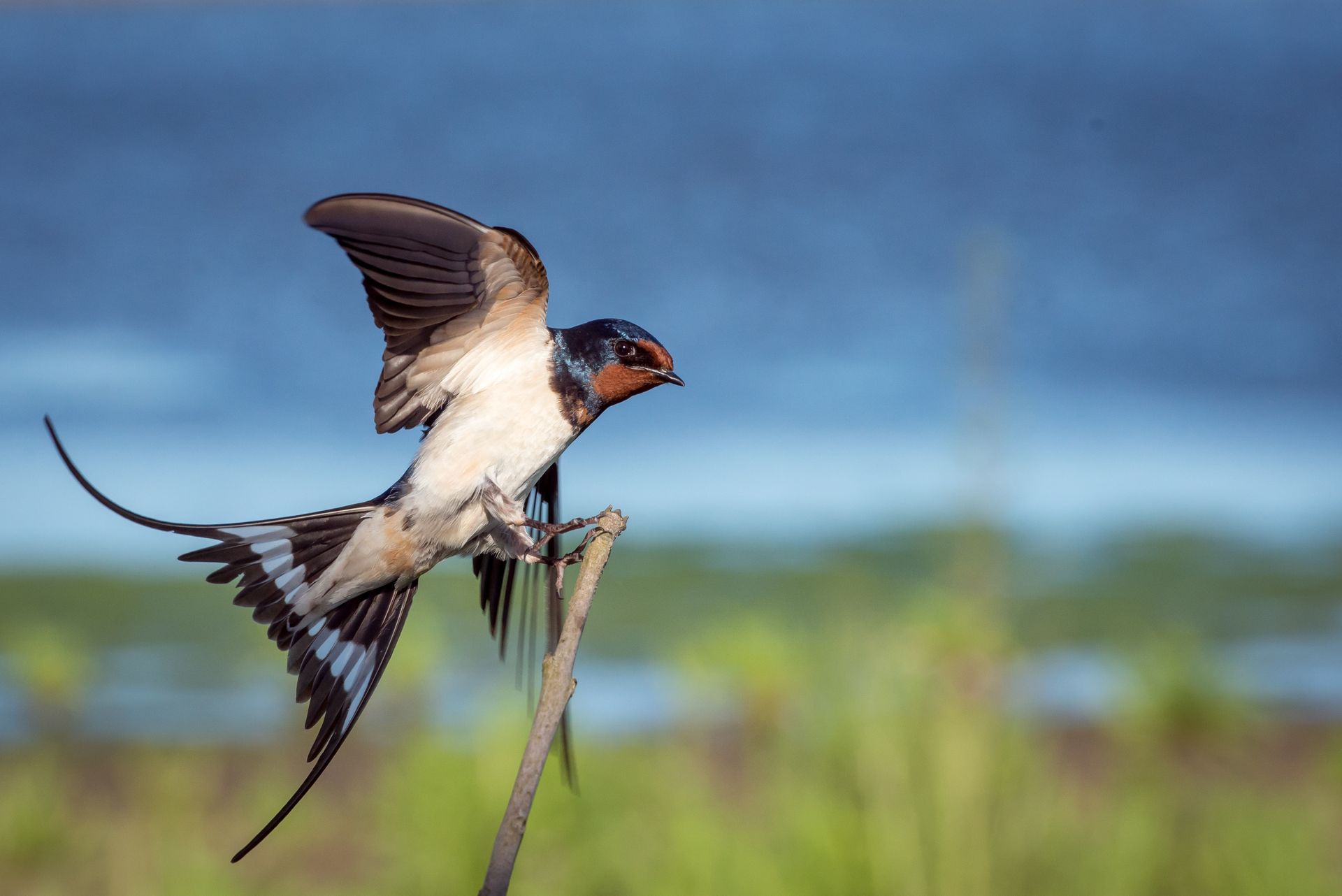
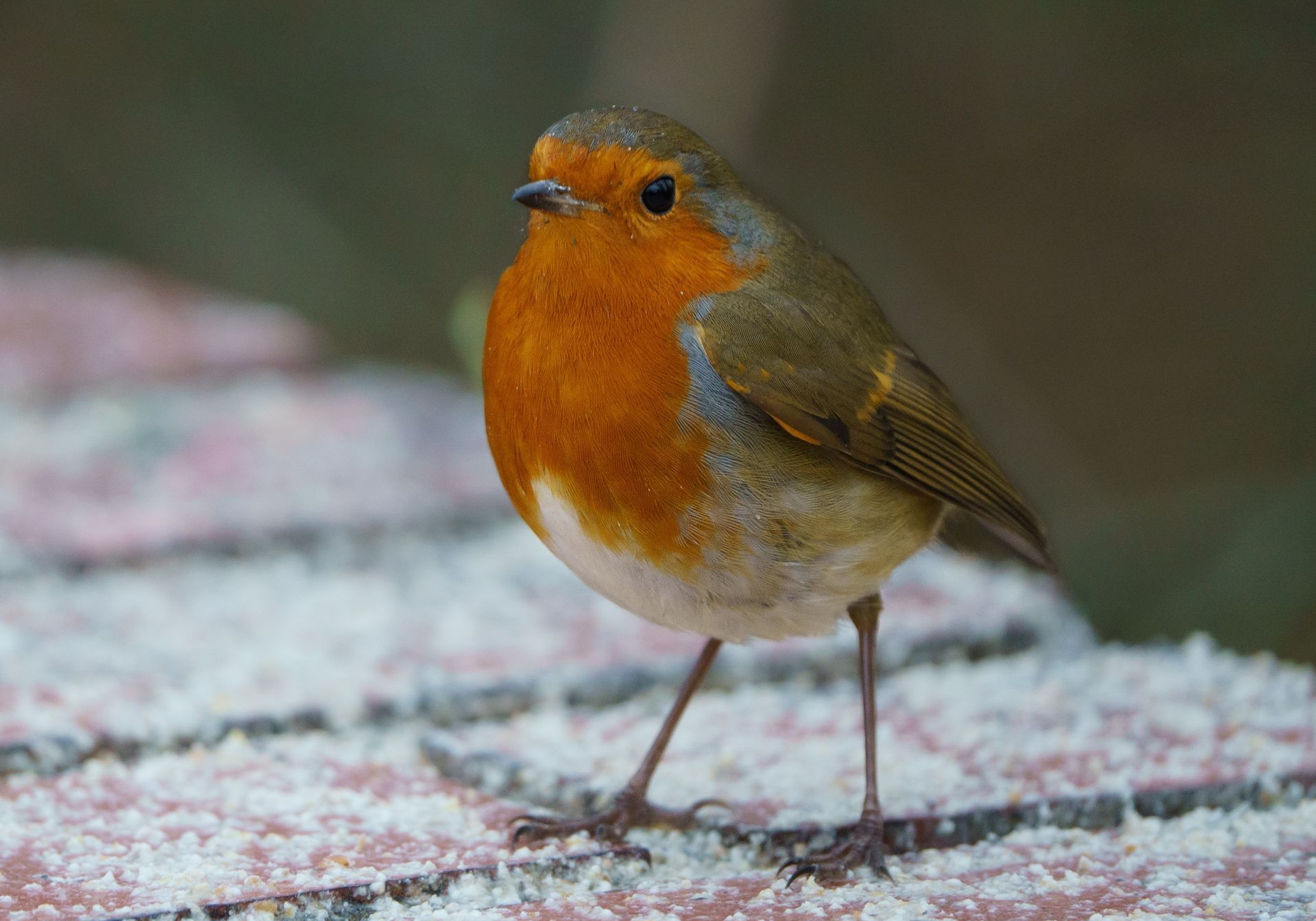
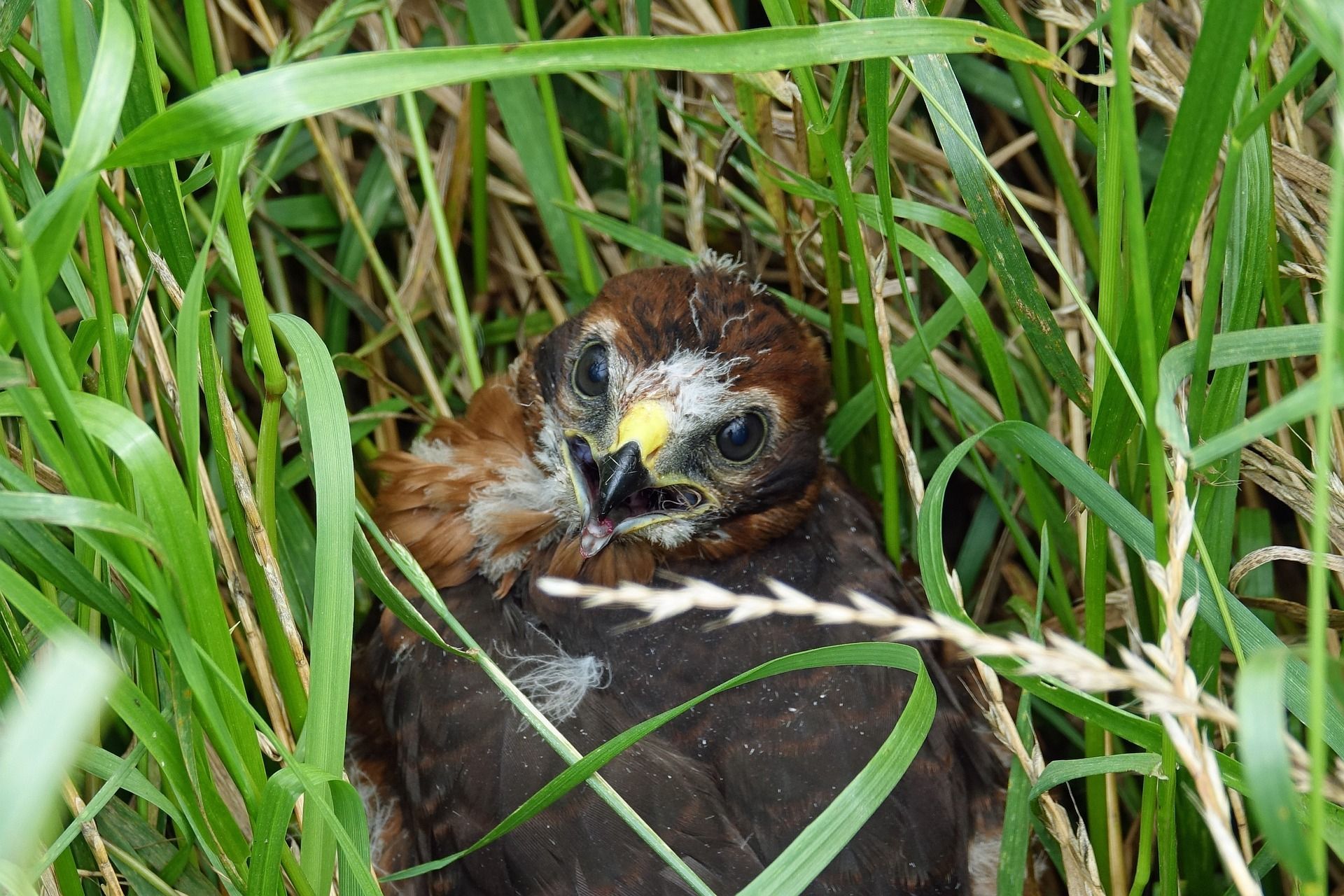
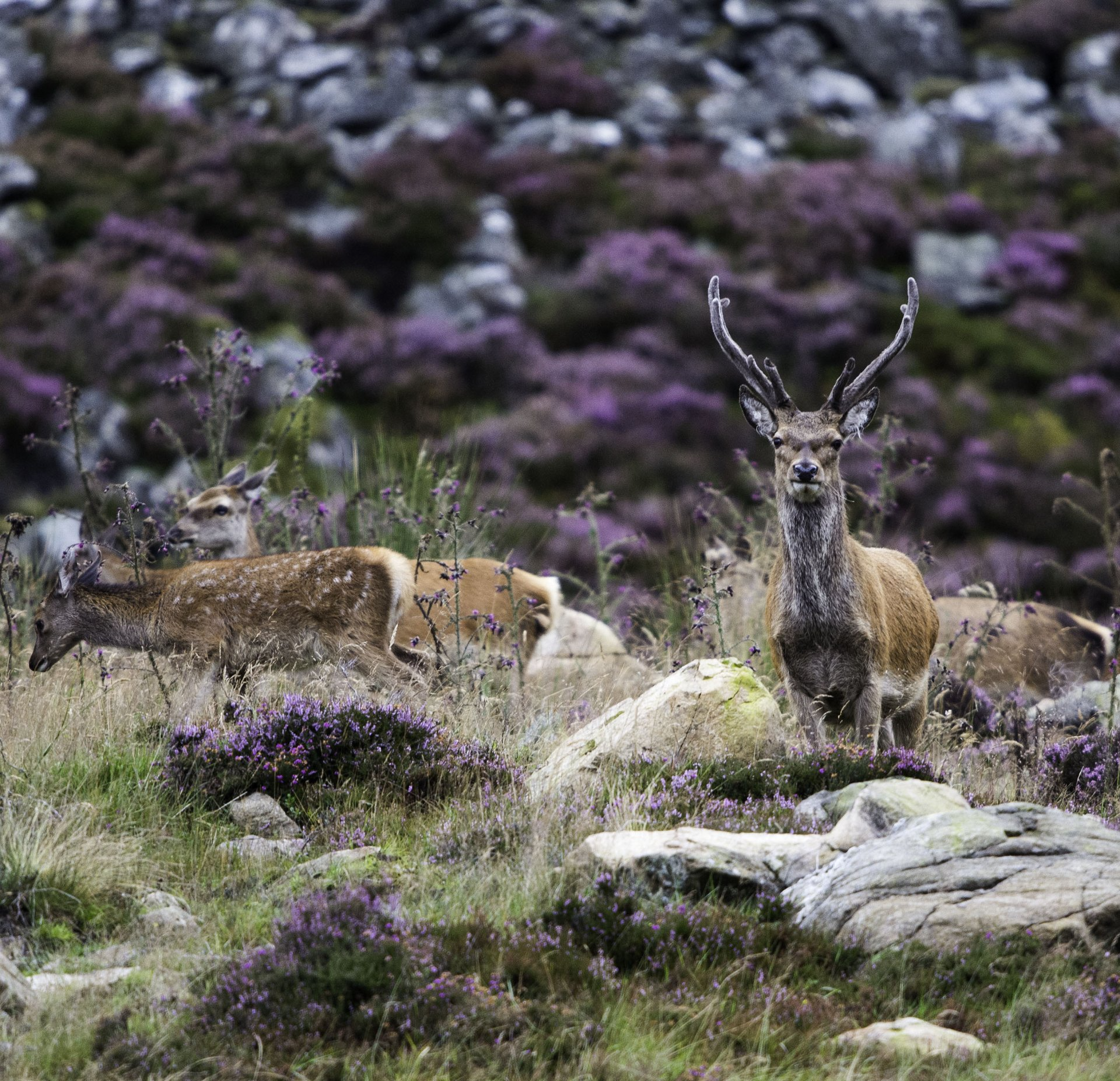
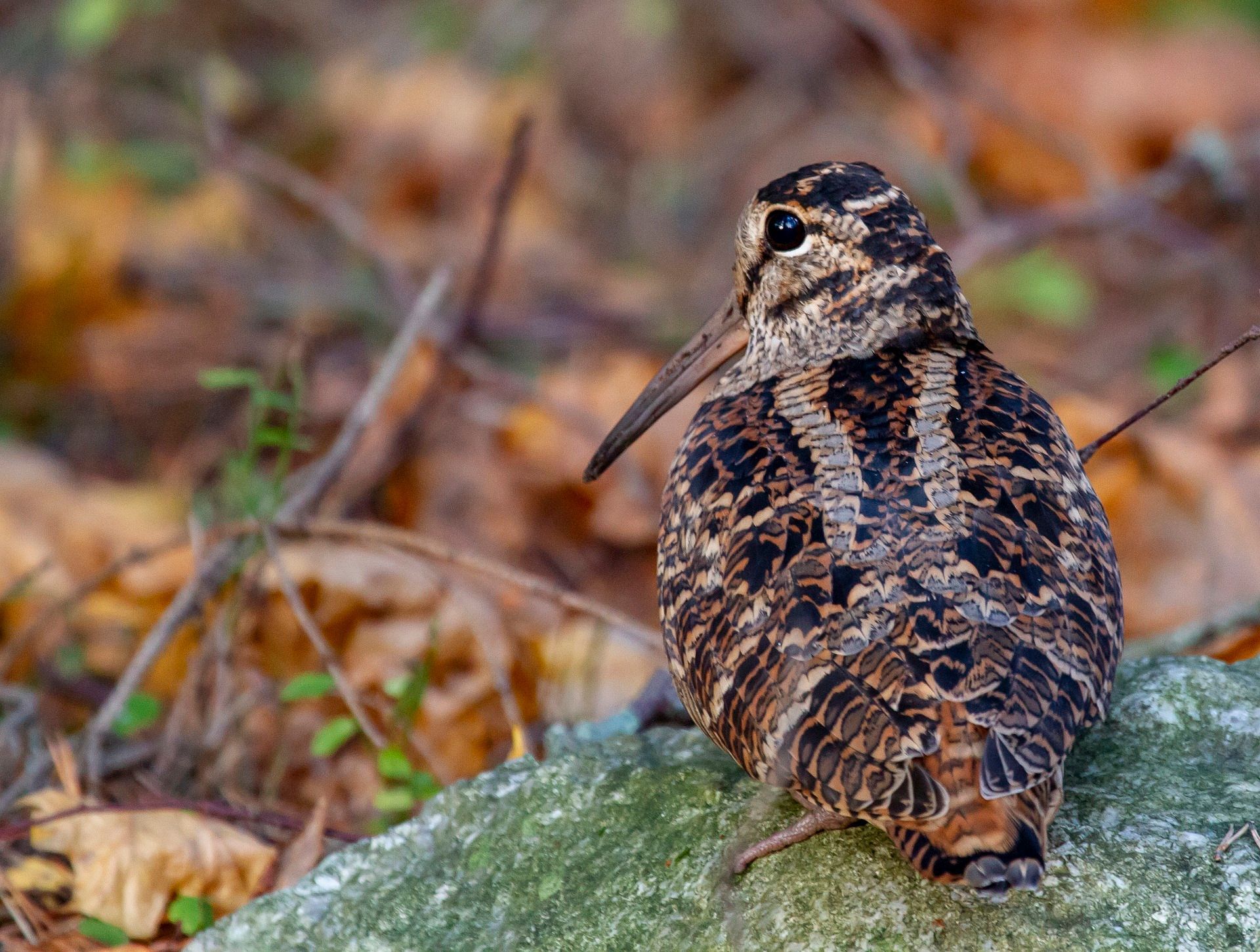
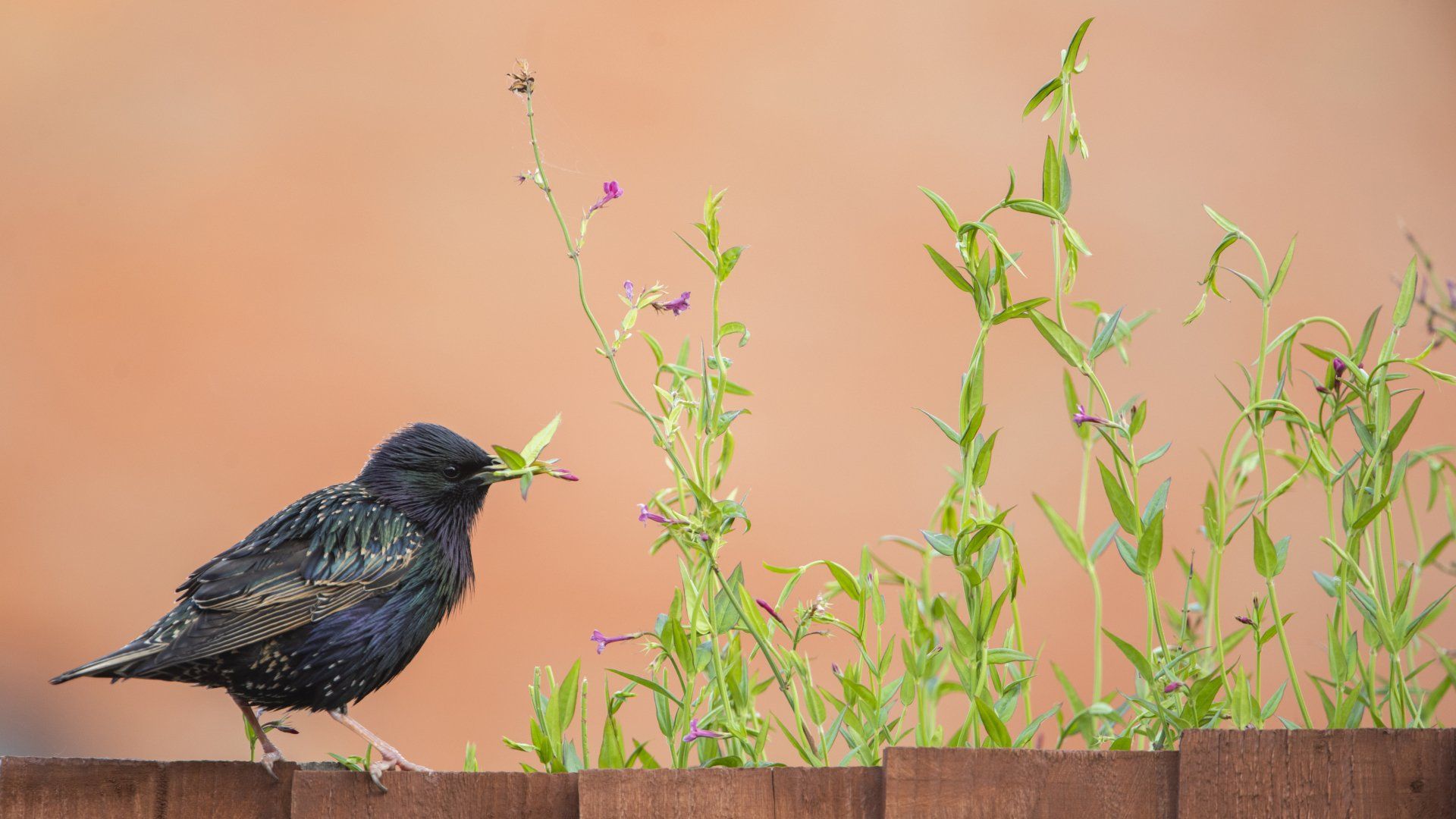
I’m proud of the team we’ve built at Courteenhall. When I took on running the business, we were a smaller, more traditional operation. Delivering what we do now, to the standard recognised by the King’s Award, has required a bigger, highly committed team. On the farming side, what has given me the most pleasure has been watching the return of species we genuinely did not expect to see. The list includes rare orchids, dung beetles, marsh tits, goshawks and snipe. It’s the most rewarding kind of evidence. You cannot make any of those animals come back; you can only make a place where they might want to be.
Q10: When you look ahead to the next generation, what would you most like Courteenhall’s legacy to be?
One where we have increased biodiversity, improved our soils, and helped make the lives of local people better. I want Courteenhall to have demonstrated that long-termism works on all measures.
Read more: