Alpacas or Llamas
Which Makes the Better Countryside Companion?

There are some animals that seem almost designed to make people smile, and the alpaca is certainly one of them. With its soft fleece, bright eyes, gentle expression and wonderfully curious nature, the alpaca has become an increasingly familiar sight across the British countryside. Once associated mainly with the highlands of South America, these charming animals are now found on smallholdings, country estates, visitor farms and rural homes throughout the UK. But while alpacas are much loved, they are also often misunderstood. Many people confuse them with llamas, while others imagine they are simply large, fluffy pets that can be kept like sheep or goats. The truth is more interesting. Alpacas are beautiful, useful and rewarding animals, but they have particular needs and are best suited to owners who understand them properly.
Alpacas belong to the camelid family, along with llamas, camels and vicuñas. They originate from South America, where they were bred primarily for their fleece. Their wool is one of the main reasons they have become so admired.
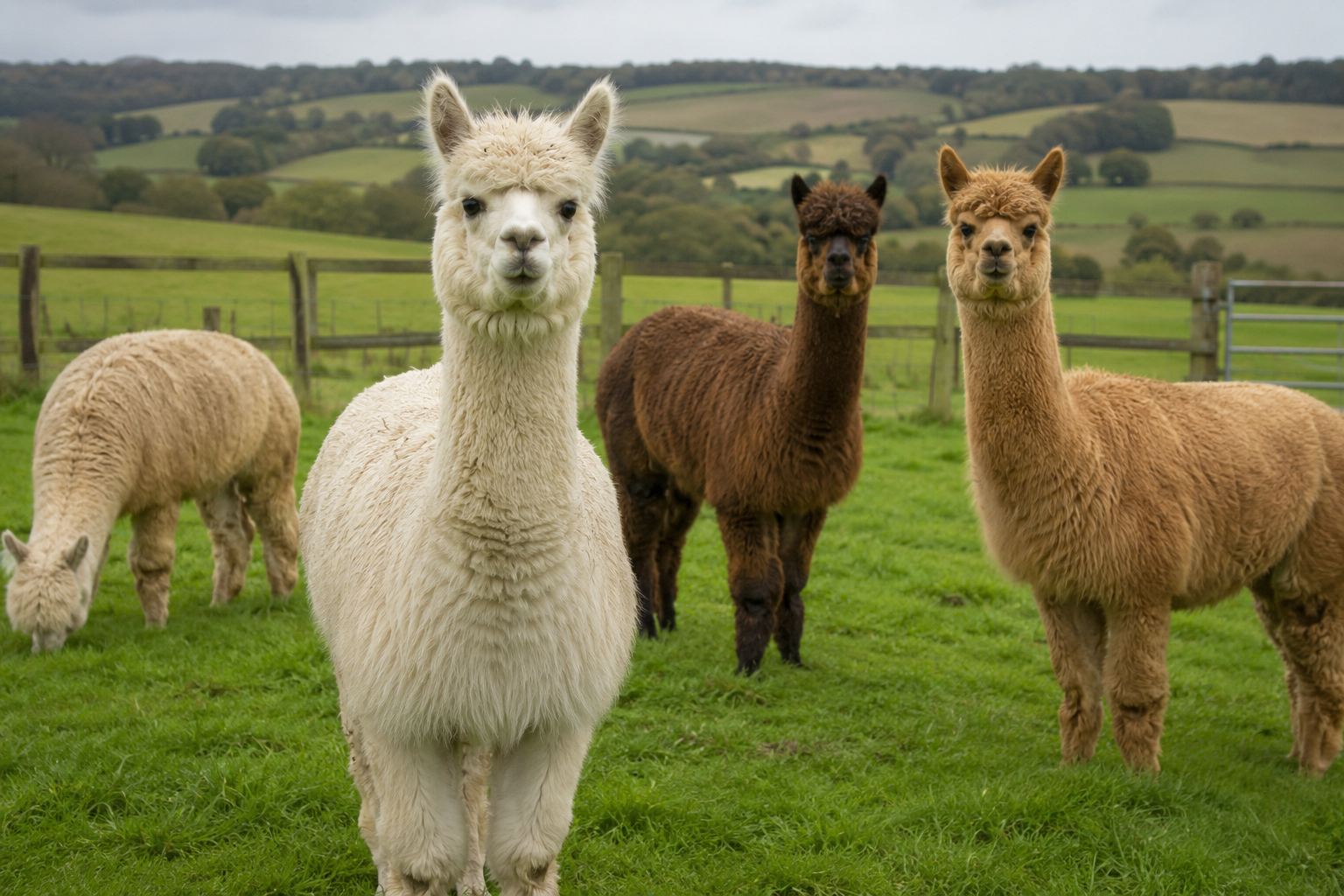
Alpaca fibre is soft, warm, lightweight and often highly valued by spinners, knitters and textile makers. Unlike sheep’s wool, it contains no lanolin, which can make it appealing to people who find ordinary wool irritating. There are two main types of alpaca: Huacaya and Suri. Huacaya alpacas are the most common and have a dense, fluffy fleece that gives them their teddy-bear appearance. Suri alpacas have longer, silkier fleece that hangs in beautiful locks.
Both types are kept for fibre, showing, breeding, companionship and, increasingly, as part of rural tourism and farm experiences.
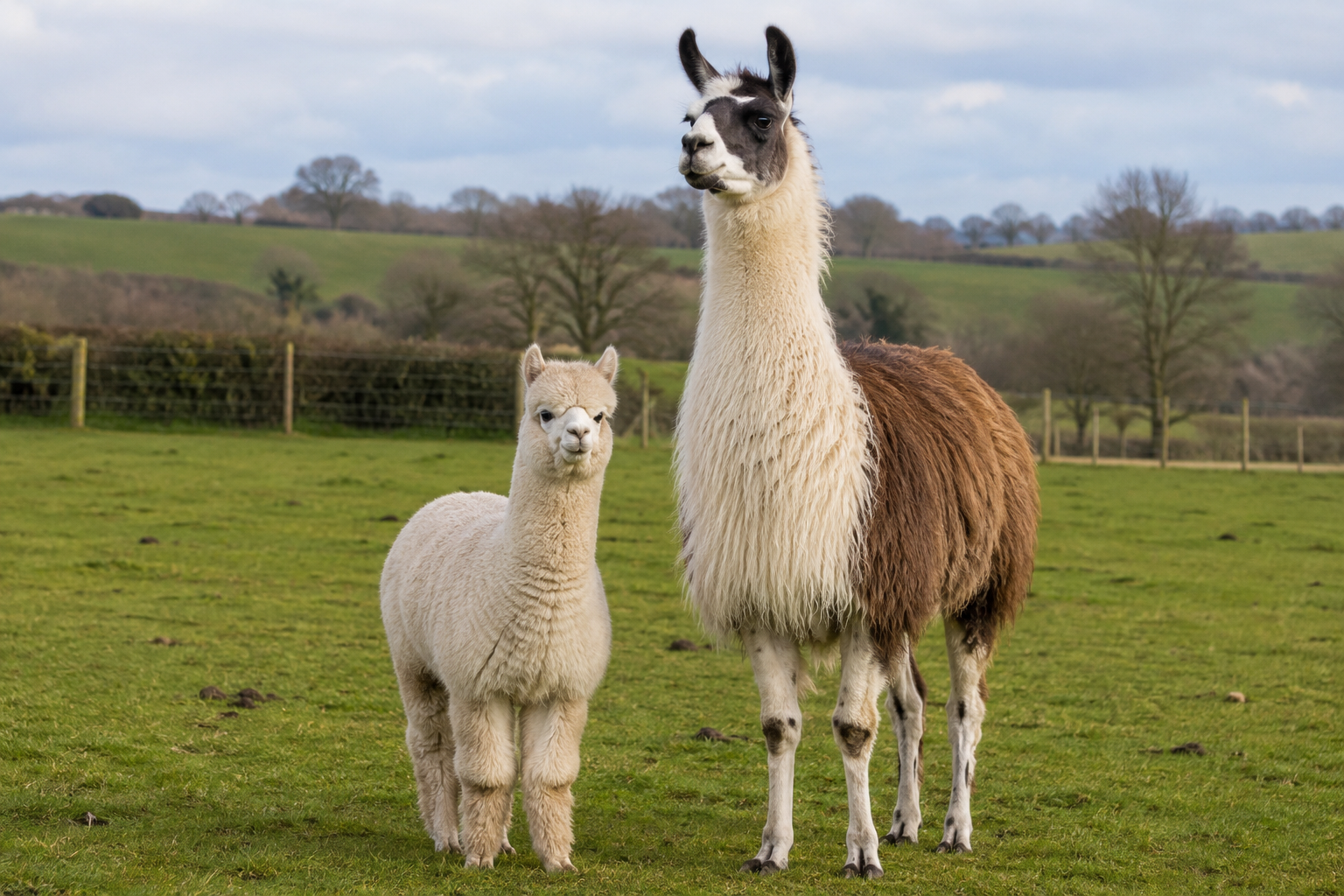

So how do alpacas differ from llamas? At first glance, they may look similar, but once you know what to look for, the differences are easy to spot. Llamas are much larger, taller and more strongly built. They were traditionally bred as pack animals, used for carrying loads across difficult terrain. Alpacas are smaller, more compact and were bred mainly for fleece. The British Alpaca Society explains that alpacas can suit owners with smaller acreages and can help diversify land use, while its husbandry advice also notes that they are herd animals and should be kept in groups of three or more.
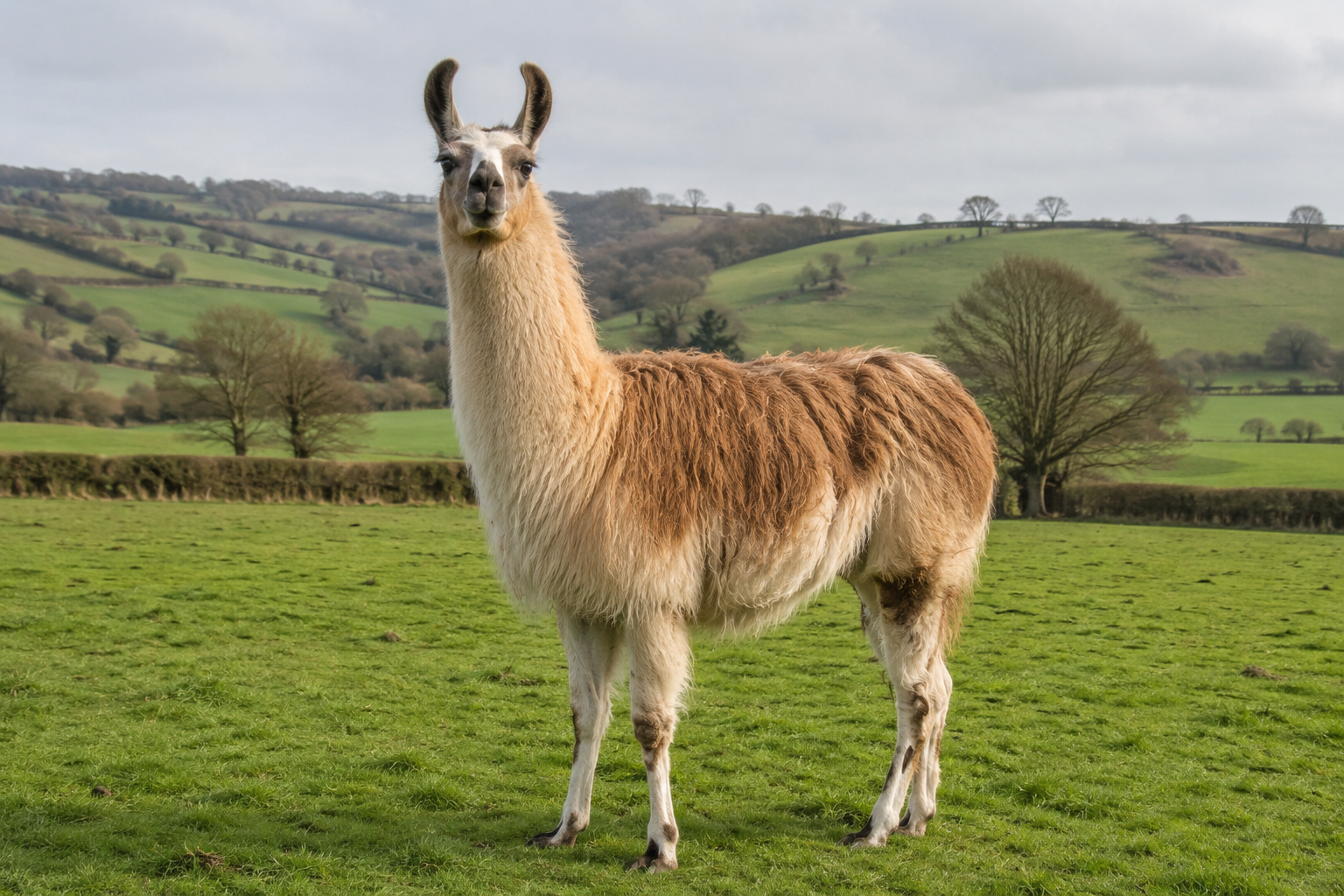
A llama usually has a longer face and distinctive banana-shaped ears, while an alpaca has a shorter, softer-looking face and smaller, spear-shaped ears. Llamas tend to be more confident and are sometimes used as guard animals for sheep or alpaca herds. Alpacas, by contrast, are usually more timid and herd-minded. They tend to feel safest in a group and can become stressed if kept alone. In simple terms, a llama is the larger, bolder working cousin; the alpaca is the smaller, softer fleece producer. Both can be intelligent and appealing animals, but they are not the same and should not be treated as interchangeable.
This brings us to the question many countryside readers may ask: which one makes the better pet? For most smallholders and families with suitable land, alpacas are usually the more practical choice. They are smaller than llamas, easier to manage in groups, and their calm, gentle presence can make them very rewarding animals to keep. However, they are not pets in the same way as dogs, cats or even some ponies. They generally do not enjoy being cuddled, grabbed or handled roughly, and they need patient, quiet, respectful care. Alpacas are best thought of as companion livestock rather than house-style pets. They may learn to take food from your hand, come when called and become comfortable around people, but many prefer not to be touched unless necessary. That does not make them unfriendly. It simply means they are prey animals by nature, and their trust has to be earned slowly.
For children, alpacas can be wonderful animals to learn around, provided adults set the right expectations. Children should be taught to move calmly, speak quietly and allow alpacas to approach in their own time. A child who learns patience around alpacas learns something valuable about all animals: affection is not always shown through cuddling. Sometimes it is shown through trust, space and gentle companionship. Keeping alpacas also requires proper land, fencing, shelter and routine care. They need grazing, access to clean water, protection from extreme weather and safe handling facilities. Like most farm animals, they should not be kept singly. The RSPCA advises that farm animals need enough space, suitable land, housing, shelter, fencing and enrichment that allows them to behave normally, and that many farm animals need to live with others of their own kind.
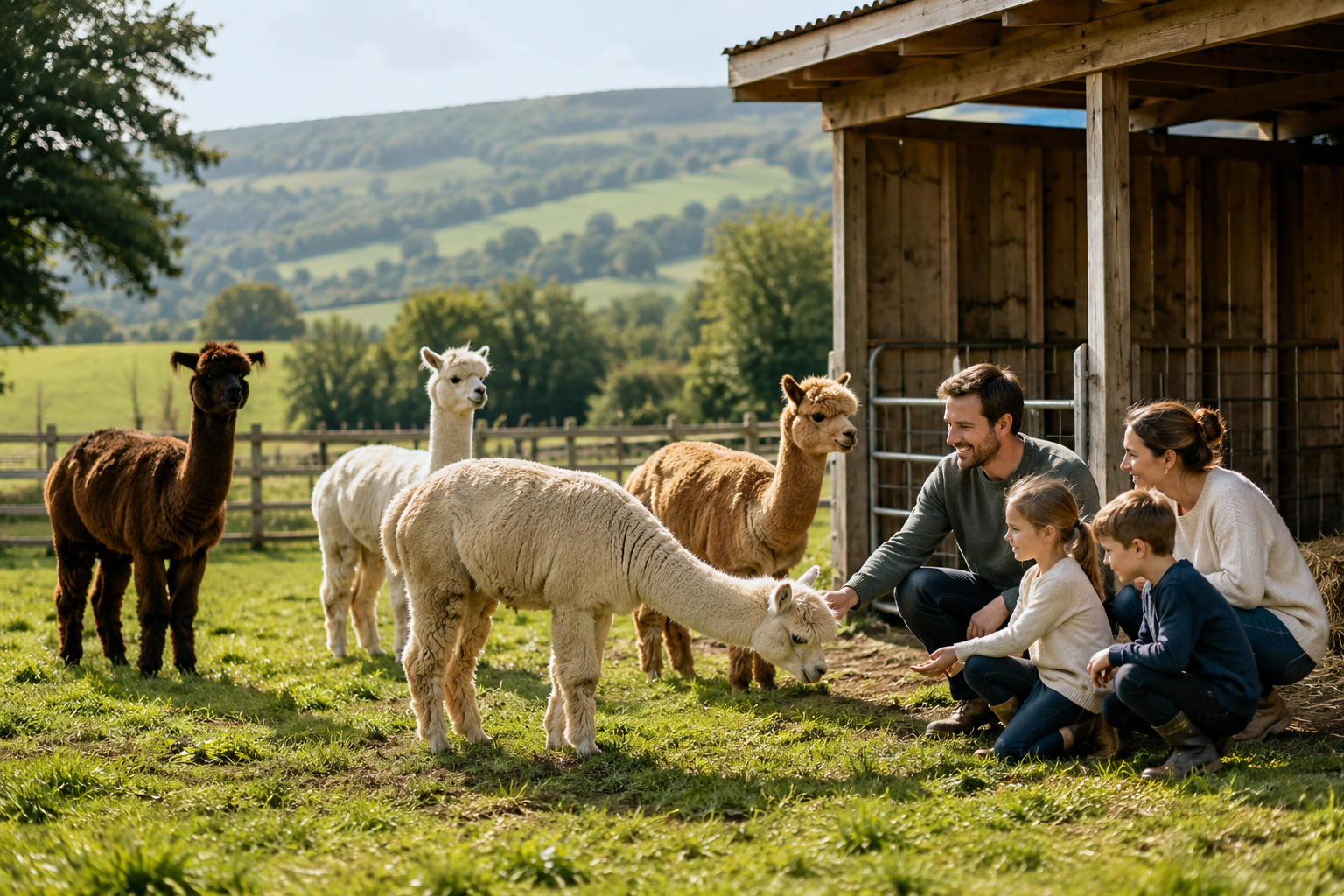
Daily care is generally straightforward once owners understand what they are doing, but it should not be underestimated. Alpacas need regular checks, annual shearing, toenail trimming, vaccinations as advised by a vet, parasite control, dental monitoring and careful observation. They are known for hiding signs of illness, so owners must learn what normal behaviour looks like and act quickly when something seems wrong. The British Alpaca Society stresses that time spent with alpacas is important because knowing their usual behaviour helps owners spot health problems earlier.
Their grazing habits can suit smallholdings well. Alpacas are generally lighter on the ground than larger livestock and have soft padded feet rather than hooves, which can make them gentler on pasture. They also tend to use communal dung piles, which can make field management easier. That said, pasture still needs to be managed carefully, especially through wet winters when land can become poached or muddy. One of the great joys of alpacas is their quiet presence. They hum to one another, graze peacefully, watch the world with curiosity and move as a herd with gentle elegance.
They are not loud animals, and their calmness can be deeply appealing. It is easy to understand why alpaca walking, alpaca experiences and small alpaca herds have become popular in rural tourism .Llamas have their place too. For owners with more land, more experience and a specific purpose, such as trekking, packing or guarding, a llama may be a better choice. They are stronger, more assertive and often more independent. But for those seeking attractive, manageable, fibre-producing animals for a smallholding, alpacas are often the more suitable option .The key is not to buy either animal on impulse. Their charming faces and photogenic fleece can make alpacas seem irresistibly easy, but responsible ownership means research, preparation and a long-term commitment. Prospective owners should speak to experienced breeders, visit established herds, understand costs and find a vet familiar with camelids before bringing animals home.
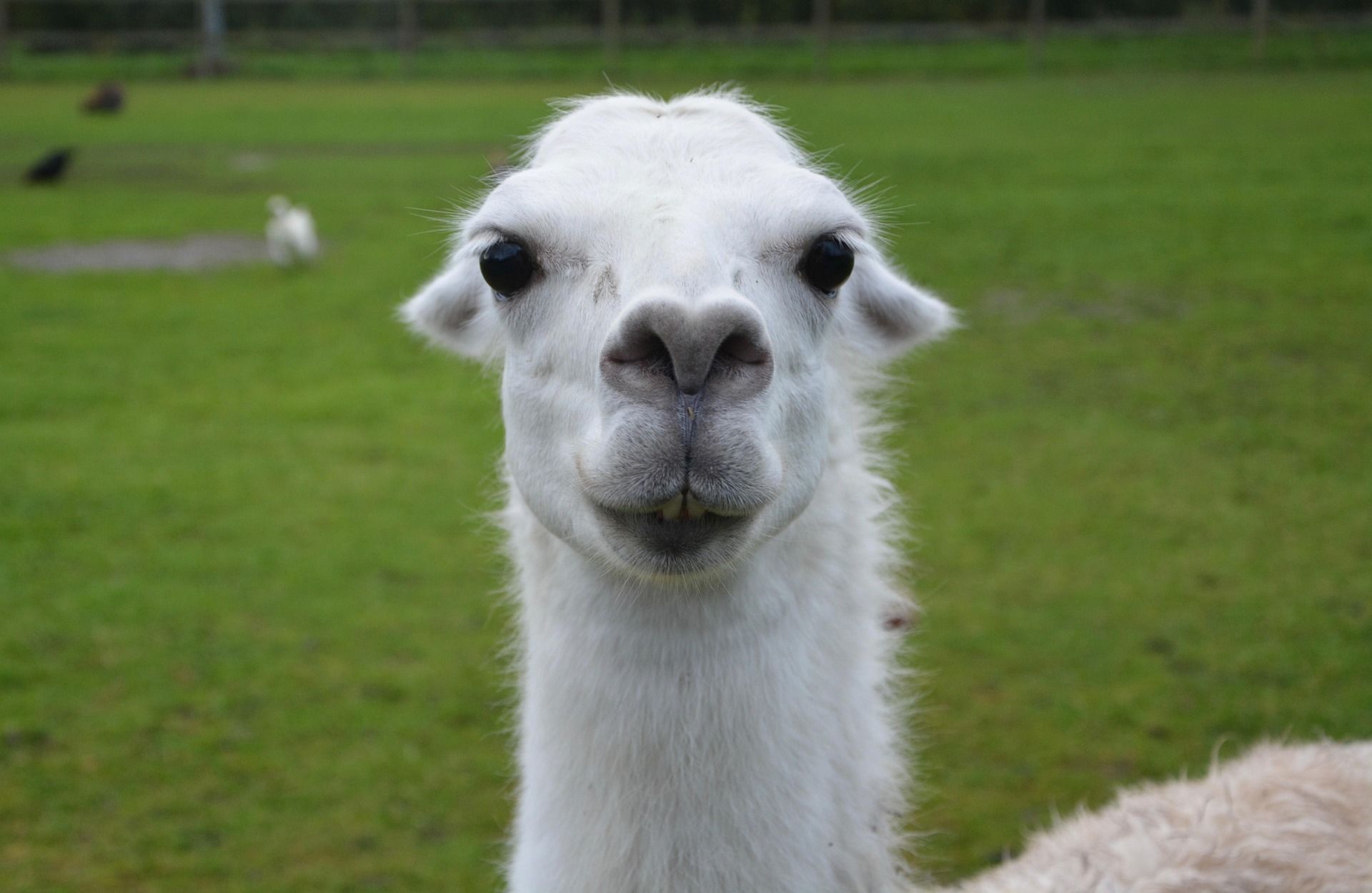
For the right countryside home, alpacas can be a delight. They bring beauty to a field, interest to a smallholding and a sense of quiet character to rural life. Their fleece is useful, their behaviour fascinating and their presence wonderfully calming. They are gentle, curious and distinctive animals, but they deserve to be understood on their own terms. So, alpaca or llama? If you want a large, confident trekking or guarding animal, the llama may be the better choice. If you want a smaller, gentle herd animal with beautiful fleece and a charming place on the smallholding, the alpaca is likely to win many hearts.
Either way, these remarkable camelids remind us that the countryside is always richer when we take time to understand the animals within it. Alpacas may be soft to look at, but their appeal goes far beyond fluff. They are intelligent, social, useful and quietly captivating — a true smallholding favourite for those prepared to give them the care, company and respect they deserve.
Read more: