Overcoming adversity to create a community hub through goats’ cheese
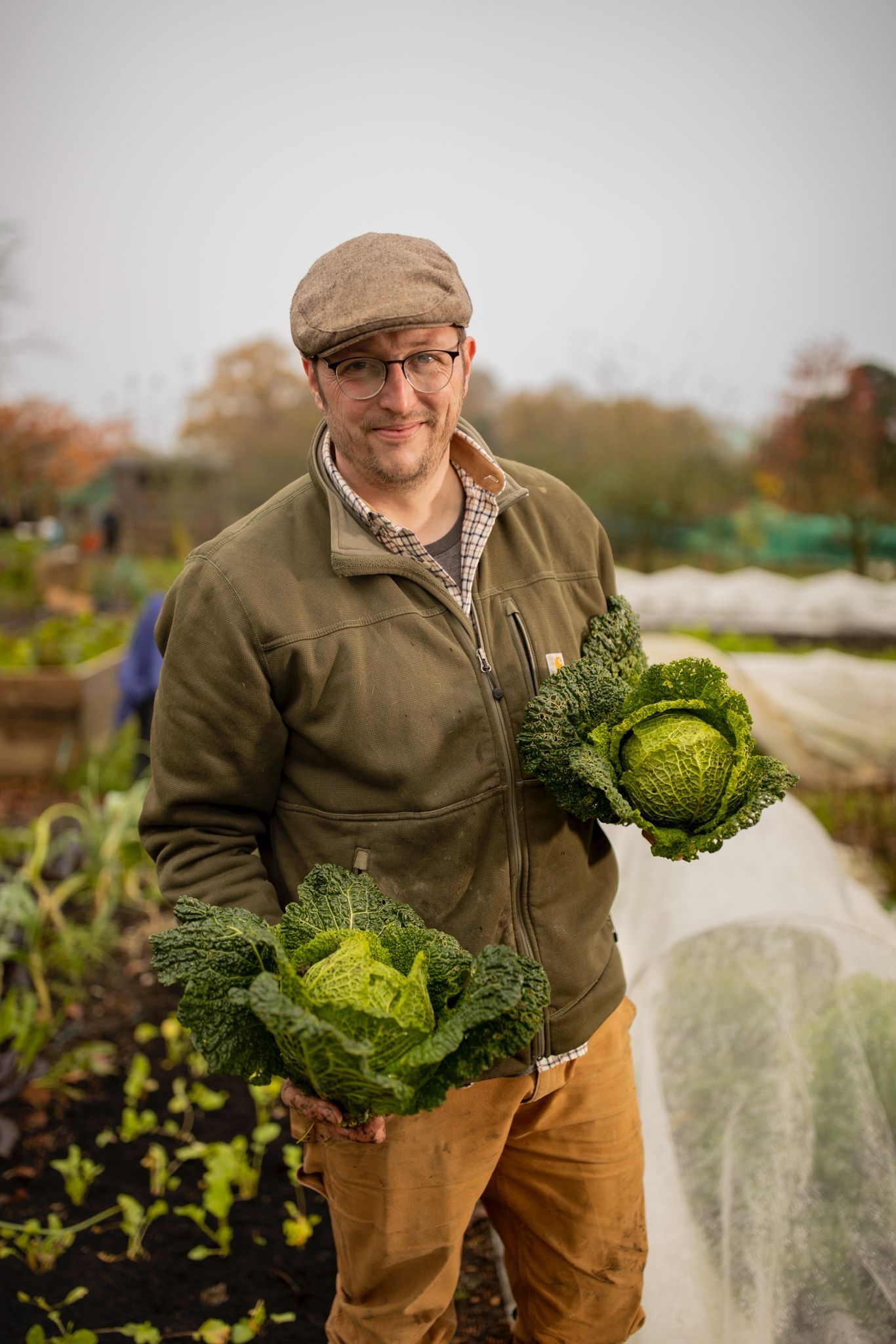
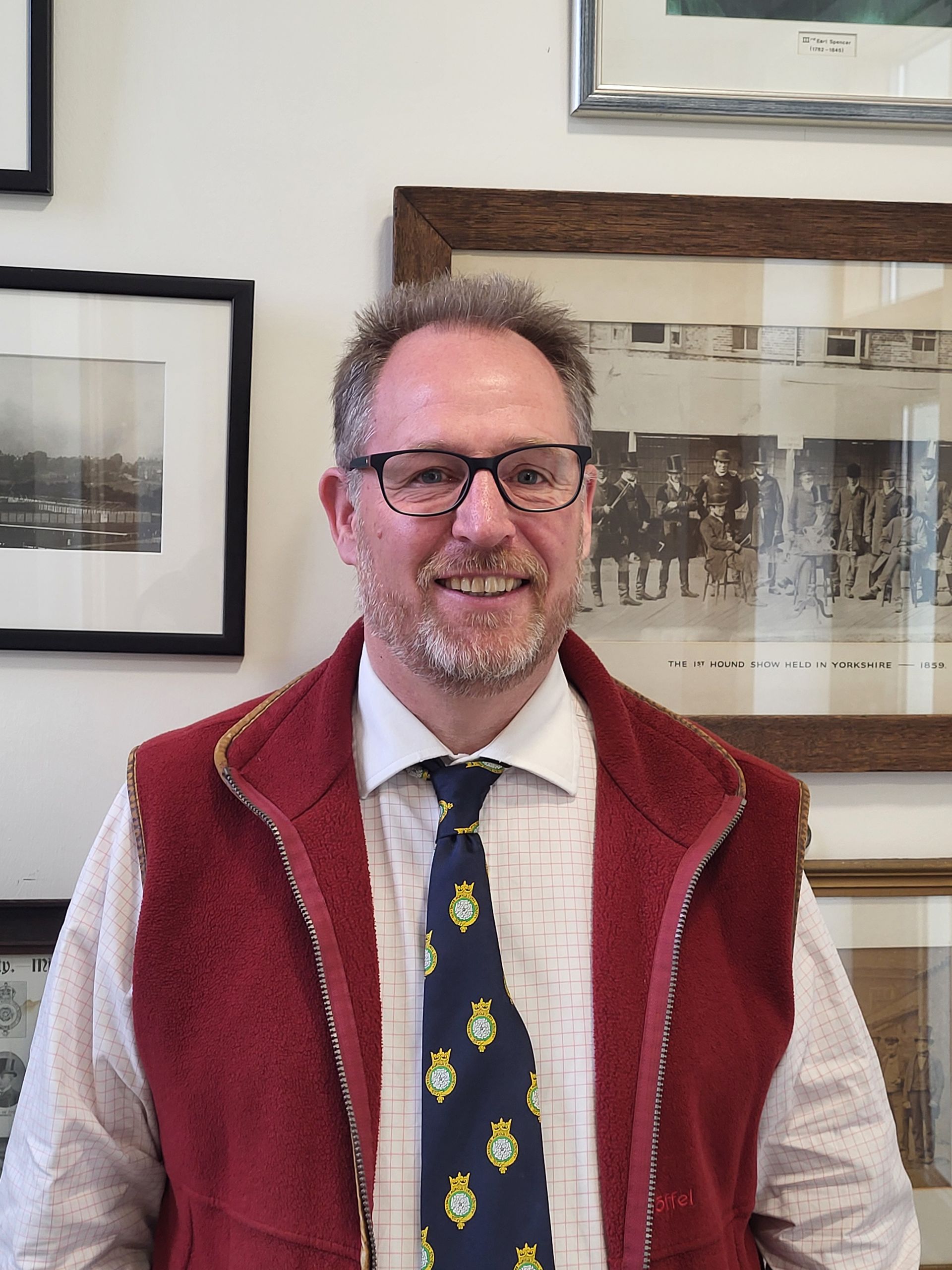
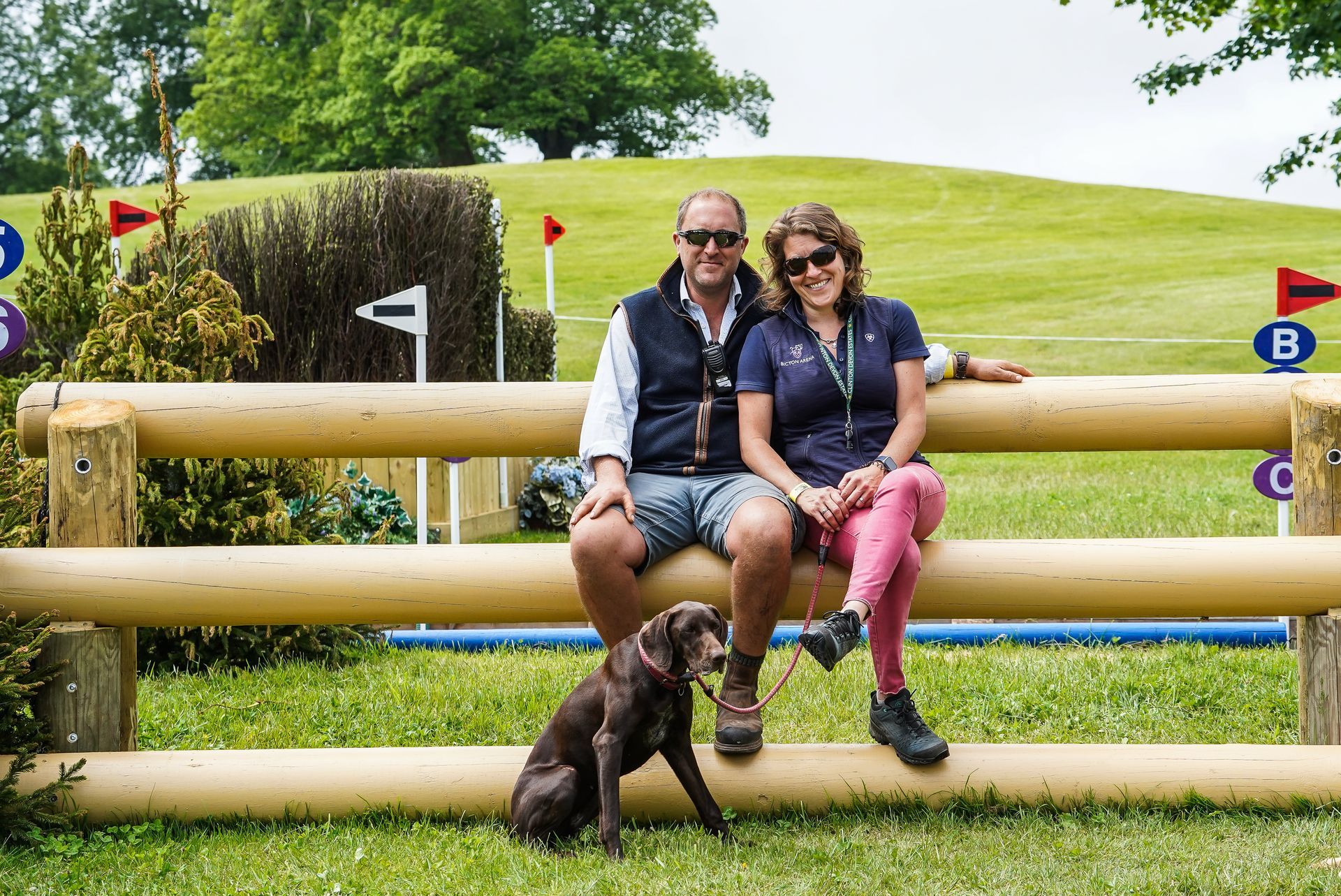
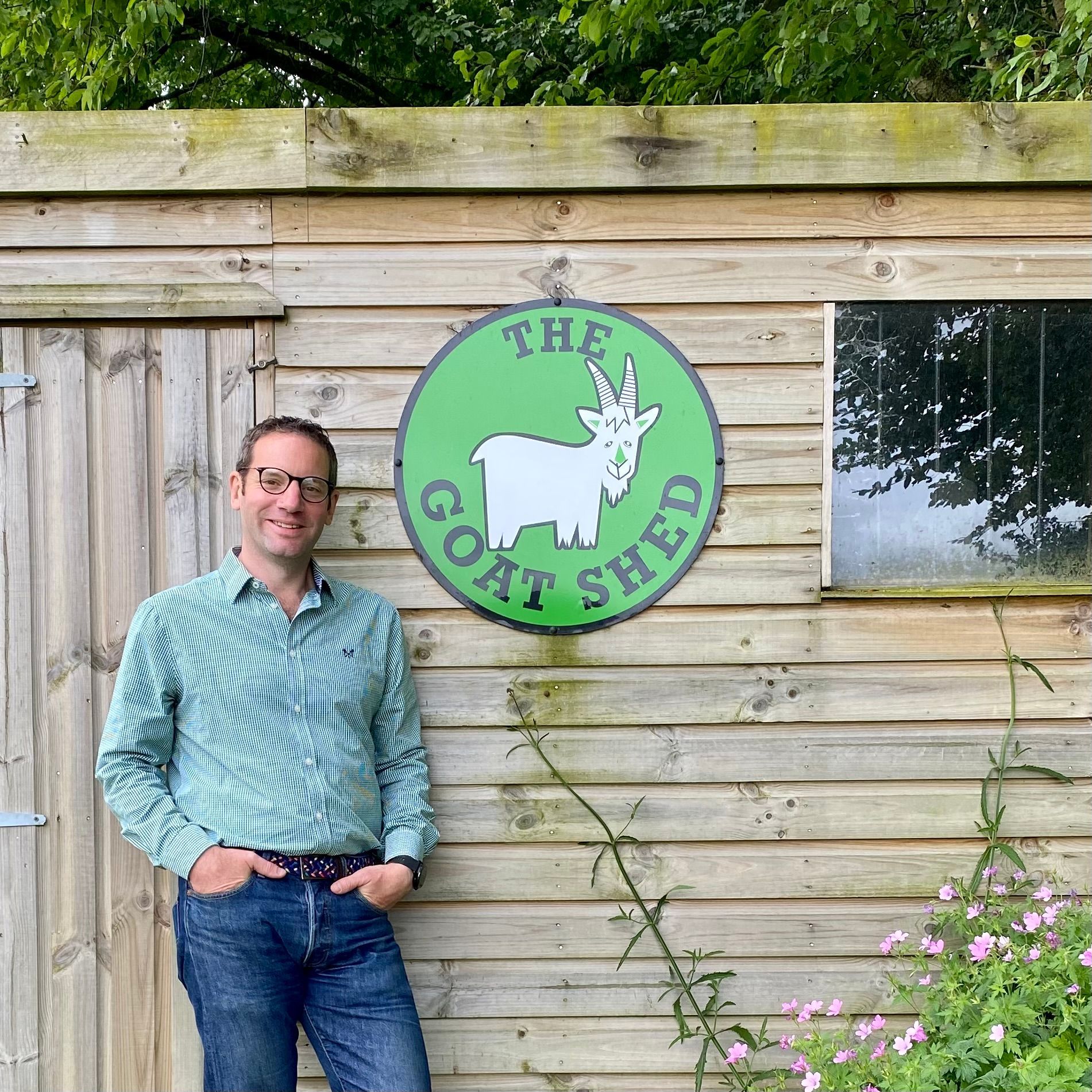
Sam and Caroline Steggles have spent well over a decade building Goat Shed in Norfolk into a thriving rural destination. Known for its cheeky brand, award-winning farm shop and kitchen, goat’s cheese, holiday accommodation and close ties with Norfolk suppliers, this business is an example of how dedication, diversification and enterprise can create something much bigger than a single farm product.
But, when Covid struck in 2020, their hard-won success was suddenly thrown into doubt as many of their main routes to market disappeared almost overnight. “In the space of about 24 hours, I’d lost 90% of our cheese making business, just like that,” recalls Sam. “We had milk coming in and were making the cheese but had no one to sell it to and nowhere to send it.”
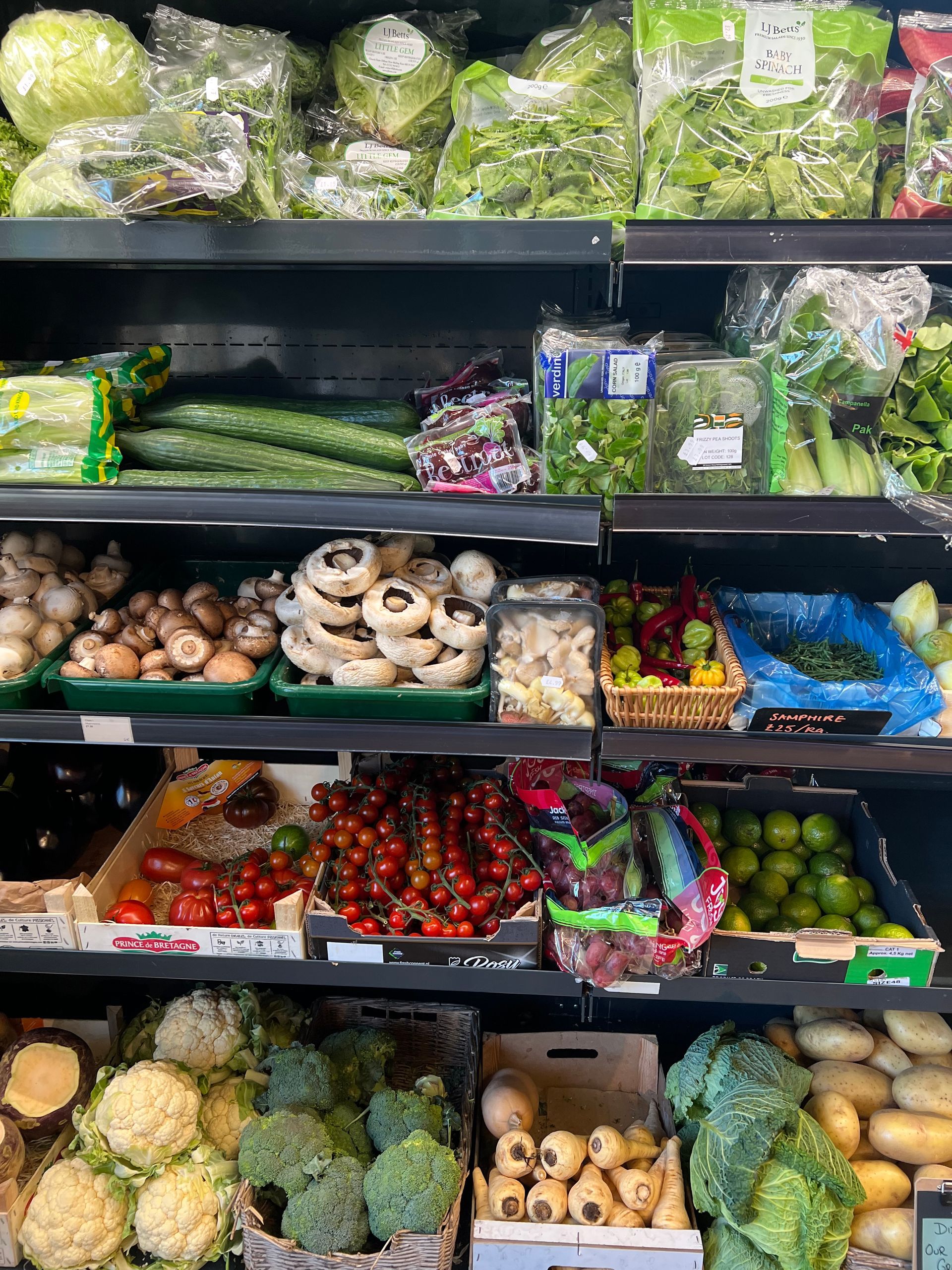
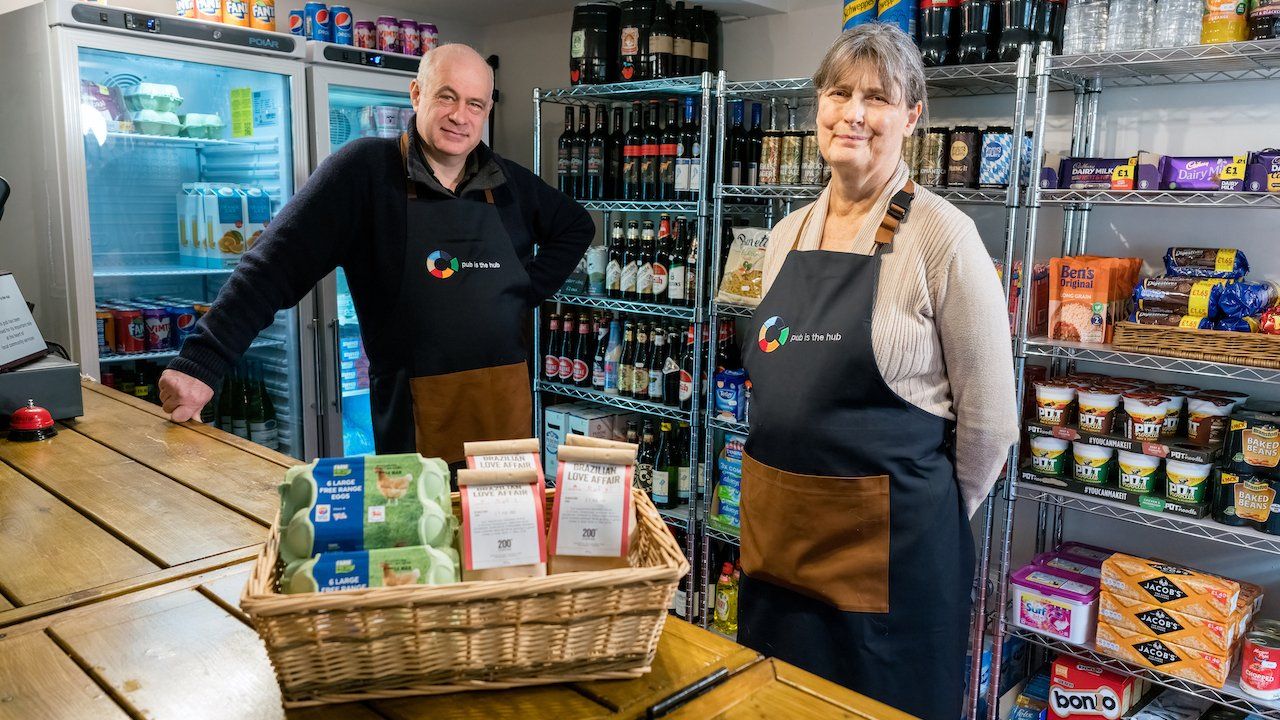
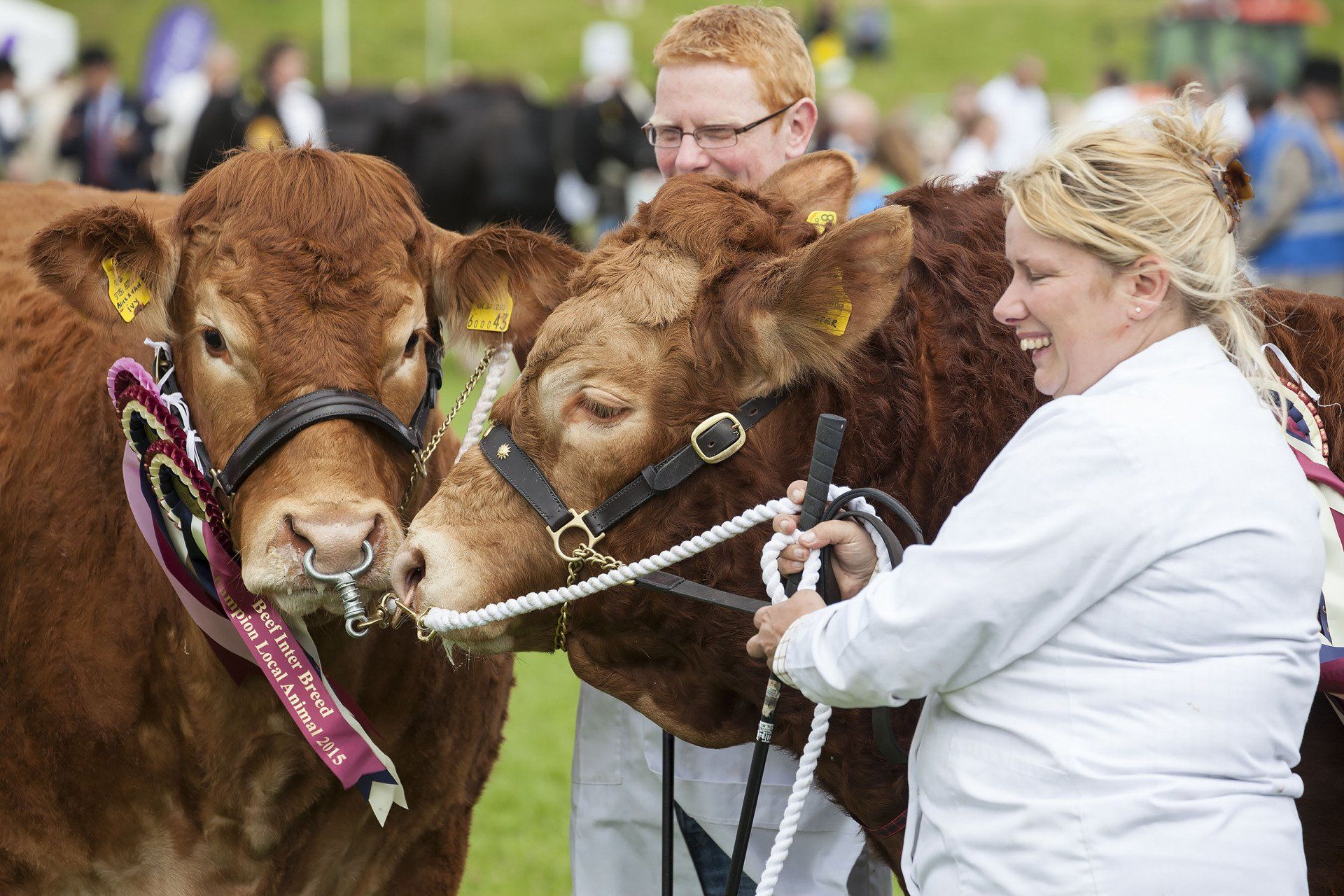
During lockdown, he turned a pop-up shed into a safe local shop, sourcing essentials from nearby producers to offer what supermarkets could not. What Sam expected to be a temporary fix became the spark for something much bigger Humble beginnings. Raised in a livestock farming family, Sam began buying and selling calves as a teenager, rearing stock on rented land and following in the footsteps of his grandfather who was an early pioneer of pedigree Simmental cattle in Britain in the 1970s.
Sam’s hands-on start was matched by an entrepreneurial streak at Harper Adams, and after college he began a career in pig and poultry equipment sales but retained his ambition to run a farming business of his own.
The turning point came after the loss of a close family member.

“We’d gone through a sudden and unexpected bereavement, which made me realise if you want to do something you’ve to get on and have a go – life is short,” he says. Preparing to welcome their first child at the same time sharpened Sam’s mindset.
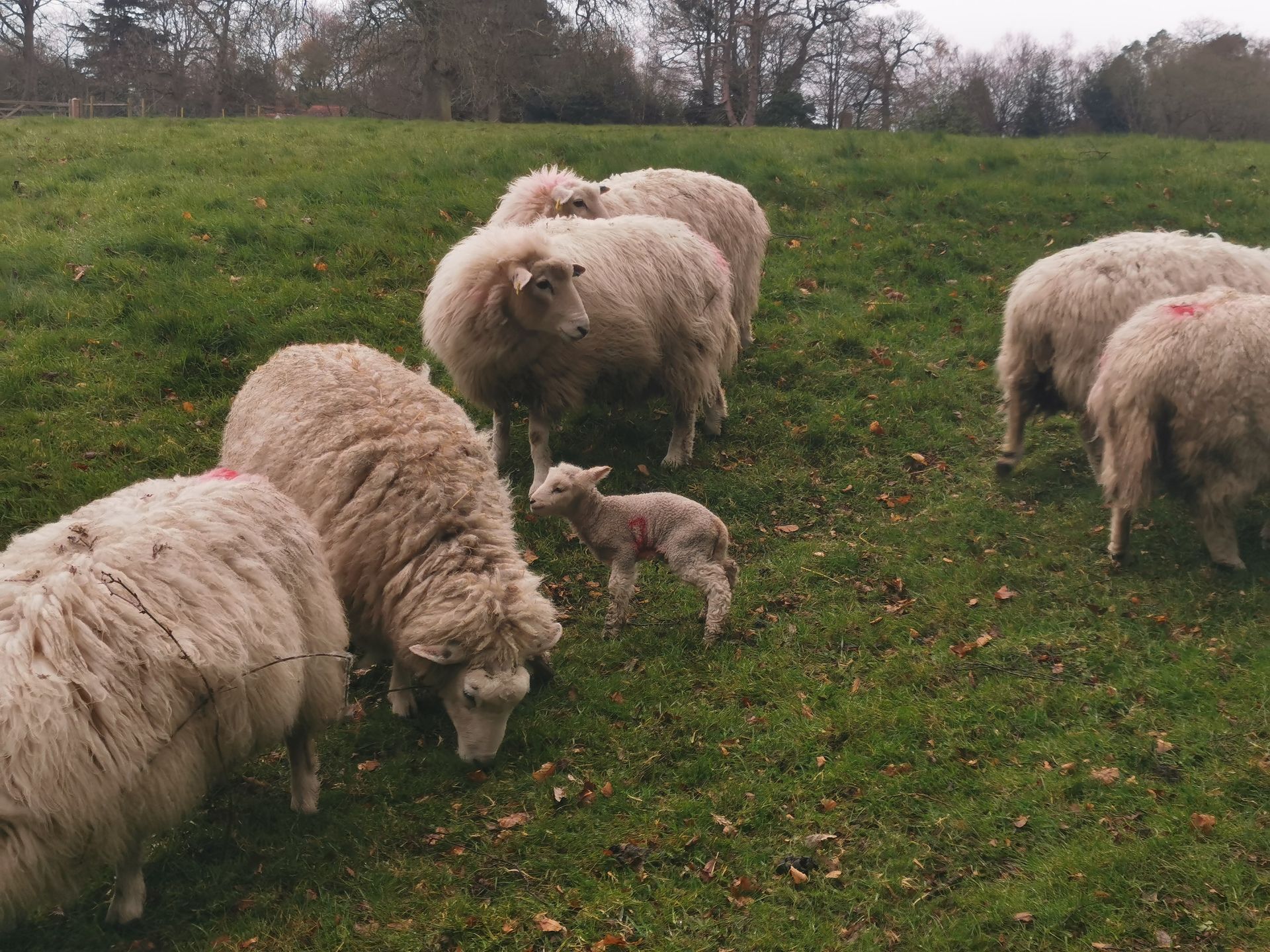
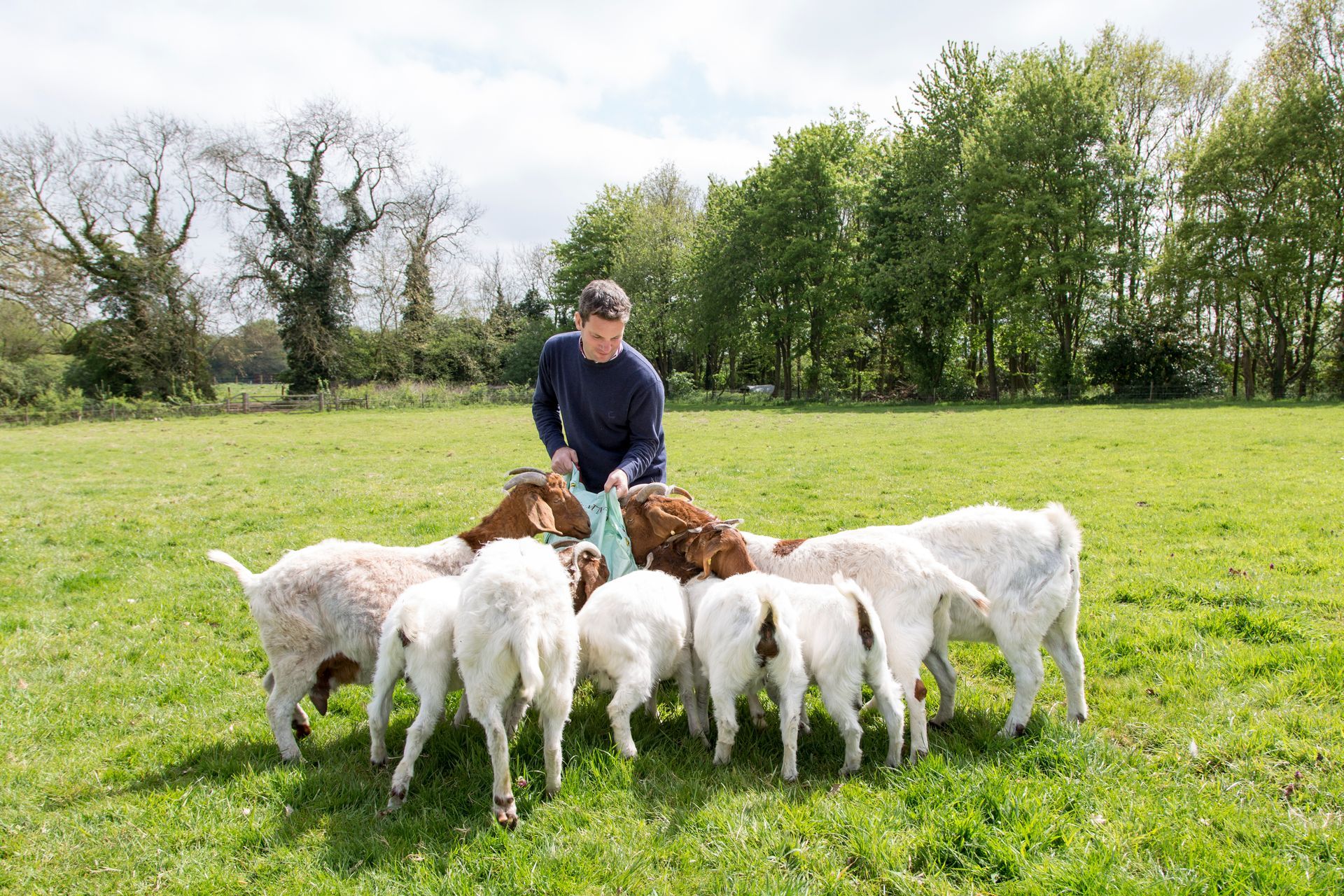
He and Caroline explored several routes back into agriculture, but many required more capital than they could realistically raise. A more achievable entry point was spotted when Sam read a feature on goats. “I saw something in the farming press about goats and realised they didn’t need as much upfront investment as other routes” he recalls. So, in October 2009, after a family trip to Northumberland, Sam and Caroline returned with 10 goats in tow.
With Sam still working full-time, one of his customers offered an old dairy unit to rent.
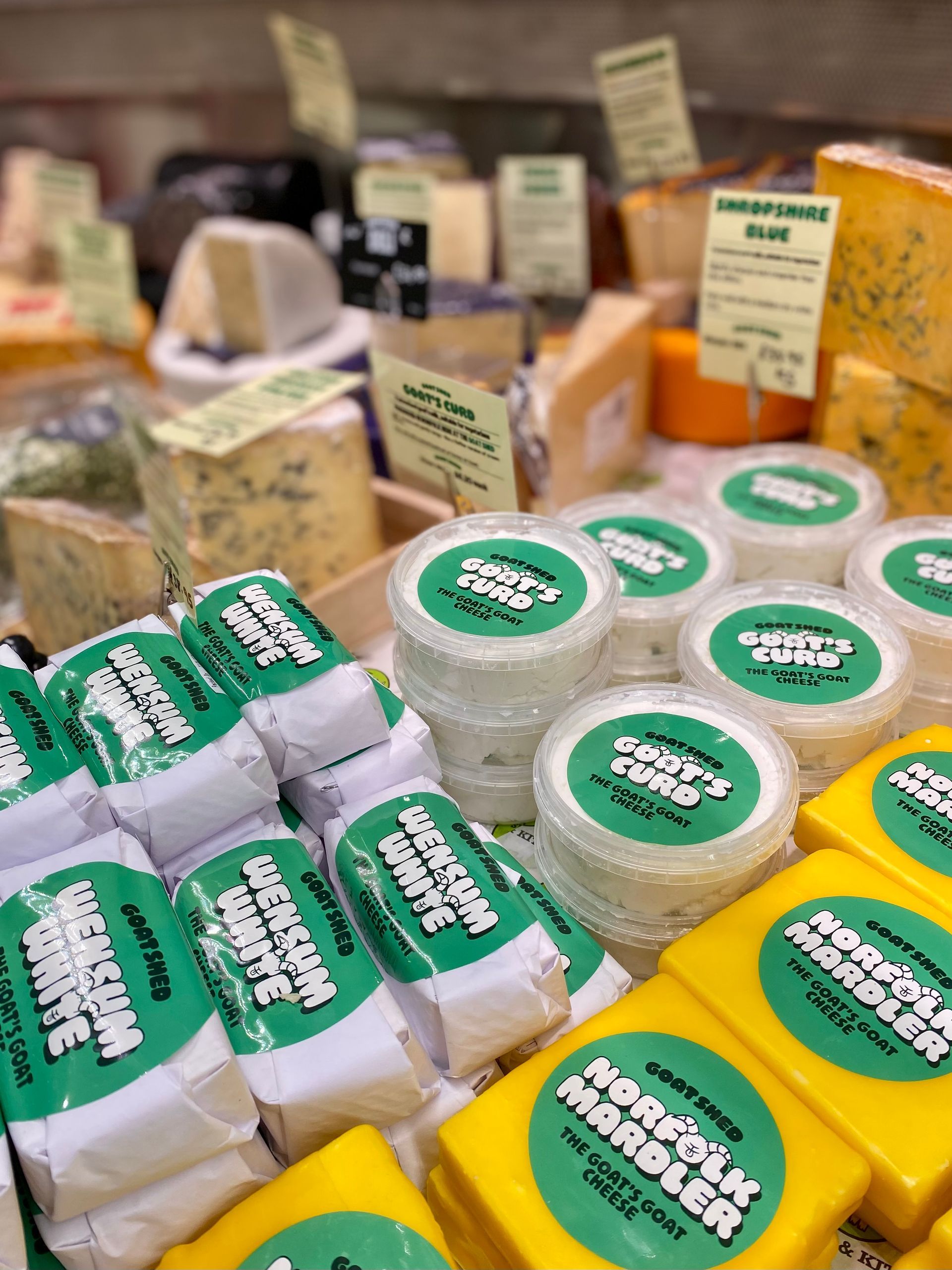
“We built a makeshift milking parlour out of bailer twine, old fridges and goodness knows what else – whatever we could get our hands on,” he says. From 2010, they were turning milk into cheese, and a £5,000 growing business award through Norfolk Young Farmers helped them buy equipment. On 14 August that year, Sam sold his first cheese – a small round called Ellingham, after the village where they lived – at Diss farmers’ market.
The herd grew to 300 goats and, after a short cheesemaking course in Scotland, so did the range. Wensum White, their take on a brie, would later win a Super Gold at the World Cheese Awards.
Covid-19
By the start of 2020, the business had gained momentum, with their cheese reaching airlines, delis, pub chains and supermarkets, with holiday cottages and cheesemaking courses providing additional strands of income .Sam had secured a Nuffield Scholarship study tour and was preparing to spend 12 weeks overseas looking at how food businesses grow sustainably, but in March, as Sam landed in Brisbane, the Covid pandemic hit .“The calls came in quick succession,” he says .“A consignment of cheese was stuck on a runway in Dubai and buyers were shutting up shop.
“I had to buy a ticket home to ensure I didn’t end up stranded at the other side of the world – all I had to show for my troubles was a haircut!”
Adaptation Back at Fieldings, there was already a garden shed in the yard, with an honesty box, selling cheese, honey and eggs .This small wooden shack soon became an emergency outlet for the local community
.Sam rang farmers’ market contacts for bread and other essentials, posted quick phone videos sharing their postcode, and invited locals to come and get what they needed .When the weather turned, the pop-up shifted into a barn. When customers asked for meat, Sam called a butcher, ordered a best-selling selection and found a fridge to keep it in.
“The community just came together,” Sam says .“Soon, we had sacks of flour, bags of yeast and a container load of toilet rolls – people travelled miles, not just for food, but for reassurance.”
Evolution and diversification
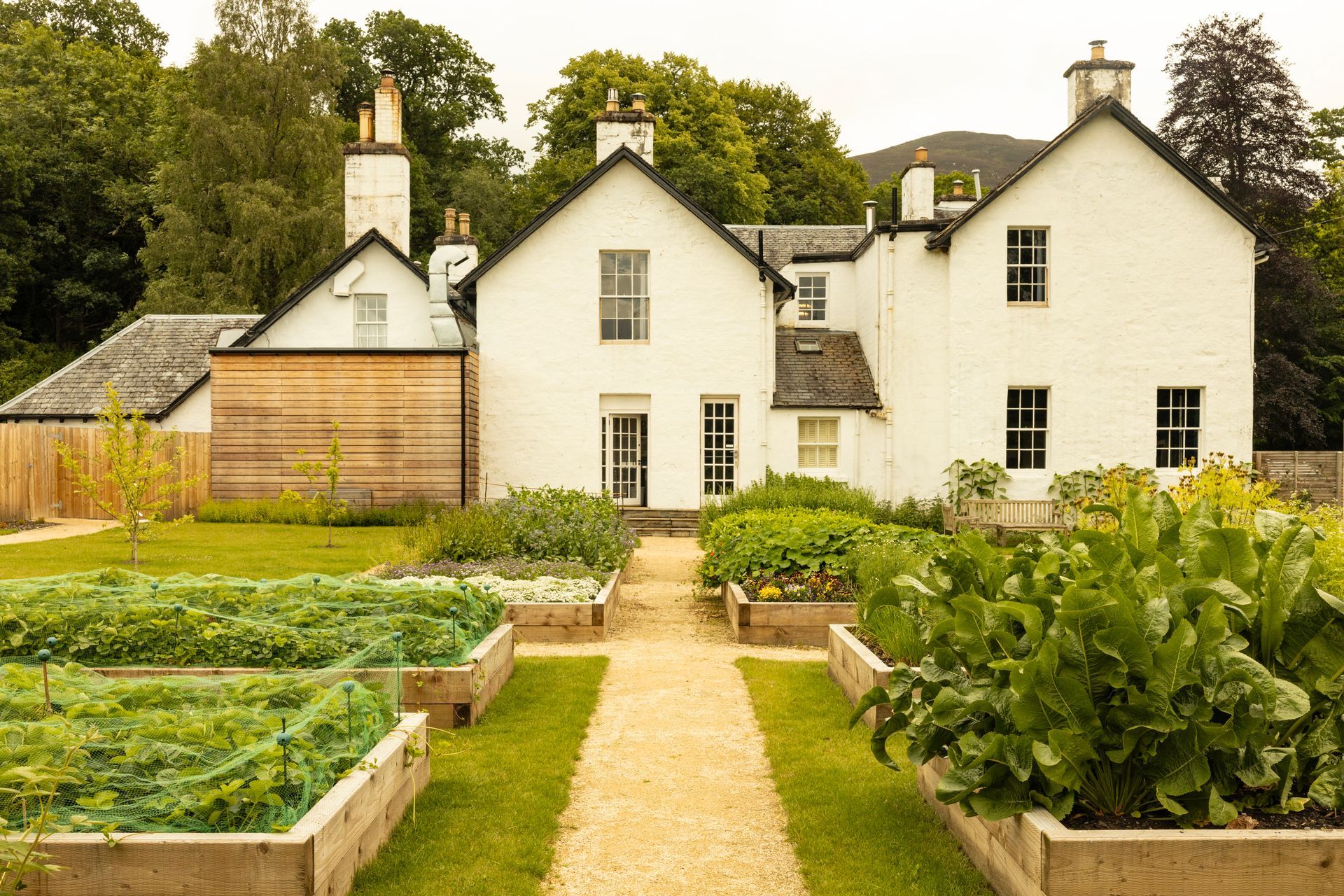
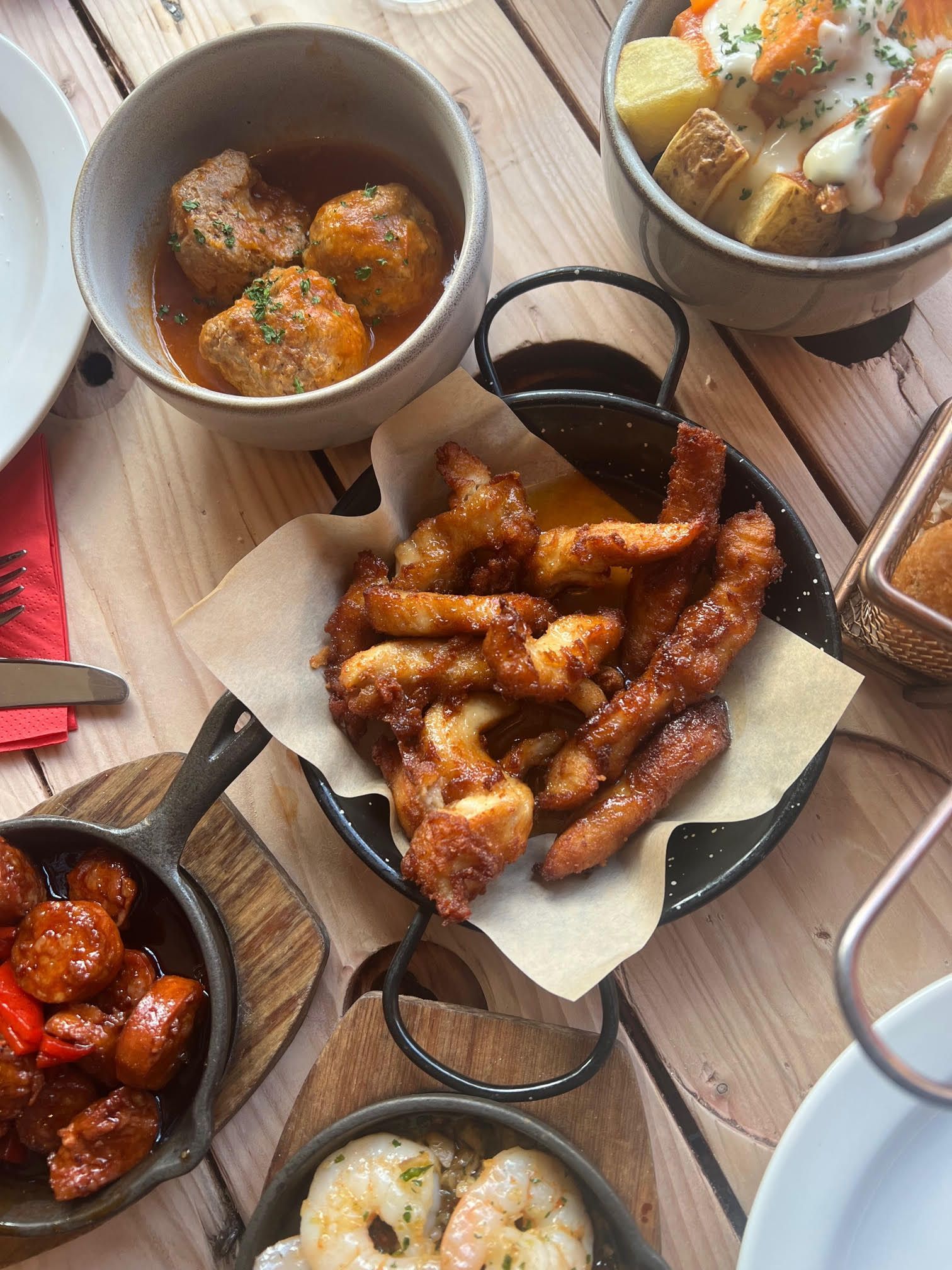
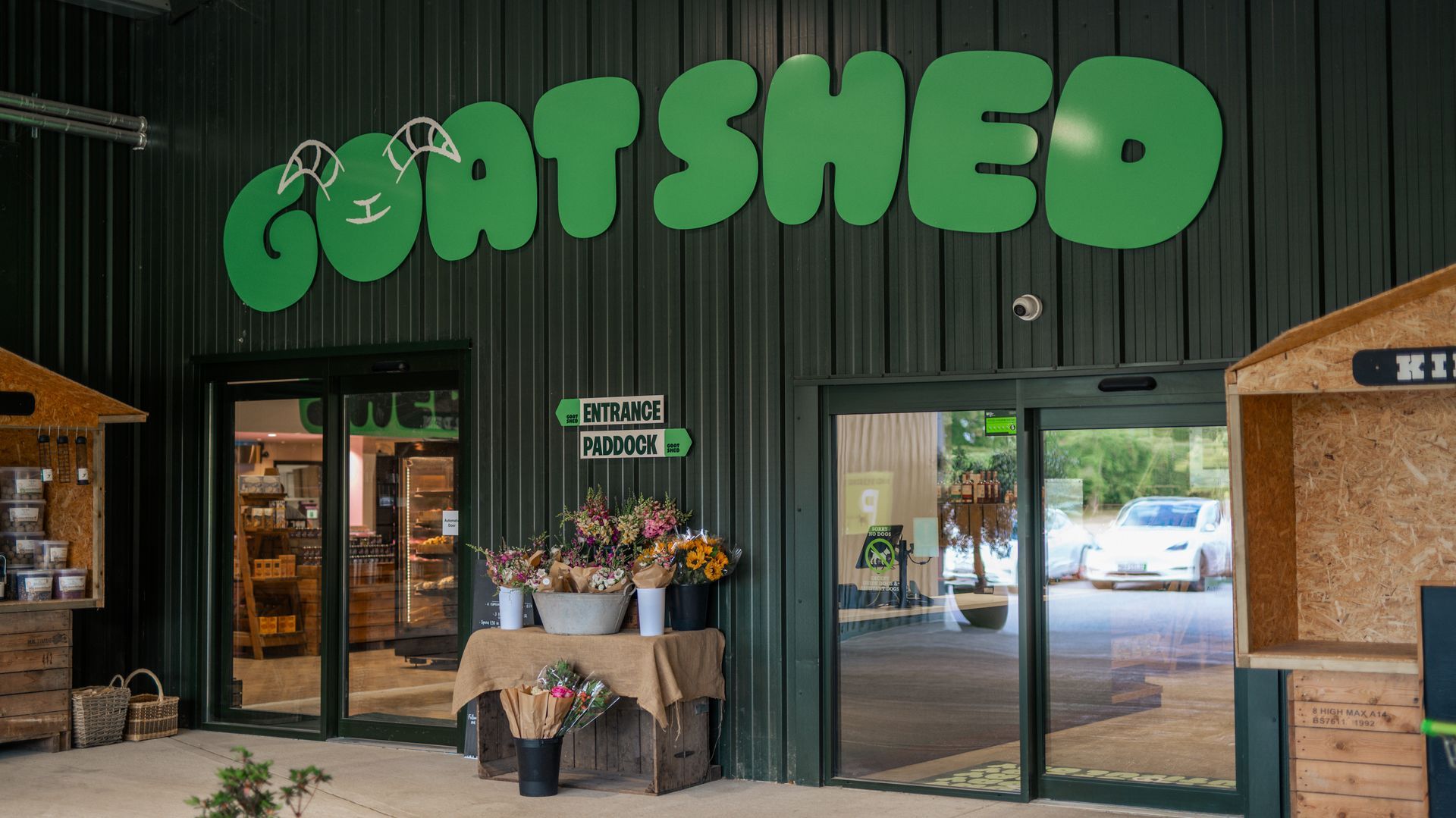
Sam assumed the shop would close when restrictions lifted, but customers kept returning. Expansion was needed and with support from Lloyds, the temporary solution transformed into a purpose-built farm shop, followed by the Goat Shed Kitchen, which now seats up to 120 inside and more than 100 outside. Around 80% of suppliers are local, and more recent investment expanding the deli, adding a production kitchen and building a full butchery, while residential experiences offer cheese and sausage making courses on-site.
The pandemic rewired how Sam thinks about risk and resilience.
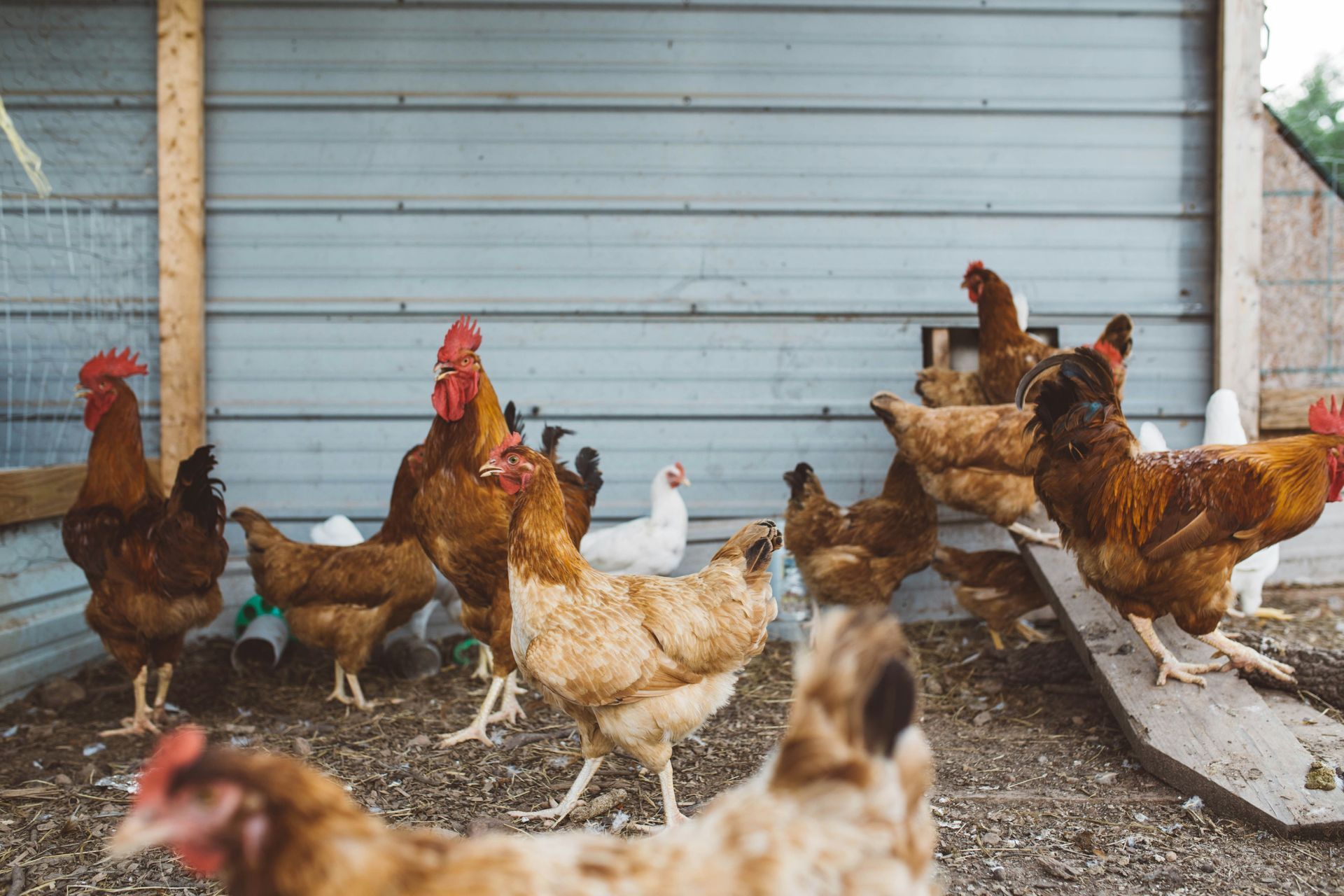
“When Covid hit and we lost our cheese business, I couldn’t pay the bills, and I was determined we would never be in that position again,” says Sam. “Now, with our cheeses made just 17 metres from the shop, we can offer customers a true field-to-fork experience.” The business continues to diversify, with a growing beef herd, meat goats for the butchery and two broiler breeder units adding another income stream. In addition, solar panels help buildings share power more efficiently, with surplus exported to the grid in summer.
Sam says access to the right support has been vital behind each phase of growth. “People buy from people,” he says. “Without the input from Victoria, our relationship manager at Lloyds, and the bank’s support, there is no way we would have done what we’ve done.”
Looking ahead
For Sam, the same mindset has transformed the business. “For me, the answer is always yes. Work out how you do it afterwards but say yes.” “You can achieve anything if you put your mind to it,” he says.
A pandemic may have wiped out the Goat Shed’s wholesale trade almost overnight, but it revealed something else: a strong demand for local produce and a longing for community.
What stands at Fieldings today is not simply a cheesemaking business but proof that even the most difficult setbacks can open the door to new opportunities.
Read more: