Feeding Garden Birds This Winter
What to Put Out, What to Avoid and Why the Advice Has Changed

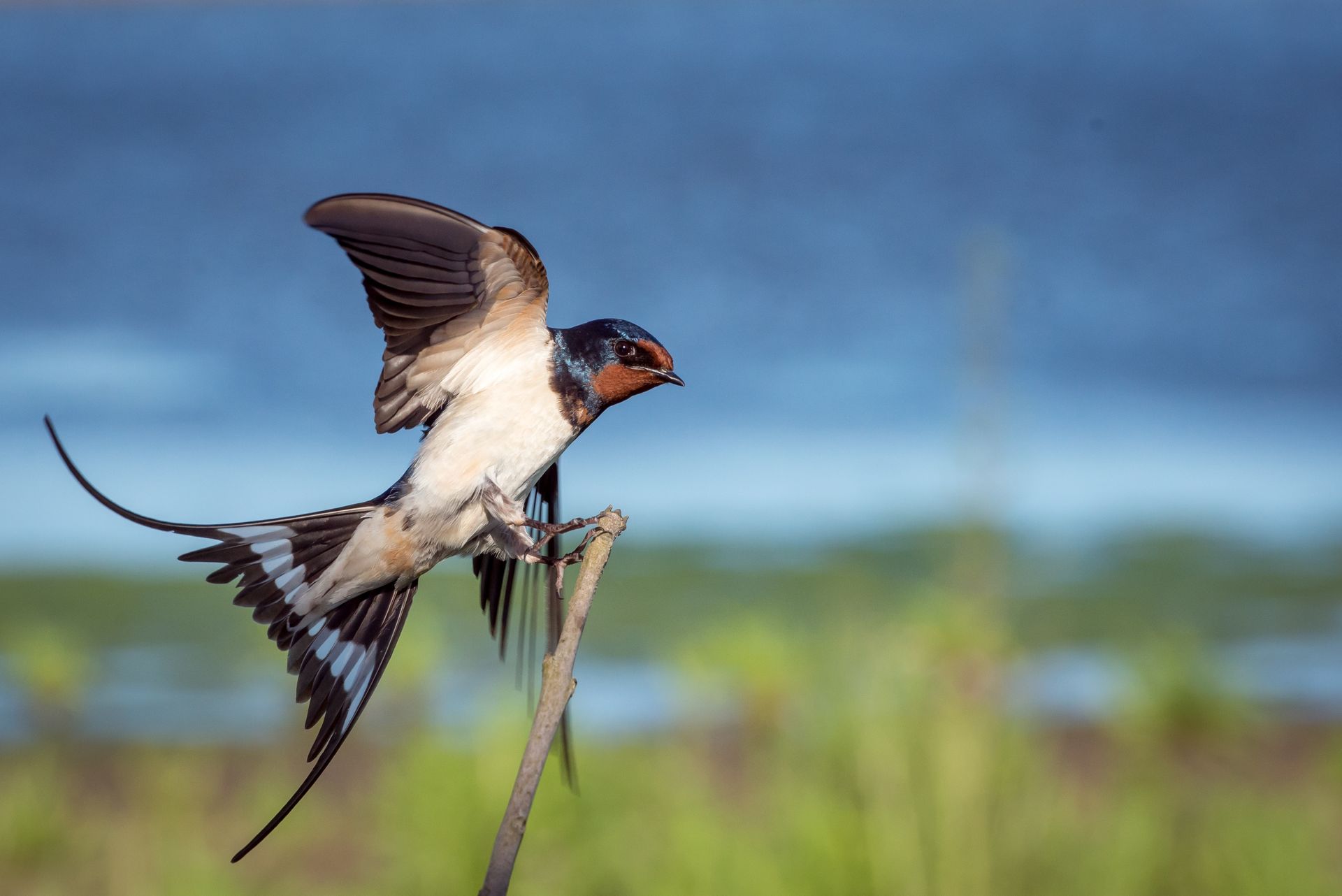
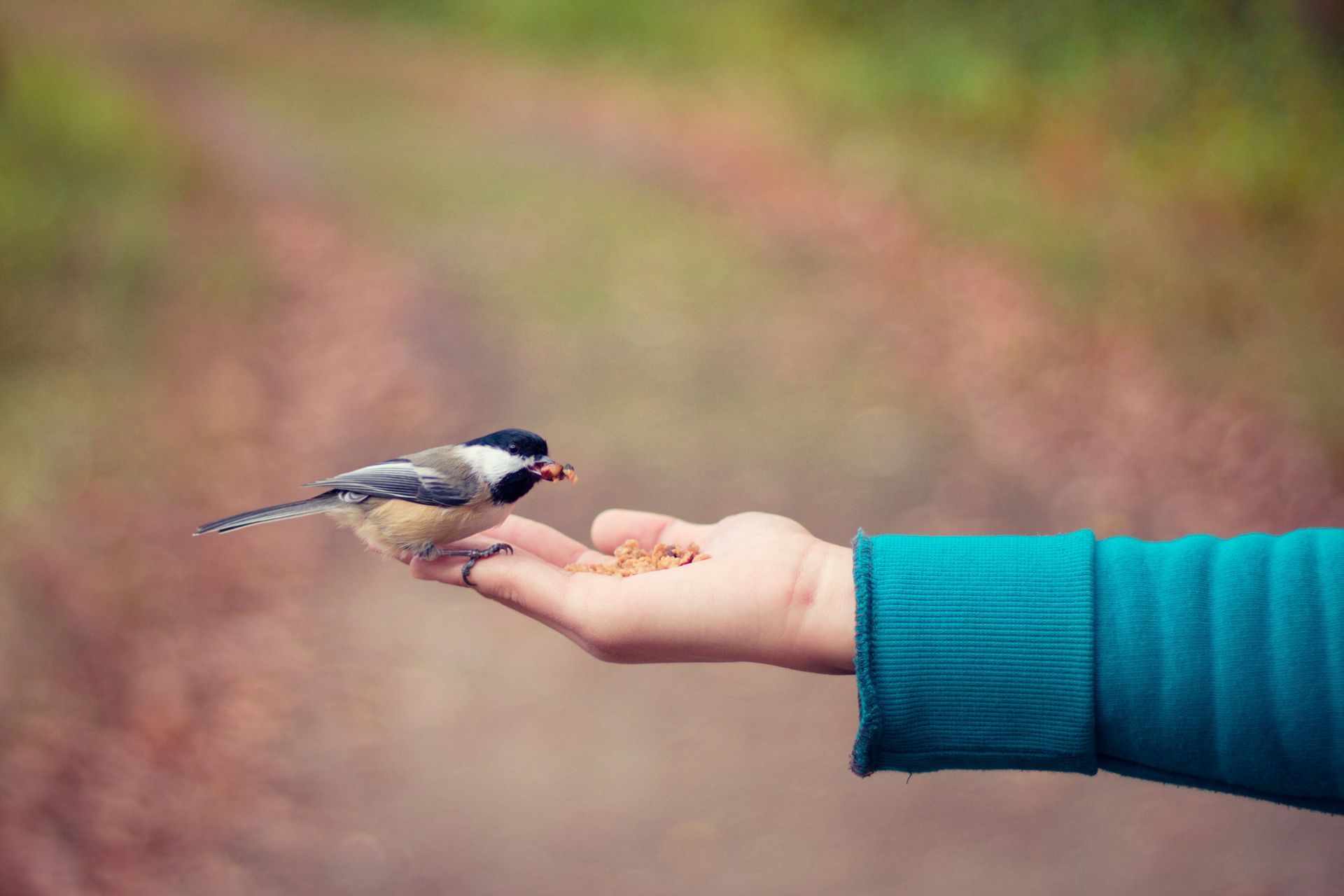
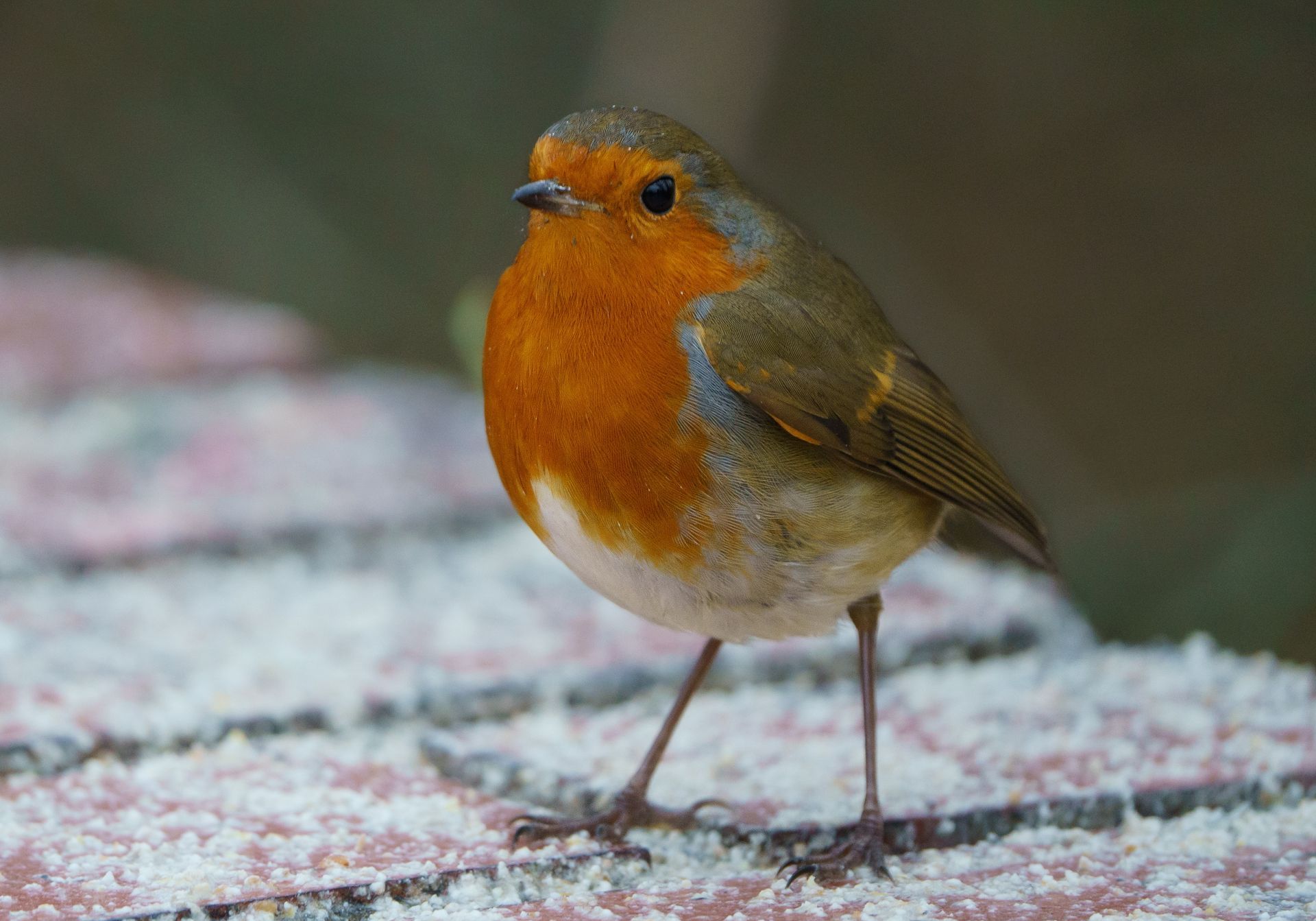
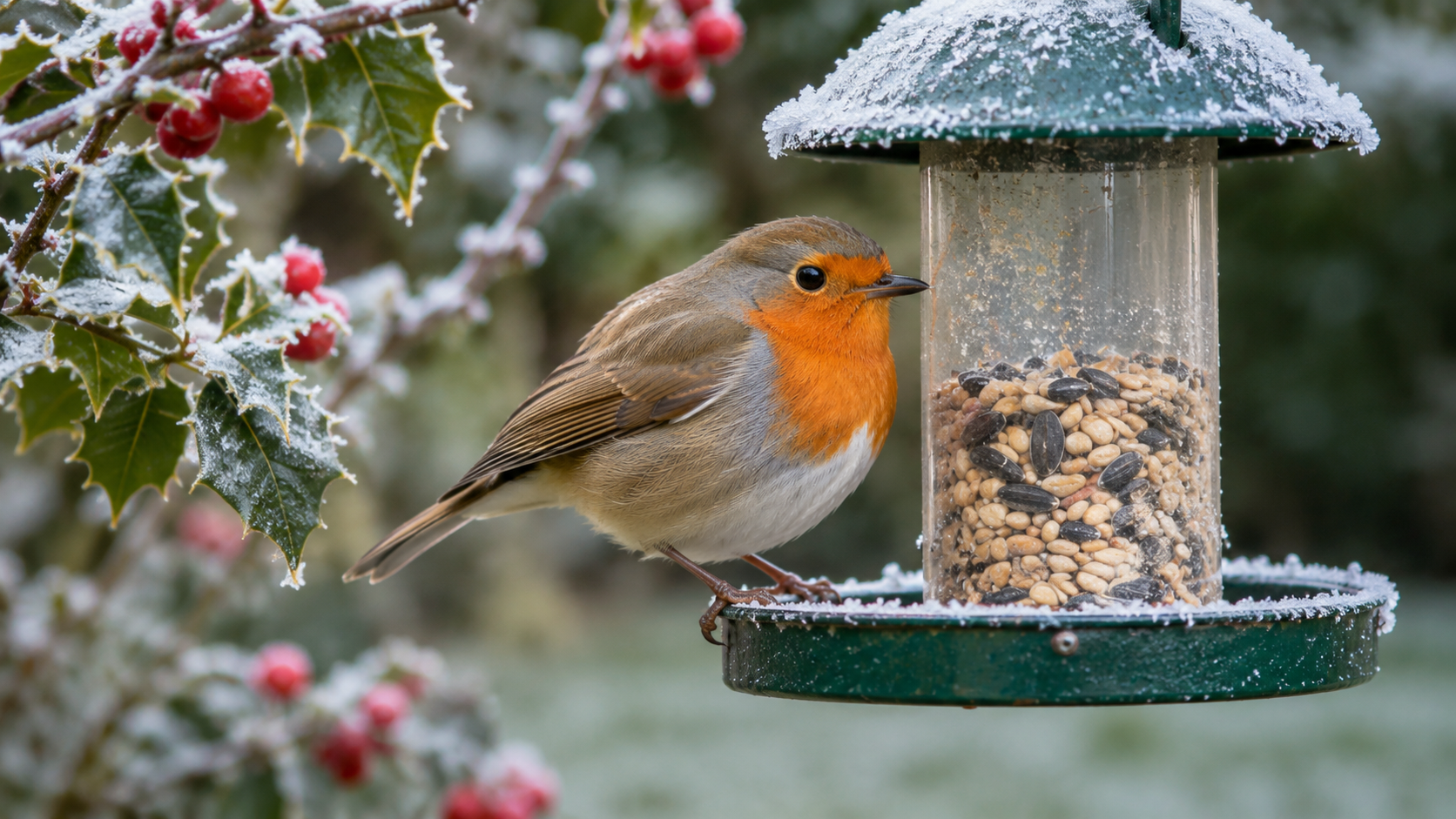
As the colder months settle across Britain, feeding our garden birds becomes one of the simplest ways to support local wildlife. However, new guidance from the RSPB means that some familiar feeding habits may need to change. Here is how to help our feathered visitors safely this winter. There is something rather wonderful about watching garden birds during the winter months. Whether it is a robin perched on a frosty fence, a blue tit darting between the branches or a blackbird searching beneath the hedgerow, these familiar visitors bring a welcome sense of life to our gardens at a time when much of the countryside appears to be resting.
However, as November arrives and temperatures begin to fall, life becomes increasingly challenging for Britain's wild birds. The shorter days leave fewer daylight hours for finding food, while insects become scarce, natural seed supplies begin to diminish and frozen ground can make foraging particularly difficult. For many species, finding enough energy to survive the long, cold nights becomes a daily challenge, which is why providing a little additional food can make such a difference.
Yet, while feeding garden birds has long been a cherished British tradition, the advice surrounding how and when we should feed them has recently changed. Following a scientific review, the Royal Society for the Protection of Birds (RSPB) introduced revised guidance in 2026, encouraging households to think more carefully about the food they provide, the time of year they offer it and, perhaps most importantly, the cleanliness of their feeding stations.

Why Has the Advice on Feeding Garden Birds Changed?
For many years, gardeners have been encouraged to leave out seeds, peanuts and other nutritious foods throughout the year. However, growing concerns surrounding the spread of disease, particularly an infection known as trichomonosis, have prompted conservation experts to reconsider some of these familiar practices. Trichomonosis is a serious disease that can affect several species of garden bird, particularly finches. The infection can spread when birds consume contaminated food or share water, making feeding stations potential hotspots for transmission. The disease has been linked to significant declines in Britain's greenfinch and chaffinch populations, raising concerns about the long-term health of some of our most recognisable garden visitors.
To help reduce the risk, the RSPB now recommends a seasonal approach to feeding. Between 1 May and 31 October, when the risk of disease outbreaks is higher and natural food is generally more abundant, gardeners are advised to pause feeding seeds and peanuts. Small quantities of mealworms, suet and fat balls can still be offered during this period. However, from 1 November until 30 April, the guidance changes. With natural food becoming scarcer and the risk of trichomonosis outbreaks lower, the RSPB advises that a wider variety of food, including seeds and peanuts, can once again be provided. This means that now is an ideal time to prepare our gardens for the colder months, provided we follow a few important precautions.
What Should You Feed Garden Birds in Winter?
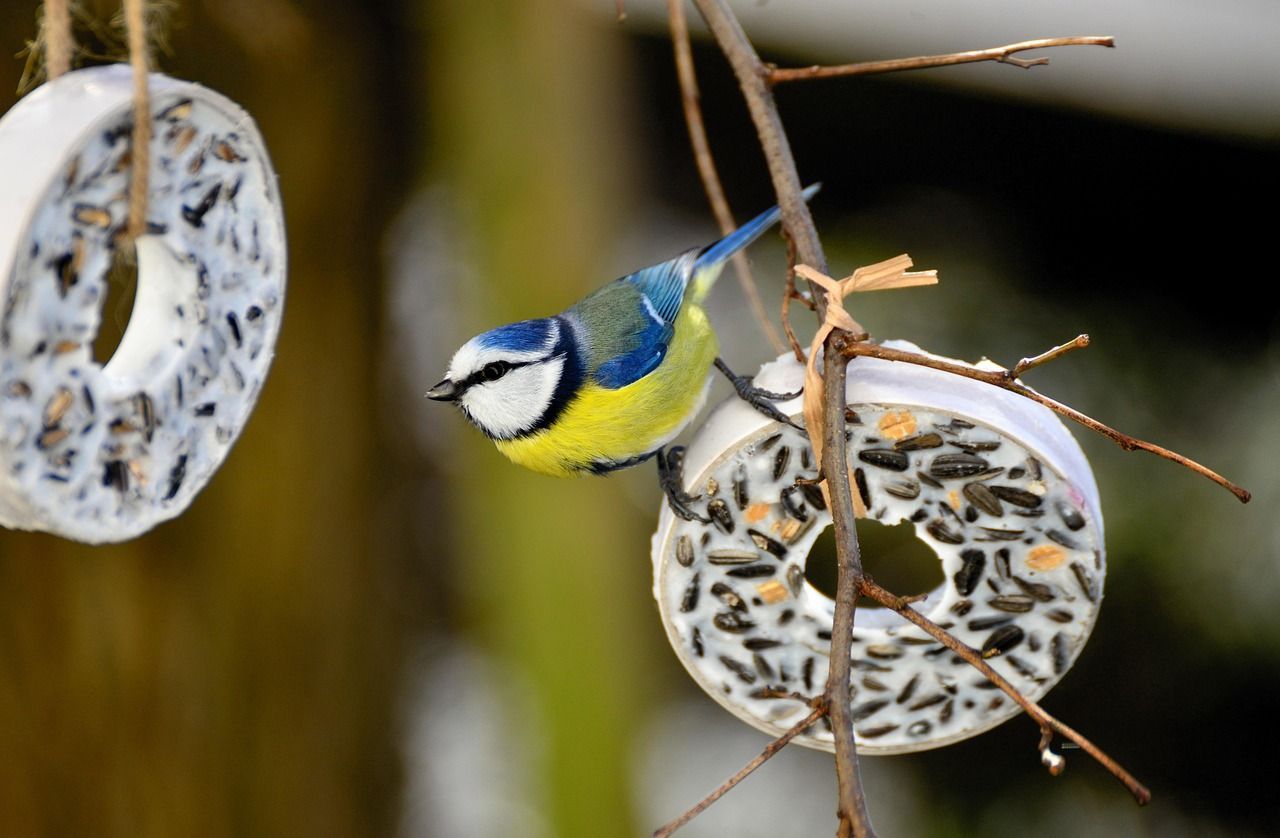
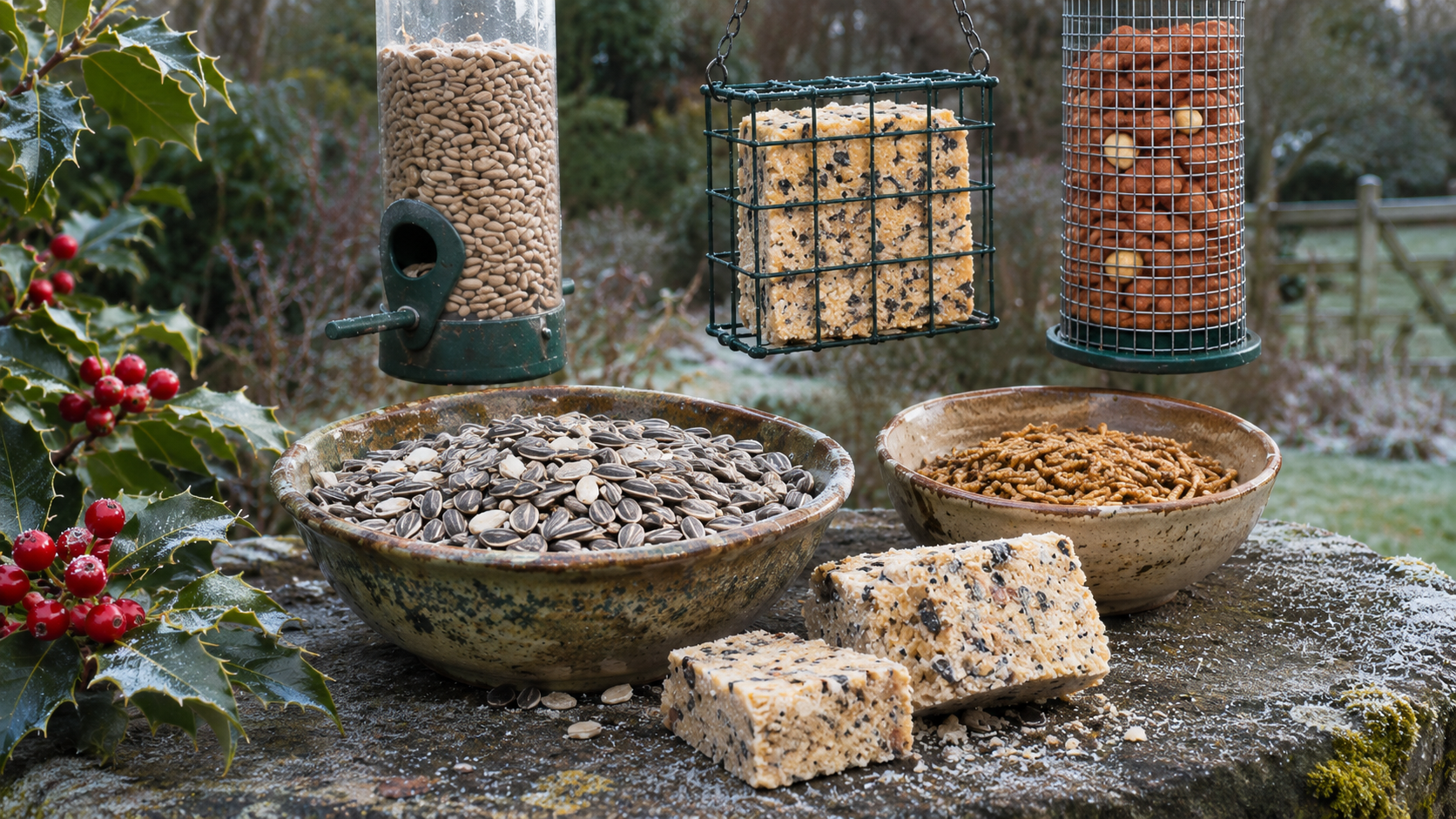
One of the best ways to help garden birds through winter is to provide nutritious, energy-rich foods that complement their natural diet. Different species have different preferences, so offering a carefully chosen selection can help attract a wonderful variety of visitors. Sunflower seeds and sunflower hearts are particularly good choices, providing valuable oils and energy that can help birds maintain their body temperature during colder weather. They are popular with species including blue tits, great tits, greenfinches and house sparrows, making them a useful addition to almost any garden feeding station.
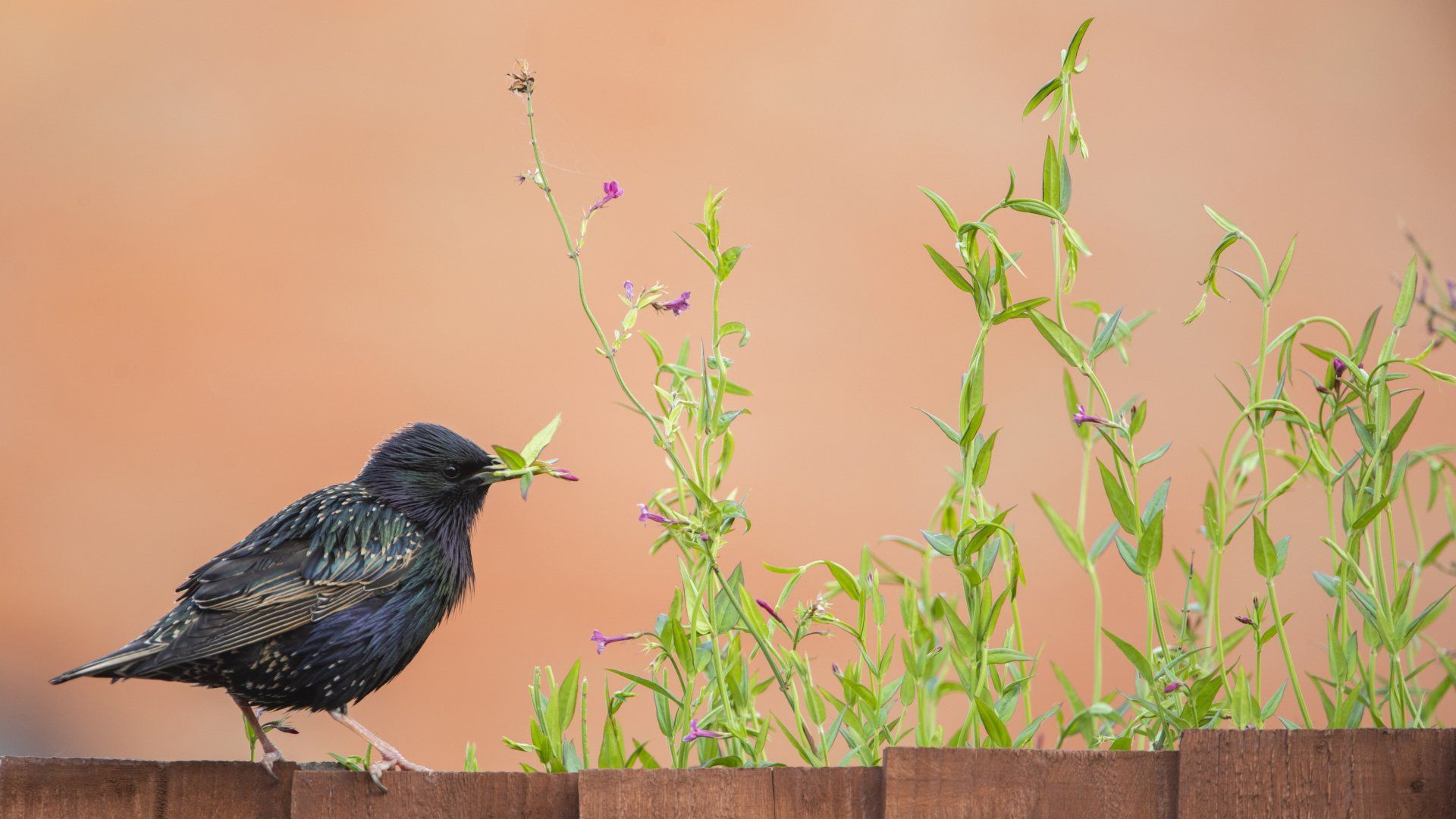
Peanuts are another excellent winter food, although they should always be unsalted, fresh and purchased from a reputable supplier to ensure they are safe for birds. Rather than putting out whole peanuts loose, they should be offered in a suitable mesh feeder, allowing birds to take smaller pieces without the risk of swallowing large nuts. Suet blocks and fat balls are also particularly useful during the colder months, providing concentrated calories when birds need additional energy. These can prove popular with tits, starlings and other regular garden visitors, although it is important to remove any plastic or nylon netting before putting them outside, as birds can become entangled.
Mealworms are another welcome addition, especially for robins and blackbirds that naturally feed on insects and other invertebrates. Fresh or dried mealworms can be offered, although only in quantities that birds will consume before dusk. This helps prevent uneaten food from accumulating and reduces the possibility of other wildlife, particularly hedgehogs, eating leftover mealworms.
For fruit-loving species such as blackbirds and thrushes, small pieces of apple or pear can also provide an additional source of food. These are particularly useful when the ground is frozen and worms become harder to find, offering a little variety alongside more traditional bird food.
What Foods Should You Avoid?
Although many birds are remarkably adaptable when it comes to finding food, not everything that comes from our kitchens is suitable for them. Salty foods should always be avoided, as birds are particularly sensitive to excessive salt. Mouldy food should never be offered either, while heavily processed foods and fatty cooking leftovers are best kept away from feeding stations. Bread may be readily eaten by some birds, but it offers considerably less nutritional value than specially formulated bird food and should not be relied upon.
It is also important to pay attention to the condition of anything being offered. Damp seeds, stale peanuts and uneaten food can encourage the growth of harmful bacteria or fungi, potentially putting the very birds we are trying to help at risk. The RSPB recommends providing only enough seeds and peanuts to be consumed within one or two days, rather than continuously filling feeders regardless of demand. Suet products can remain available for up to seven days, provided they remain in good condition, while uneaten mealworms should be removed by the end of the day.
Why Keeping Bird Feeders Clean Matters More Than Ever
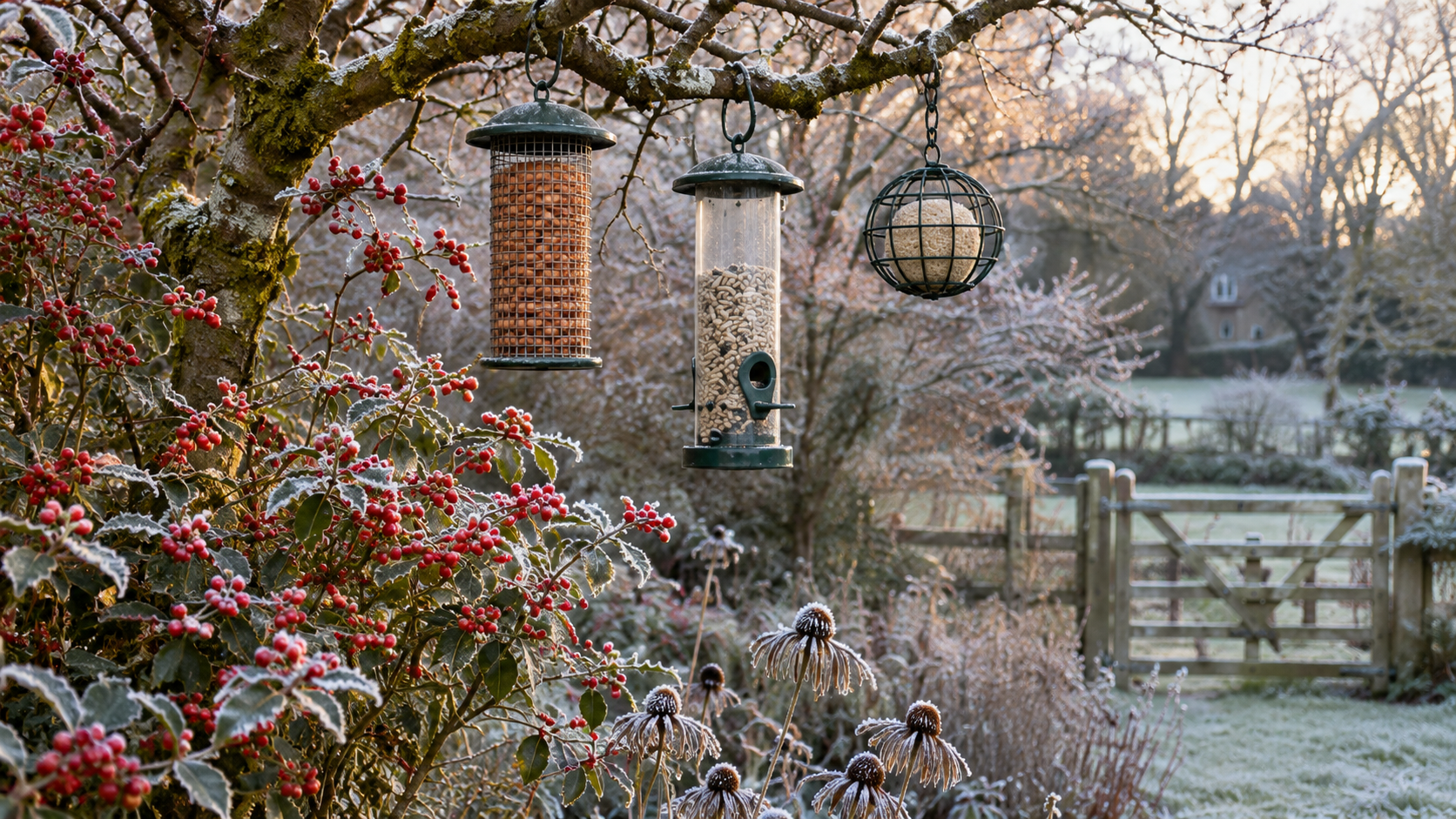
Perhaps the most significant change in the RSPB's recommendations concerns feeding stations themselves. While bird tables have been a familiar sight in British gardens for generations, the charity now advises against using bird tables and other flat feeding surfaces, including feeding trays and flat window feeders. Research has highlighted an increased risk of disease transmission when birds gather around flat surfaces, where contaminated food can accumulate and be consumed by other visitors. Instead, hanging feeders are recommended, particularly designs that help protect food from rain and allow birds to feed without gathering around shared trays. Cleaning has also become an essential part of responsible bird feeding. Feeders should be thoroughly cleaned and disinfected at least once a week, using appropriate cleaning products, while any old food and droppings beneath feeding areas should be removed.
It is also worth moving feeders to a different position each week, helping to prevent contaminated material from building up in one particular area. Where space allows, placing several feeders around the garden can reduce overcrowding and limit the number of birds gathering in one place. Although these changes may require a little adjustment, they are relatively straightforward and could make an important difference to the health of Britain's garden birds.
Don't Forget Fresh Water This Winter
Food is only part of the equation when it comes to helping birds through winter. Fresh drinking water is equally important, particularly during frosty weather when puddles, ponds and other natural water sources may freeze.
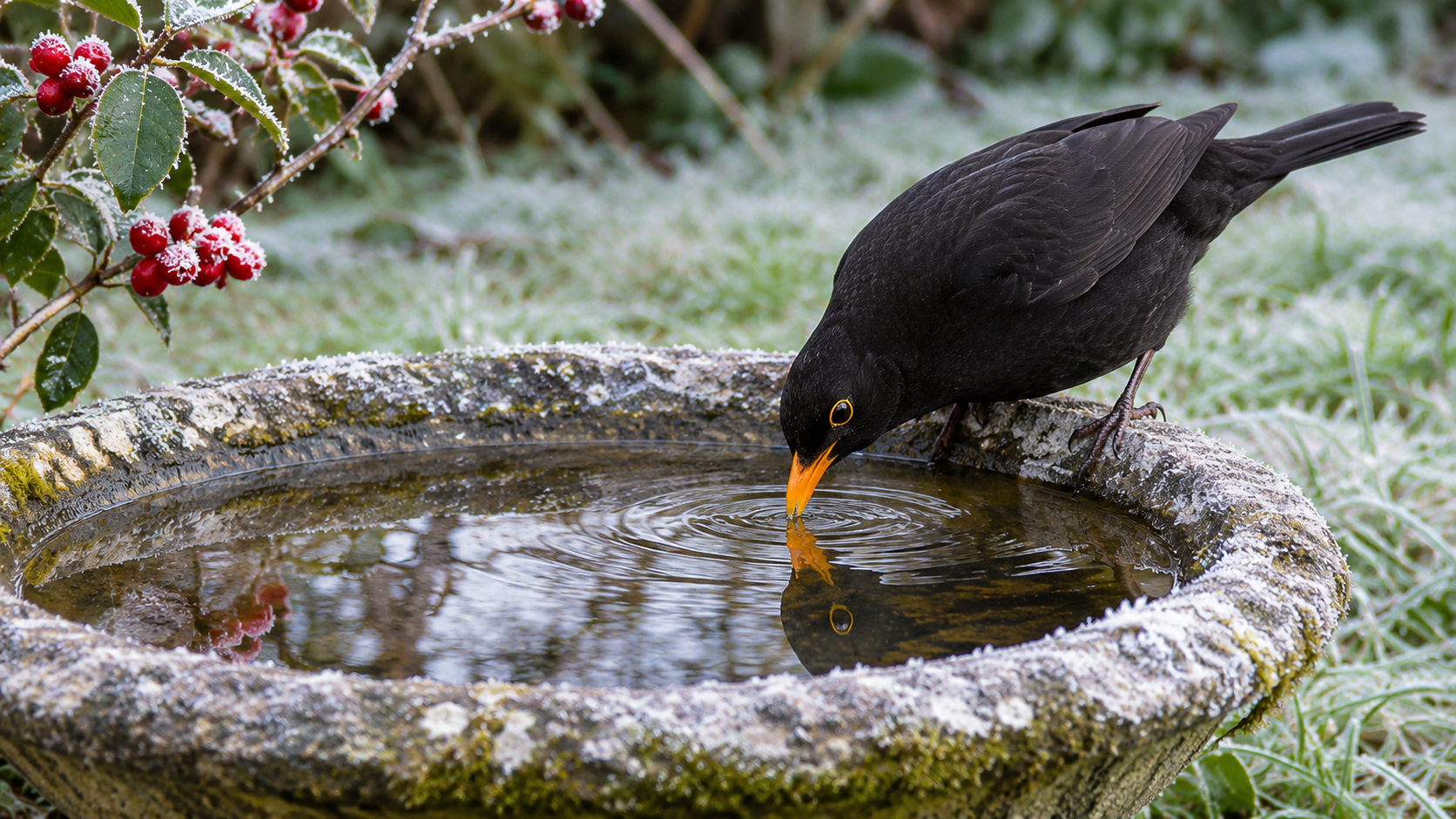
However, the revised guidance also highlights the importance of keeping bird baths clean, as contaminated water can contribute to the spread of disease. The RSPB recommends only providing water in bird baths if it can be replaced every day, with the bath itself cleaned and disinfected weekly. Fresh tap water is generally recommended, although advice can vary depending on how local water supplies are treated. During particularly cold spells, any ice should be carefully removed and the bath replenished with fresh water. Garden ponds are another valuable resource, providing drinking opportunities and supporting a wider range of wildlife throughout the year.
Creating a Garden That Naturally Feeds the Birds
Of course, feeding garden birds does not have to begin and end with hanging feeders. In fact, one of the most rewarding ways to support wildlife is to create a garden that provides food naturally throughout the seasons.
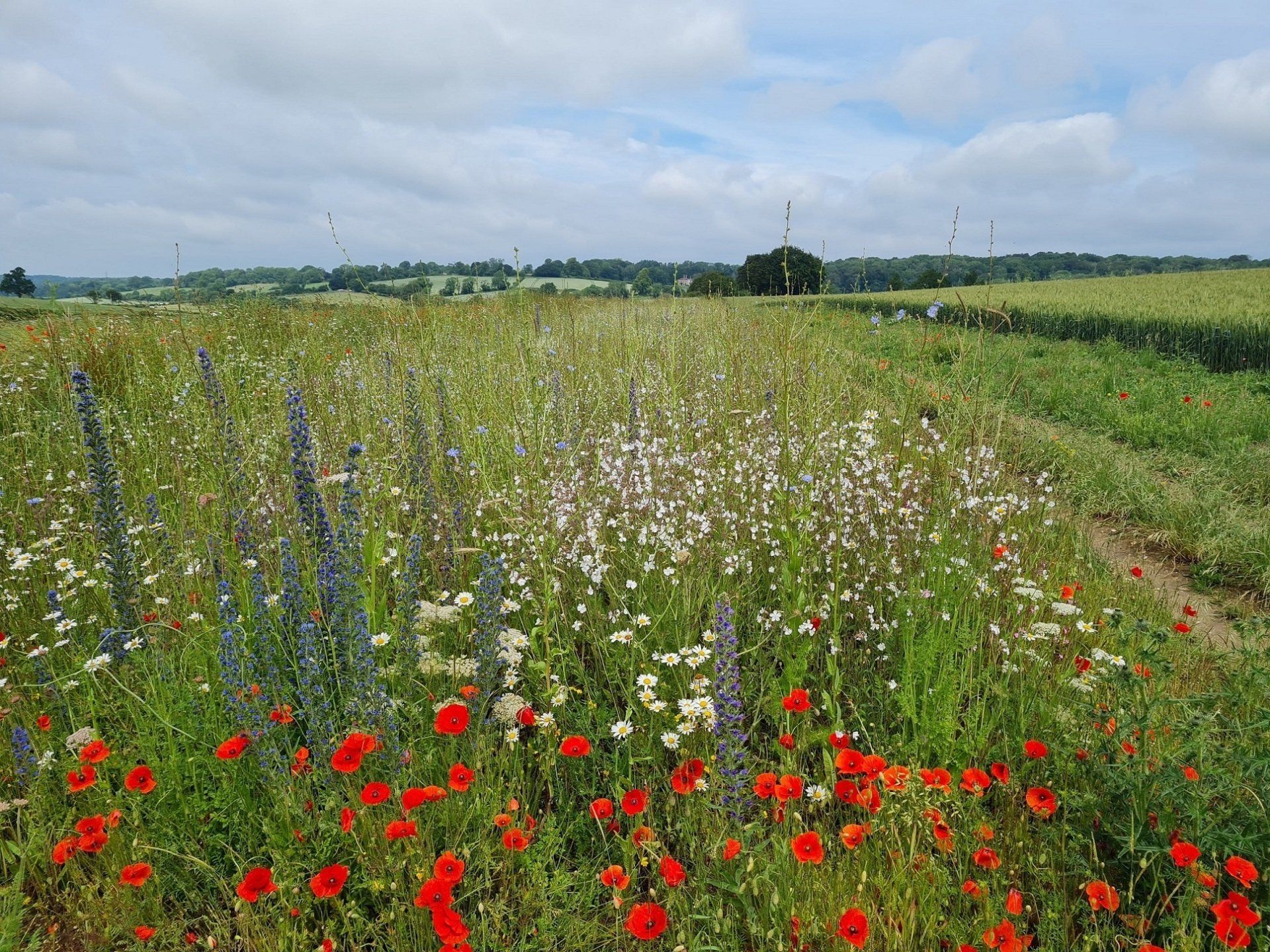
Allowing seed heads to remain on plants such as teasels and sunflowers can create valuable feeding opportunities, particularly for goldfinches and other seed-eating birds. Native hedgerows, berry-producing shrubs and climbing plants such as ivy can also provide important food and shelter during autumn and winter.
Leaving some areas of the garden a little untidy can be equally beneficial. Fallen leaves, log piles and undisturbed borders provide habitats for insects and other invertebrates, which in turn offer natural feeding opportunities for robins, wrens and blackbirds. It can be tempting to tidy every corner of the garden as winter approaches, but sometimes doing a little less can achieve considerably more. A garden filled with natural food, shelter and carefully maintained feeding stations can become a haven for wildlife, even during the coldest months.
A Little Help Goes a Long Way
There is something deeply rewarding about taking a few moments each morning to watch the birds visiting our gardens. For children, it offers an opportunity to discover the natural world just beyond the window, while for adults it provides a welcome reminder of the changing seasons and the wildlife that shares our countryside. However, as the RSPB's latest guidance makes clear, helping garden birds is not simply a matter of putting out as much food as possible. It is about providing the right foods at the right time of year, maintaining clean feeding areas and allowing nature to provide wherever it can.
As winter settles across Britain, even a small garden, courtyard or balcony can offer valuable support to our feathered neighbours. Whether it is a carefully positioned hanging feeder, a freshly filled bird bath or a hedgerow left undisturbed for the season, these thoughtful gestures can help make the colder months a little easier for the birds that bring so much character to our countryside. And when spring eventually returns, there are few sounds more rewarding than the familiar chorus of birdsong drifting through the garden, reminding us that sometimes the smallest acts of care can make a lasting difference.

Read more: