The Life of a Donkey
Gentle Companions of the Countryside

With their long ears, soft eyes, and steady pace, donkeys have been part of rural life for thousands of years. They are animals of quiet strength, often underestimated but never without character. From their working roots to their place as beloved companions, the life of a donkey is one of resilience, partnership, and simplicity.
Beginnings: From Foal to Friend
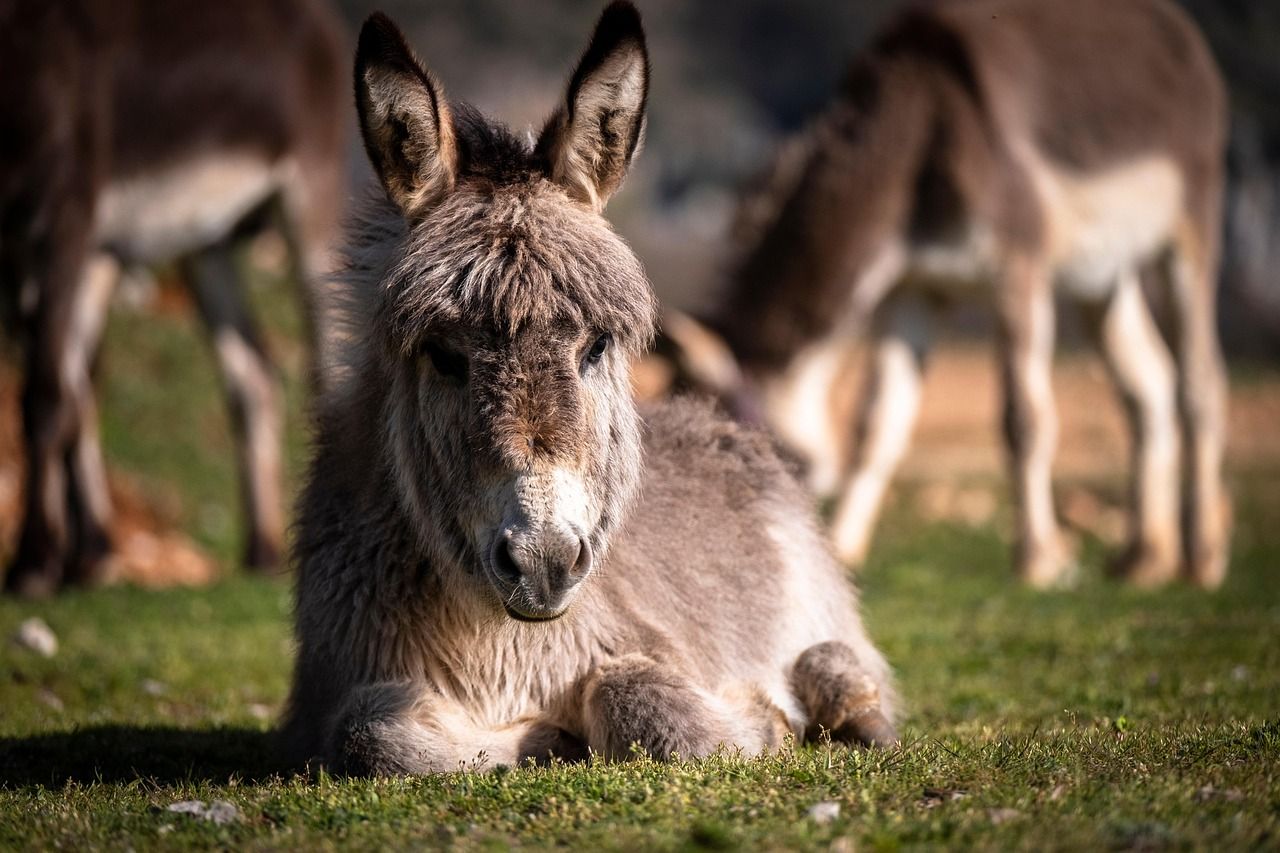
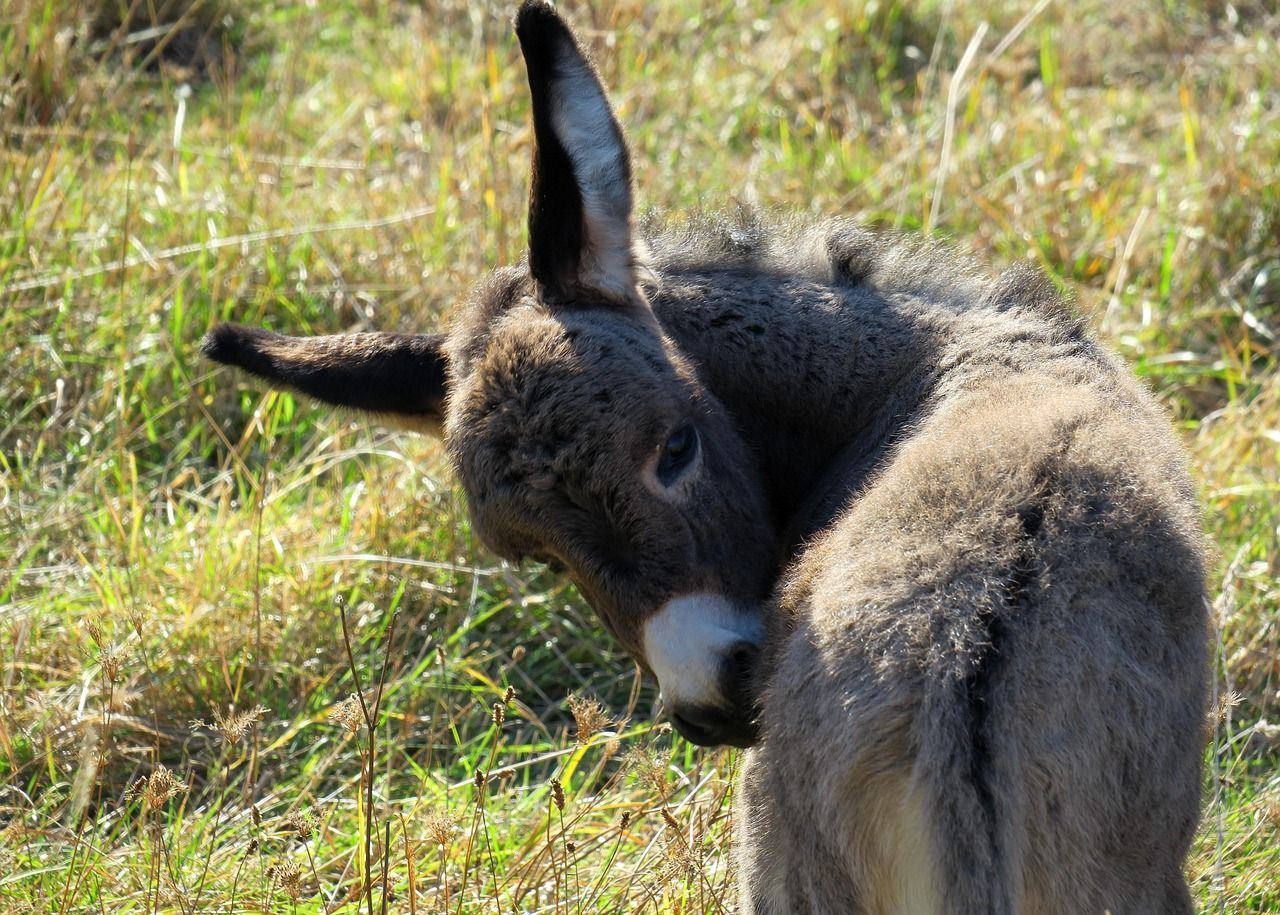
A donkey foal is a curious and affectionate creature, quick to bond with its mother and herd. Unlike horses, donkeys are highly dependent on companionship from an early age. They form strong social bonds and thrive best when kept with other donkeys or equines. Early life is spent exploring the world with gentle inquisitiveness, learning from their mothers how to graze, communicate, and stay safe.
Growing Up Strong
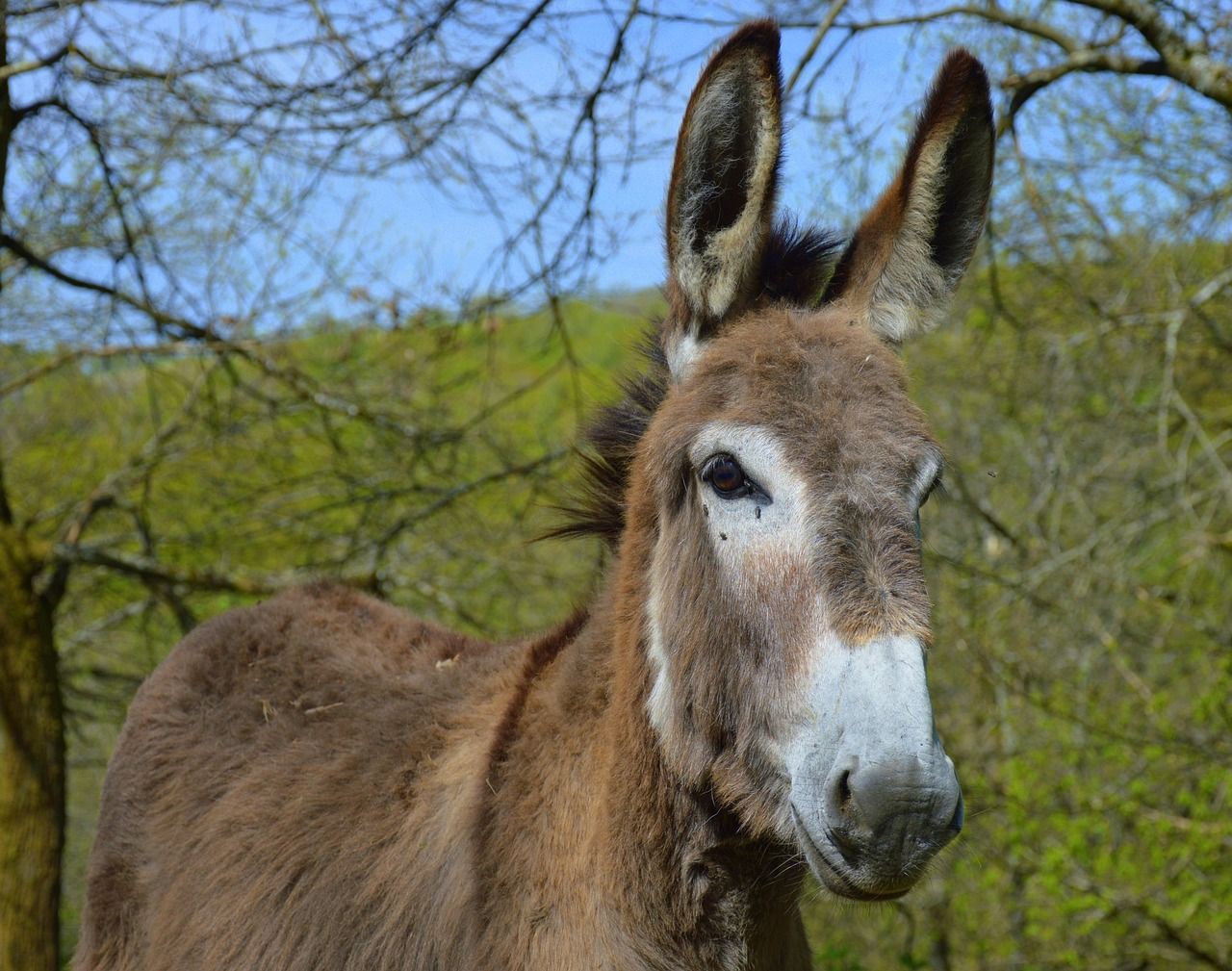
Donkeys grow steadily into hardy, adaptable animals. Built for survival in arid landscapes, their ancestors roamed the deserts of North Africa, giving them tough hooves, efficient digestion, and a cautious, intelligent nature. On smallholdings or in sanctuaries, young donkeys are introduced to basic handling and care—grooming, haltering, and learning to lead—helping them grow into confident adults that trust people.

Work and Purpose
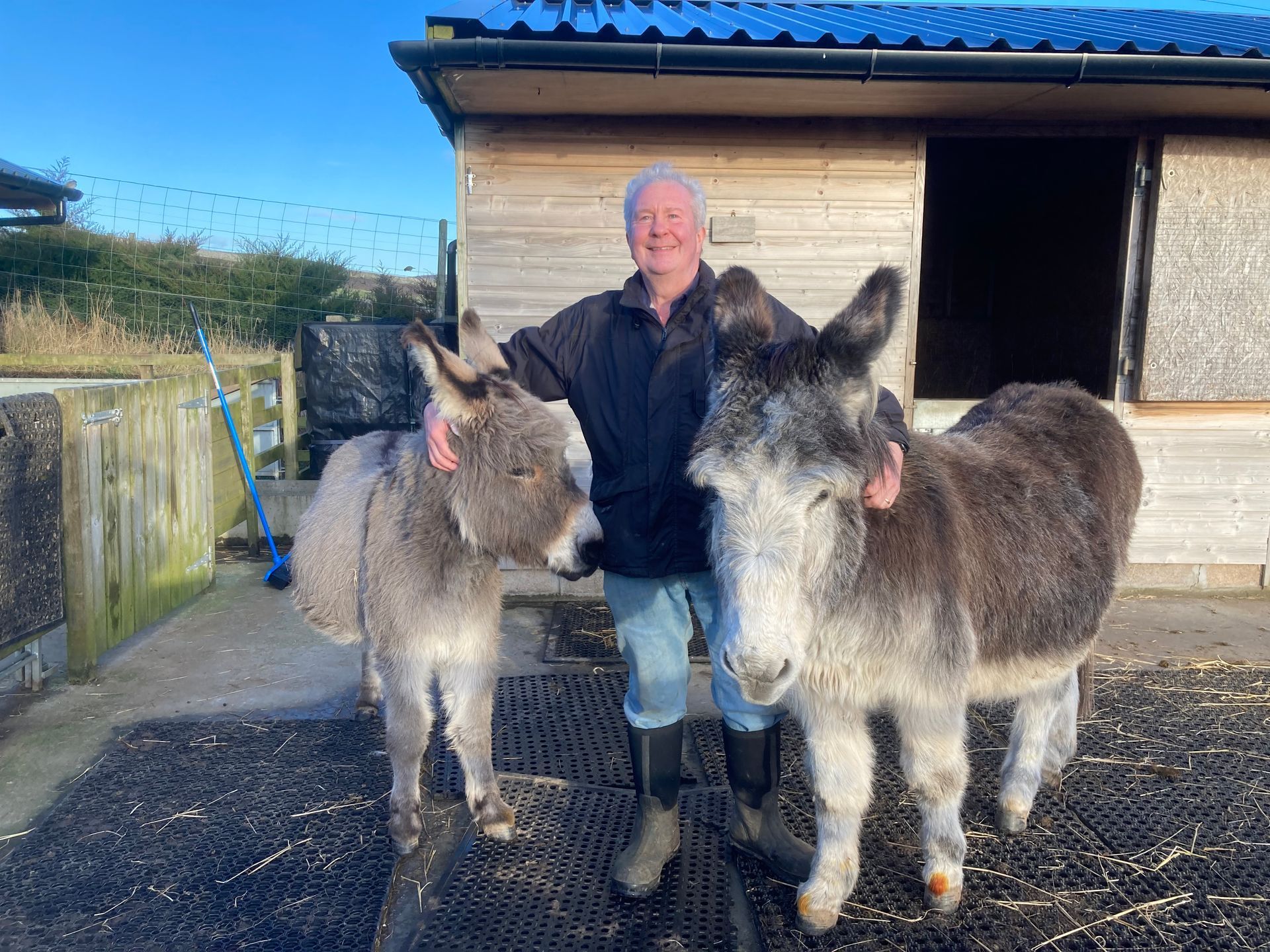
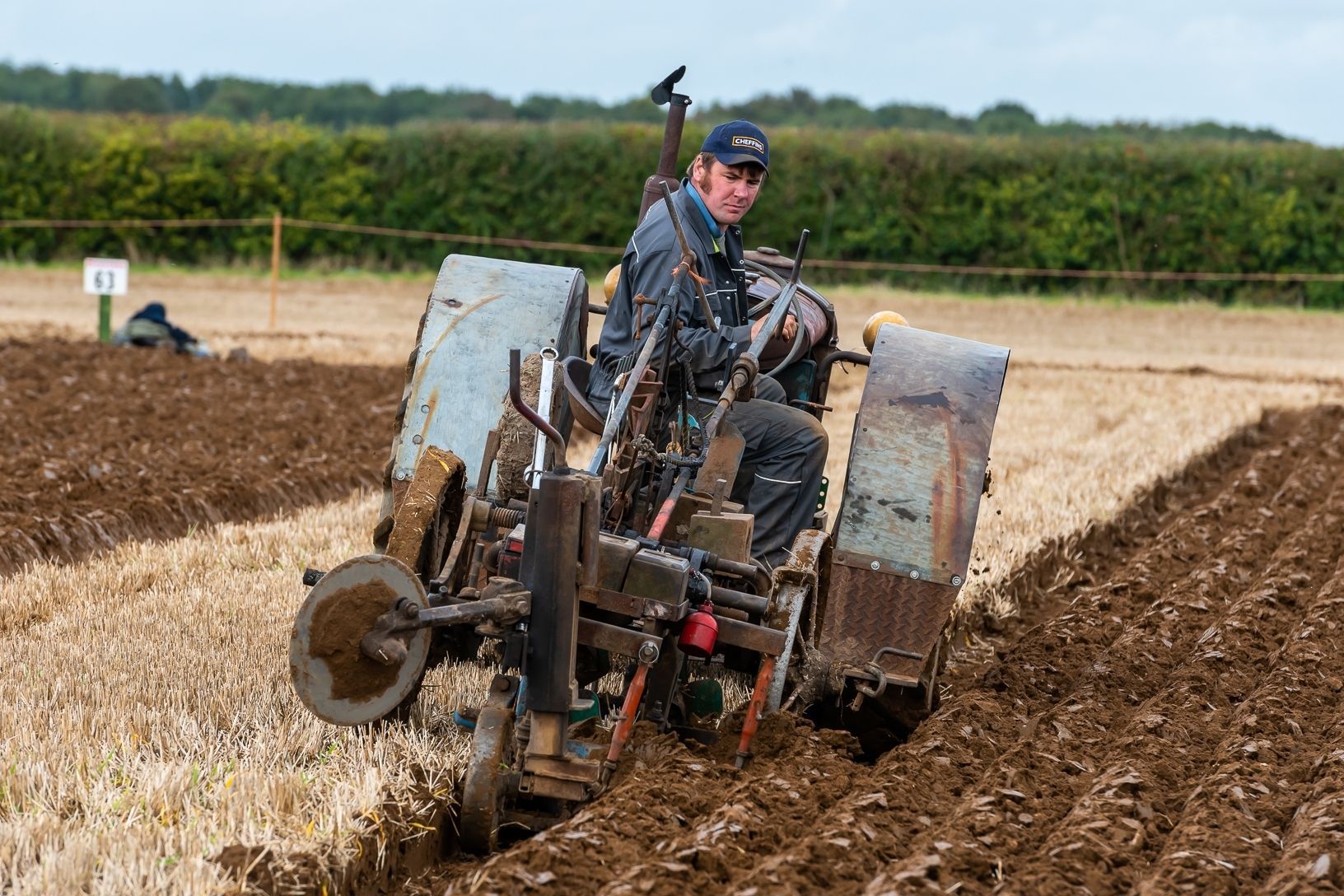
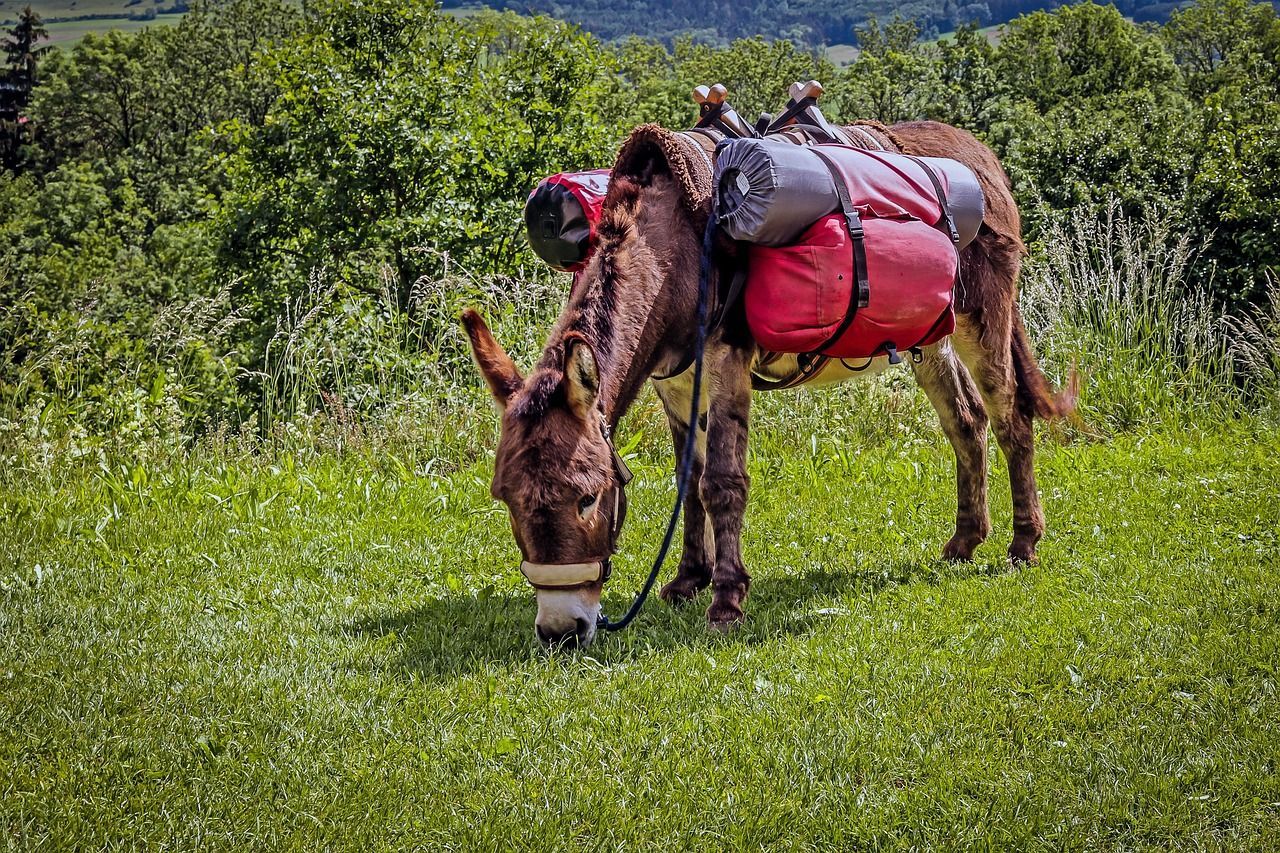
Traditionally, donkeys have lived lives of service. For centuries they carried packs, turned mills, and worked farmland. In many parts of the world, they remain essential, transporting goods, water, and firewood. In the UK today, their role has shifted. While no longer relied upon for hard labour, donkeys still find purpose as companions, guardians for sheep and goats, and even therapy animals. Their calm, steady temperaments make them ideal for working with vulnerable people, offering comfort and connection.
Companionship and Character
Donkeys are deeply social and thrive on routine. They communicate with brays that can travel for miles, but also through subtle ear and body movements. They enjoy grooming each other, grazing side by side, and playing in open spaces. Anyone who has lived alongside a donkey will tell you they are far from stubborn—they are thoughtful, intelligent animals who pause to assess a situation before acting.
Later Years and Care
With good care, donkeys can live well into their thirties and beyond. As they age, their needs change—teeth may wear down, joints may stiffen, and they may need softer forage and additional warmth in damp climates. Regular farriery, shelter from rain, and companionship are vital to a donkey’s wellbeing at every stage of life. Many older donkeys live out their days in sanctuaries or smallholdings, loved as much for their gentle nature as their usefulness.
Challenges and Welfare
Sadly, not all donkeys experience the life they deserve. Across the world, many still work in harsh conditions with little access to veterinary care, while in wealthier countries some are misunderstood or neglected. Organisations such as The Donkey Sanctuary in Devon have shone a light on their needs, championing proper care and recognising the donkey as an animal deserving of respect, compassion, and protection.
A Life of Quiet Value
The life of a donkey may seem humble compared to horses or ponies, but their contribution to human history is immense. They have carried loads, ploughed fields, and offered comfort, often without recognition. Today, more and more people see them not just as beasts of burden, but as intelligent, sensitive companions with their own place in our rural heritage.
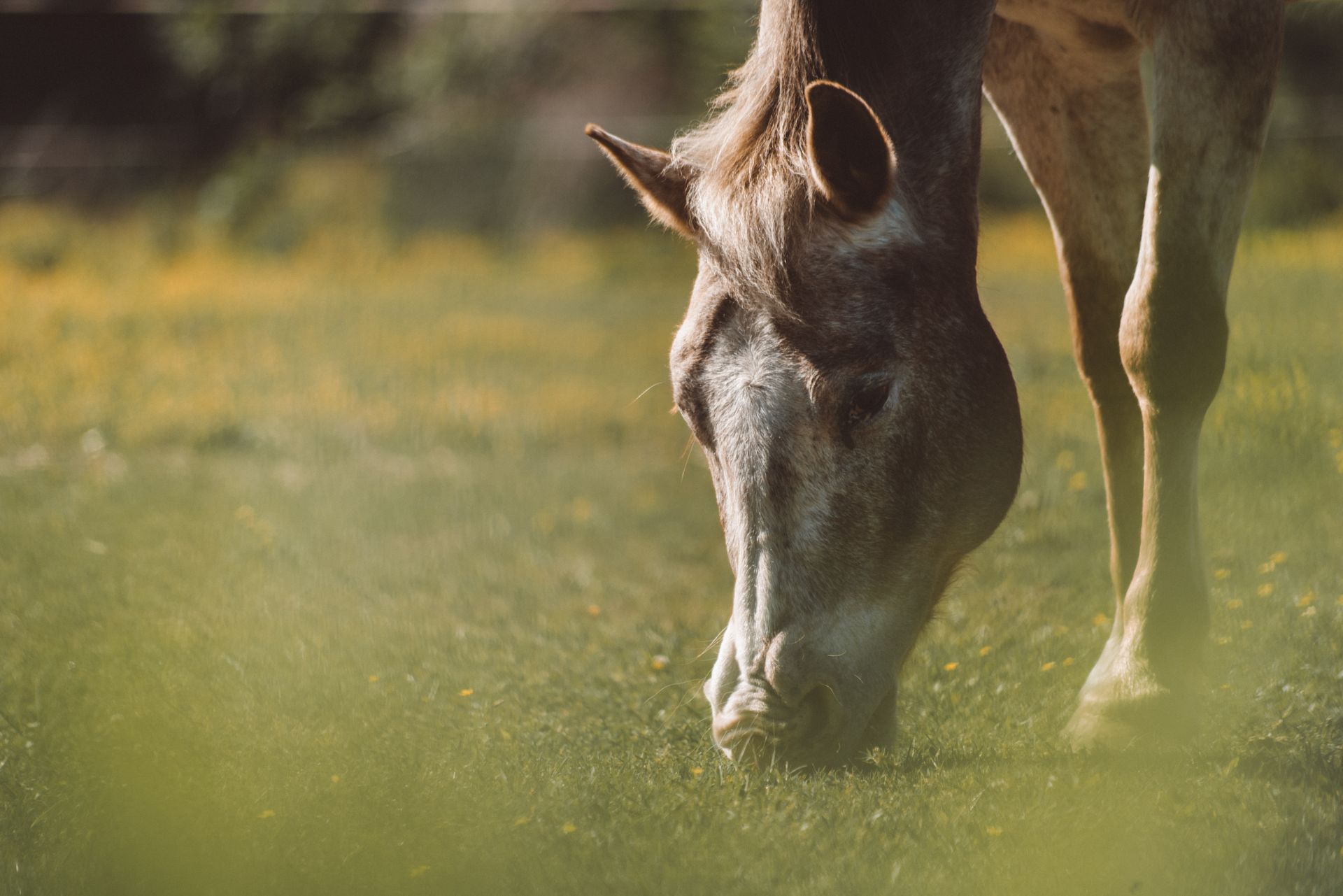
To watch a donkey grazing peacefully, ears twitching in the breeze, is to appreciate the quiet value they bring to the countryside. Their life, shaped by resilience and defined by companionship, continues to enrich the human story—one soft bray at a time.
Read more: