The Pheasant
A Colourful Presence in the British Countryside
Few birds are as instantly recognisable in the British countryside as the pheasant. With its striking plumage, long tail, and unmistakable call, it has become a familiar sight in farmland and woodland across the UK. Though not native, the pheasant has woven itself into the fabric of rural life, valued both for its beauty and its role in traditional country pursuits.
A Bird of Many Colours
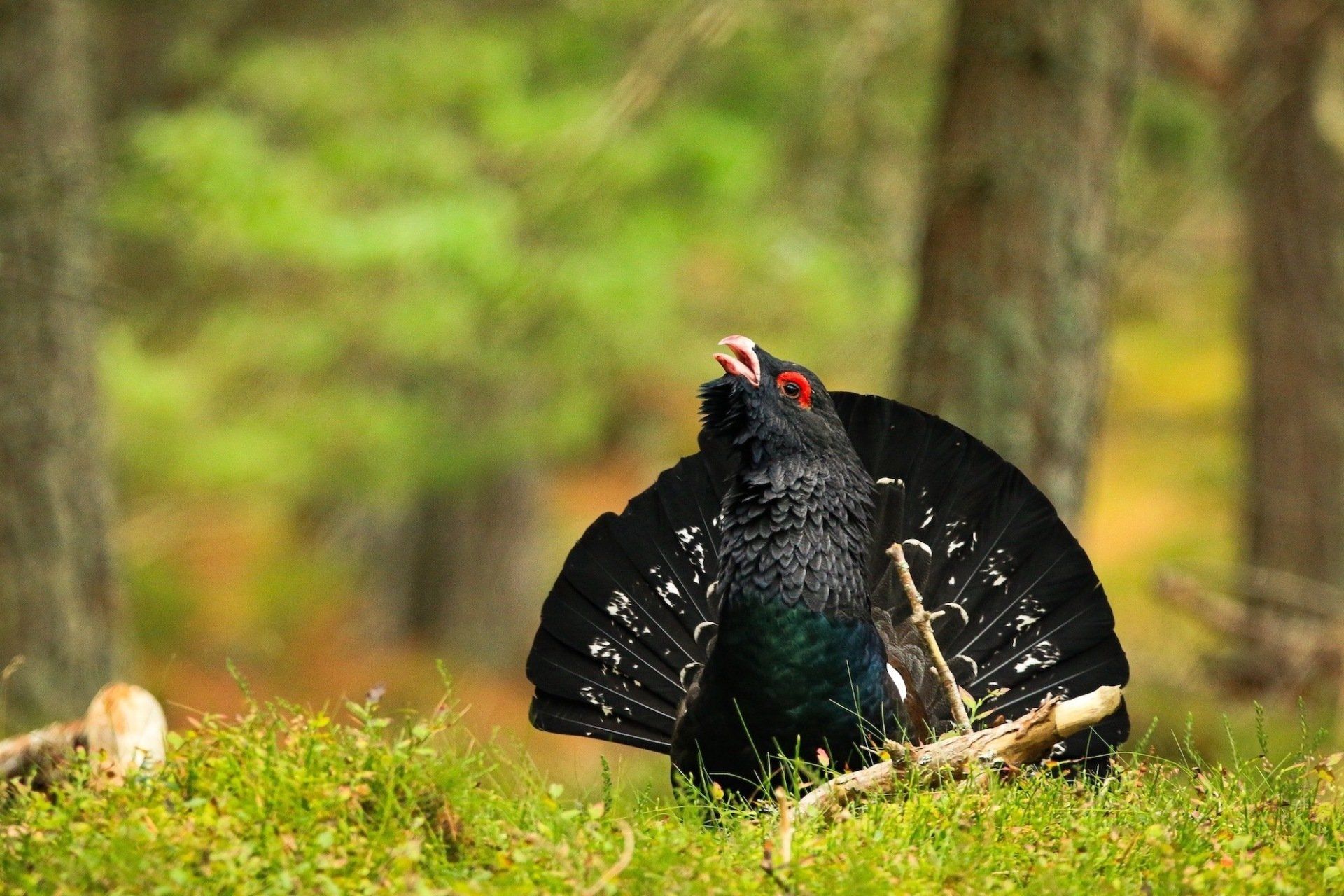
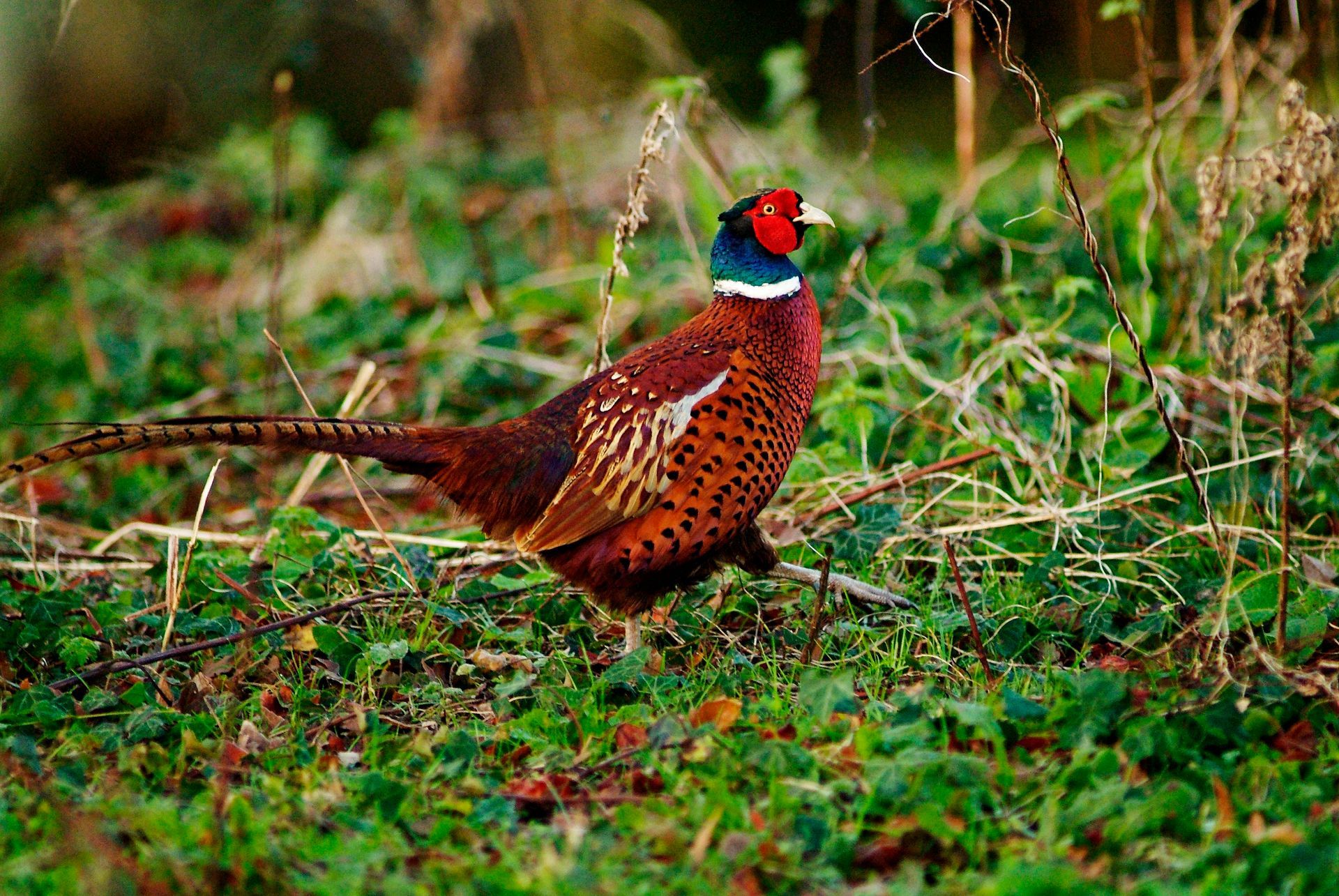
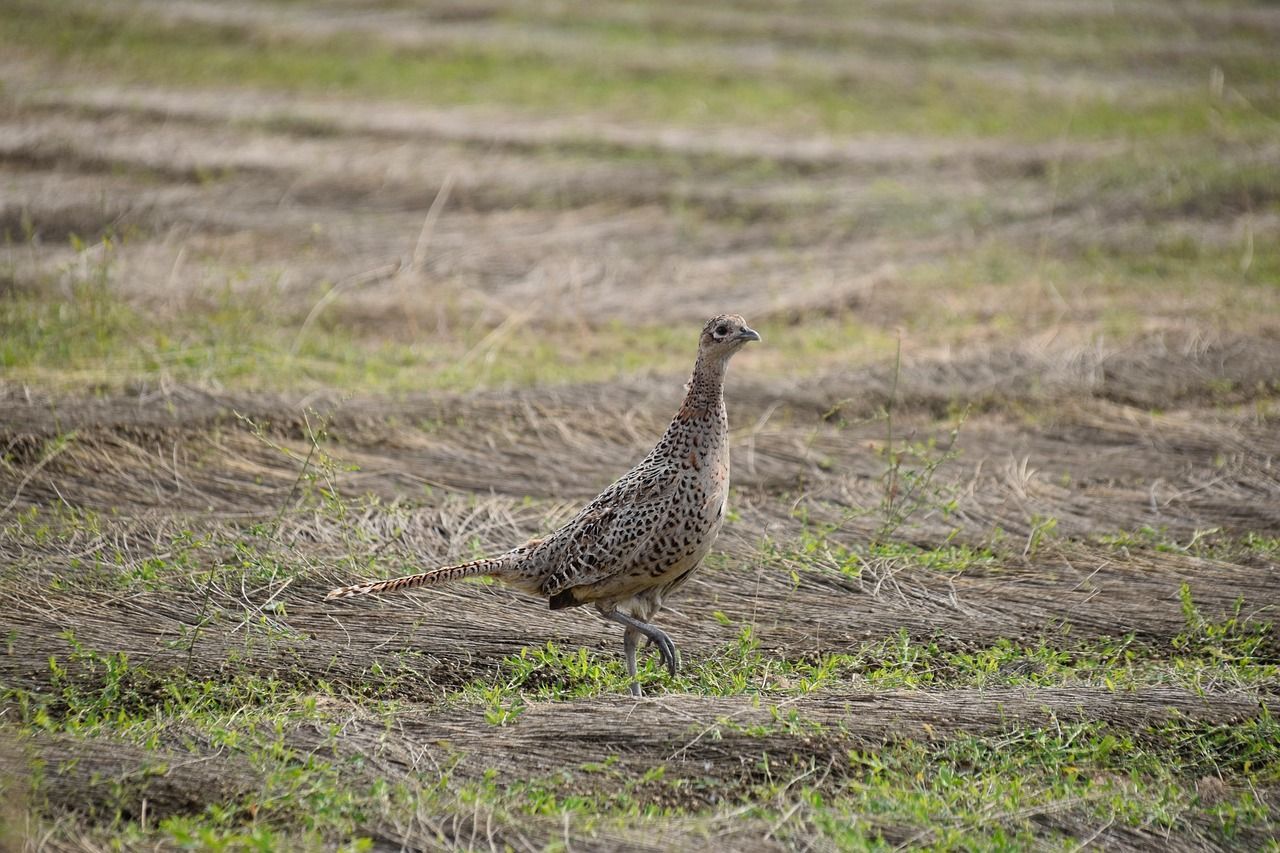
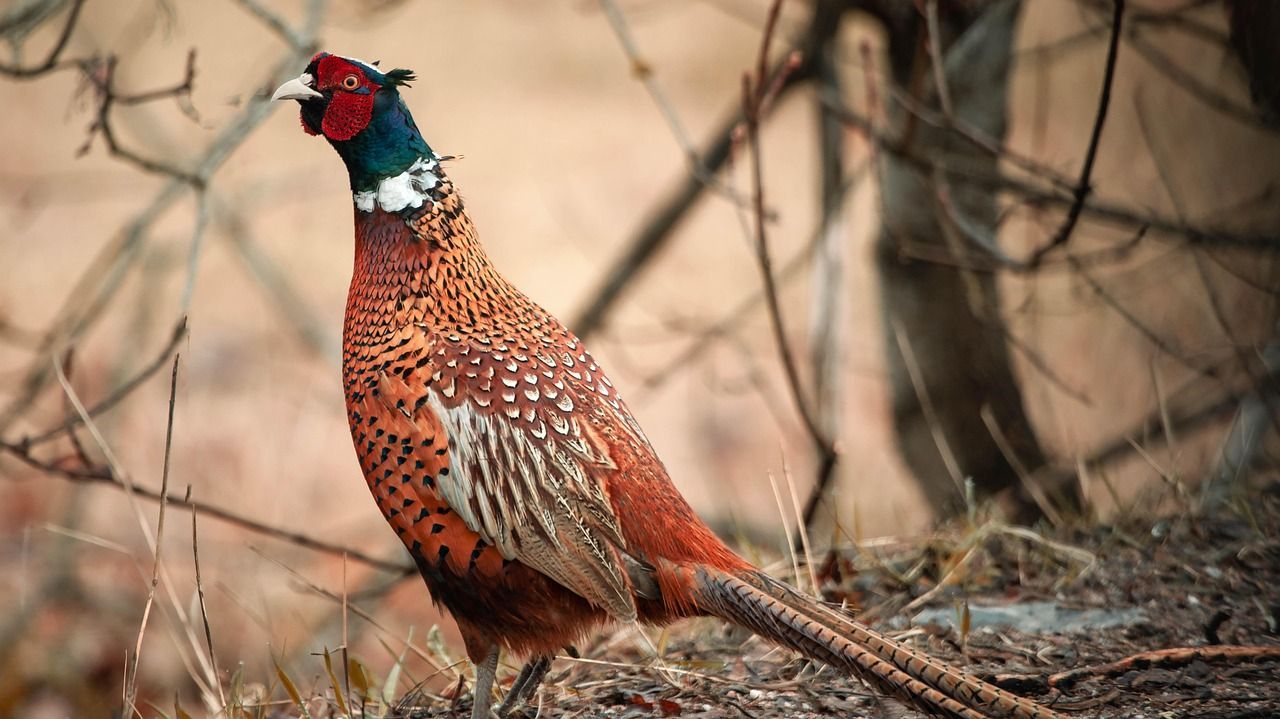
The common pheasant (Phasianus colchicus) is a bird of remarkable variety. Males, or cocks, are a riot of colour—shimmering green and bronze feathers, a white neck ring, and scarlet wattles around the eyes. Their long barred tails add further drama, especially in flight. By contrast, the females, or hens, are more modestly dressed in mottled brown, providing effective camouflage when nesting. This striking sexual dimorphism makes the pheasant one of the most visually distinctive gamebirds in Britain.
A History of Introduction
Pheasants are not native to the UK. They were first introduced by the Romans, later reintroduced by the Normans, and eventually became widely established during the 18th and 19th centuries as gamebirds for shooting.
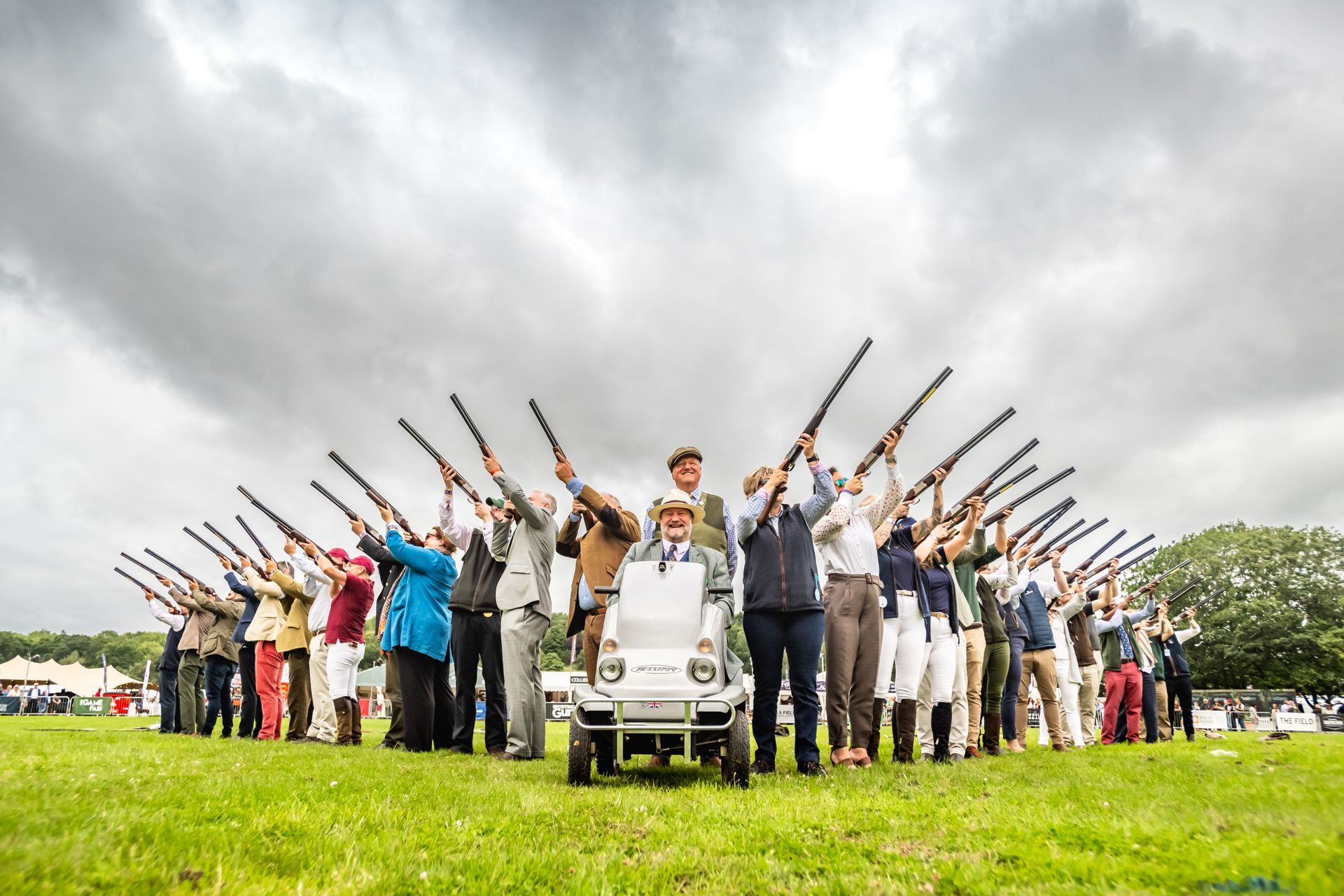
Today, they are managed extensively on estates and farms, with many released each year for the shooting season. Despite their managed status, pheasants have also adapted well to the wild and can be found across much of lowland Britain.
Habitat and Behaviour
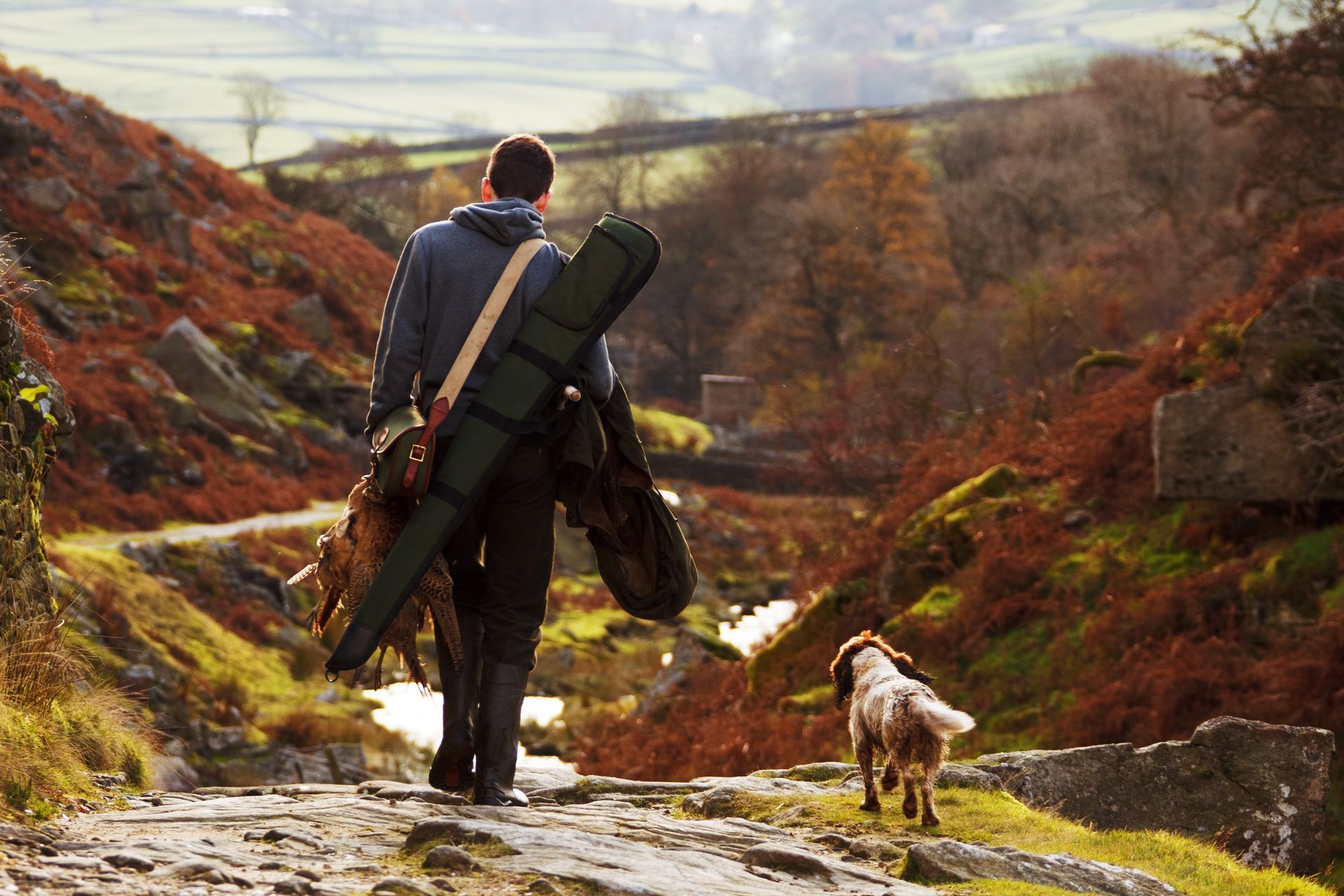
Pheasants favour a mixed environment of woodland, farmland, and hedgerows. They roost in trees but spend much of their time on the ground, scratching for seeds, insects, and shoots. Their loud croaking calls and sudden explosive flights are familiar to walkers who accidentally flush them from cover. While not strong fliers, their short, rapid bursts of flight make them challenging quarry in the field.
Breeding and Lifecycle
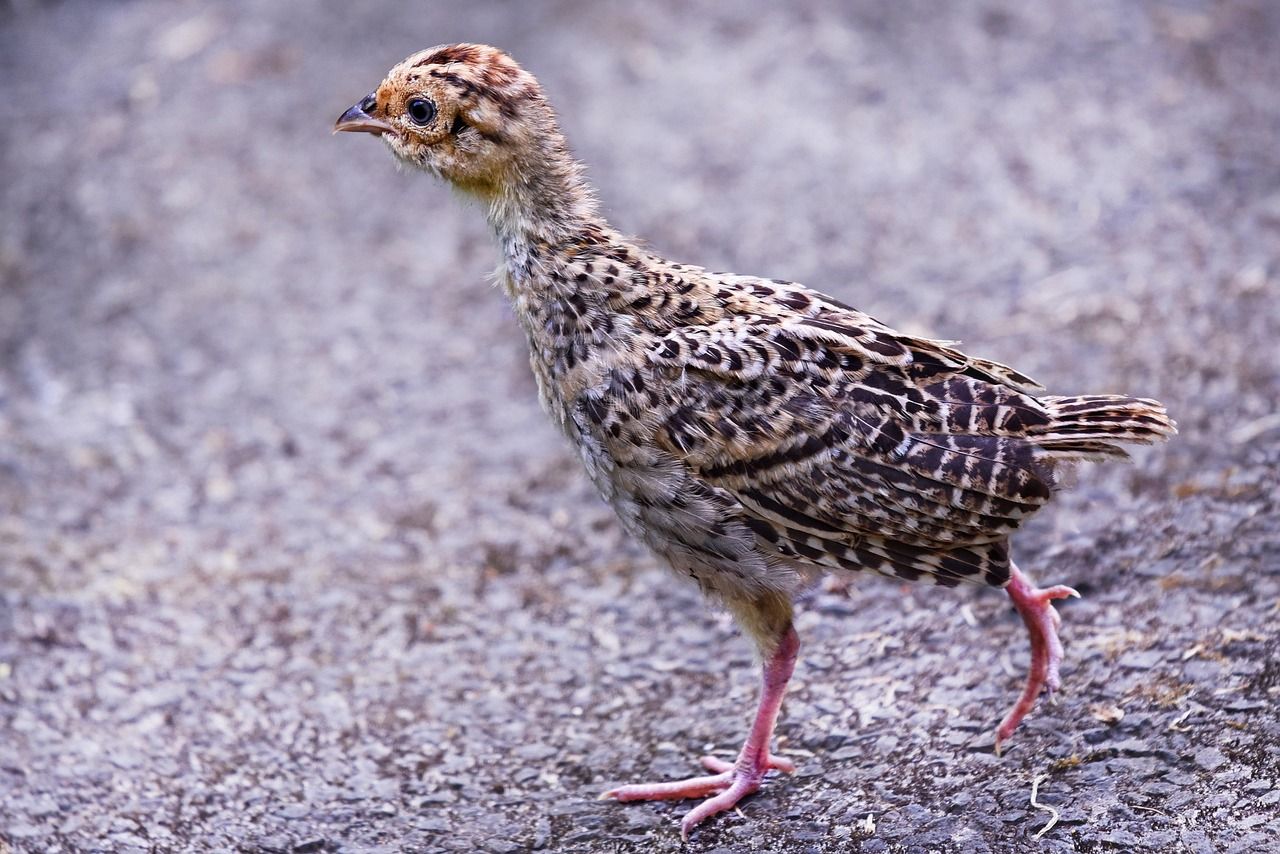
In spring, the cock pheasant establishes a territory and gathers a harem of hens, often displaying by fanning his tail and calling loudly. The hen lays a clutch of 8–12 eggs in a simple nest on the ground, relying on her mottled feathers for camouflage. Chicks are precocial, leaving the nest soon after hatching to feed on insects and vegetation, growing rapidly through summer into the autumn months.
Role in the Countryside
Beyond their role in shooting, pheasants contribute to the visual richness of the countryside. Their bold colours, dramatic calls, and sudden flushes add character to walks and fieldwork. For many, the pheasant is symbolic of the changing seasons—most noticeable in autumn, when shooting days begin, and in spring, when cocks are at their most vocal.
Conservation Considerations
Pheasants are controversial in conservation circles. Large-scale releases can affect local ecosystems, competing with native birds or leading to overgrazing of ground flora. However, management for pheasant shooting often includes habitat improvements, such as maintaining woodlands and hedgerows, which benefit a range of other wildlife. As with much in the countryside, balance is key.
A Lasting Presence
Love them for their beauty, their sporting challenge, or their place in rural tradition, pheasants are here to stay. They are a colourful reminder of how the British countryside blends the wild with the managed, the native with the introduced. Whether glimpsed strutting across a stubble field or bursting noisily from a hedgerow, the pheasant is part of the seasonal rhythm of rural life.
Read more: