The Shire Horse
Gentle Giant of the Countryside
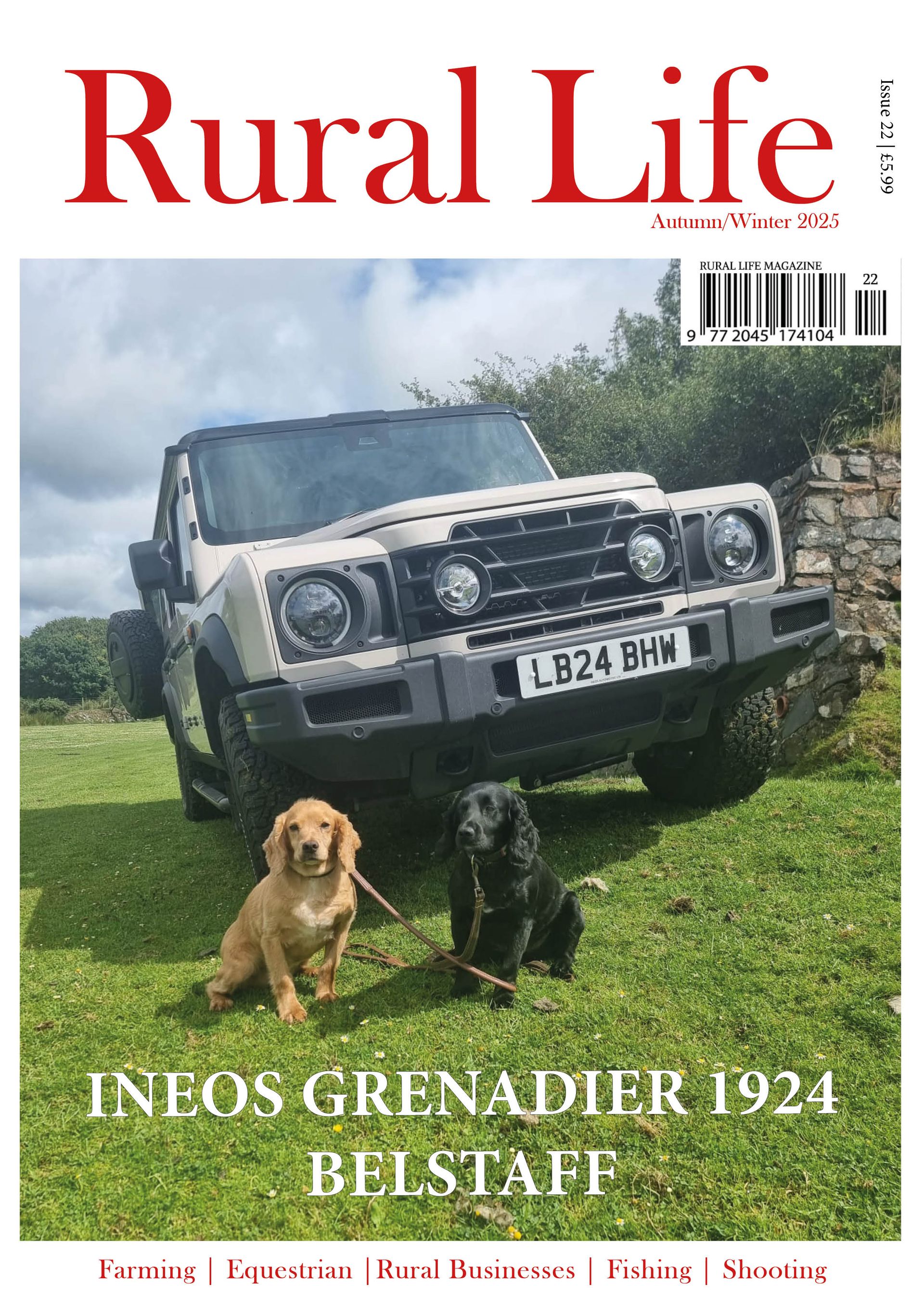
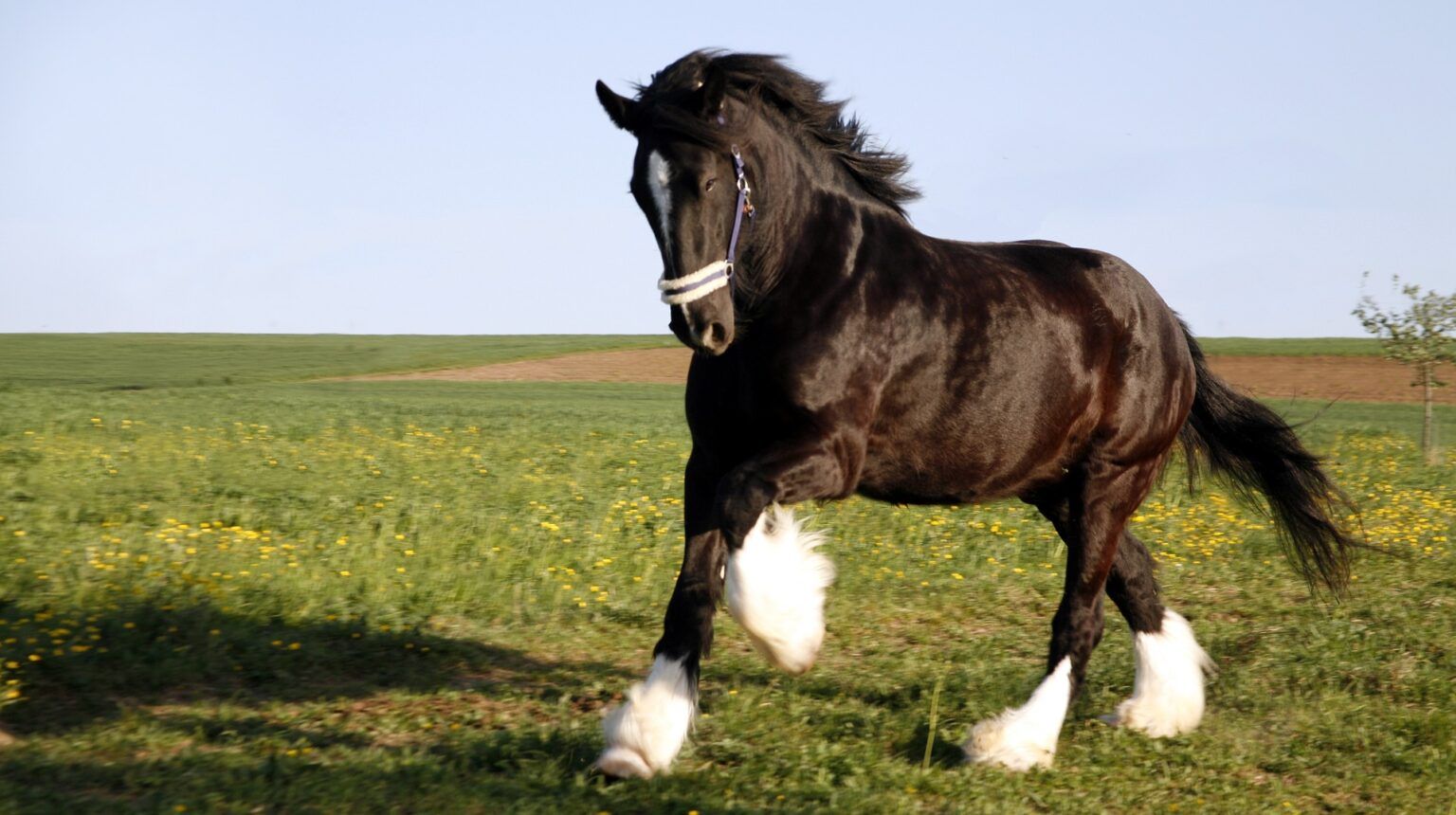
Few animals capture the imagination quite like the Shire horse. Towering in stature, with feathered legs, arched necks, and a calm, steady temperament, these magnificent heavy horses are part of Britain’s rural heritage. Once the backbone of agriculture and industry, the Shire horse is now cherished for its beauty, strength, and role in keeping traditional skills alive.
A Horse of History
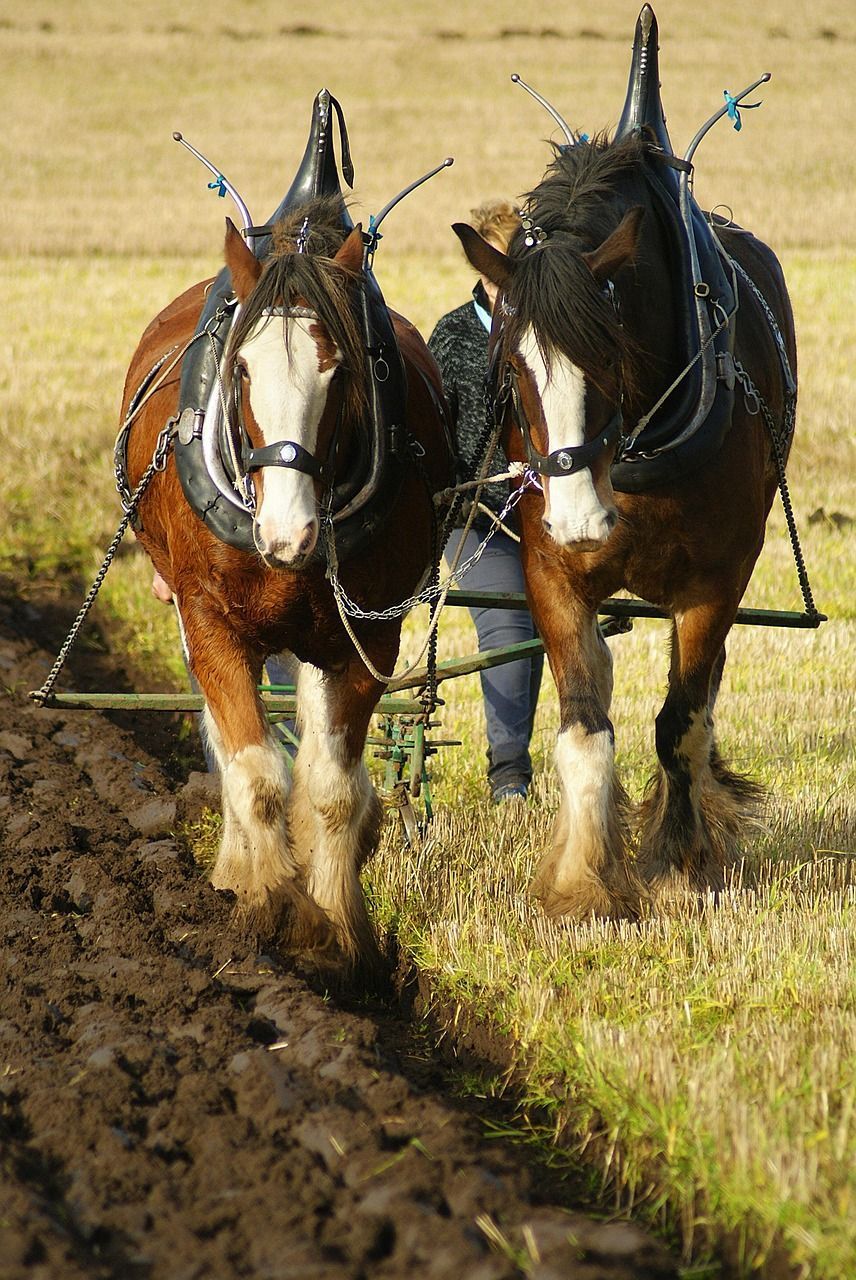
The Shire horse’s story stretches back centuries. Their ancestors were the “Great Horses” of medieval England, bred to carry knights in full armour into battle. By the 16th and 17th centuries, they became the powerhouses of farming, hauling ploughs and wagons across the land. During the height of the Industrial Revolution, Shires could be seen in towns and cities pulling drays for breweries—a tradition still proudly maintained by some breweries today.
Distinctive Looks
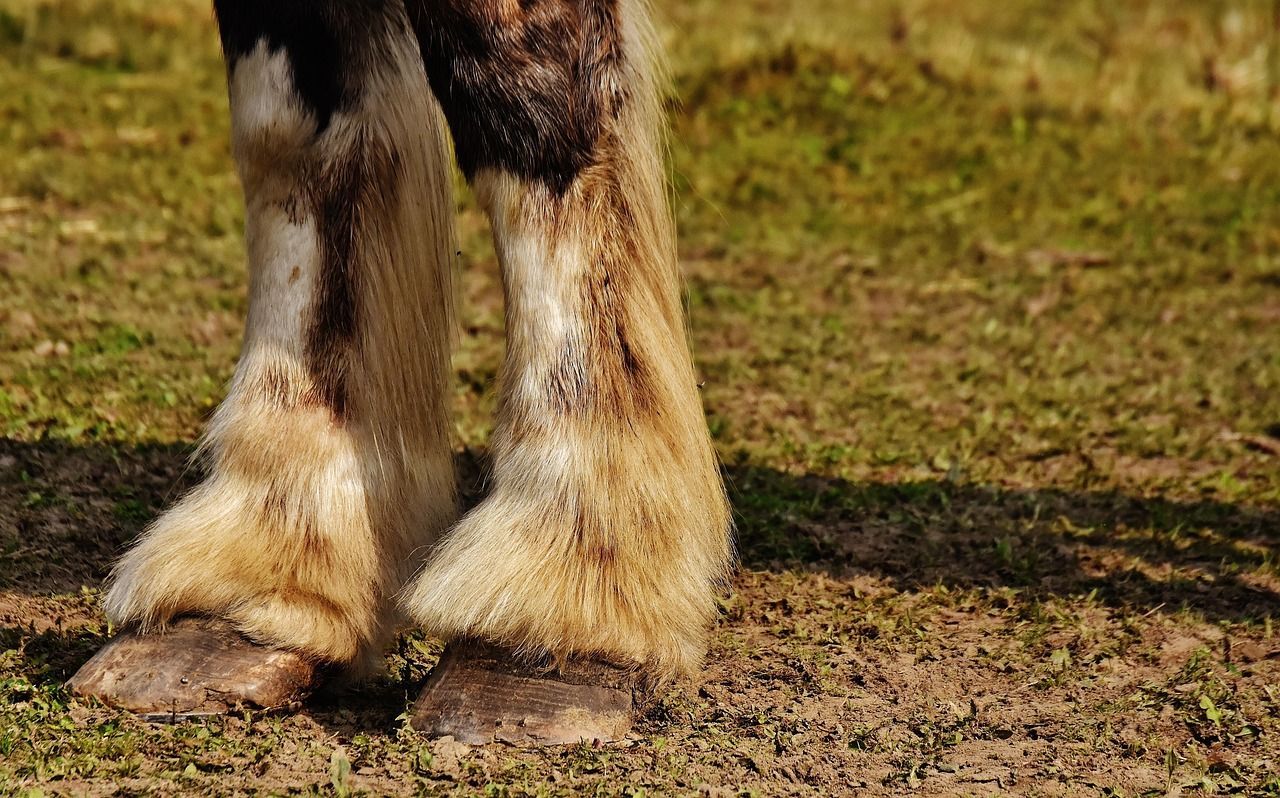
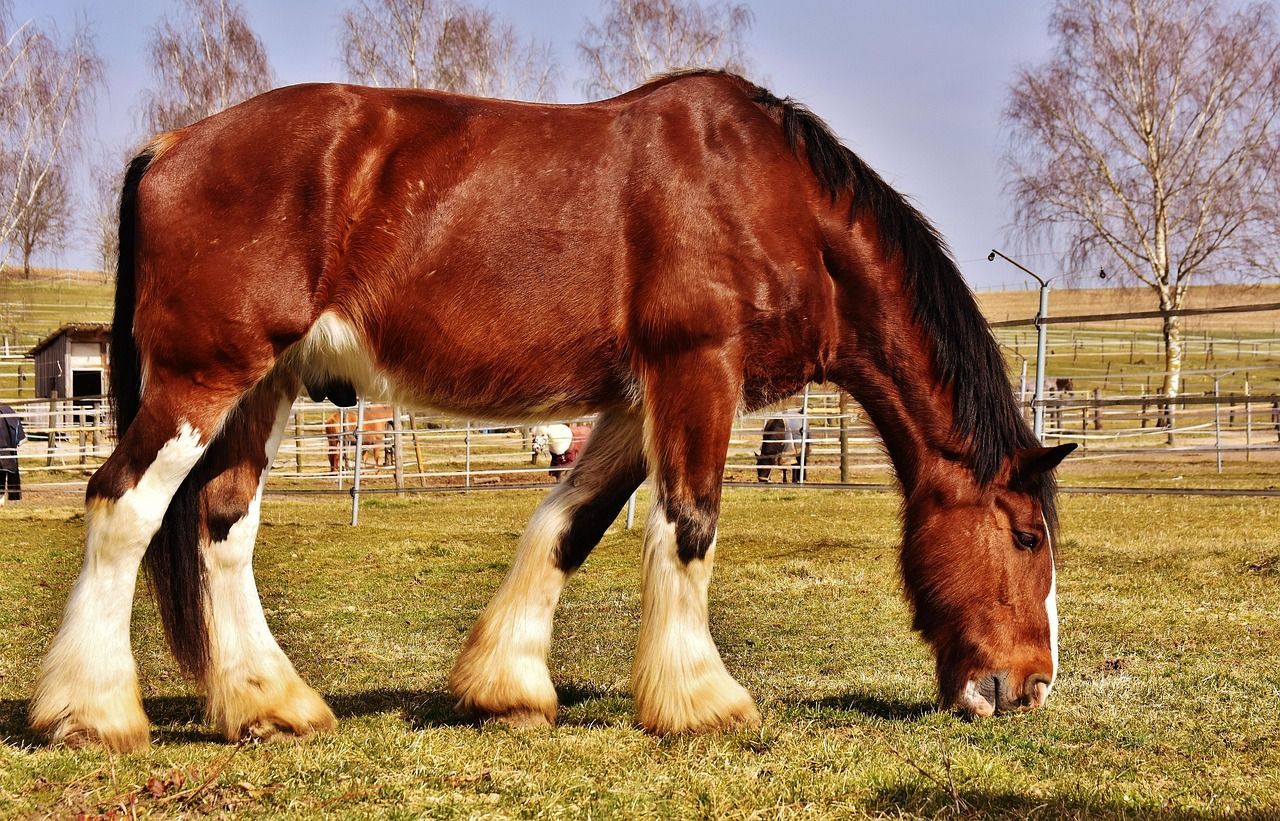
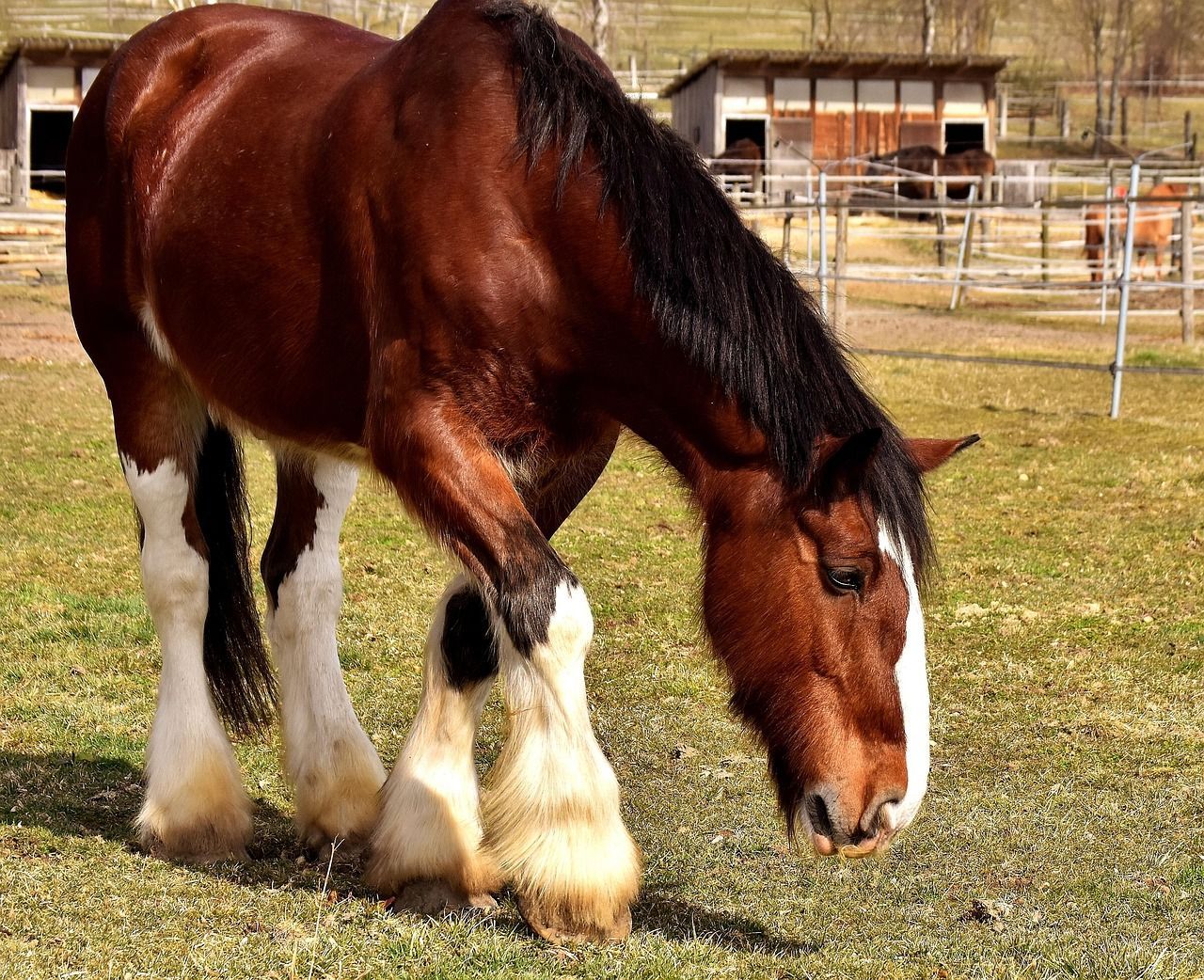
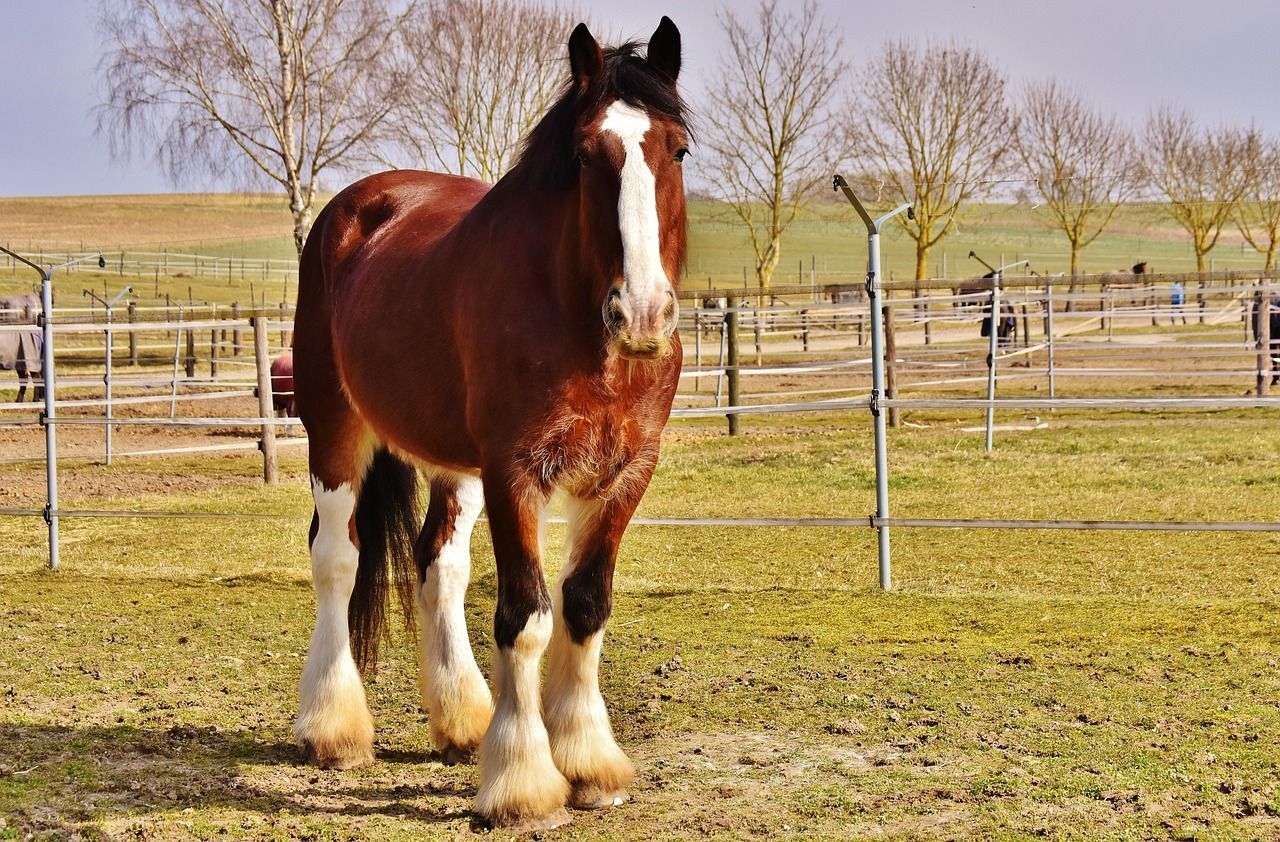
The Shire horse is instantly recognisable. Standing between 16 and 18 hands high—sometimes taller—they are among the largest horses in the world. Their broad chests, muscular build, and feathered lower legs give them an imposing yet elegant appearance. Colours are typically bay, black, or grey, often with striking white markings on the face and legs. Despite their size, their calm and patient expression is a hallmark of the breed.

Temperament and Character
Behind the Shire’s grand appearance lies a surprisingly gentle and affectionate nature. Known as the “gentle giants” of the equine world, they are steady, reliable, and intelligent, making them ideal for working closely with humans. They thrive on partnership and are renowned for their patience—a quality that made them invaluable in the days of long hours in harness.
Modern Roles
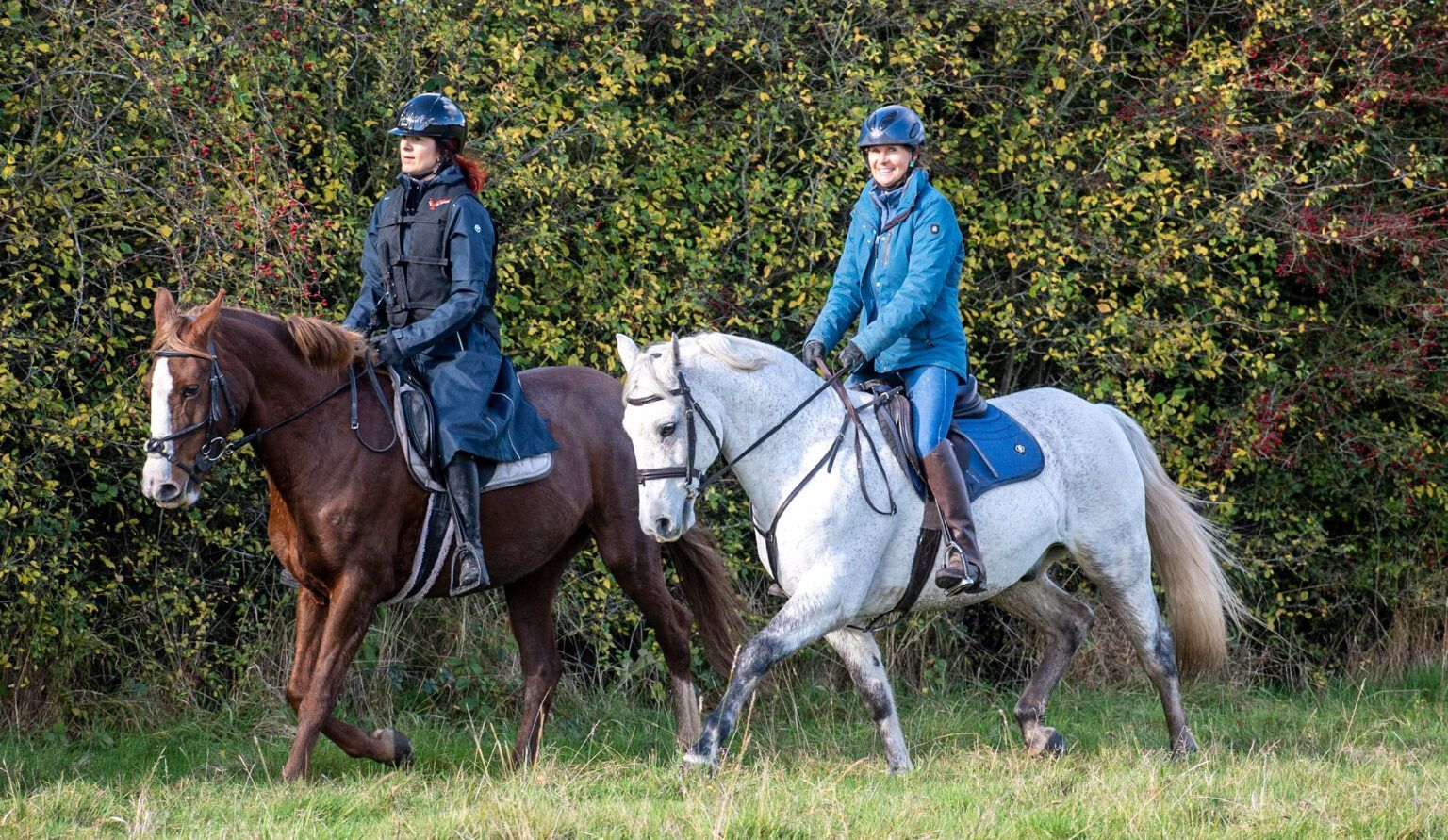
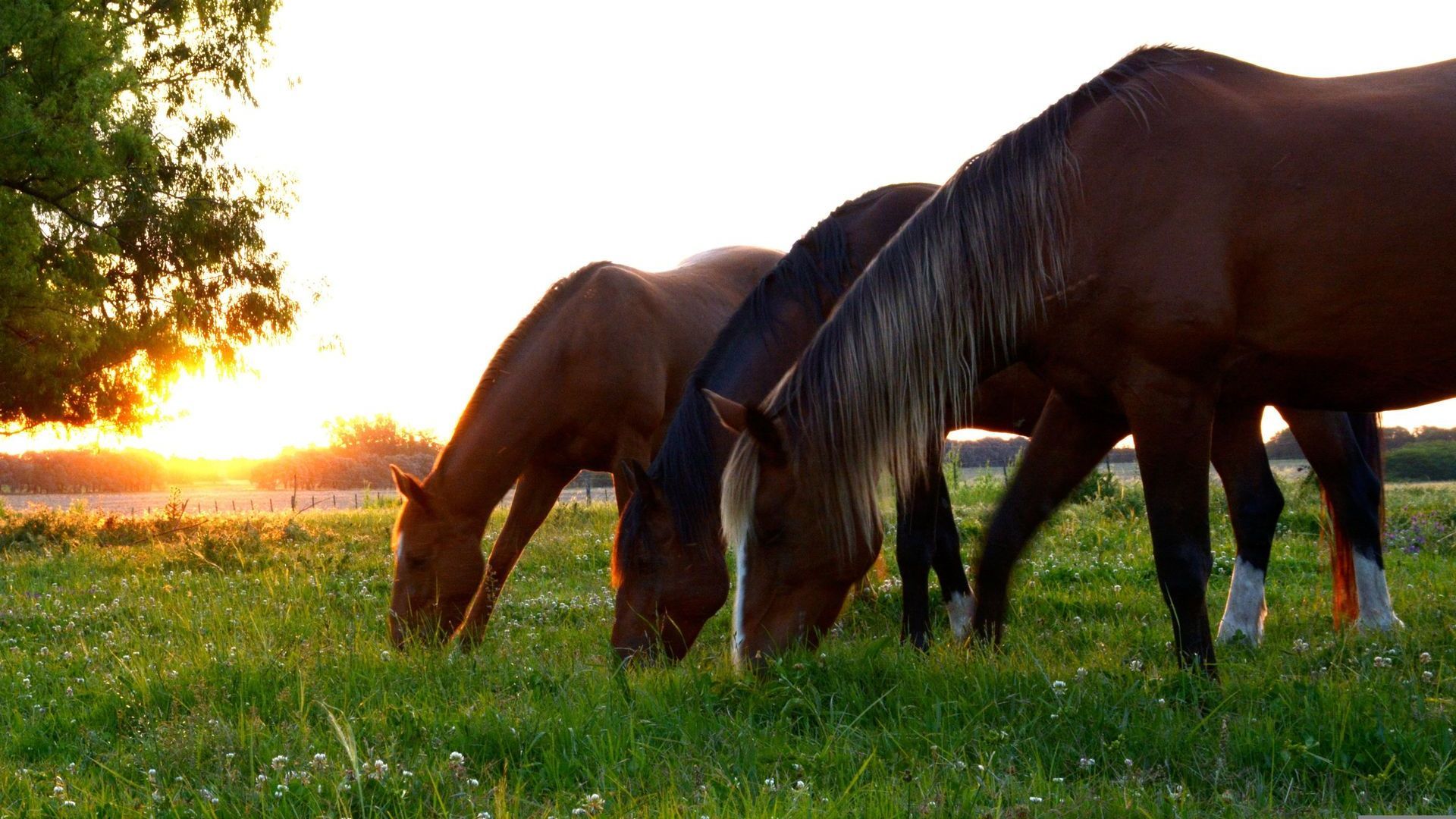
Today, the Shire horse is no longer needed for heavy farm or industrial work, but it has not lost its place in rural life. Many are still used for forestry and conservation grazing, where their ability to work without damaging the land is prized. Others star at agricultural shows, pulling traditional wagons or competing in harness classes. Riding Shires is also growing in popularity, offering a surprisingly smooth and comfortable ride despite their size. And of course, brewery drays remain a much-loved spectacle at parades and events.
.
Conservation and Challenges
Despite their popularity at shows and events, the Shire horse is still classed as a breed at risk by the Rare Breeds Survival Trust. Mechanisation reduced the need for working horses during the 20th century, and numbers plummeted. Thanks to dedicated breeders and enthusiasts, the population is now slowly recovering, but ongoing support is vital to ensure the survival of this historic breed.
A Living Legacy
For many, the Shire horse represents more than strength or size—it symbolises the heritage of the British countryside. They connect us with the rhythm of rural life before machinery, when horse and human worked side by side to plough fields, haul timber, or deliver beer to a bustling market town. Watching a team of Shires in harness today is to glimpse a living piece of history, carried forward by the dedication of breeders, handlers, and enthusiasts.
The Future of the Shire
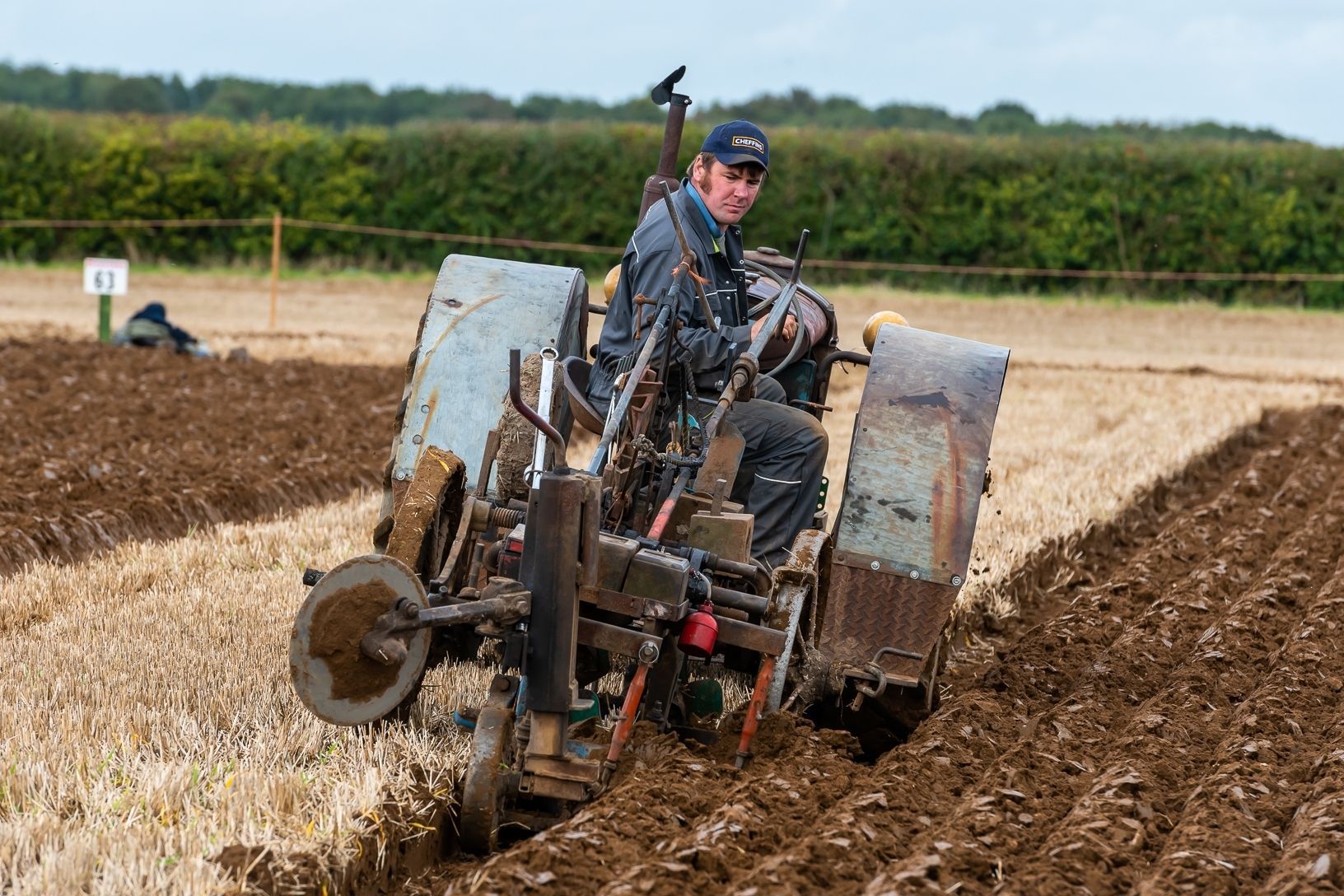
The Shire horse’s future depends on keeping the breed relevant and visible. Events, working demonstrations, and conservation work all play a part in inspiring new generations to value and protect these giants. Whether admired in a show ring, at a traditional ploughing match, or grazing peacefully in a field, the Shire horse continues to hold a special place in our rural story—a true gentle giant whose legacy endures.
Read more: