Foxes
Quiet Companions of the Countryside

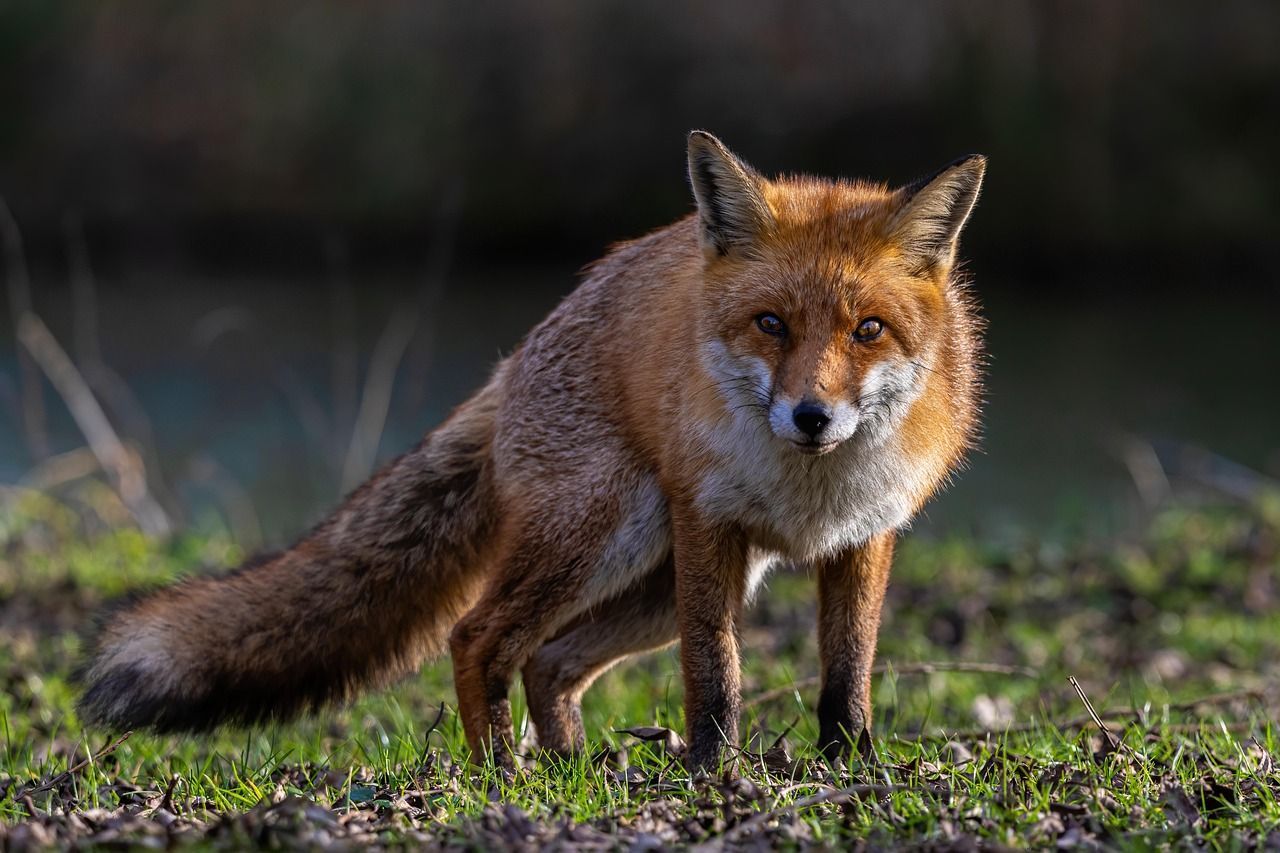
The red fox is one of the most familiar and adaptable mammals in the British landscape. Seen slipping along hedgerows at dawn or pausing briefly at the edge of a field as the light fades, foxes are an integral part of our countryside.
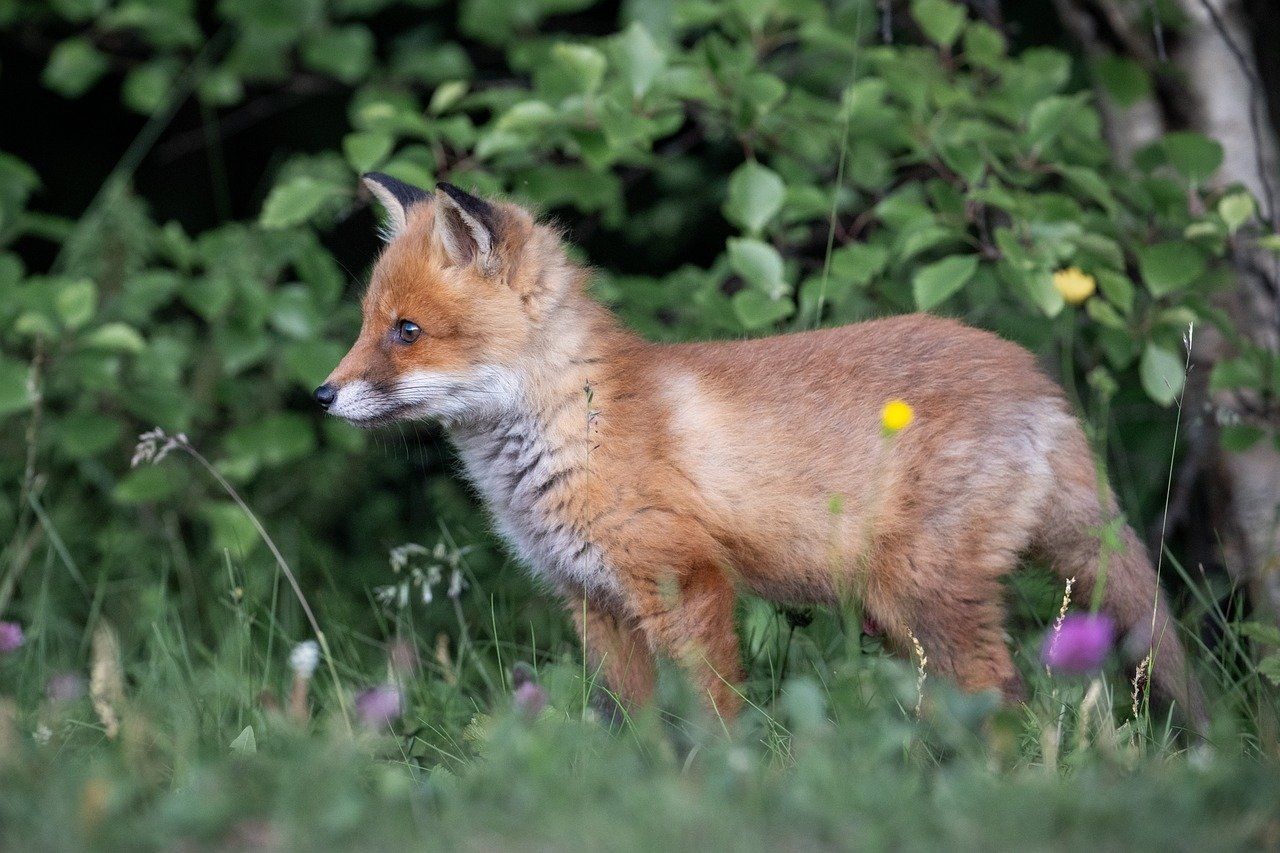
Often encountered yet rarely fully understood, they play a quiet and valuable role in the balance of wildlife, particularly during the spring months when activity increases and new life emerges. Spring is a key season for foxes. Cubs are born underground in secure earths, usually between March and April, where they are nurtured through their earliest weeks. During this time, adult foxes become more active as they forage to provide for their young.
This increased movement often brings foxes into clearer view, offering a glimpse into a family structure built on cooperation and care. Both parents contribute to feeding and protecting the cubs, while older siblings may also assist, demonstrating a social complexity not always appreciated. Foxes are highly skilled foragers, and their varied diet is one of the reasons they thrive in such a wide range of environments. Small mammals such as rodents form a large part of their diet, along with insects, fruit, and carrion. In agricultural landscapes, this feeding behaviour can be beneficial, helping to regulate populations of animals that might otherwise damage crops. By cleaning up carrion, foxes also contribute to the health of the wider ecosystem.
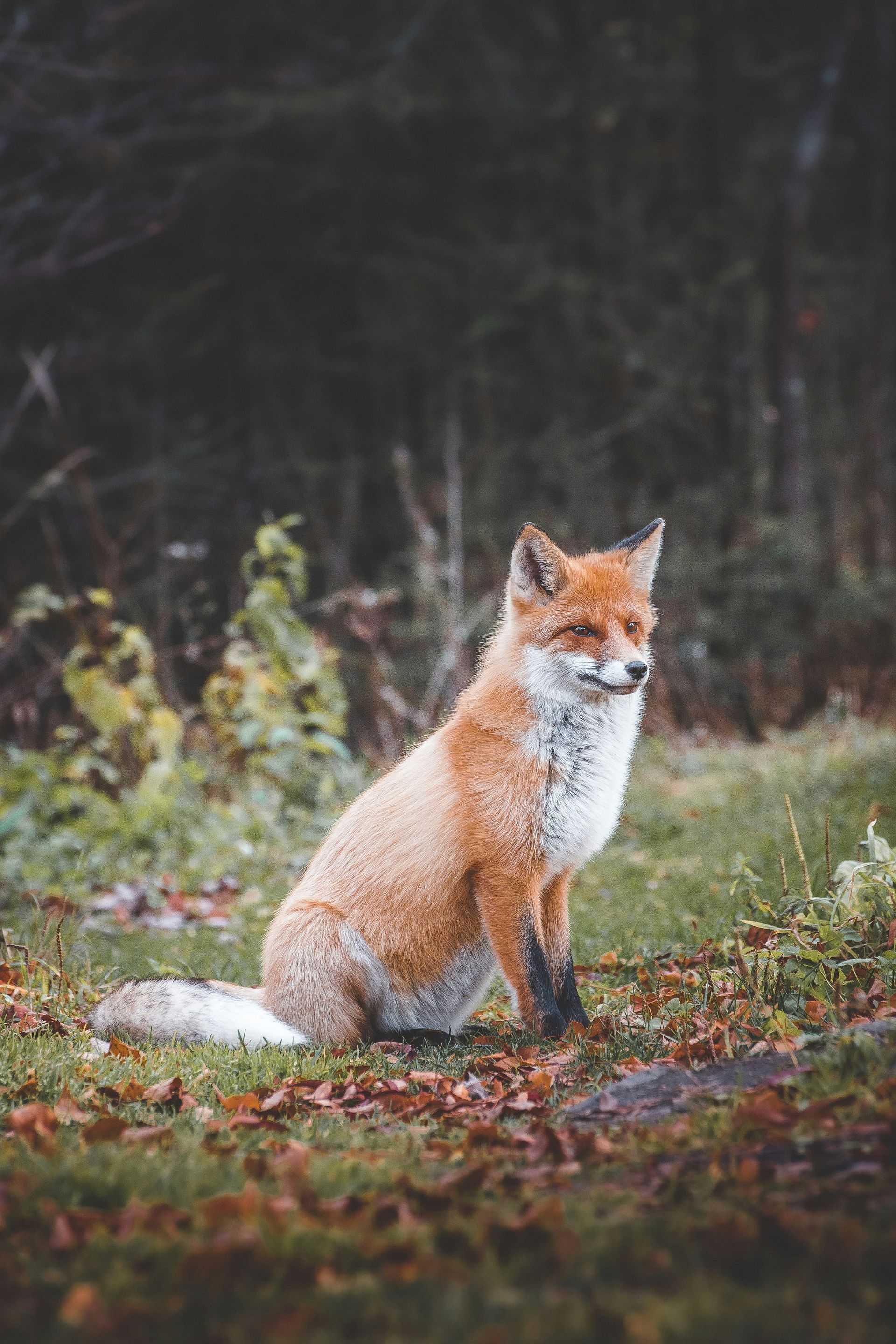

Adaptability is central to the fox’s success. In rural areas, they navigate a patchwork of fields, woodland edges, and hedgerows, using natural corridors to move unseen. In more developed landscapes, they adjust their habits, becoming primarily nocturnal and using quiet spaces to rest during the day. This ability to coexist with changing surroundings has allowed foxes to remain a constant presence even as the countryside has evolved. Foxes also play a role in shaping biodiversity. As predators, they influence the behaviour and distribution of prey species, preventing any one population from becoming dominant. This balance supports healthier ecosystems, where a range of species can coexist. Their digging activity can help aerate soil and create habitats later used by other animals, adding to their ecological value.
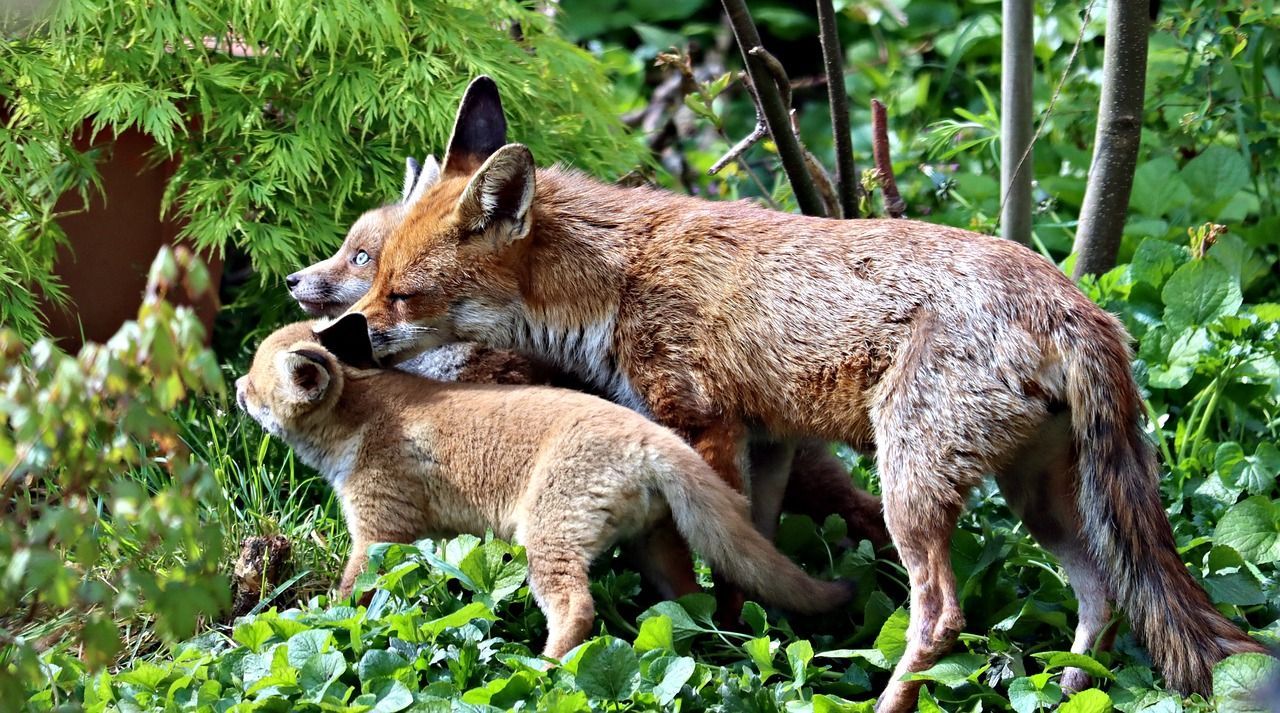
Despite their familiarity, foxes retain a strong sense of wildness. They are intelligent, curious, and cautious, often observing from a distance before moving on. Encounters are usually fleeting, a brief crossing of paths rather than prolonged contact. This elusiveness adds to their mystique and reinforces their role as a truly wild presence in the British countryside. Spring evenings often bring increased opportunities to spot foxes. As daylight lingers, they may be seen exploring field margins or resting near cover, their russet coats catching the last of the sun. Cubs begin to emerge from the earth, playing and exploring under the watchful eye of adults. These moments offer a rare insight into fox behaviour and provide a reminder of the richness of wildlife that exists alongside rural life.
Living with foxes requires understanding and tolerance. Like all wild animals, they follow natural instincts shaped by survival. Observing from a respectful distance allows us to appreciate their behaviour without disturbance. Simple actions, such as securing food sources and protecting vulnerable livestock appropriately, help ensure peaceful coexistence. Foxes have long been part of British folklore and storytelling, often portrayed as clever and resourceful. These characteristics reflect real traits that have enabled them to endure through centuries of change. In the modern countryside, foxes remain a symbol of resilience and adaptability.
Seen not as intruders but as neighbours, foxes enrich our landscapes. They connect us to the rhythms of the wild, reminding us that even in managed environments, nature persists. In spring, as the countryside renews itself, the presence of foxes and their young offers a quiet reassurance that the balance of rural life continues, shaped by coexistence rather than conflict.
Read more: