Interview with Tom Morphew
By Jenny Jefferies
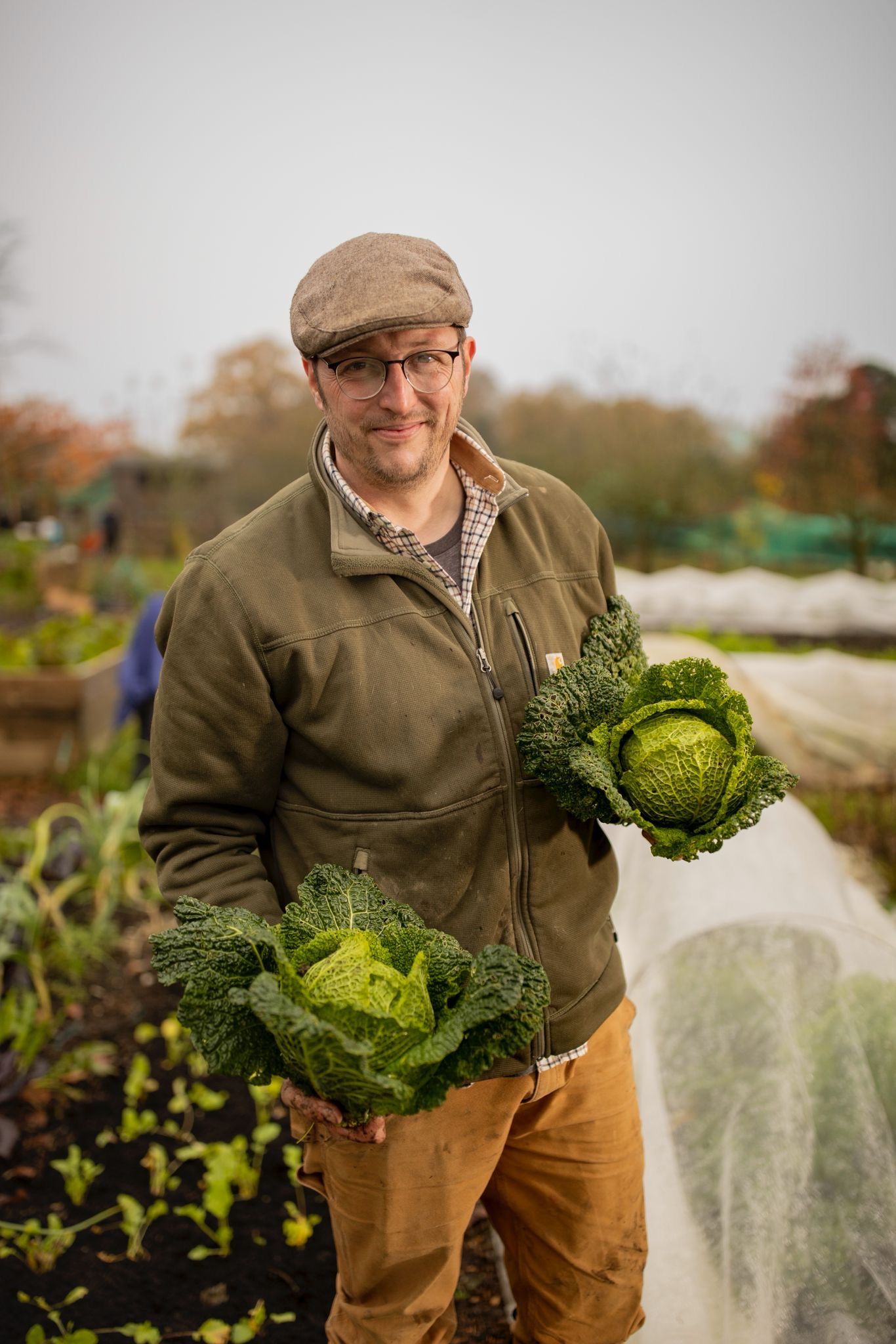

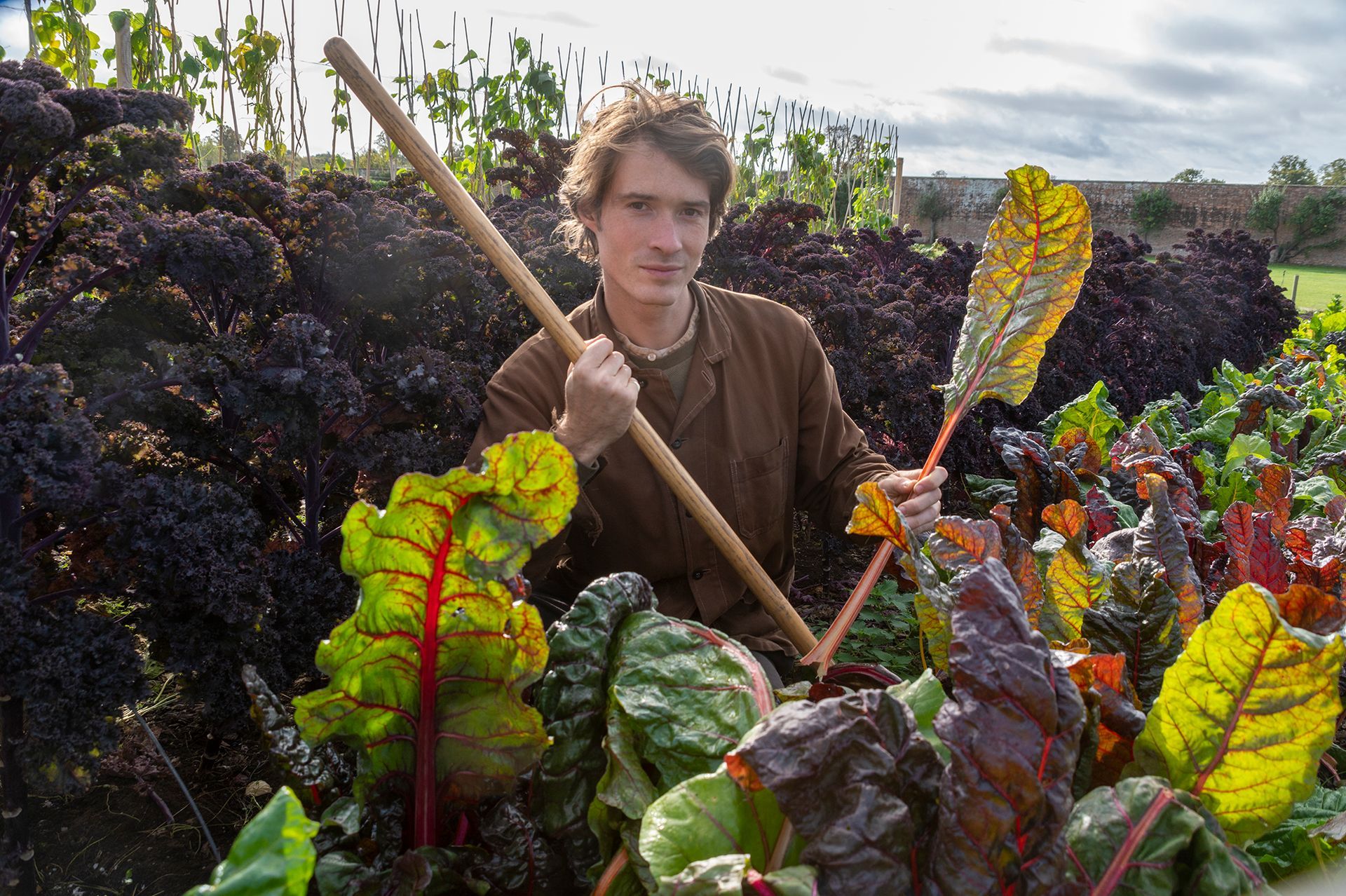
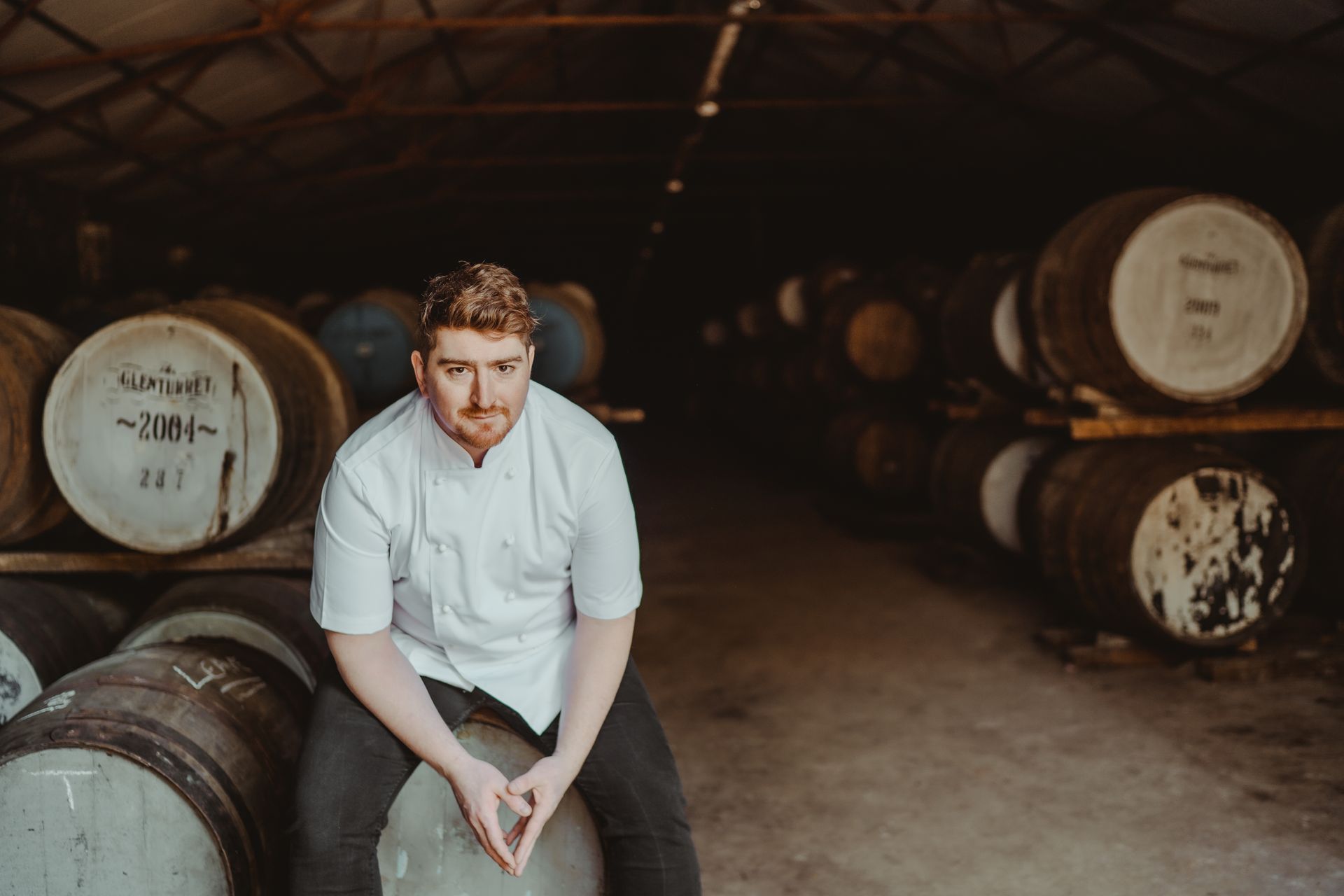
Based in West Sussex, Tom Morphew is a regenerative farmer, sustainability innovator, and the founder of Full Circle Farms and The Garden Army CIC; two organisations that are transforming the way we grow food, manage waste, and support people. At the heart of Tom’s work is a bold vision: to build a circular food system that restores nature, feeds communities, and empowers those often left behind by traditional systems.
Tom has always been passionate about farming; however, over the years, he has learnt about the positive impact that farming and horticulture can have on people’s wellbeing.
In 2020, Tom set up the Garden Army with his friend Dave Gee, an ex-military policeman who had suffered from PTSD. Unfortunately, Dave passed away before the two could start the company together, but Tom promised his friend that he would never give up and never give in. A motto that the farm stands by today. The farm was created to help improve people’s wellbeing, and when Tom broke his leg in 2018, while in hospital, he met a woman who had tried to take her own life. This made Tom feel compelled to ensure The Garden Army was not just limited to ex-military, but open to anyone who needed a place to go to de-stress and to be amongst nature.
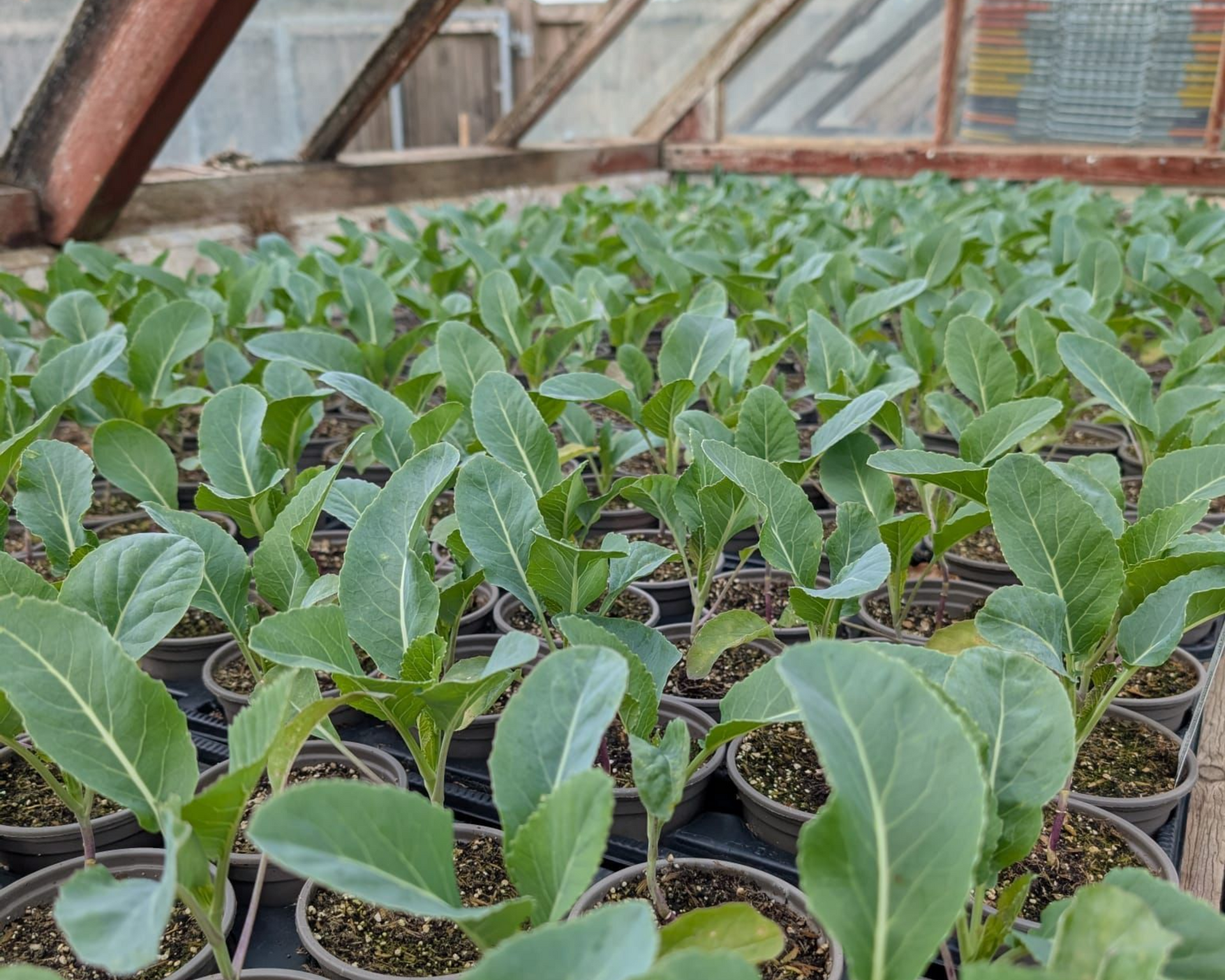
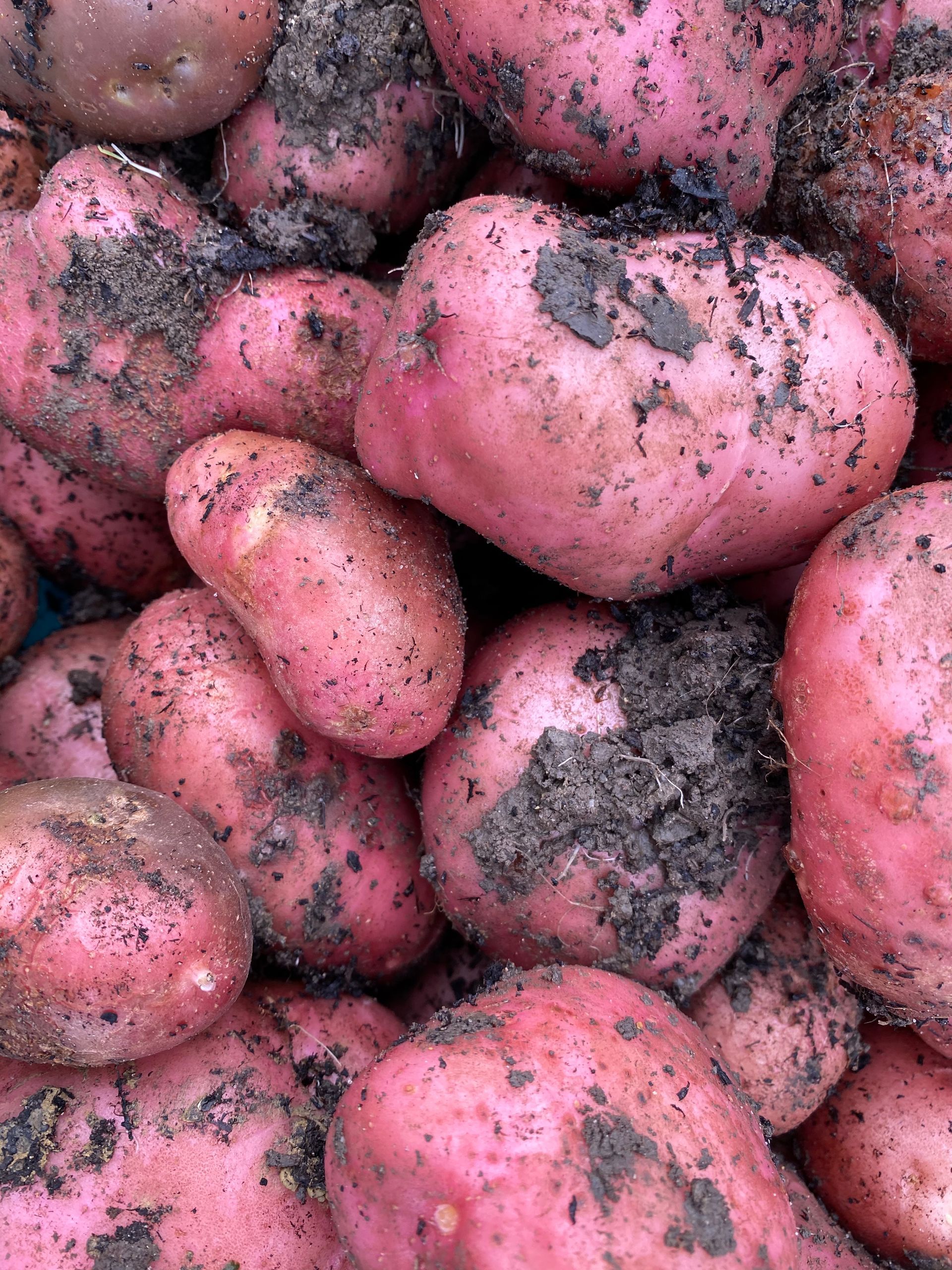
Full Circle Farms partners with venues, stadiums, and businesses across the South East; including Royal Ascot, Virgin Atlantic, Brighton FC, Fulham FC, and Sodexo Live!, to collect food and green waste. Using Tom’s own closed-loop composting technology, this waste is converted into nutrient-rich compost and used to grow chemical-free crops. These are then returned to the businesses that produced the waste, creating a regenerative, low-carbon cycle of food production.
Tom has also designed an on-site food waste recycling machine that uses AI technology to monitor and manage the composting process, capturing data such as temperature, weight, and waste content, turning sustainability into something measurable, scalable, and impactful.
1. How do we waste so much food?
Food waste happens at every stage of the chain from farms, to supermarkets, to our own kitchens. But as a society we don’t appreciate our food it’s been artificially cheap for so long . Crops are often rejected for cosmetic reasons, supply chains overproduce to meet demand that never comes, and in homes we buy more than we need. In the UK alone, millions of tonnes of food are wasted each year, much of it still edible.
2. Why is food waste management so important?
Because food waste is not just about food it’s about carbon, water, energy, labour, and land. When food is thrown away, all of those resources are wasted too. Worse still, food in landfill creates methane, a greenhouse gas far more damaging than CO₂. Proper management allows us to cut emissions, protect natural resources, and redirect nutrients back into the soil,
3. How is technology converting food waste into nutrient-rich compost and growing chemical-free crops?
At Full Circle Farms we use innovative composting machines that process food waste on-site. These machines break down waste safely and quickly into a rich, biologically active compost. That compost goes straight onto our fields, where it fuels the growth of chemical-free crops. The cycle closes itself: food that would have been wasted instead becomes the foundation for new, healthy soils and food. This means higher nutrition levels in our food making us healthier and stronger .
4. Capturing that data is so valuable and meaningful, and has potential for further unique collaboration. What do you think is the future for Full Circle Farms?
The future lies in scaling this closed-loop system and sharing it with others. By capturing real-time data on waste streams, soil health, and crop outputs, we can show exactly how sustainable food systems perform.
That opens the door to partnerships with schools, businesses, councils, and other farms helping us expand regenerative farming and reshape how the UK thinks about food. We also hope to support many other farmers to create a profitable farming system for generations to come.
5. In what way can the implementation of AI be beneficial to food production?
AI can track food waste composition, predict soil needs, optimise crop planning, and even forecast yields. Unfortunately, it can’t predict the perfect weather. By processing thousands of data points that farmers simply don’t have time to analyse, AI gives us insights that improve efficiency, cut waste, and boost food quality. It’s not about replacing the farmer it’s about giving farmers sharper tools to make better decisions.
6. Regenerative farming is not all just about the soil, but it’s about the people too. How can our readers get involved?
Come and join us. Volunteer on the farm, take part in a corporate away day, or simply choose to support local, chemical-free food. Readers can also help by encouraging their workplaces to recycle food waste with us, or by spreading the word about the importance of regenerative farming. Every action, big or small, adds up.
7. What is the best thing about farming in Britain today?
The resilience and passion of the people. Despite the challenges farmers face from land access to climate change there is an incredible community of growers, innovators, and volunteers determined to create a better food system. Britain also has a strong heritage of farming, and we’re seeing a new generation wanting to reconnect with that.
8. If anyone reading this would like a career in agriculture, what would be your main advice to them?
Be open-minded and persistent. Farming today is not just tractors and fields it’s technology, science, community work, and entrepreneurship. Find an area that excites you, get hands-on experience, and don’t be afraid to fail along the way. Agriculture needs people with fresh ideas as much as it needs strong hands. Be humble and listen and learn from the older generation.
9. Why is education about food provenance so important?
Because knowing where food comes from changes how we value it. If children grow a carrot, they won’t throw one away. If consumers understand the journey from soil to plate, they make healthier, more sustainable choices.
Education helps people reconnect with nature, respect the work that goes into farming, and reduce waste at every level
10. How does simply the soil heal our internal wounds?
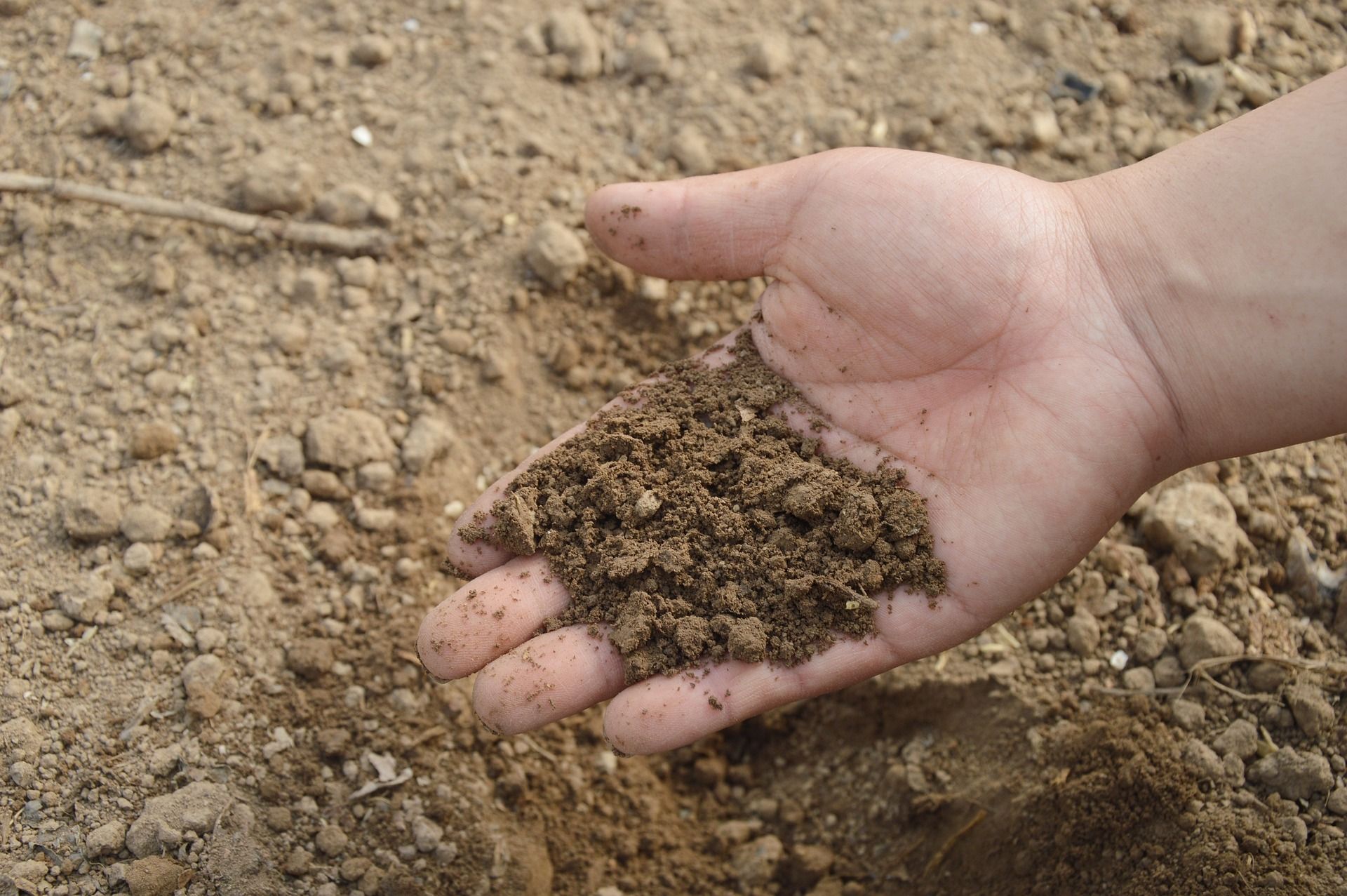
Soil is alive, and so are we. Contact with soil exposes us to microbes that are proven to boost serotonin, reducing stress and improving mental health. More than that, working with soil slows us down, grounds us, and reconnects us to something bigger than ourselves. For many of our volunteers, farming is not just about food it’s about finding purpose, healing, and belonging.
Follow @jennyljefferies
Read more: