Where You Can (and Can’t) Fish in England
A Riverbank Reality Check

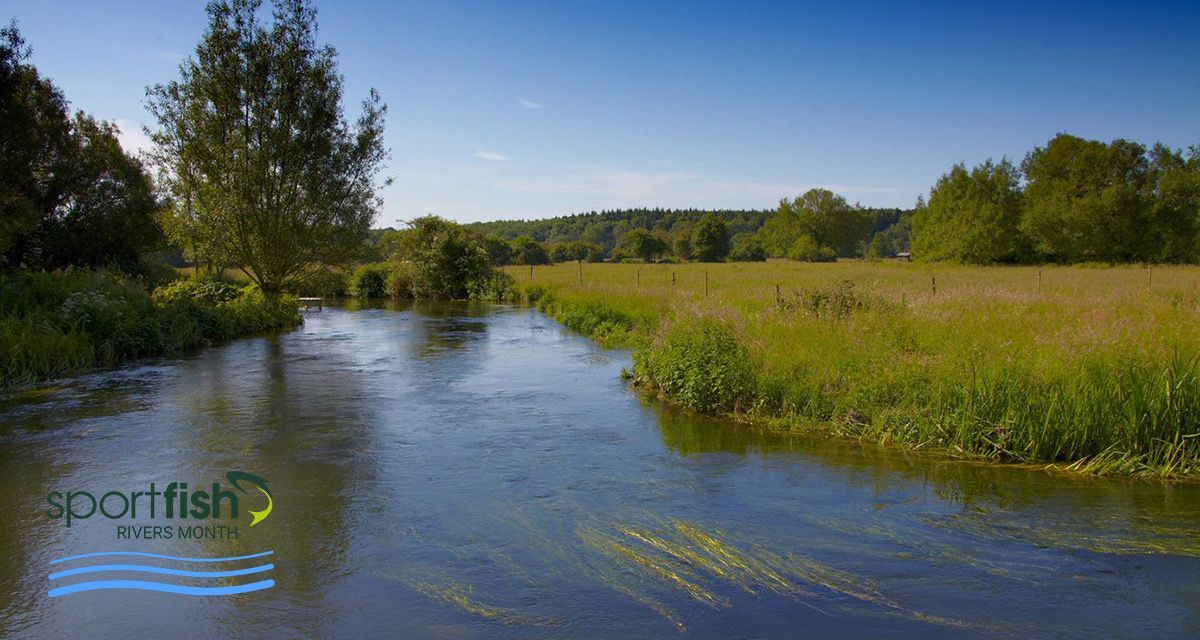
There are a few pleasures more reliably English than wandering a riverbank with a rod, a flask, and the quiet optimism that today will be “the day.” Riverside fishing is part craft, part countryside ramble: you’re watching kingfishers, reading the flow like a weather forecast, and convincing yourself that the next bend will reveal a perfect little swim. But English rivers also come with a reality check. The most scenic stretch of bank is often privately controlled, the rules change depending on what you’re targeting, and “I can walk here” does not automatically mean “I can fish here.”
Before you even think about a cast, get the two non-negotiables sorted: your Environment Agency rod fishing licence and permission for the specific water you’re fishing. In England, you generally need a rod licence to fish for freshwater fish and for salmon and trout with rod and line, and if you can’t show a valid licence when asked, you can be fined up to £2,500. The licence is your legal permission to use a rod; it is not permission to fish wherever you fancy, even if you’re standing on a lovely bit of grass that looks like it was made for a picnic chair and a keepnet.
That second part—permission for the water—is where English rivers get “interesting.” Most non-tidal river fishing rights are tied to land ownership, and the adjoining landowner is commonly presumed to own the riverbed to the midline (and, with it, the fishing rights), unless those rights have been sold or leased separately. In practice, that means a river can be controlled by a club, an estate, a syndicate, or a private individual, and control can change from one field to the next. It’s why two anglers can be doing everything “right” on opposite banks and still be on completely different permission arrangements
.Next comes the calendar, because rivers in England have a close season that catches people out every single year. For coarse fishing on rivers, streams, and drains, there’s a statutory close season from 15 March to 15 June inclusive, meaning you can fish again from 16 June. Stillwaters and many canals can be open year-round for coarse fish, but rivers are the ones that shut down in spring, largely to protect fish during spawning and the wider river environment during a sensitive period. If you’re fishing for salmonids, dates and methods can vary by area and byelaw, so it’s worth checking local rules before you plan a trip.
Once you’re legal and seasonally sensible, you can enjoy the fun part: choosing water that actually holds fish. A good river isn’t just “pretty,” it’s structured. Look for seams where fast water meets slow, the crease line behind a gravel bar, the deeper outside of a bend, or the run that tails out into a calmer glide. Rivers are conveyor belts of food, and fish tend to sit where they can feed efficiently without fighting the current. If you’re new to a stretch, give yourself five minutes of watching time before you set up. You’ll often spot the little tells—tiny dimples from dace, the swirl of a chub turning under an overhanging branch, or the steady push of flow that screams “feeder line.”
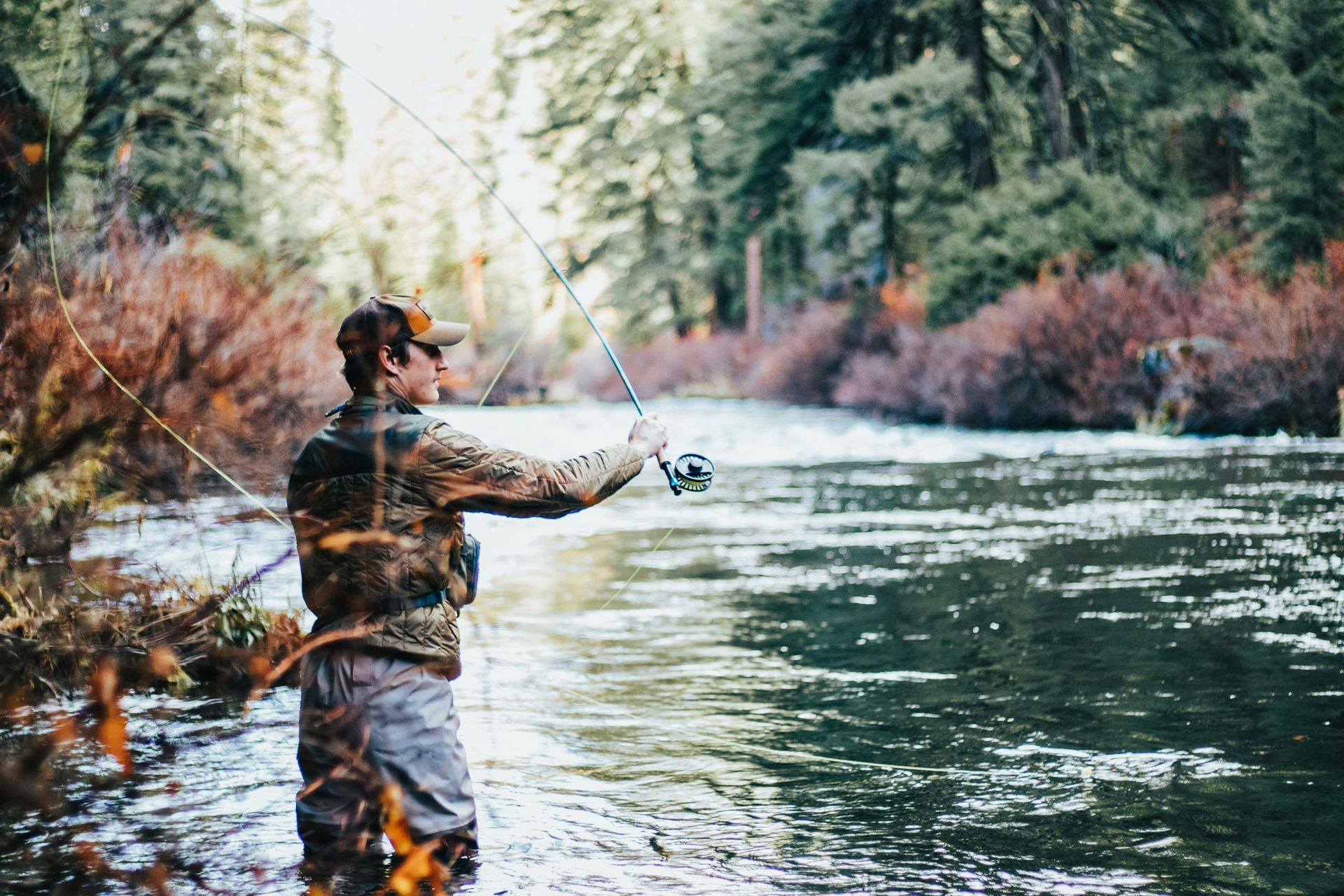

hen comes the big question for anyone who likes wandering: how do you make sure you’re not accidentally fishing a private bank? Start by trusting your eyes. If you see club signage, pegged swims, tidy platforms, or a noticeboard telling you who controls the water and how to buy a ticket, take that at face value and follow the instructions. When it’s less obvious, remember the golden rule: a public footpath gives you a right to pass and repass, not a right to fish. Being able to stand somewhere legally is not the same thing as being allowed to cast into the water beside you.
The quickest way to avoid awkwardness is to do a tiny bit of homework. Local tackle shops are brilliant for this, because they’re the unofficial information desks of the countryside and they’d much rather sell you a day ticket than watch your afternoon collapse into a conversation with a bailiff. Club websites, local angling forums, and venue finders can help you identify who controls what. If you’re fishing waterways managed by the Canal & River Trust, for example, you’ll generally need both your rod licence and an additional permit or club permission for that stretch, because the rod licence alone doesn’t grant fishing access.
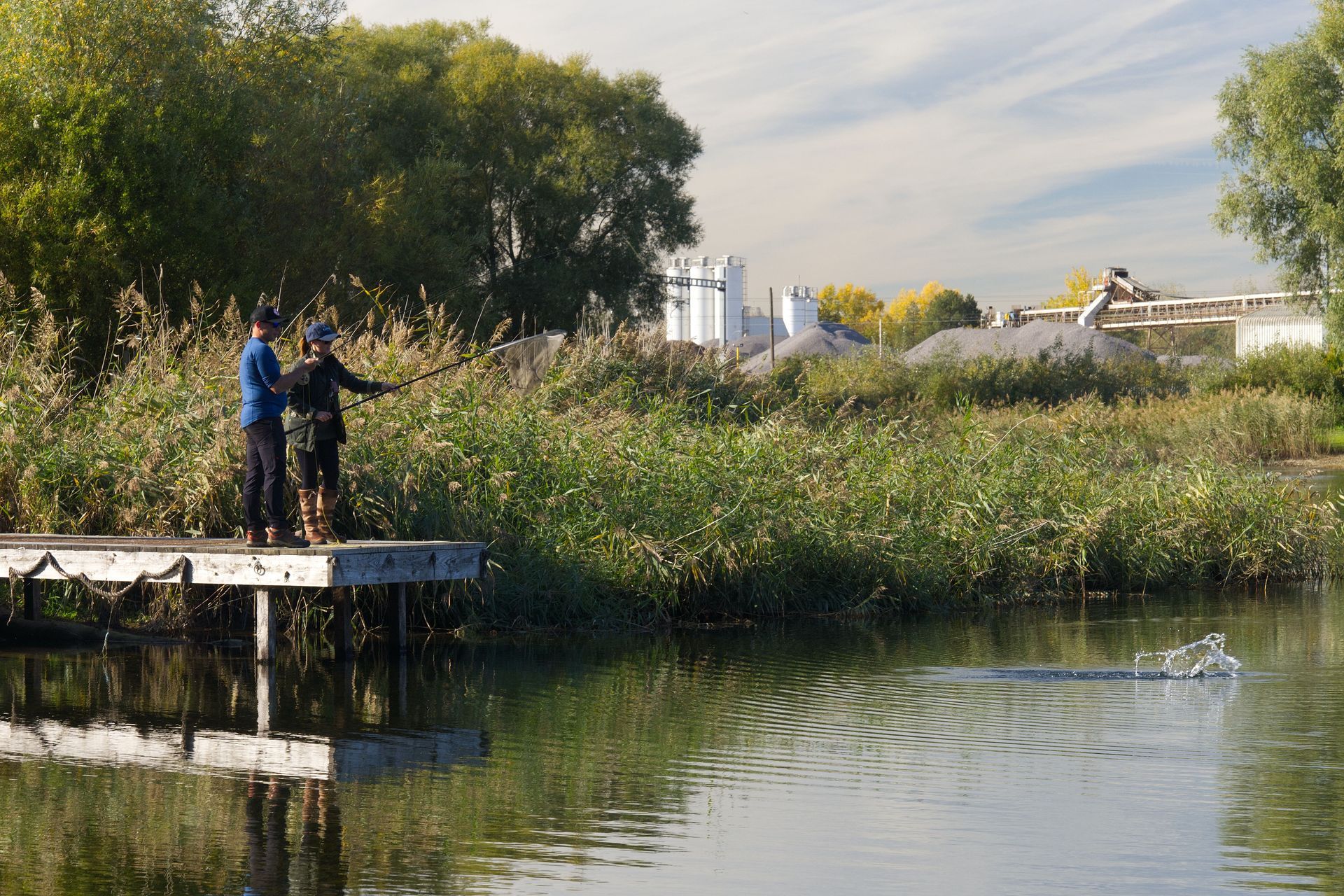
If you arrive and you’re still not sure, ask before you unpack. It can feel slightly embarrassing, but it’s far less embarrassing than being told you’re trespassing halfway through your first cuppa. A friendly “Hi—do you know who controls this bit?” to another angler is usually met with helpfulness, because most people have been the confused newcomer at some point. If an authorised bailiff or enforcement officer asks to see your licence and permission, it pays to have both accessible and to treat it like any other countryside check: calm, polite, and straightforward. Comfort and practicality matter on rivers more than on stillwaters, because a riverbank is rarely as flat and forgiving as it looks from a distance. Pack light but sensible. Polarising sunglasses help you read water and spot features (and protect your eyes from the occasional enthusiastic cast).
A landing net and basic unhooking tools aren’t “nice to haves,” they’re part of doing the job properly and looking after fish. Add layers, because rivers have a habit of turning breezy, and don’t underestimate how quickly a warm morning can become a chilly afternoon once you’ve been sat still for two hours watching a float that refuses to do anything interesting. A word on safety, because rivers can be deceptively spicy. Undercut banks can collapse, mud can behave like glue, and currents near weirs and sluices are serious business. Keep a respectful distance from fast, complicated water, and don’t assume “only knee-deep” means “safe to wade.”
Access and ownership can also get complicated once you step into the river itself, particularly on non-tidal rivers where the riverbed is treated as property. If you’re ever in doubt, keep your feet on the bank you have permission for and enjoy the fishing without turning it into an expedition.
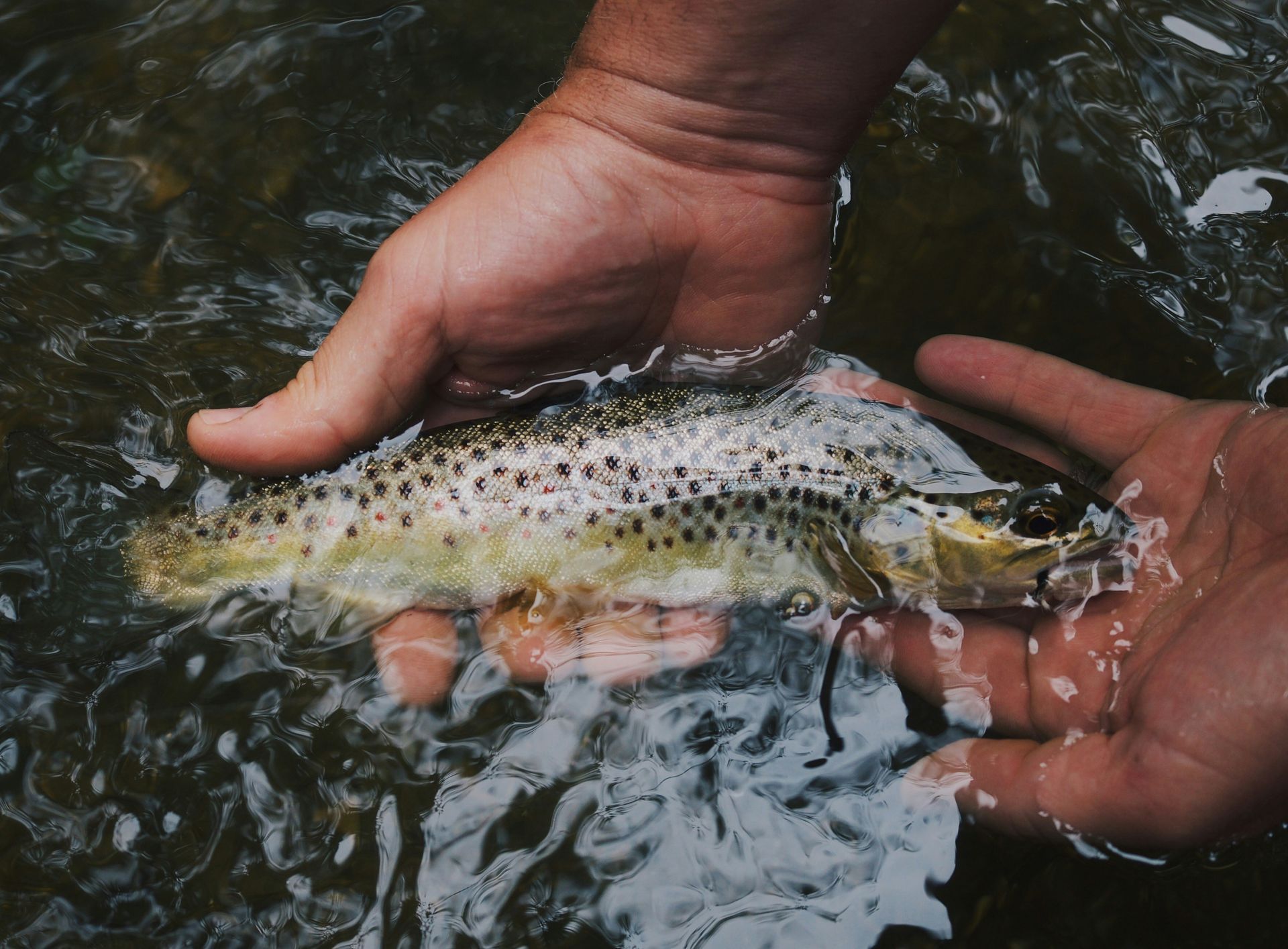
Good riverside fishing is also good countryside manners. You’re a guest in a working landscape, even when the view looks like a postcard.
Keep gates as you find them, don’t block stiles or farm access, and be considerate around livestock and nesting birds. Take every scrap of litter home, especially line and hooks, because nothing spoils a river like finding somebody else’s mess tangled in reeds. If you share the bank with walkers and dog owners, a smile and a bit of patience go a long way—particularly if their Labrador is convinced your bait bag is a mobile buffet. Finally, treat fish and rivers with care. Handle fish with wet hands, unhook quickly, and keep them out of the water for the shortest possible time. And if you move between different waters, biosecurity matters: invasive species and aquatic diseases can hitch a lift on nets, waders, and unhooking mats.
The simple habit is “Check, Clean, Dry” your gear between trips, especially if you fish a variety of rivers and stillwaters across the season. It’s an easy routine that protects the places we all want to keep enjoying.
Riverside fishing in England is at its best when you combine curiosity with a little homework. Get licensed, get permission, respect the close season, and learn to read water like you’re reading the countryside itself.
Do that, and you’ll spend less time worrying about whether you’re in the right place, and more time enjoying what rivers are really for: quiet hours, moving water, and the sudden, heart-lifting moment when the line tightens and the day stops being a stroll and becomes a story.

Read more: