Scotland’s Landscape: Wild, Ancient, and Endlessly Varied
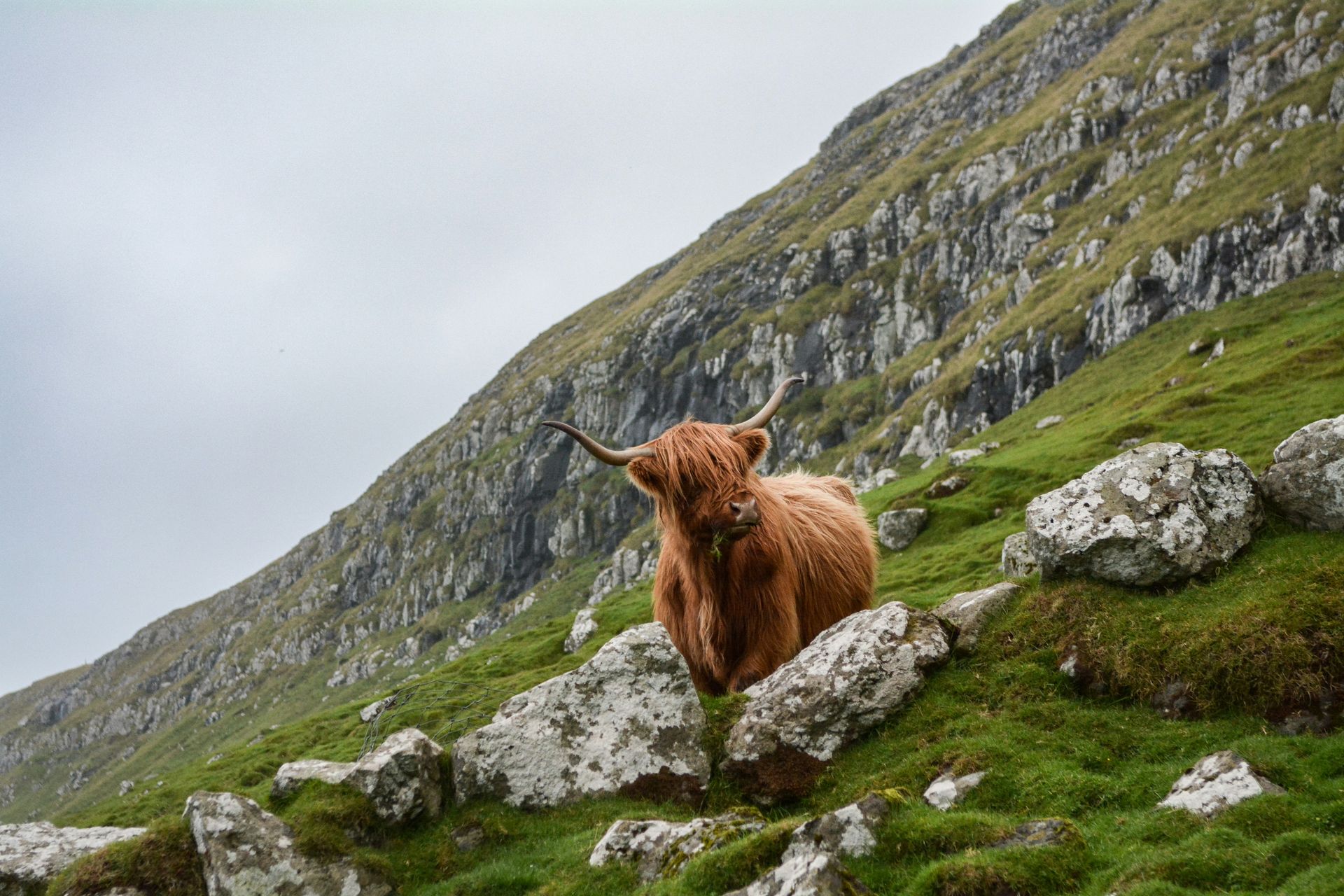

There are few places in the world where the land tells its story so boldly as in Scotland. From the jagged peaks of the Highlands to the rolling farmland of the Borders, this is a country where geology, weather, and human history have combined to create a landscape of remarkable character. To walk in Scotland is to trace the marks of time itself, where every mountain ridge, loch, and glen feels both eternal and alive.
The Highlands: A Realm of Peaks and Glens
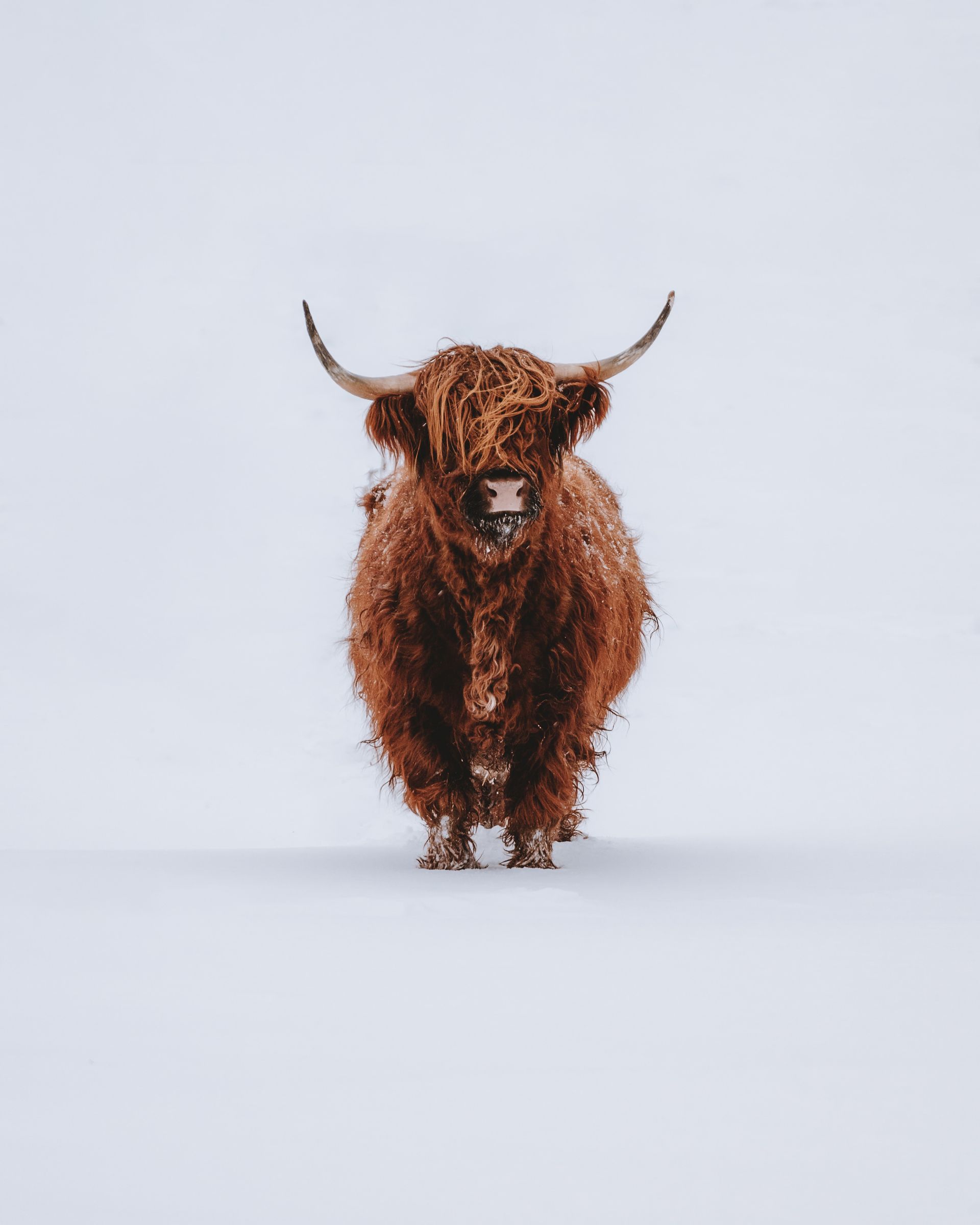
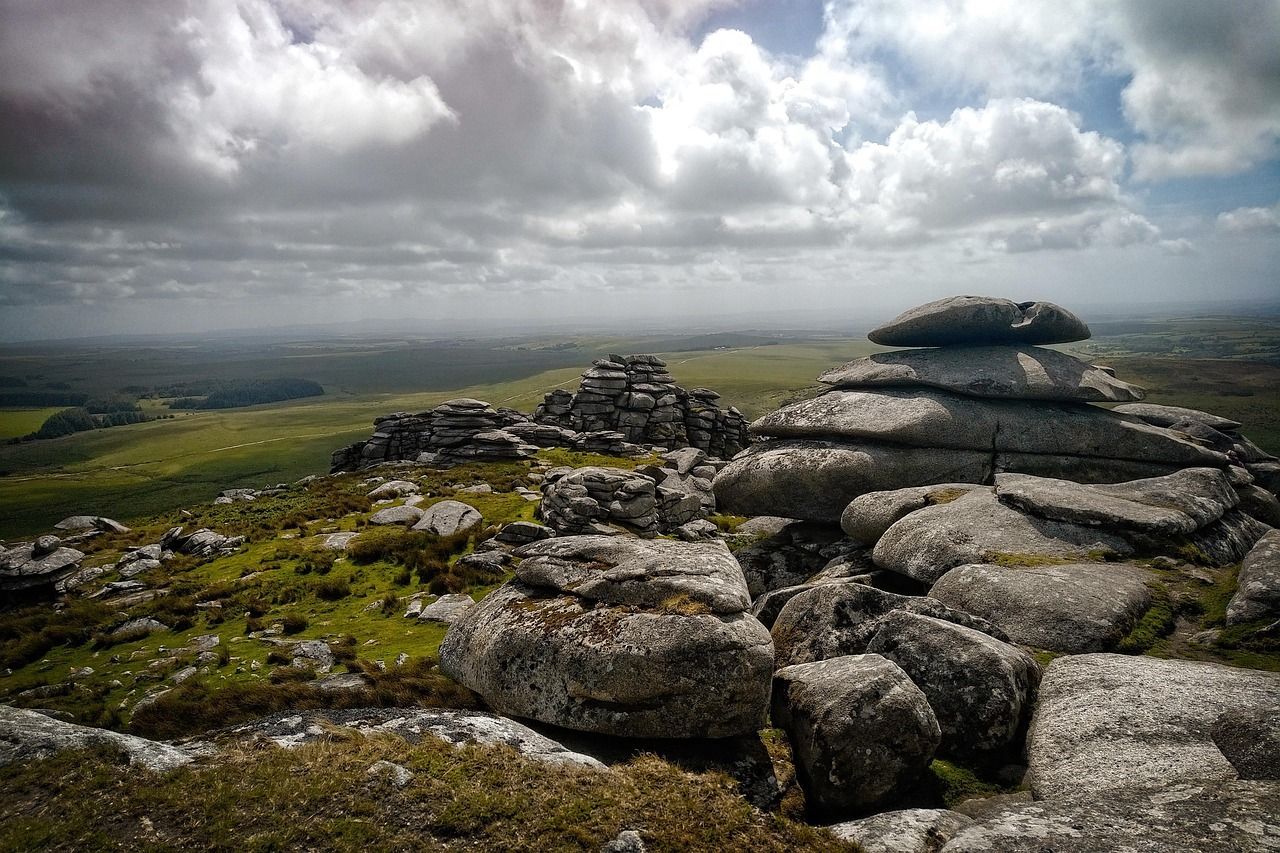
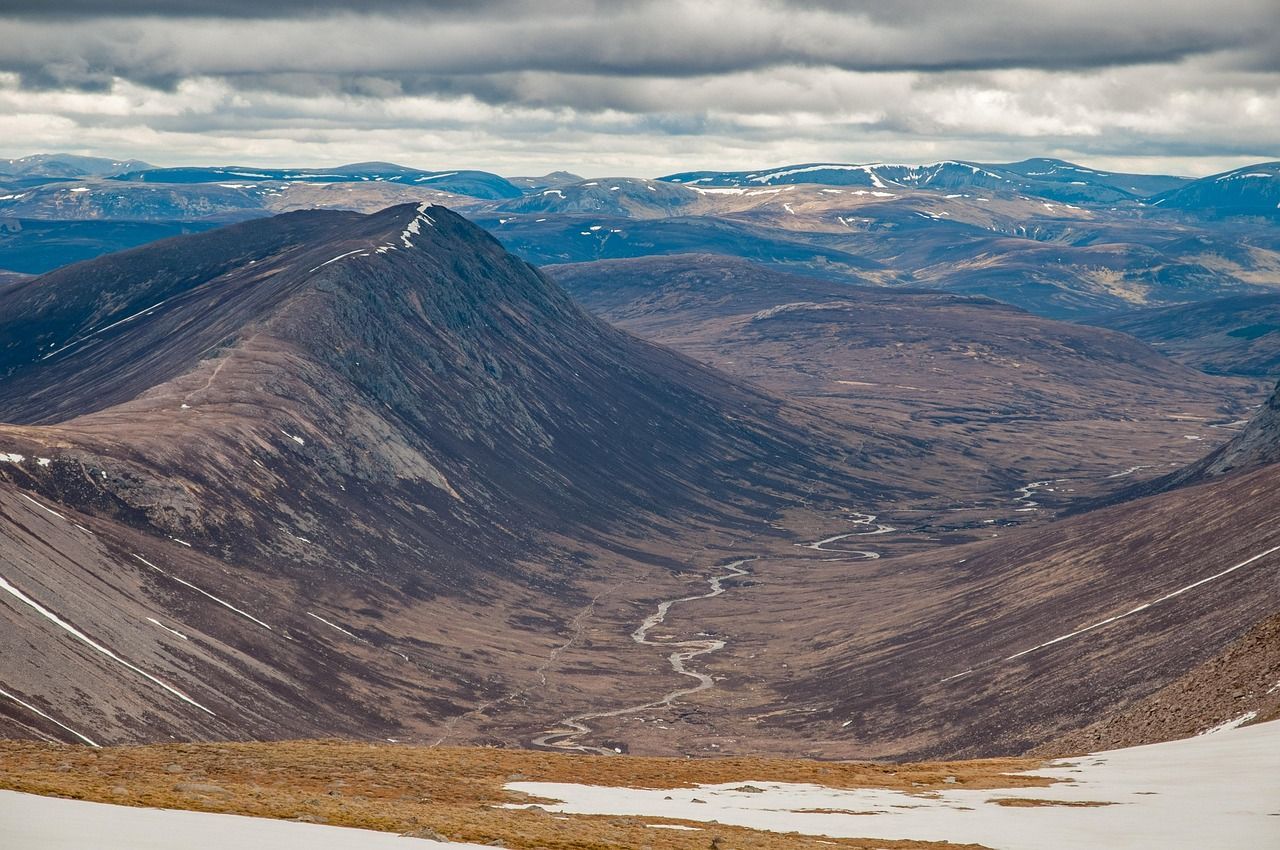
For many, the word “Scotland” conjures images of the Highlands — a dramatic sweep of mountains, moorland, and deep valleys. Here lie Britain’s highest peaks, including Ben Nevis, rising 1,345 metres above sea level. The Highlands are carved by glaciers from the last Ice Age, their U-shaped glens and glassy lochs offering stark beauty. Mist often drapes the hills, giving the land an atmosphere at once mystical and austere.
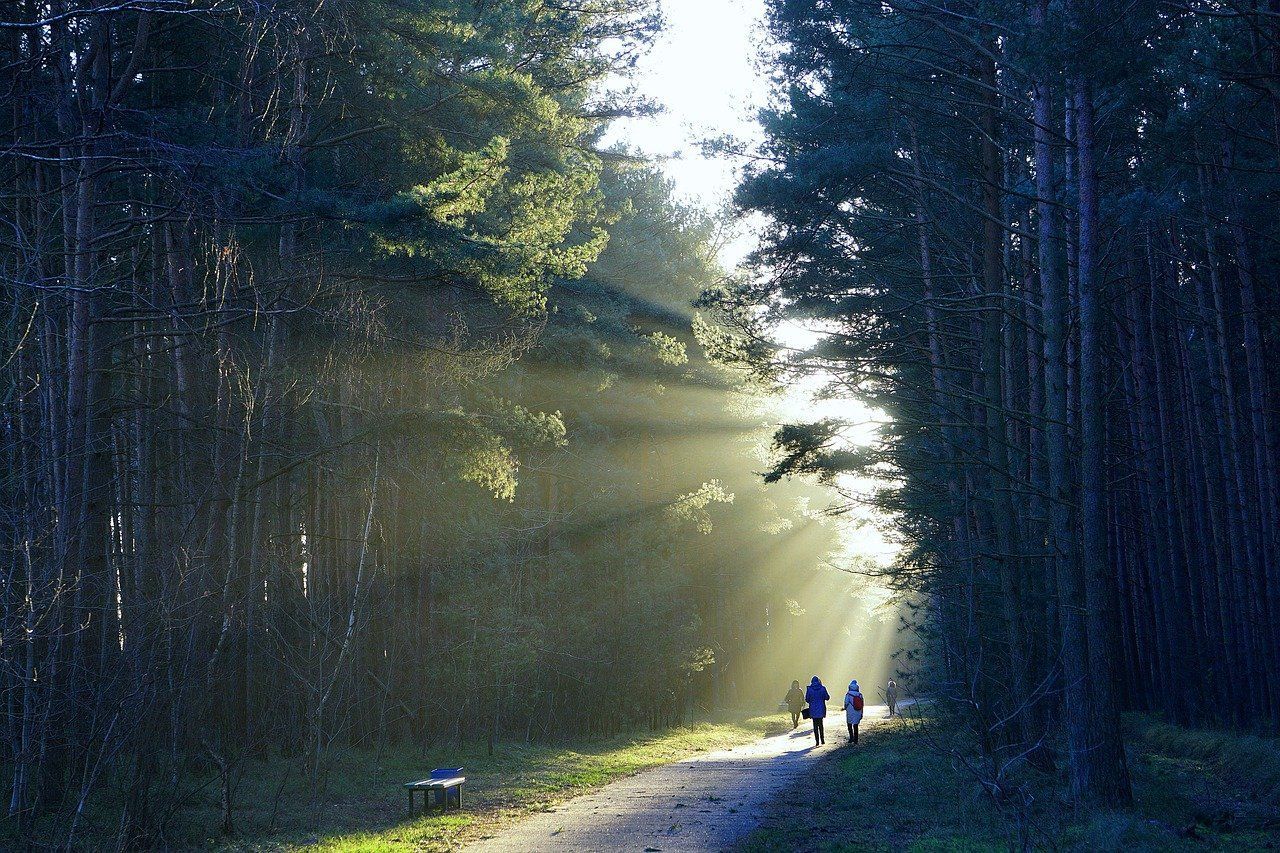
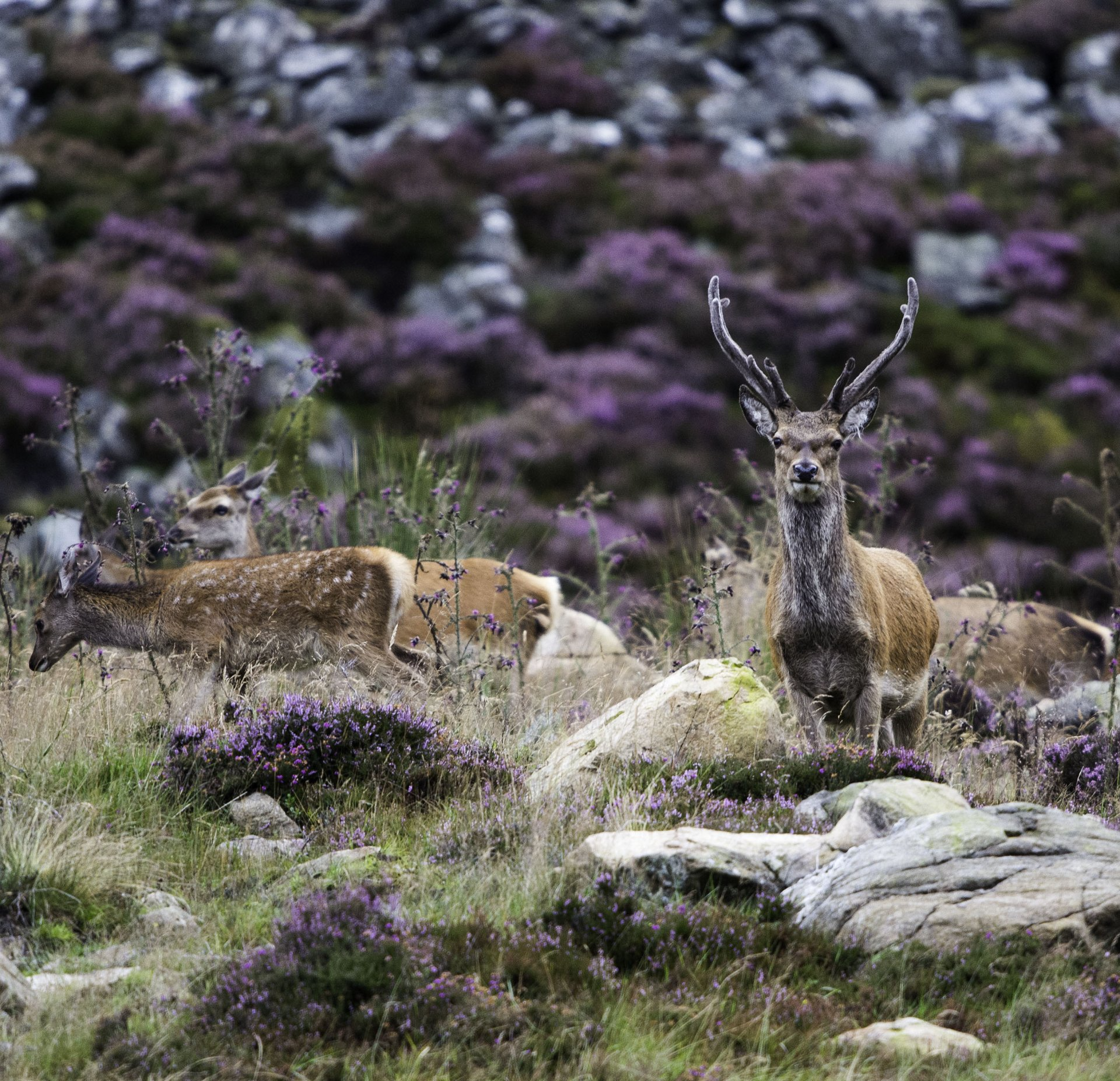
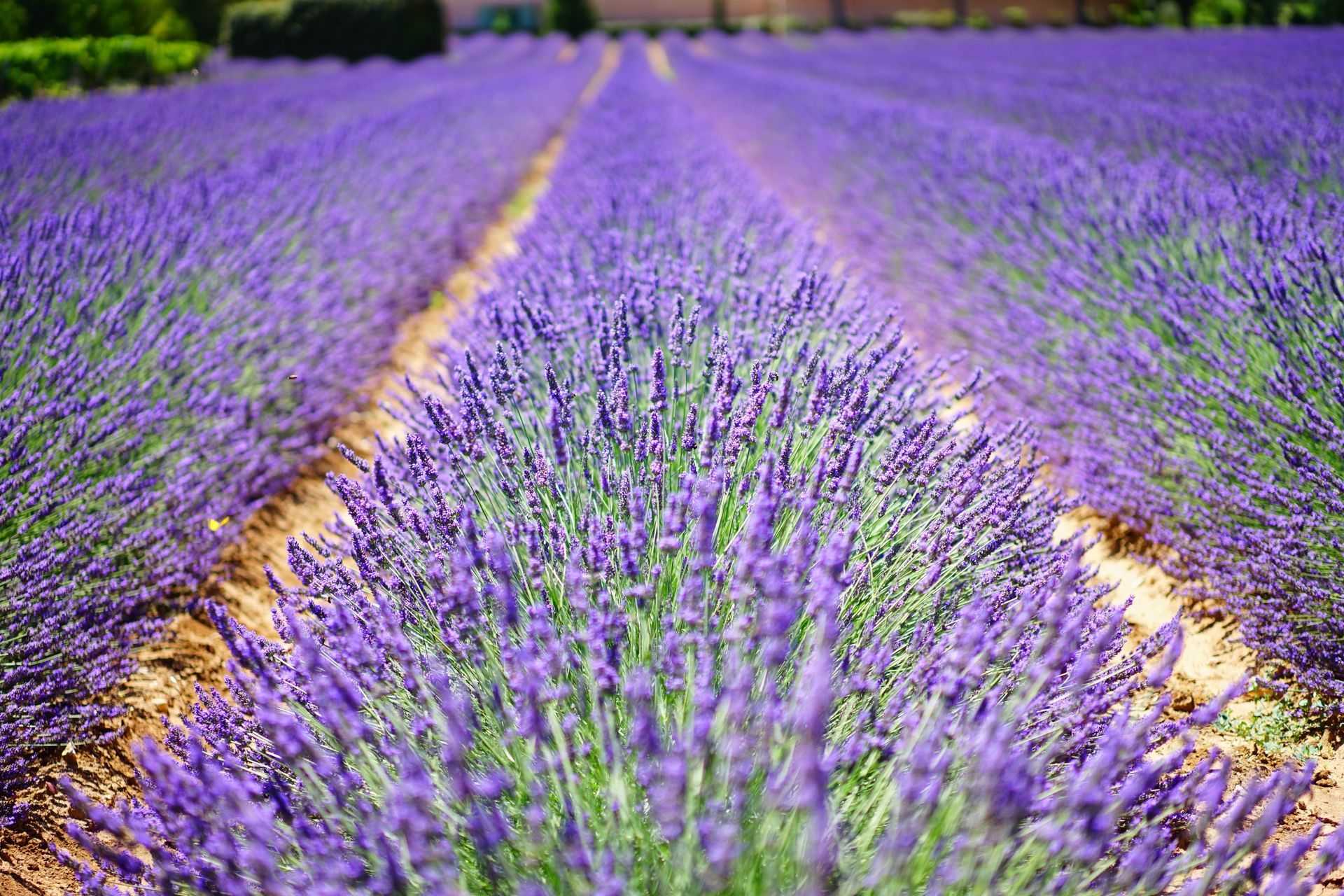
The Highlands are also home to heather-clad moors, which burst into purple in late summer, and to ancient Caledonian pine forests where red deer and golden eagles still roam. These landscapes embody both wilderness and tradition, central to Scotland’s identity and to its myths of clans, castles, and heroes.
The Lowlands: Gentle and Green
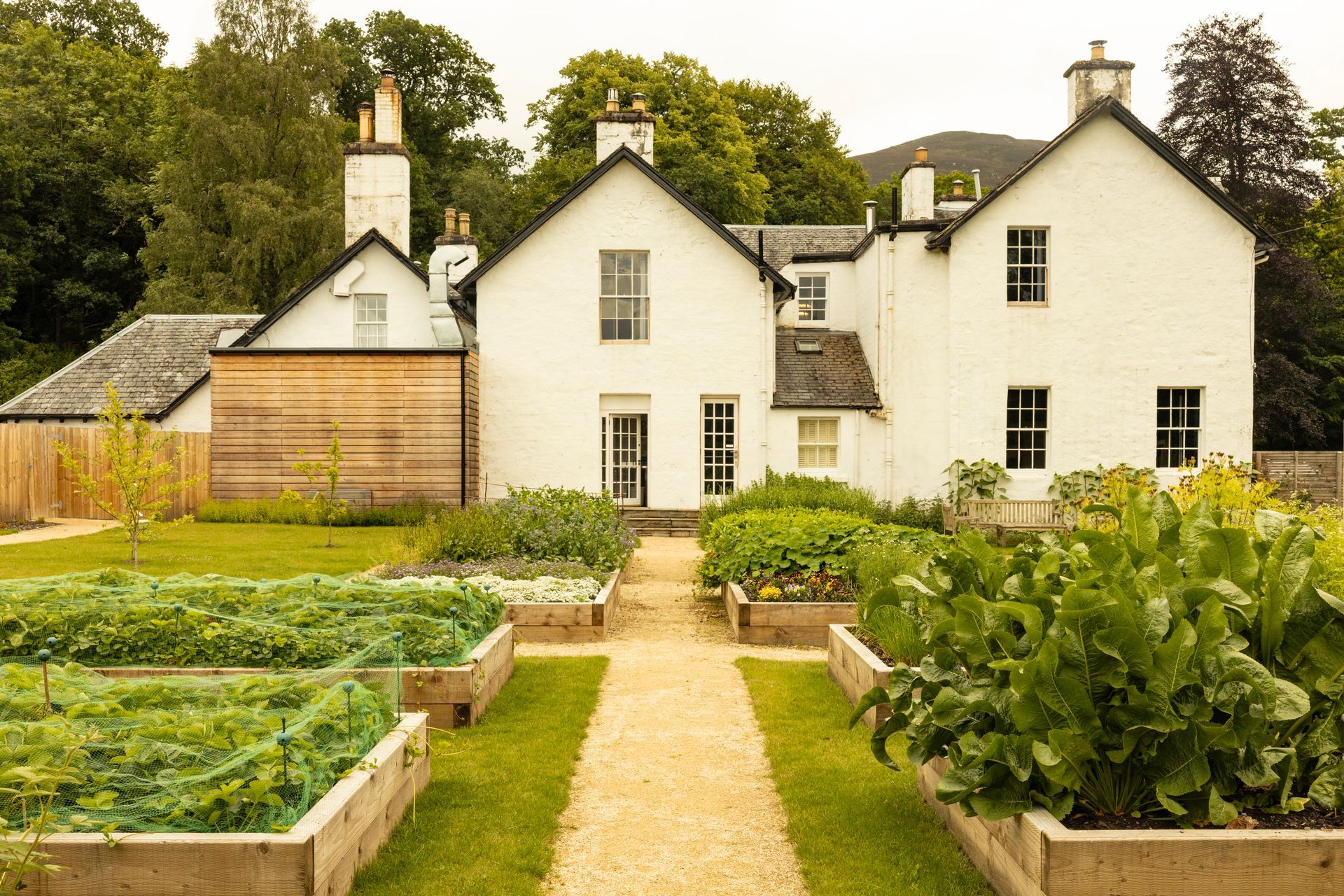
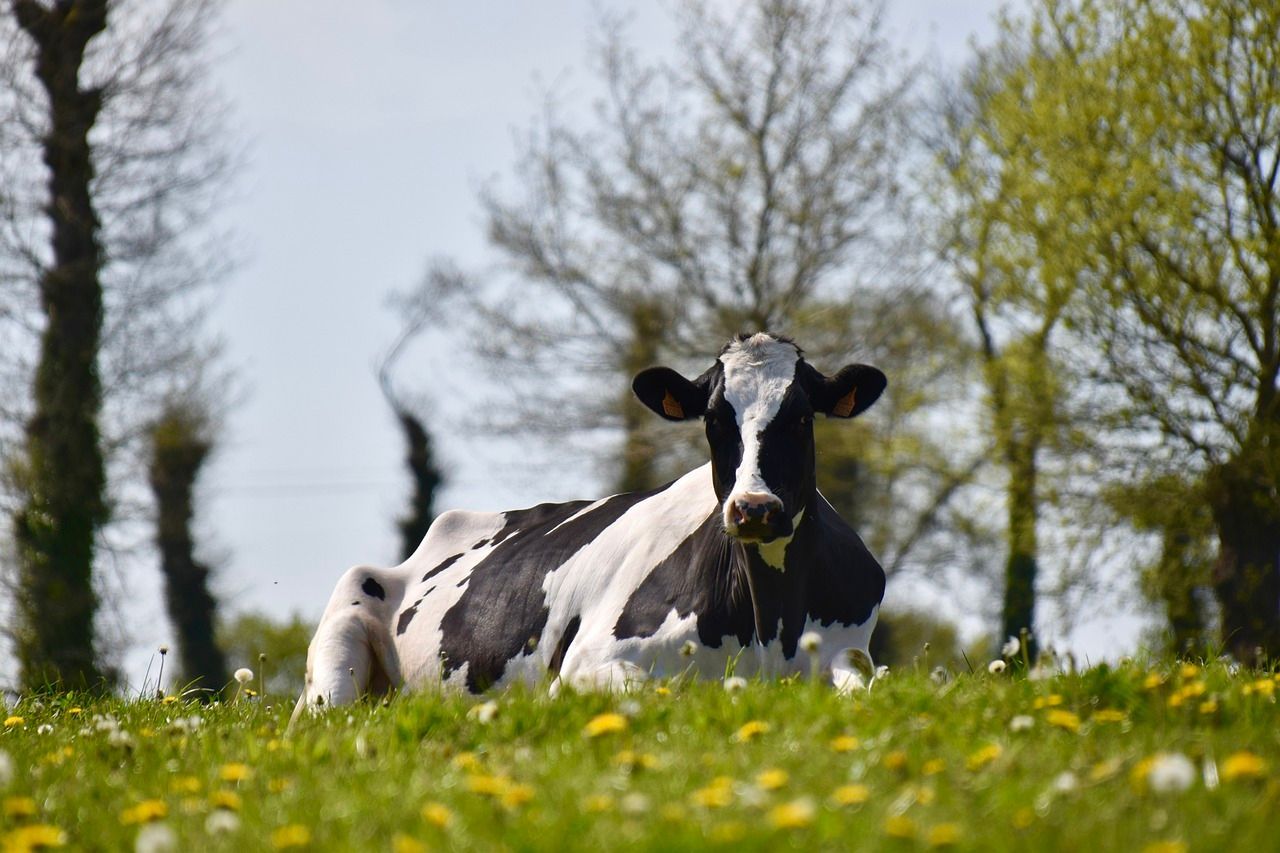
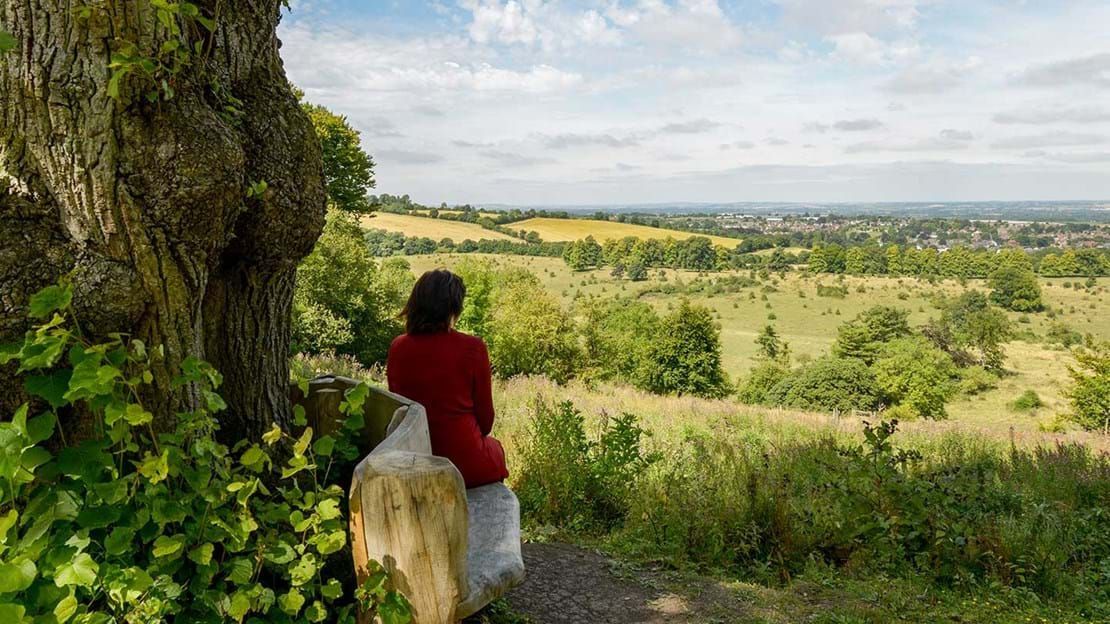
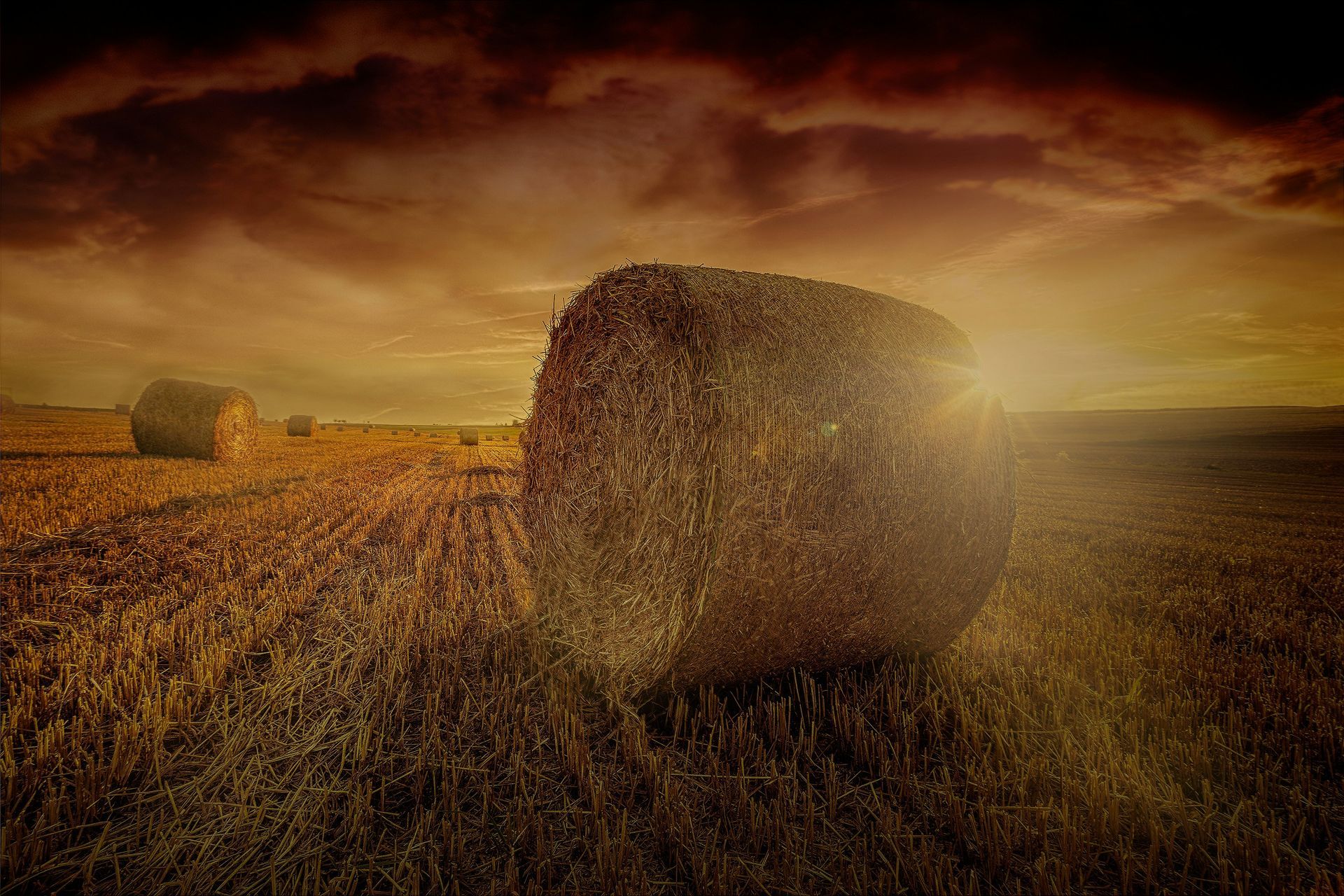
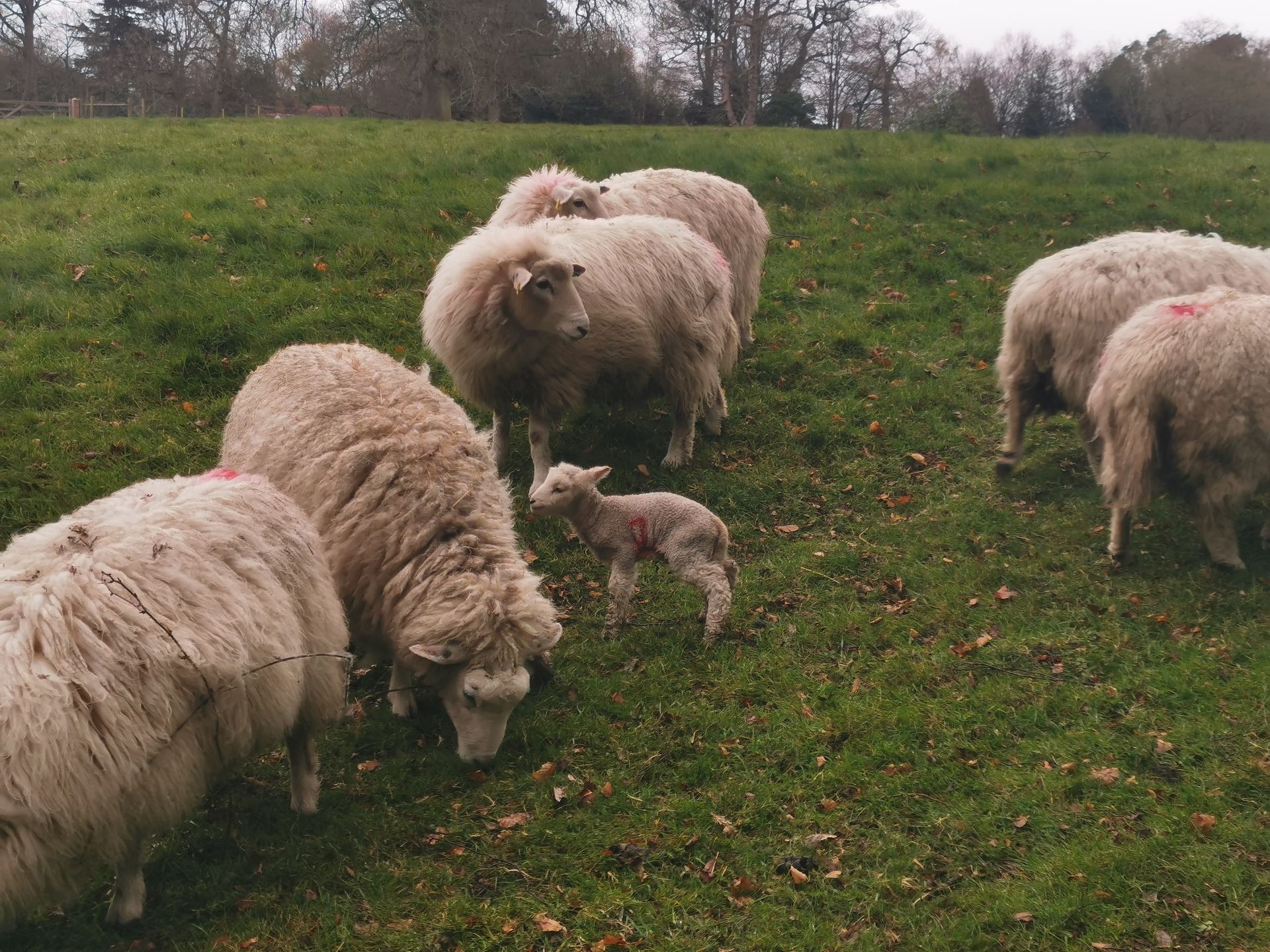
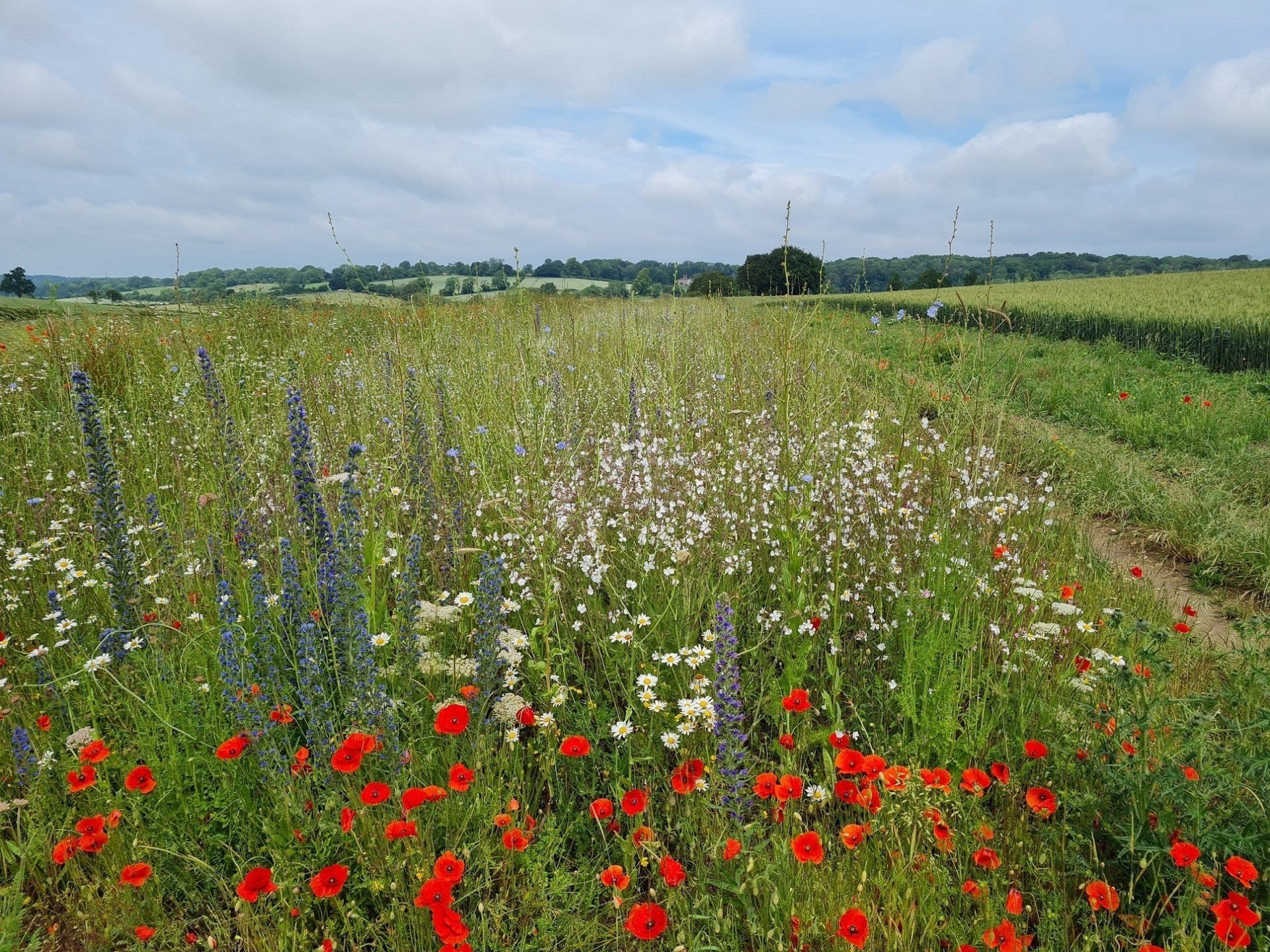
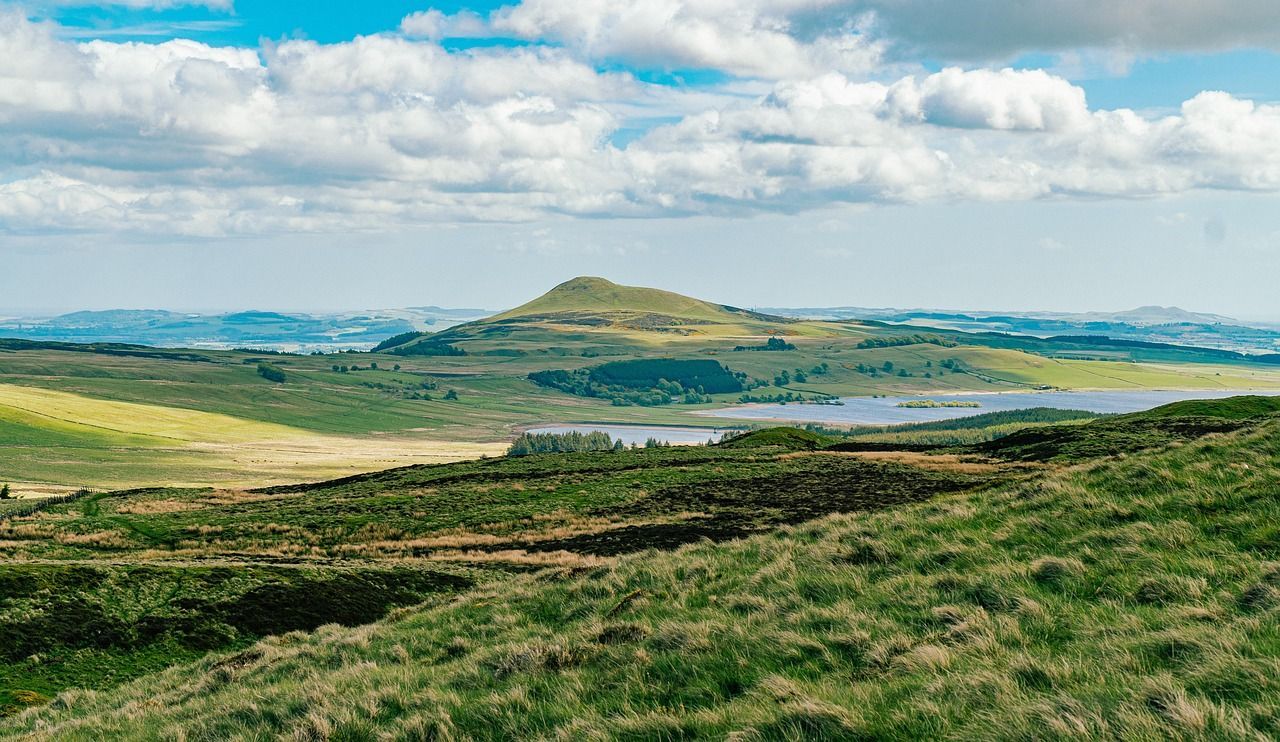
South of the Highland fault line, the land softens. The Scottish Lowlands are gentler, greener, and more densely populated, with farmland, river valleys, and wooded hills. This is the landscape of rolling fields, hedgerows, and fertile plains — areas that have supported communities for centuries. The Borders, in particular, are rich in agricultural land and dotted with ruined abbeys, reminders of Scotland’s turbulent medieval past.
The contrast between Highlands and Lowlands is striking, and part of Scotland’s charm lies in this variety: wild grandeur in the north, and softer, more settled land in the south.
Lochs and Rivers
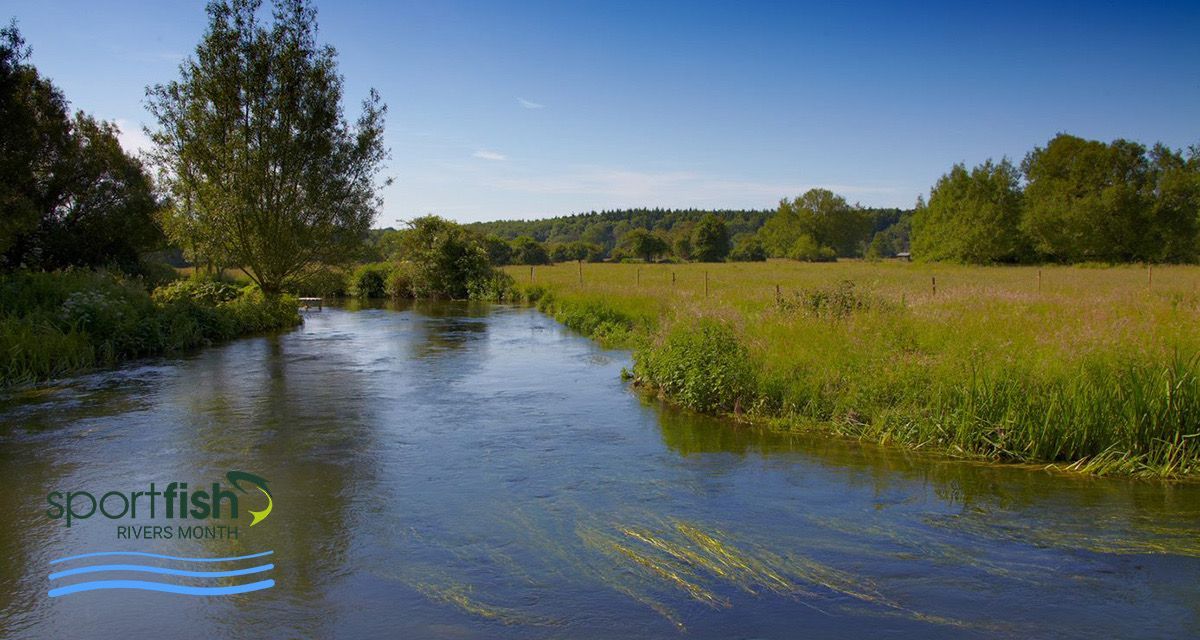
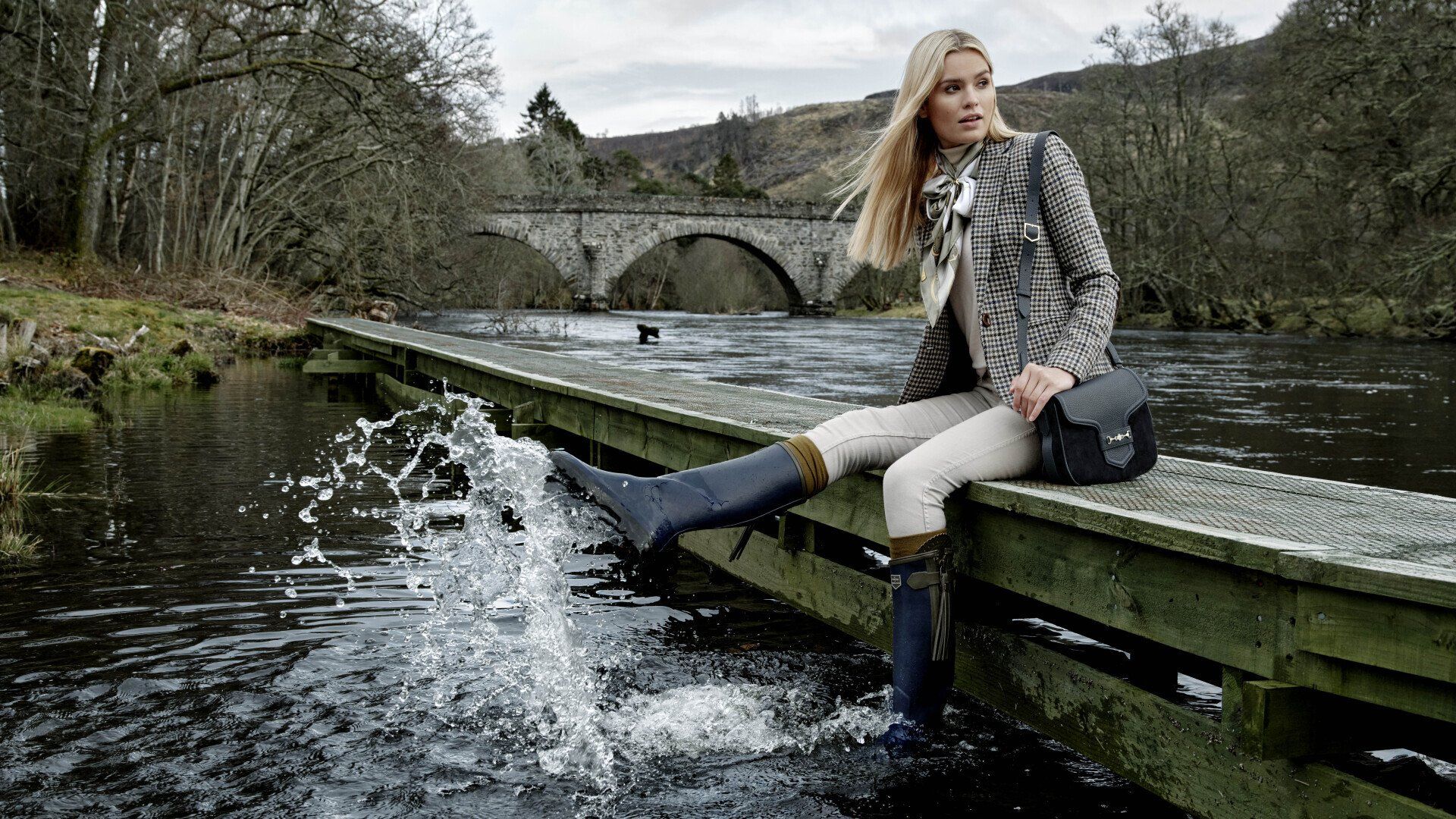
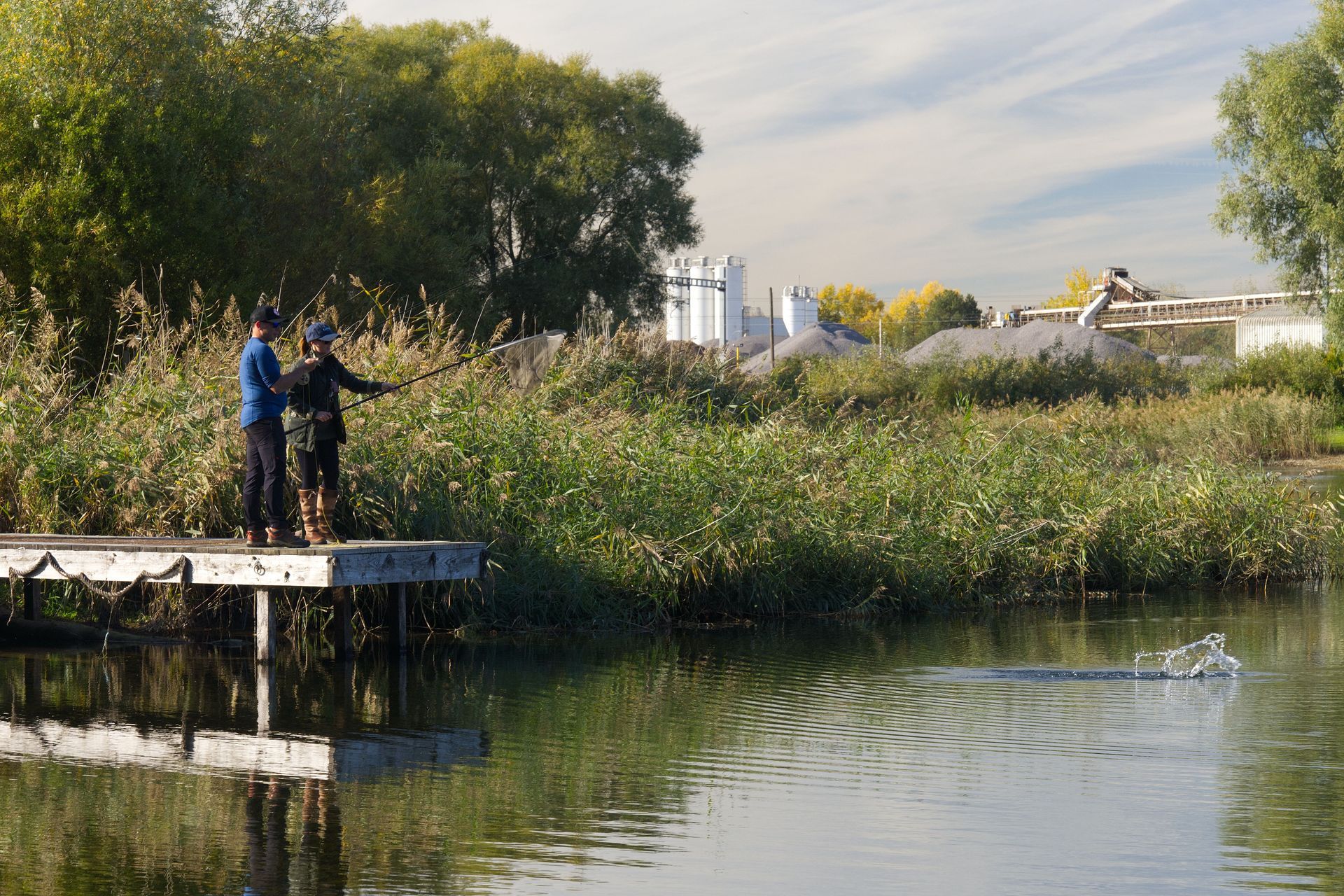
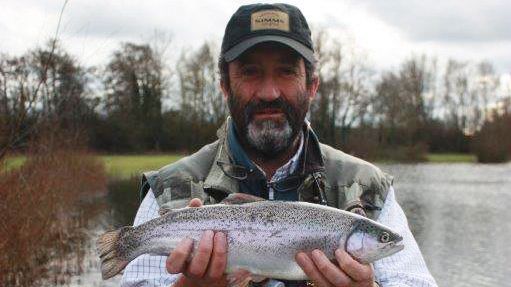
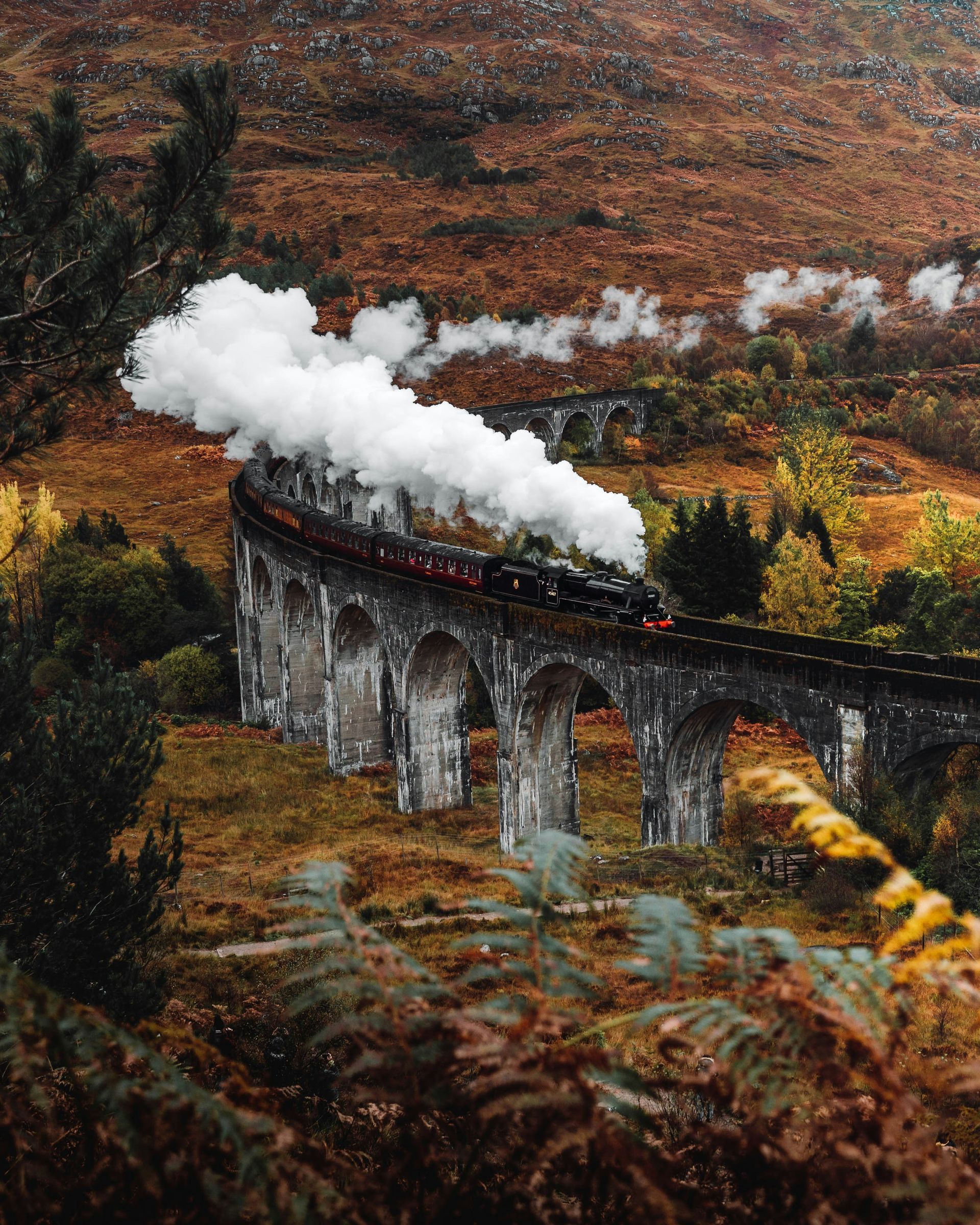
Scotland is famed for its lochs — freshwater lakes formed by glacial action. Loch Lomond, the largest by surface area, lies within easy reach of Glasgow and is surrounded by mountains that mark the gateway to the Highlands. Loch Ness, with its legendary monster, stretches like a ribbon through the Great Glen, its dark waters shrouded in myth. Rivers too shape the land, from the Tay — Scotland’s longest — to the Tweed, whose waters are famed for salmon. These waterways not only carve the landscape but also sustain its ecosystems and traditions, linking people to the natural world through fishing, folklore, and song.
Islands and Coastlines
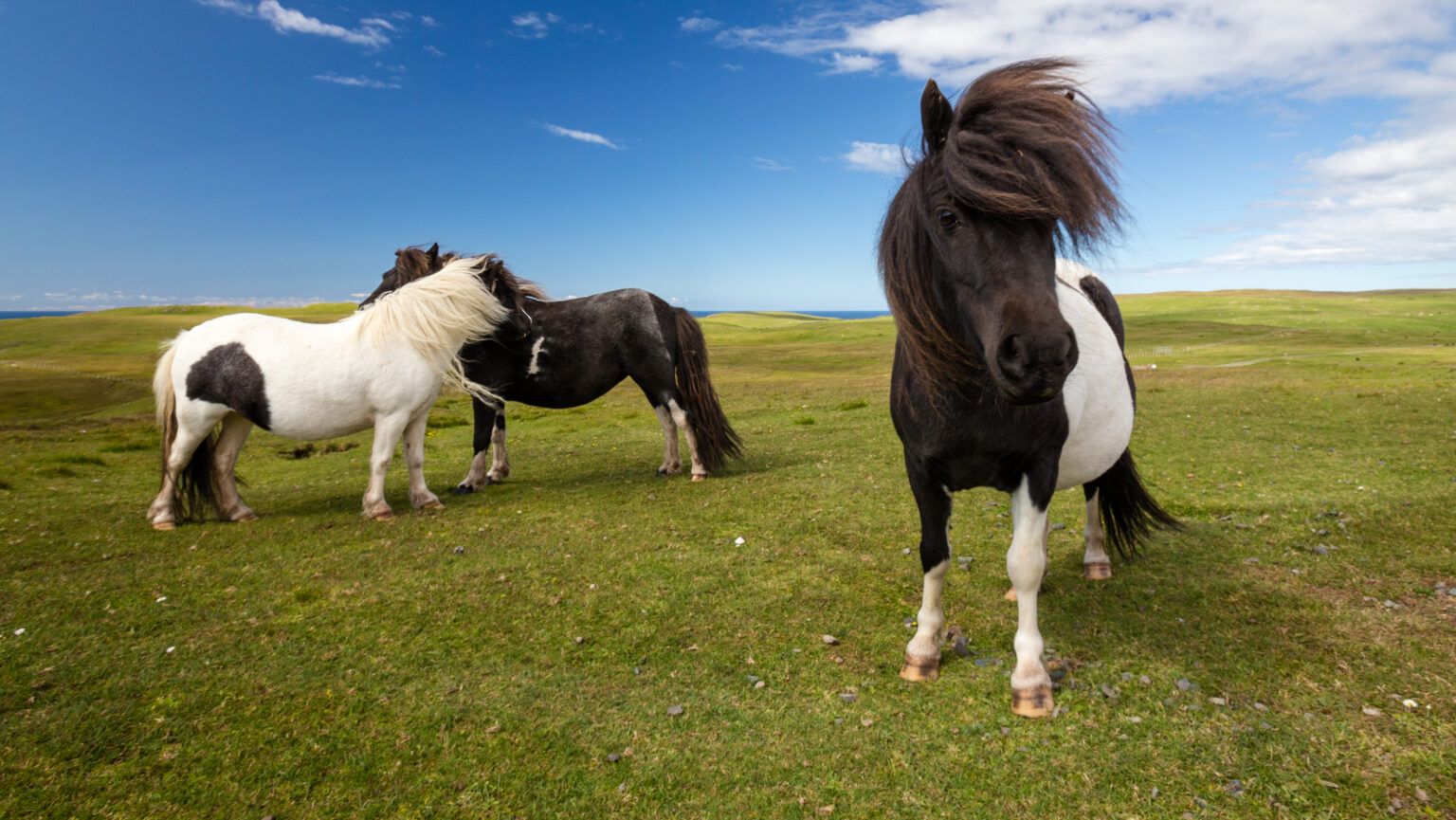
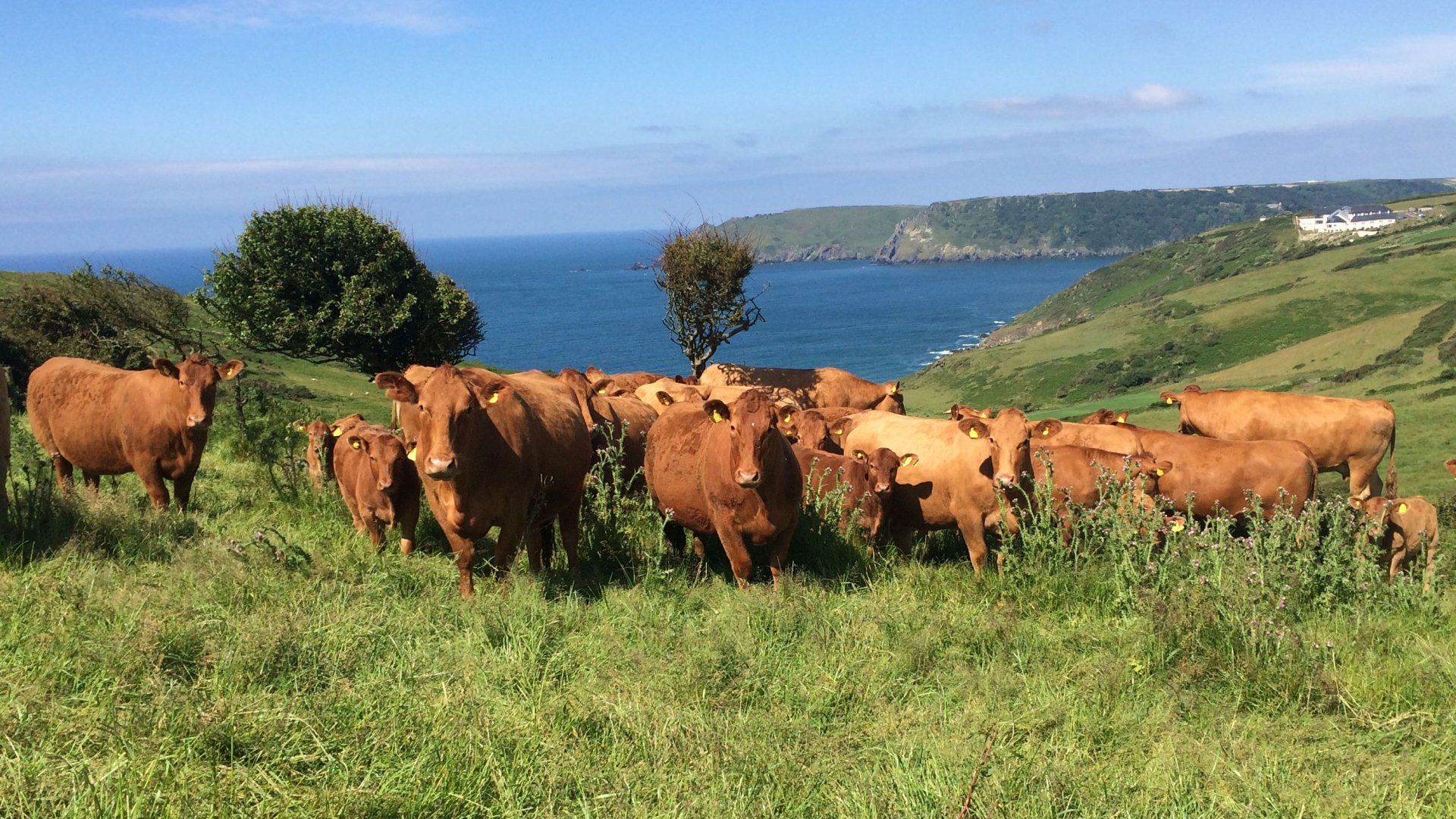
Beyond the mainland, Scotland’s islands offer landscapes of extraordinary diversity. The Hebrides, split into Inner and Outer groups, range from rugged mountains on Skye to white-sand beaches on Barra. The Orkney and Shetland islands, far to the north, bear the marks of Norse history, with dramatic cliffs and ancient stone circles standing sentinel against the Atlantic. Scotland’s coastline, stretching over 6,000 miles, is equally varied — fjord-like sea lochs cut into the west coast, while the east offers sweeping sandy bays. Towering cliffs, sea stacks, and storm-lashed headlands provide habitats for seabirds in their thousands. Puffins, gannets, and guillemots transform the cliffs into living spectacles during breeding season.
A Landscape of Stories
What sets Scotland apart is not only the land itself but the stories it carries. Every glen has a legend, every loch a tale of spirits or warriors. Mountains like Schiehallion and Suilven are as famous for the myths they inspire as for their geology. This storytelling tradition, passed down through generations, has bound people to the land in ways that are as much cultural as physical.
Protecting the Wild
Today, Scotland’s landscapes are treasured not only for their beauty but for their biodiversity and heritage. National parks such as Cairngorms and Loch Lomond & The Trossachs preserve vast tracts of wilderness, while rewilding projects aim to restore habitats for species long in decline. The challenges of climate change, land use, and tourism make conservation more vital than ever, ensuring that these landscapes remain unspoilt for future generations.
A Land Like No Other
To journey through Scotland is to travel through contrasts — rugged Highlands to fertile Lowlands, tranquil lochs to stormy coasts, remote islands to bustling cities. Yet across all these variations, a sense of timelessness persists. The land feels ancient and enduring, and those who walk its hills or sail its waters often speak of a connection that lingers long after they leave. Scotland’s landscape is more than scenery. It is history written in stone and water, myth woven into mountain and glen, and a living environment that continues to shape — and be shaped by — the people who call it home.
Read more: