How to Create a Wildlife Pond

A wildlife pond is one of the best things a family can add to a garden. Even a small pond can bring life, movement and interest to an outdoor space, attracting frogs, dragonflies, damselflies, birds, bees and countless tiny creatures that children may never have noticed before. Unlike a formal fishpond, a wildlife pond does not need to be large, expensive or complicated. It simply needs clean water, safe edges, plants, shelter and time. Once created, it can become a miniature nature reserve just outside the back door.
The first step is choosing the right place. A pond does best in a sunny or partly sunny spot, ideally away from overhanging trees. Too much shade can limit plant growth, while falling leaves may quickly clog the water. A quiet corner of the garden is often best, especially if there are flowers, shrubs, long grass or a hedge nearby. These give wildlife places to feed, hide and move safely.
For families with children, safety must come first. Even shallow water can be dangerous for young children, so careful planning is essential. A wildlife pond should be positioned where adults can supervise easily, and very young children should never be left alone near it. Some families choose to cover small ponds with a strong metal grid, create a raised pond, or fence the area until children are older. Another option is a very shallow container pond, which still helps insects and birds while reducing risk.

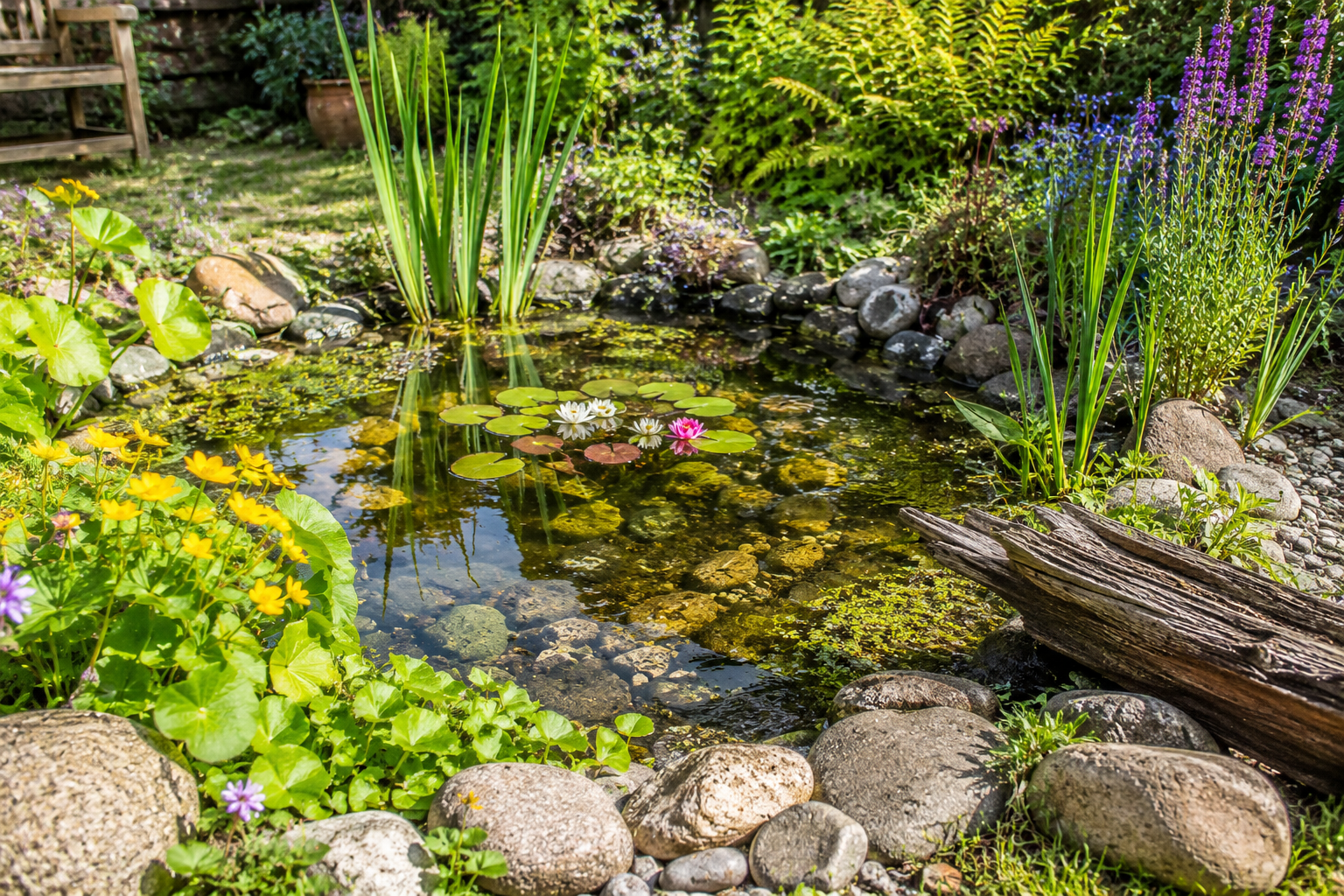
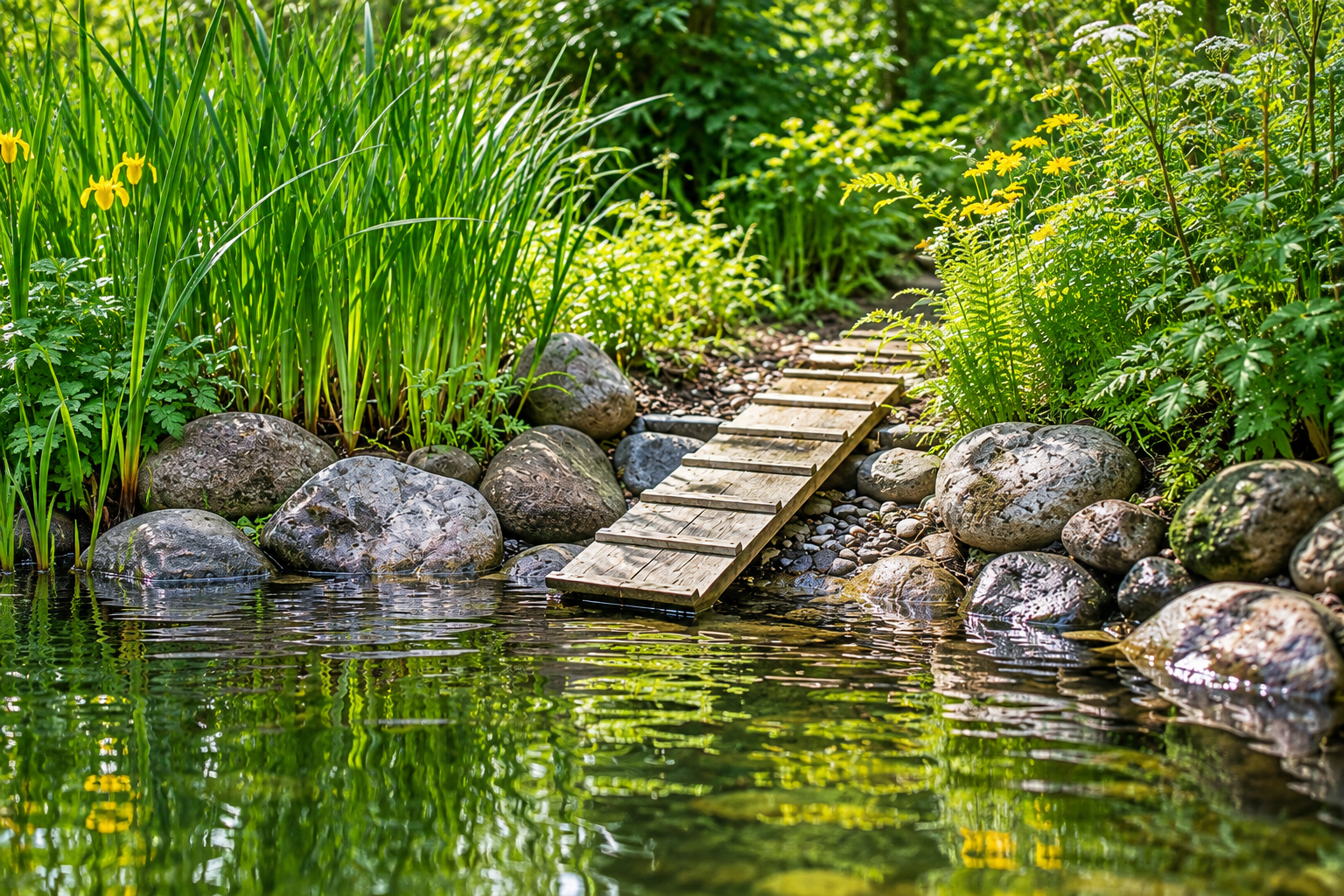
A pond does not have to be deep. In fact, shallow edges are very important for wildlife. Frogs, newts, birds, hedgehogs and insects all need safe ways in and out. A pond with gently sloping sides is better than one with steep edges. If using a preformed pond or container, add stones, logs or a small ramp so animals can escape if they fall in. To build a simple pond, mark out the shape with a hose or rope. A natural, uneven shape often looks best. Dig the pond with different levels: a shallow shelf around the edge for plants, a slightly deeper middle, and at least one gently sloping side. Remove sharp stones, then line the hole with sand or old carpet before adding a pond liner. Once the liner is in place, fill the pond slowly, ideally with rainwater from a water butt. Tap water can be used if necessary, but it may take longer for the pond to settle naturally.
If you do not have space for a dug pond, a container pond is a wonderful alternative. An old washing-up bowl, half barrel, large tub or watertight planter can work well. Add clean gravel, a few stones, aquatic plants and rainwater, then place it somewhere stable and partly sunny. Children can help arrange stones and watch what arrives. Plants are what turn a pond from a hole of water into a wildlife habitat. Oxygenating plants help keep the water healthy, while floating and marginal plants provide shade, shelter and landing places for insects.
Good choices include native water forget-me-not, marsh marigold, hornwort, water mint, frogbit and purple loosestrife. Avoid invasive plants, as they can quickly take over and harm local waterways if they escape. Around the pond, create a soft, natural edge. Long grass, logs, stones and low-growing plants give frogs and insects somewhere to shelter. A pile of old logs nearby can become a home for beetles, woodlice and amphibians. Children may be tempted to tidy everything, but wildlife often prefers a little mess.
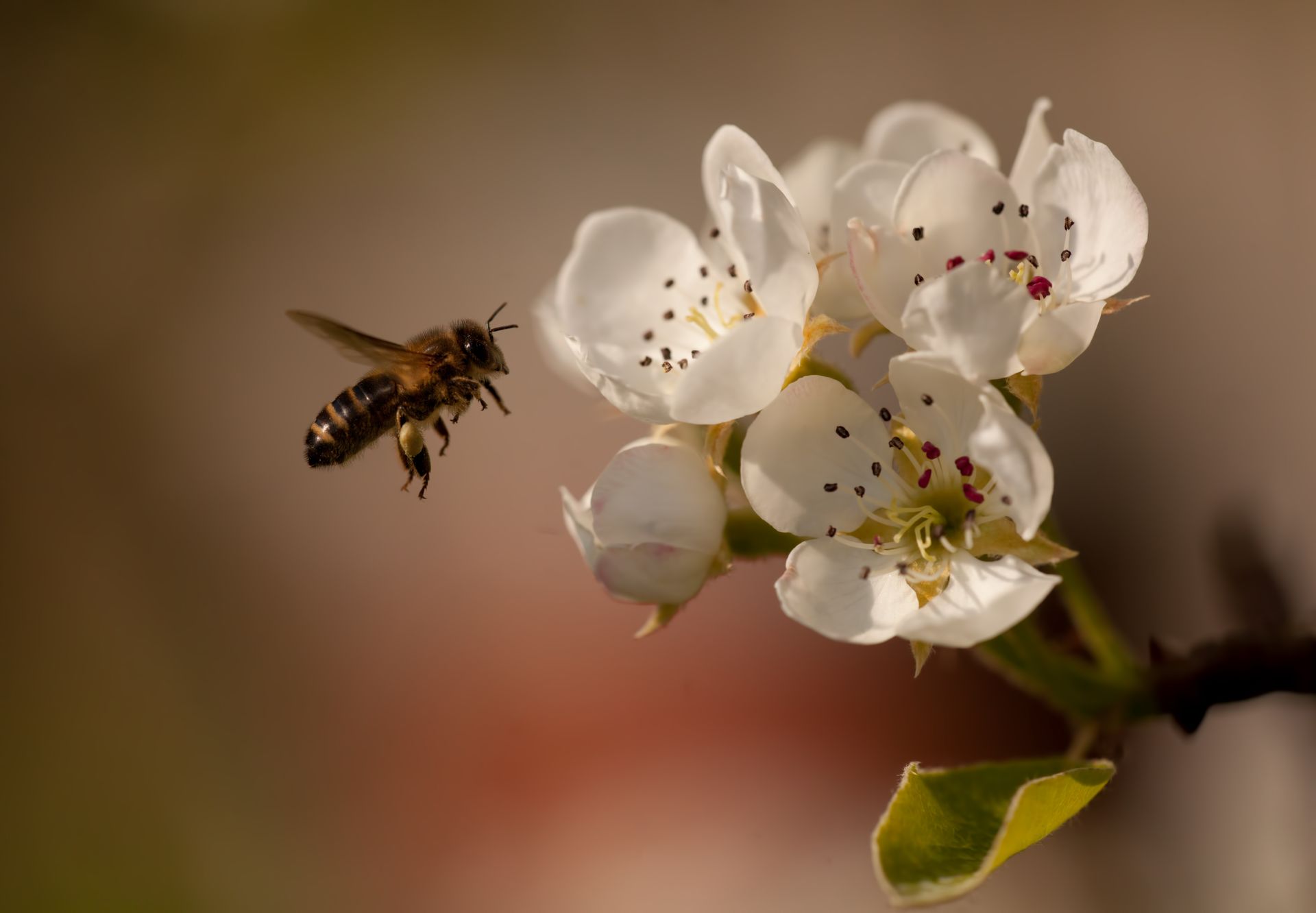
Once the pond is made, patience is important. Do not add fish, as they often eat frogspawn, tadpoles and insect larvae. Instead, let wildlife find the pond naturally. It may take only days for pond skaters to appear, while dragonflies, frogs and damselflies may arrive over time. Birds may come to drink, bees may land at the edge, and on warm days the surface may shimmer with life.
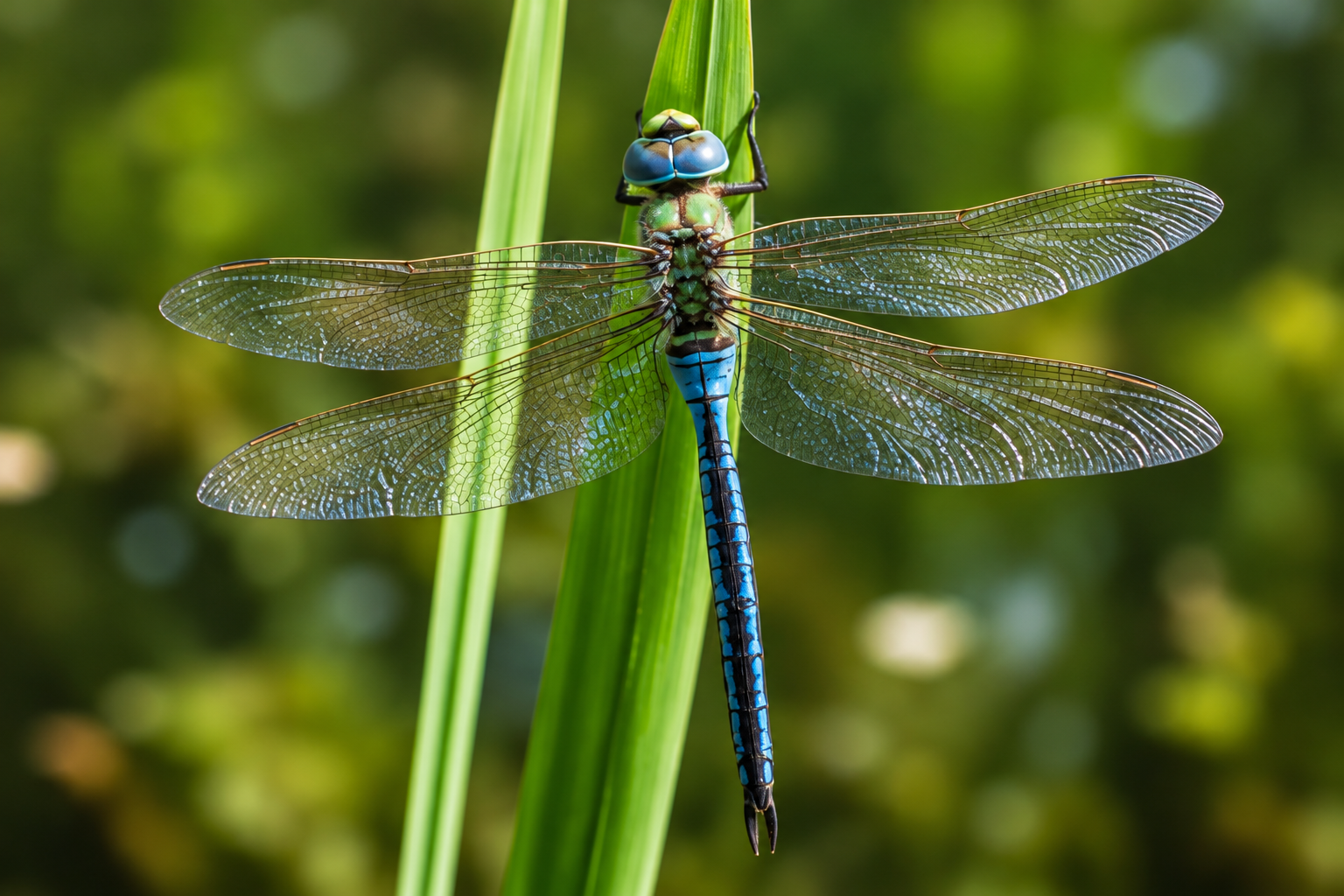
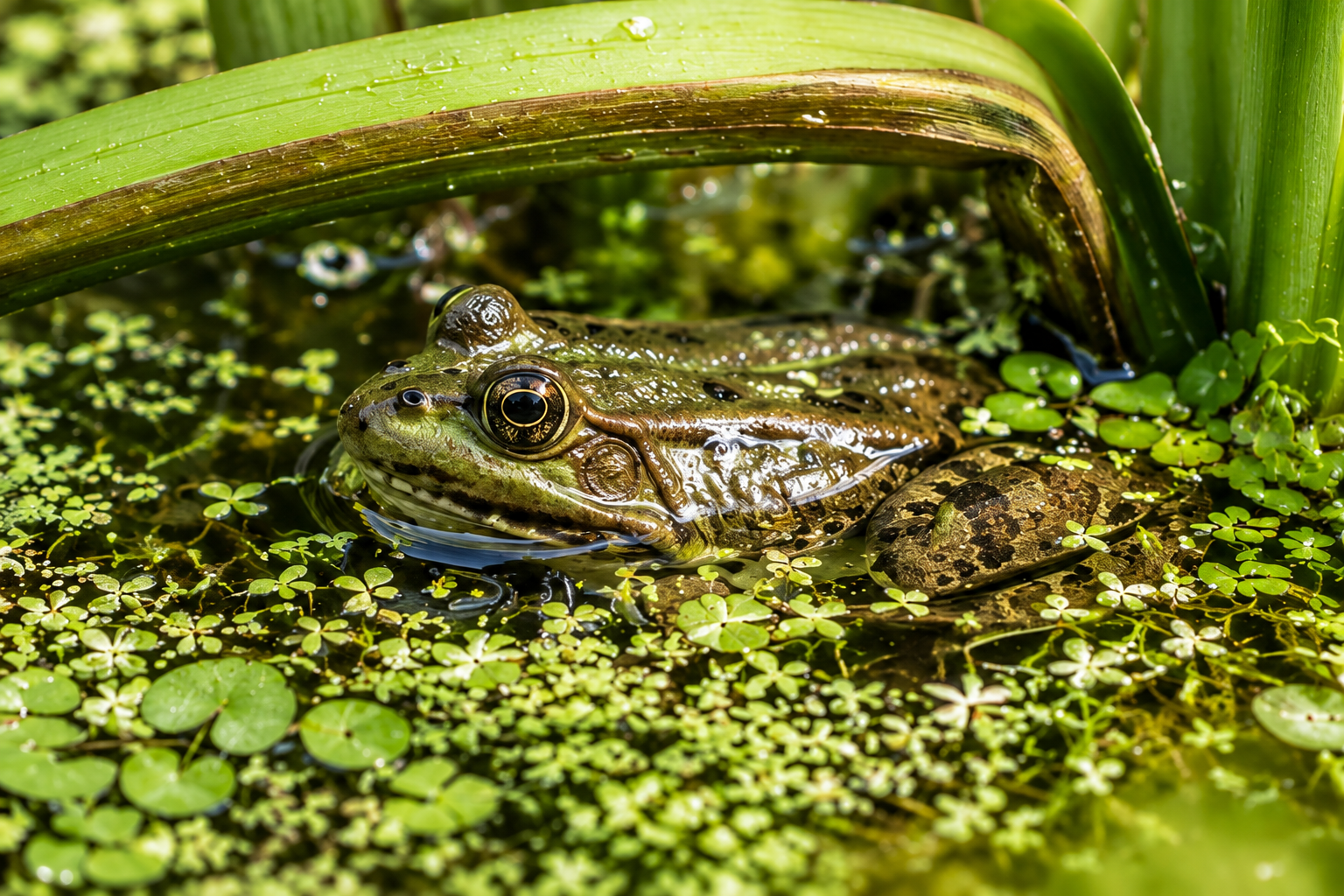
Frogs are one of the great joys of a garden pond. In spring, they may lay frogspawn, which children can watch turn into tadpoles and eventually froglets. This is a wonderful way to teach children about life cycles. The best approach is to observe rather than interfere. Frogspawn should be left in the pond, and tadpoles should not be taken indoors unless under expert guidance. Dragonflies and damselflies bring colour and excitement. Their larvae live underwater before climbing up plant stems and emerging as winged adults. Children may spot empty larval cases clinging to reeds or leaves. It is a small sign that something remarkable has happened.
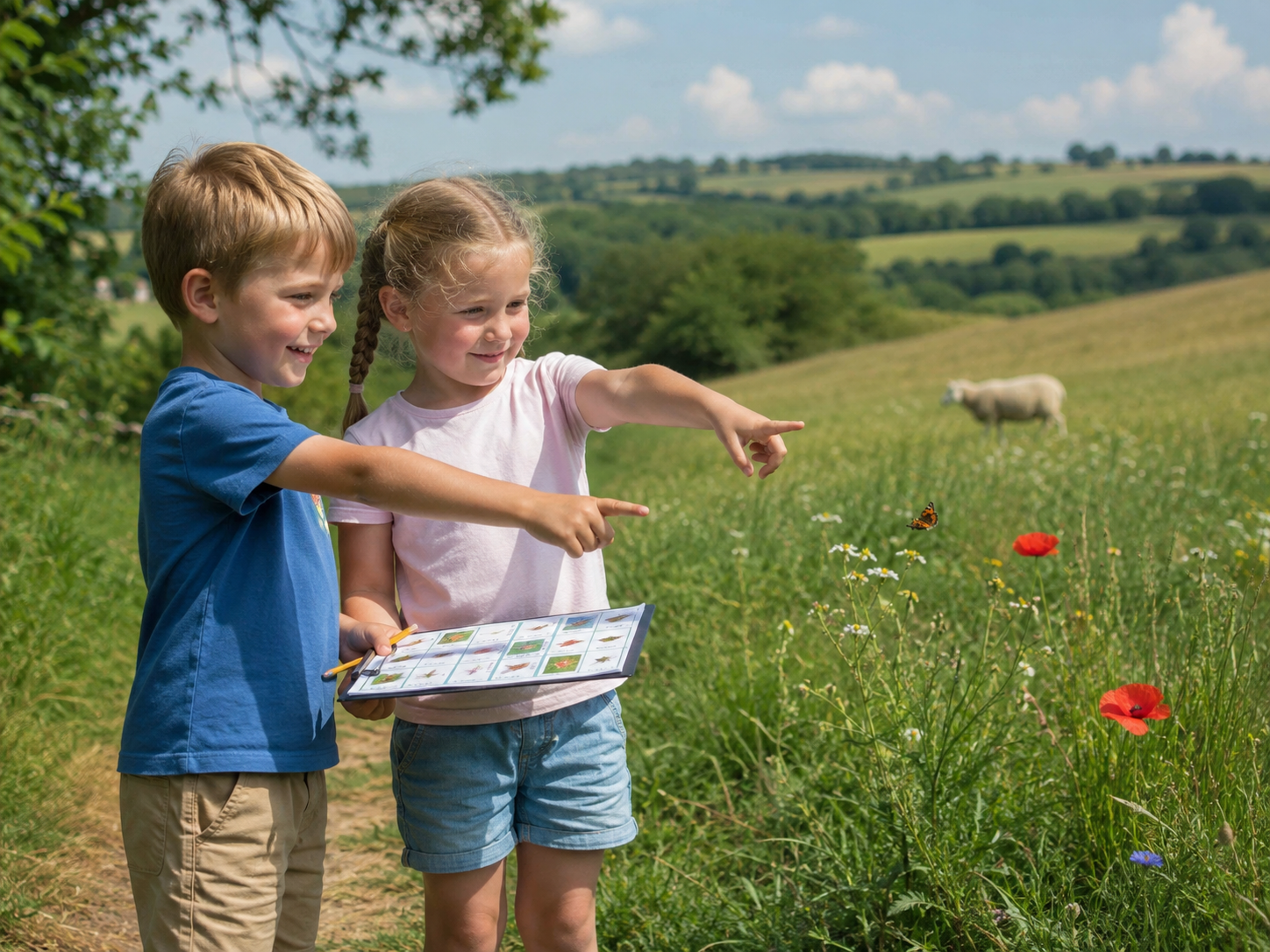
A wildlife pond is also a good place to teach gentle observation. Children can sit quietly beside the water with a notebook, draw what they see, count insects, or write down seasonal changes. They should learn not to poke the pond, throw things in, or handle creatures unnecessarily. Looking carefully is often far more rewarding. Pond care should be light and thoughtful. Remove fallen leaves if they build up, thin plants if they become too crowded, and top up with rainwater in dry spells. Avoid chemicals, fountains, bright lights and anything that disturbs the natural balance. A healthy wildlife pond may look a little wild, and that is part of its beauty.
Creating a pond is not just a gardening project. It is an invitation to wildlife. It gives children a front-row seat to nature and shows them that even a small garden can make a difference. With water, plants, patience and care, a quiet corner can become a living world of frogs, dragonflies and discovery.
Read more: