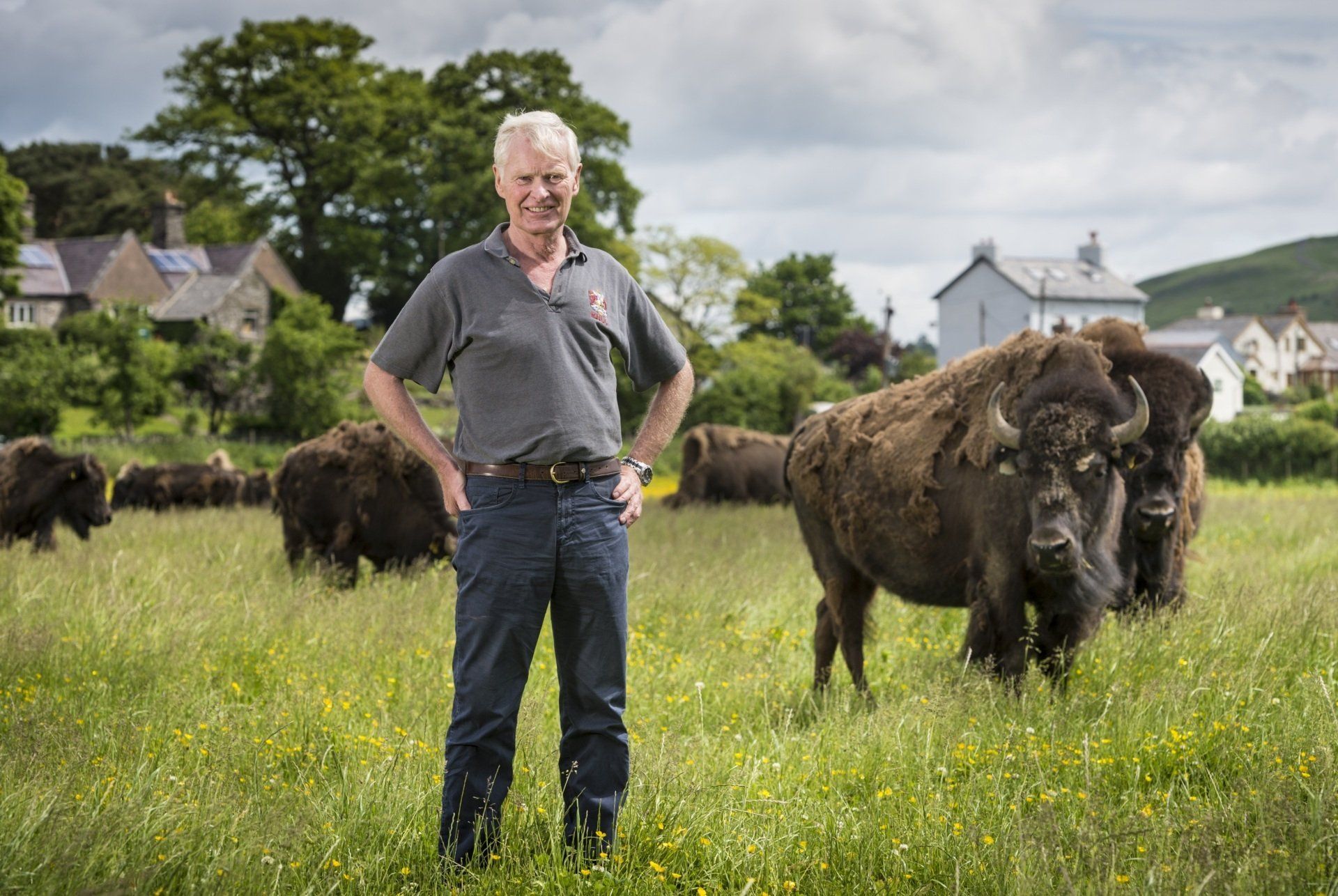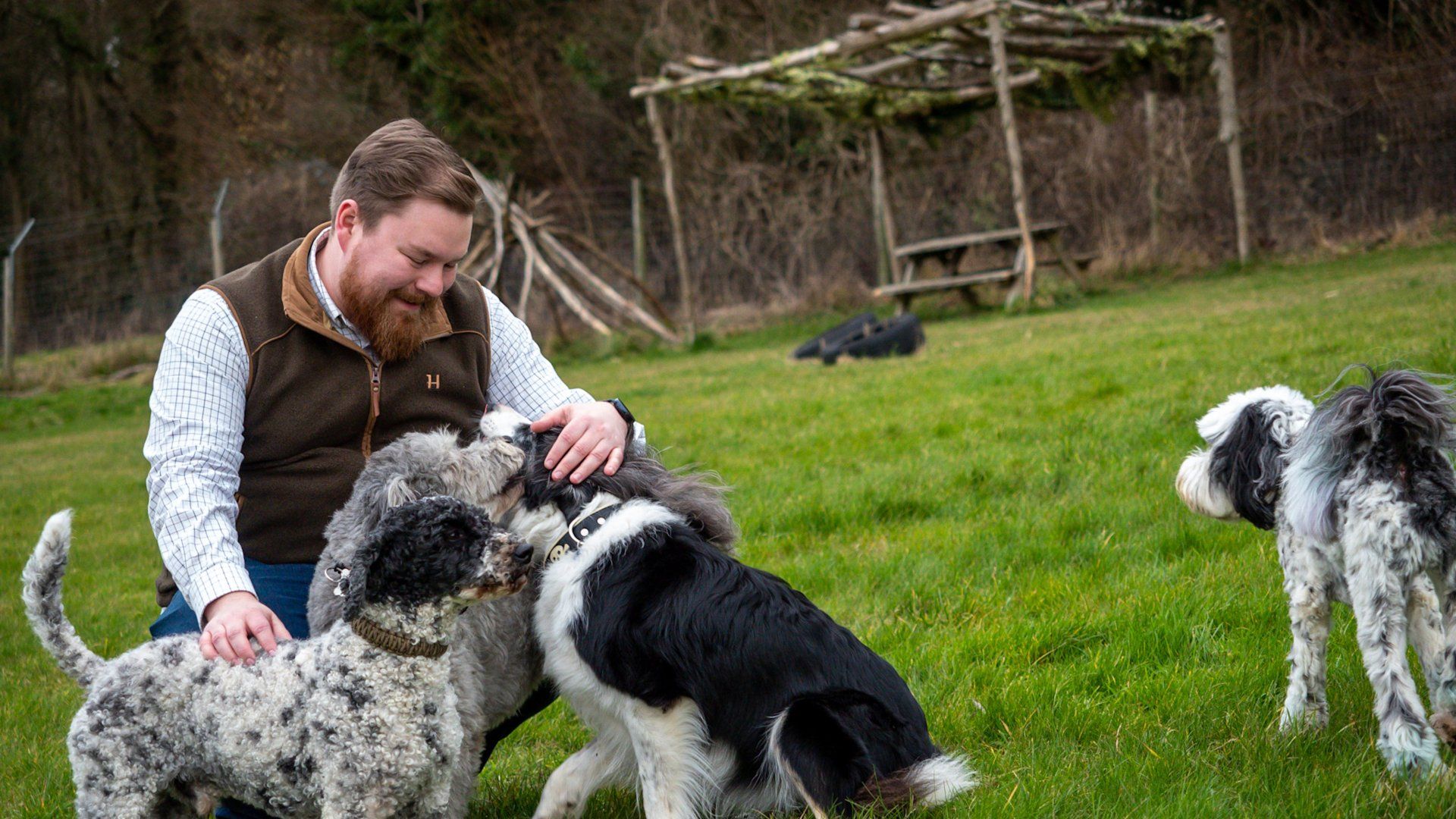
Ben Skinner
Seventh-Generation Family Member and Sales Director at Skinner’s

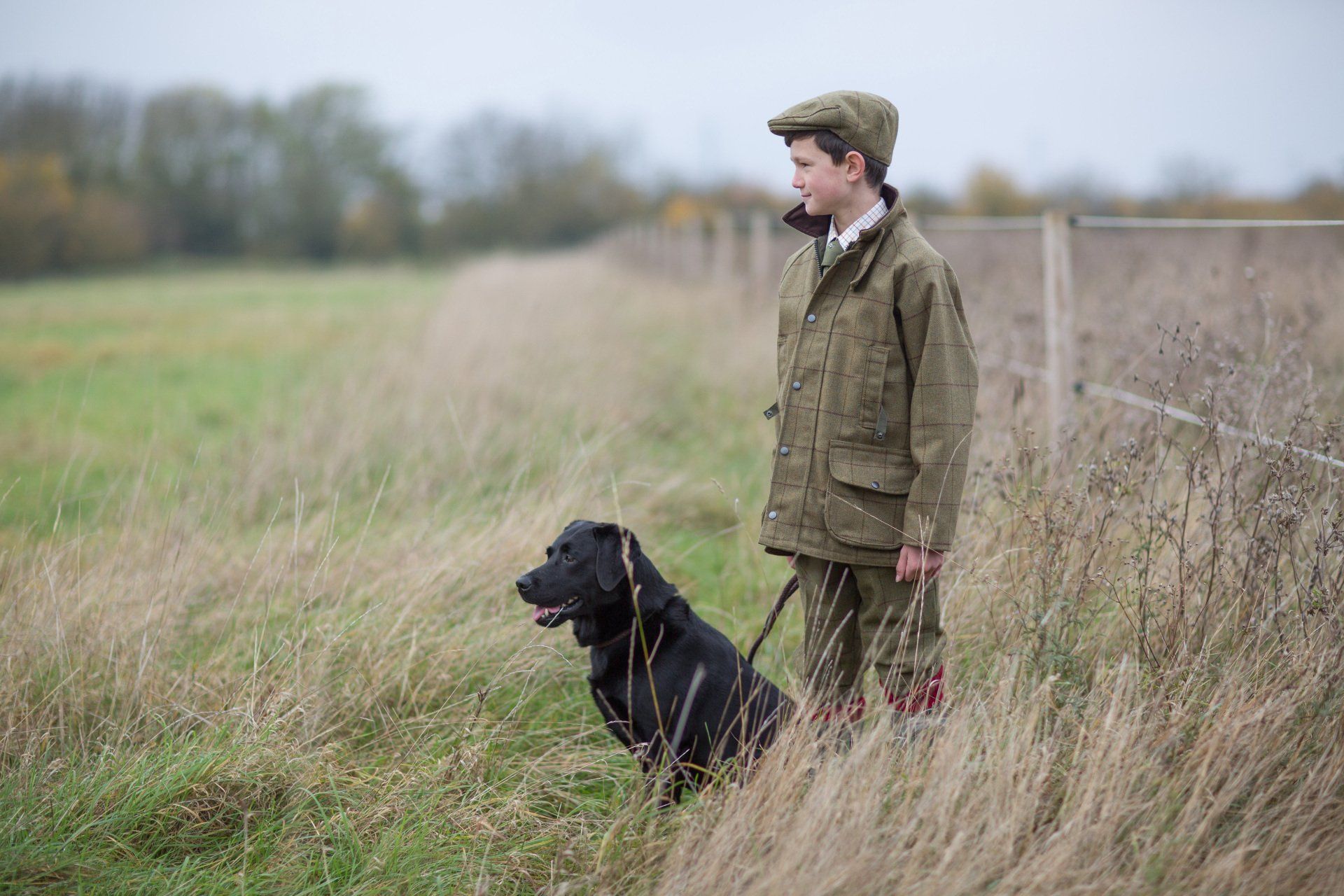
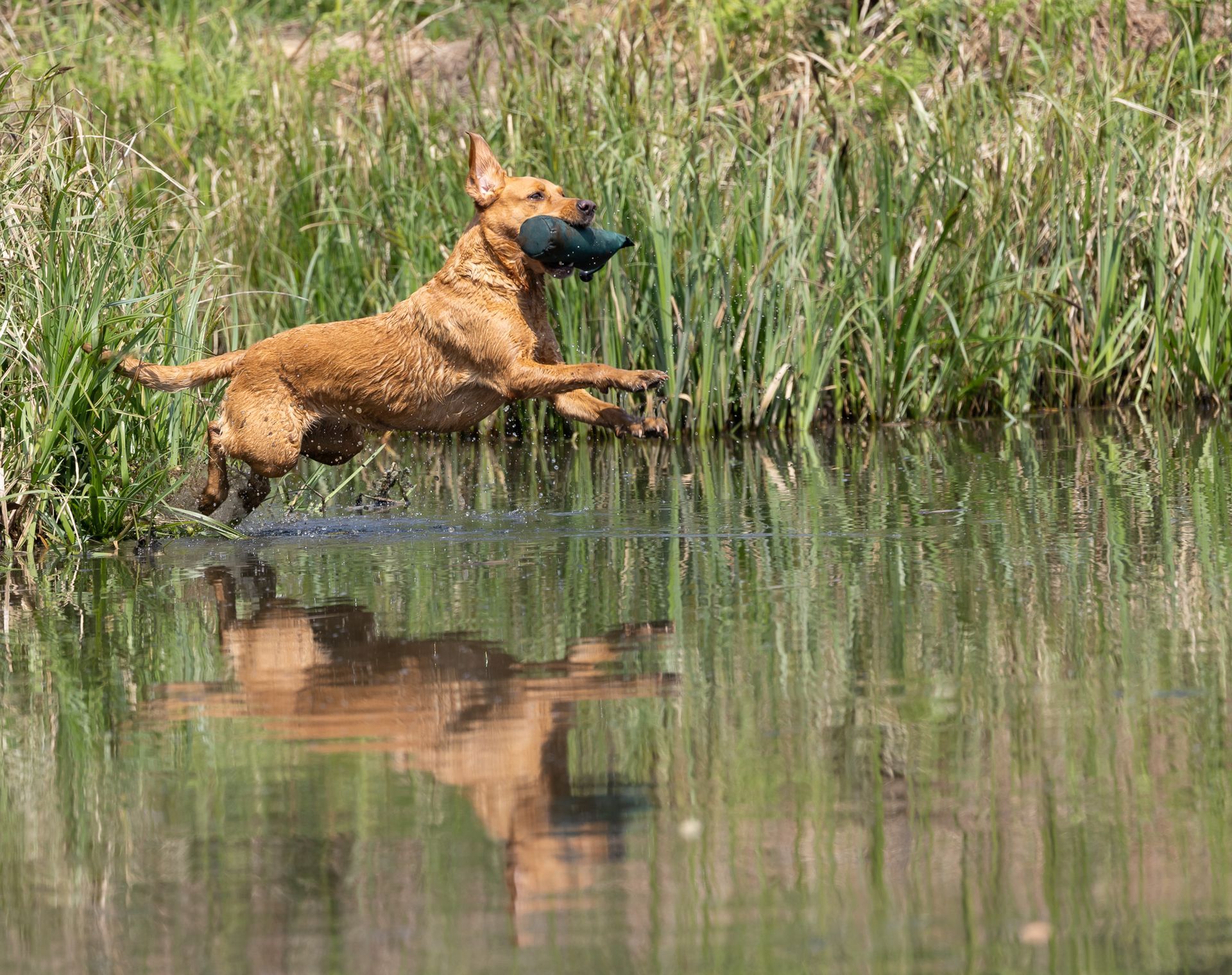
For many people, the idea of a working dog brings to mind a Labrador retrieving on a shoot, a Spaniel moving through cover or a Collie carefully managing livestock. Yet the qualities that make these dogs so capable do not disappear when they live as family pets. Behind many of Britain’s most popular breeds lies a long history of purposeful breeding, shaped by the need for intelligence, stamina, focus and a willingness to work alongside people. Understanding this heritage can provide owners with a valuable insight into the way their dogs think, learn and respond to the world around them. Behaviour that may initially appear difficult or unusual can often be better understood when considered through the lens of a breed’s original purpose.
A dog that constantly carries household objects, follows scents or struggles without a clear routine may simply be expressing instincts that have been refined over generations.
That does not mean every household dog needs to be trained for the field. Instead, it highlights the importance of providing suitable outlets for natural behaviours while creating a balanced lifestyle built around clear guidance, appropriate activity and time to recover.
Looking beyond physical exercise alone can help owners build a deeper relationship with their dogs and make everyday life more rewarding for both. Nutrition also forms an important part of that picture. A dog’s diet should reflect its age, health, condition and daily activity rather than being chosen on breed alone. The energy requirements of a dog working regularly in the field will be very different from those of a companion animal, even where the two share the same heritage.
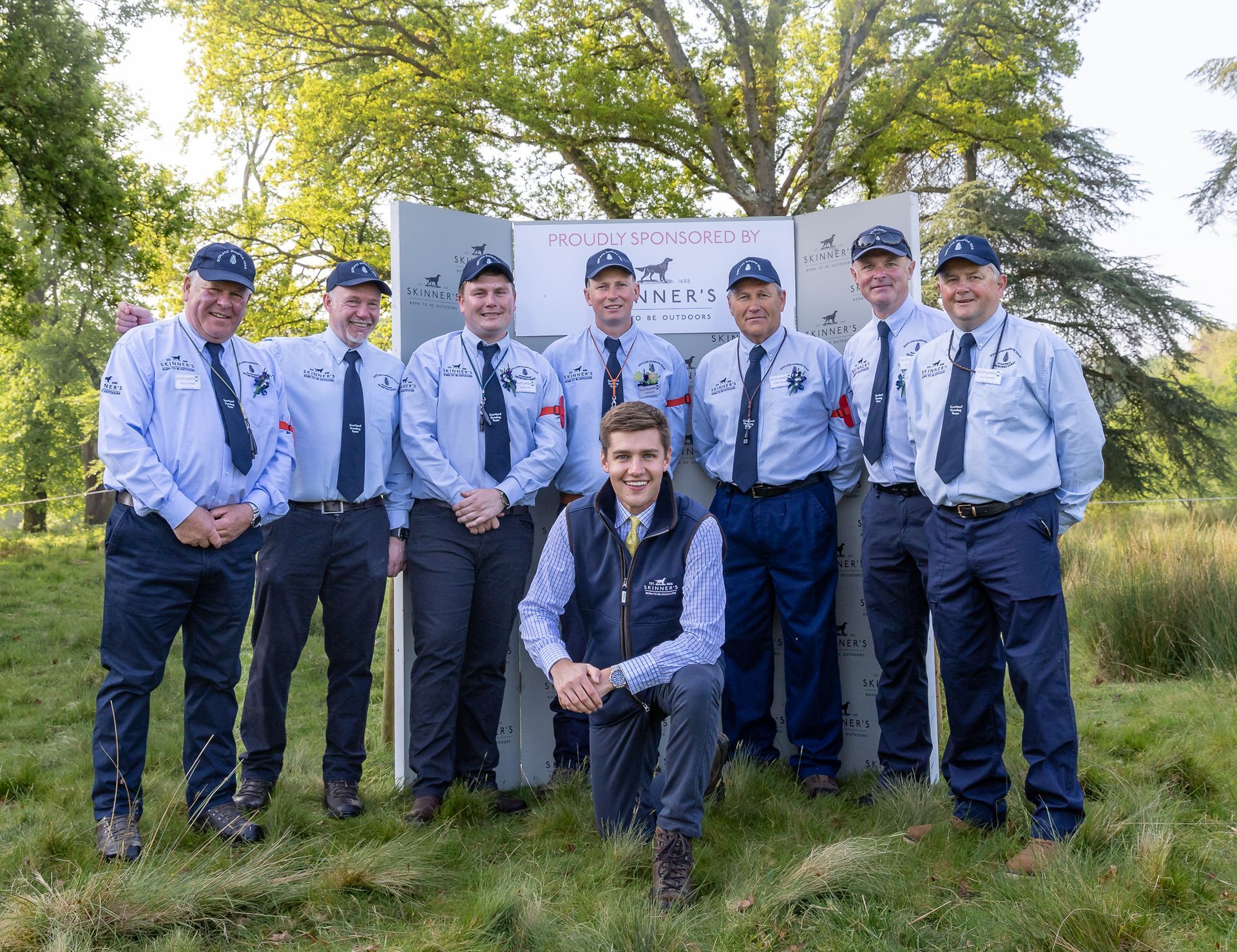
Skinner’s has produced specialist canine nutrition for more than 50 years and remains one of the UK’s few family-owned dog food manufacturers. In this Q&A, Sales Director Ben Skinner, a seventh-generation member of the Skinner family, explains what all owners can learn from the working-dog world and how those principles can help support happier, healthier pets.


Why is a knowledge of working dogs beneficial to any dog owner?
Skinner’s has been producing premium working dog food for over 50 years, creating canine nutrition specifically designed to support working dogs from puppyhood through to their senior years. It is proud to be one of the few family-owned dog food companies in the UK .Here, Ben breaks down why it’s vital for all dog owners to understand the principles of working dogs to better support their own pets.
Why do you think it’s beneficial for every dog owner to have some understanding of working dogs?
A knowledge of working dogs can help every dog owner understand the importance of mental stimulation, routine and breed characteristics, principles that – when understood and considered correctly – can help prevent behavioural issues like destruction, reactivity and separation anxiety in non-working, household dogs.
Many of the UK's most popular pet dogs, including Labradors and Spaniels, were originally bred as working dogs. Even if they're now family pets, they still retain many of the instincts and traits they were bred for. Lots of the behaviours owners see day-to-day - from retrieving and scenting to chasing and carrying objects - can often be traced back to these natural instincts, and understanding some of the principles working dog owners use can help owners better support their dog's physical, mental and emotional needs.
What are some of the key working dog principles that dog owners can apply to their own pets?
Training working dogs requires lots of repetition and clear communication. Consistency in training is so important as it builds better behaviour, and a well-trained dog makes for a more confident owner. This shows up particularly in a dog’s recall and restraint. Whilst a vital part of training working dogs, it’s key for all dogs to have good recall as it improves the owner-dog relationship, establishes boundaries and allows for more freedom.
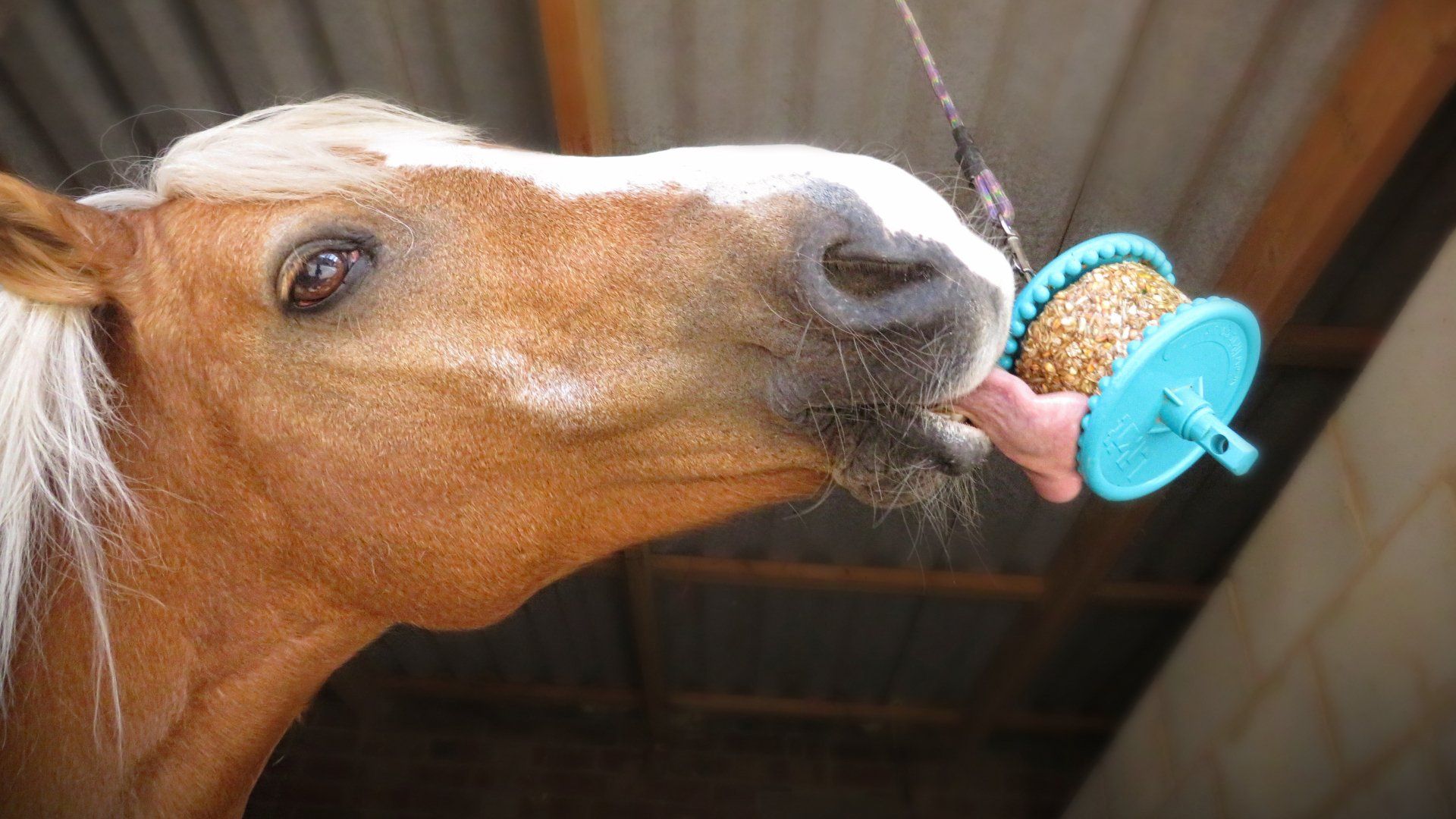
Working dog owners are also often very good at giving dogs an outlet for their natural instincts, whether that's retrieving, scent work or problem-solving activities. Pet owners can take the same approach by incorporating games and enrichment that allow dogs to use the behaviours they were originally bred for. With mental exercise just as important as physical exercise, an easy way to introduce mental stimulation for dogs is through food enrichment such as puzzle feeders that tap into a dog’s natural instinct to forage.
What about nutrition - what can you tell us about working dog nutrition and how this can be applied to regular dog owners and their pets?
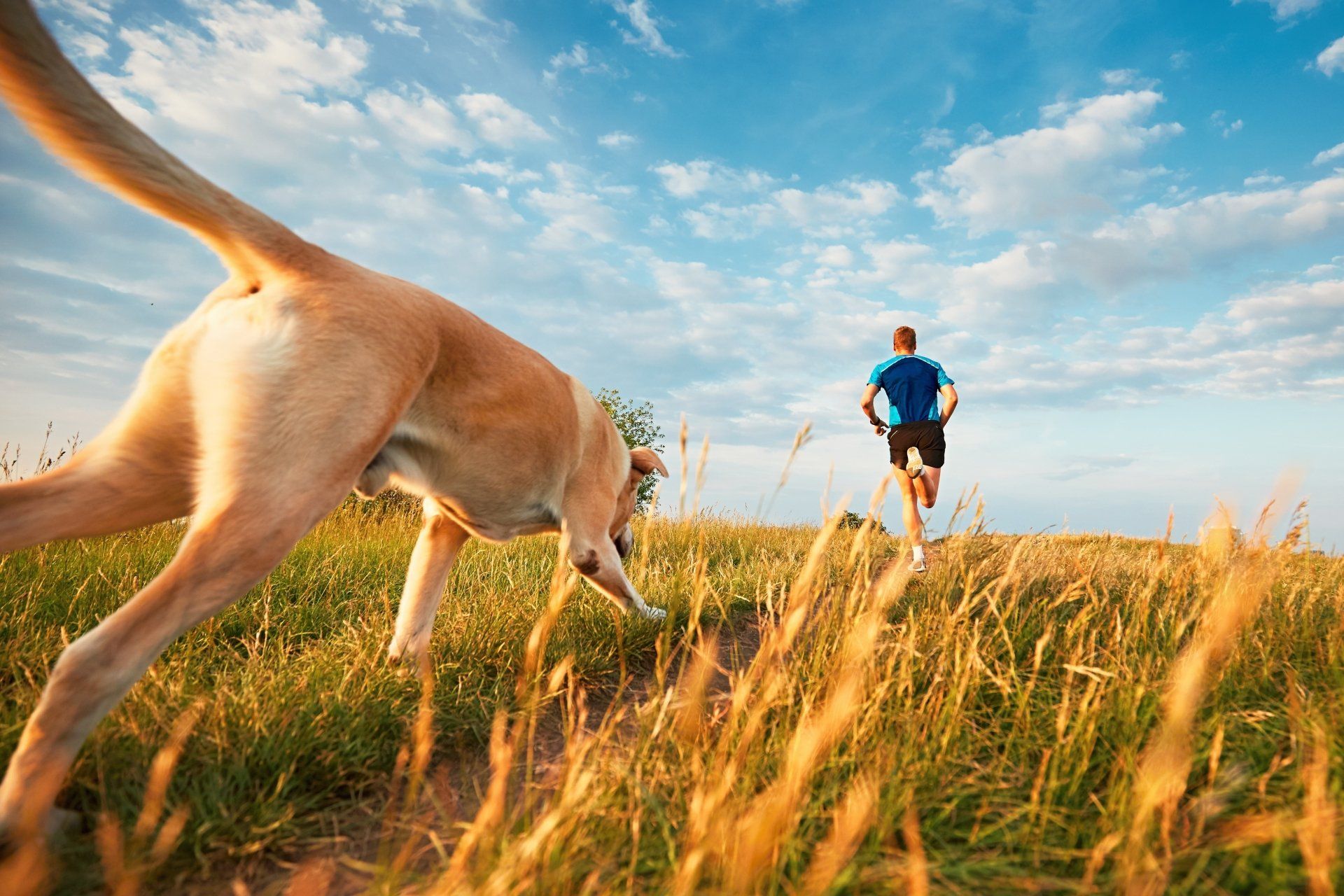
Nutrition should match your dog’s lifestyle. If you’ve got a dog that’s going for long walks and big runs every day, you want to ensure you’re giving them food that’s going to fuel them accordingly. Whilst working dogs require food specifically formulated to support their energy demands and recovery, most active pet dogs won't need quite the same level of nutrition or caloric intake. However, they can still benefit from a high-quality diet that matches their lifestyle and activity level.
Our Field & Trial range is specifically formulated for working dogs, with high-protein and fat levels to support the caloric needs of these highly active dogs. For pet dogs with active lifestyles, we also offer Get Out & Go, a range developed for dogs that enjoy long walks, adventures and spending time outdoors with their owners. The grain-free recipes are expertly formulated with carefully balanced fat and protein levels to provide the nutrition active dogs need to thrive. When deciding what to feed your dog on, it’s really important to assess their condition and their activity level and choose food that’s going to best support them and their lifestyle.
How important of a role does rest play for active pet dogs vs working dogs?
t it's just as important as exercise. Working dogs often have scheduled periods of rest based around season timings, but whether a dog is working in the field or enjoying long walks with their family, adequate rest is vital to allow the body to recover, muscles to repair and the brain to process learning and training. Without sufficient rest, dogs can become overtired, which can sometimes put them at risk of injury and lead to potential unwanted behaviours. Ensuring even household pets get the rest they need will result in happy dogs and happy owners.
Read more: