The Countryside Code
A Family Guide to Enjoying the Outdoors Responsibly

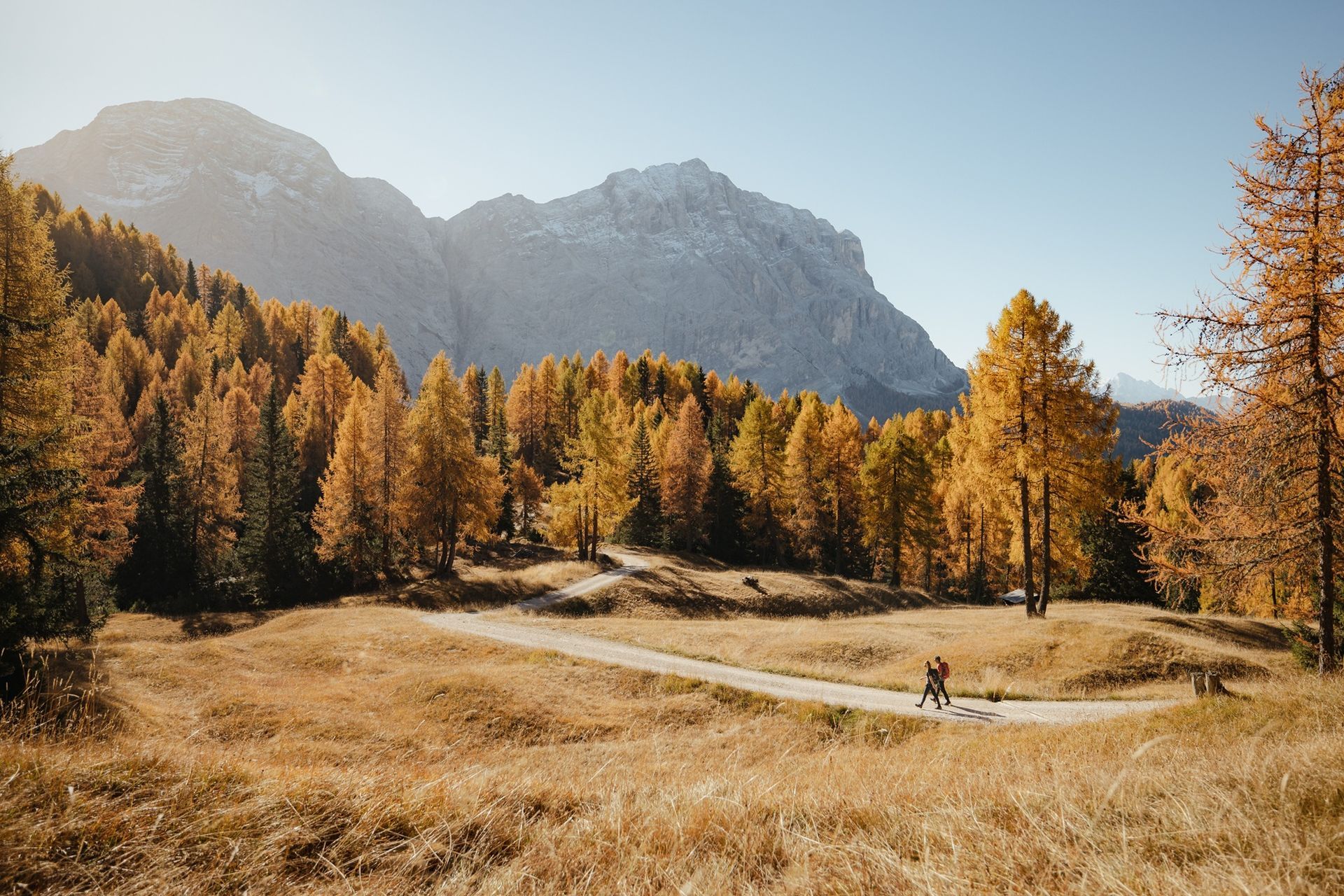
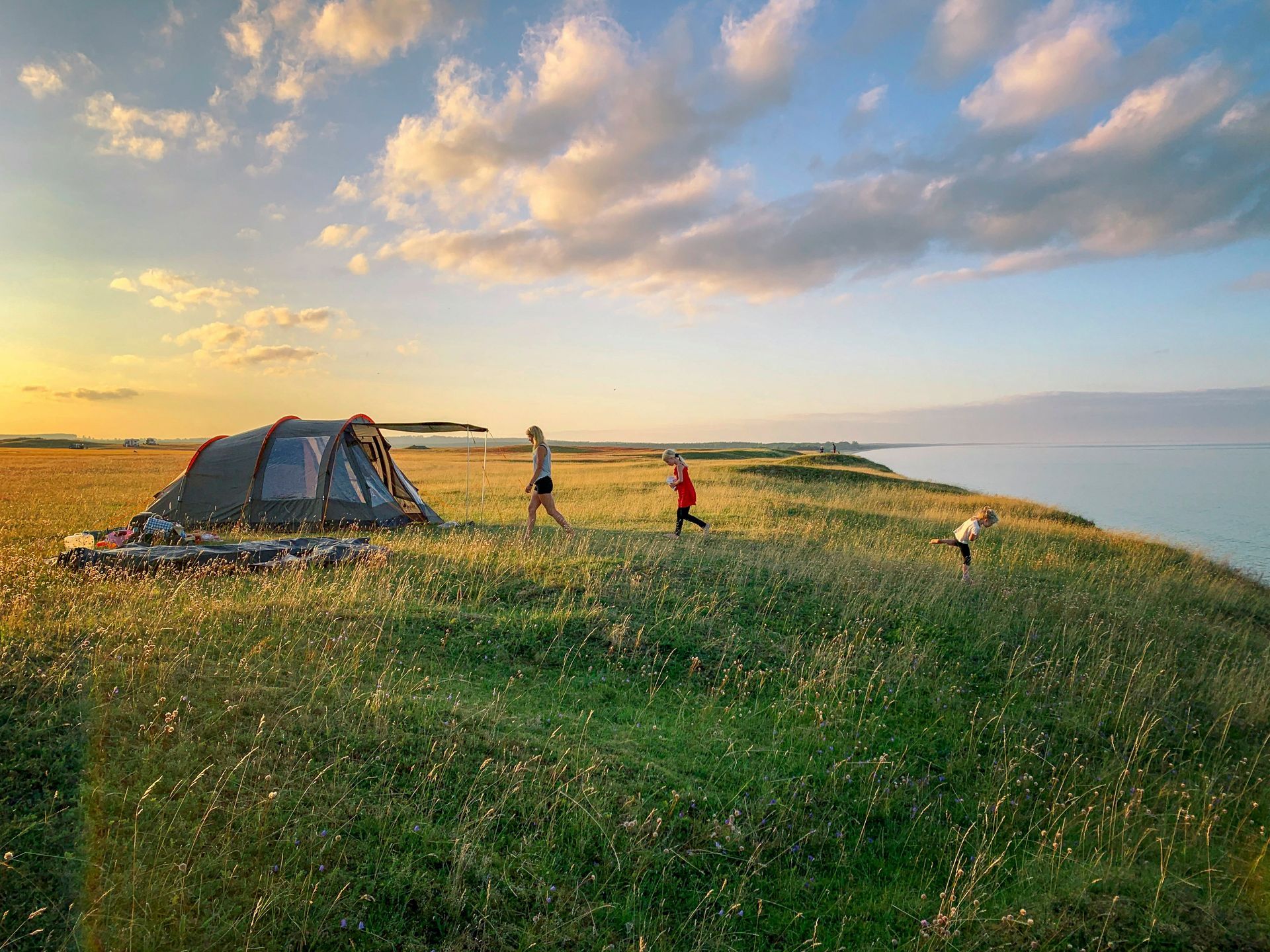
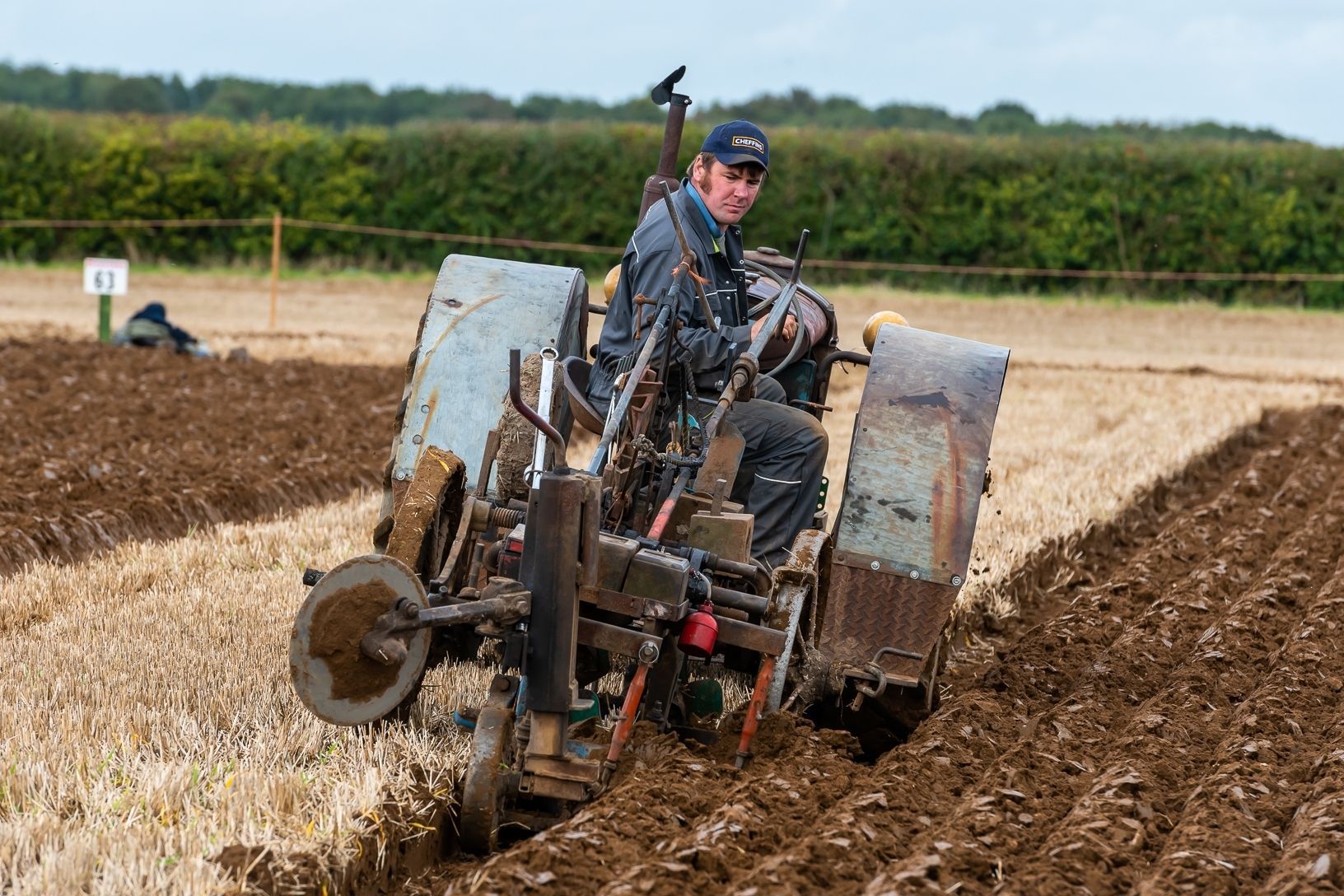
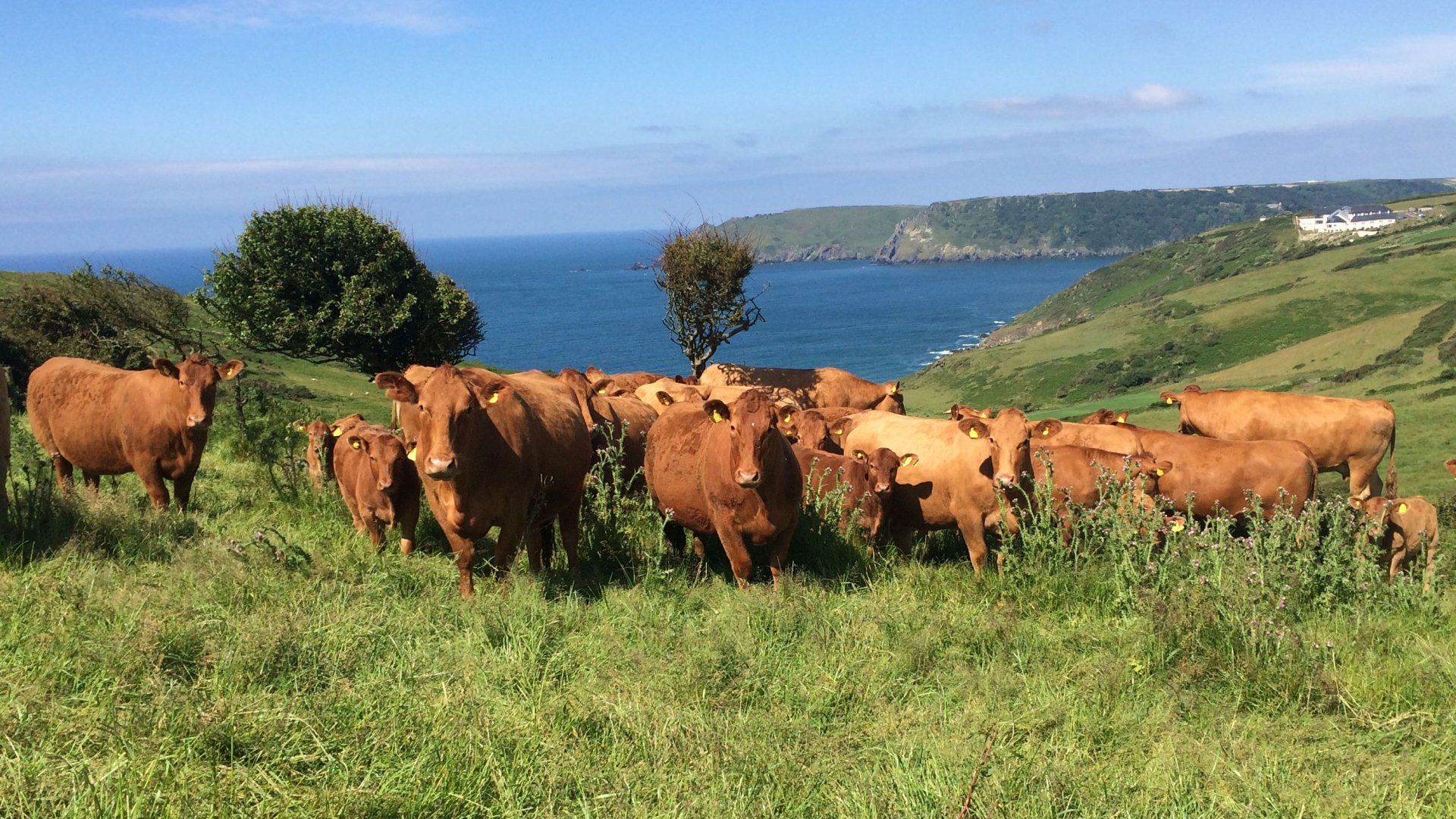
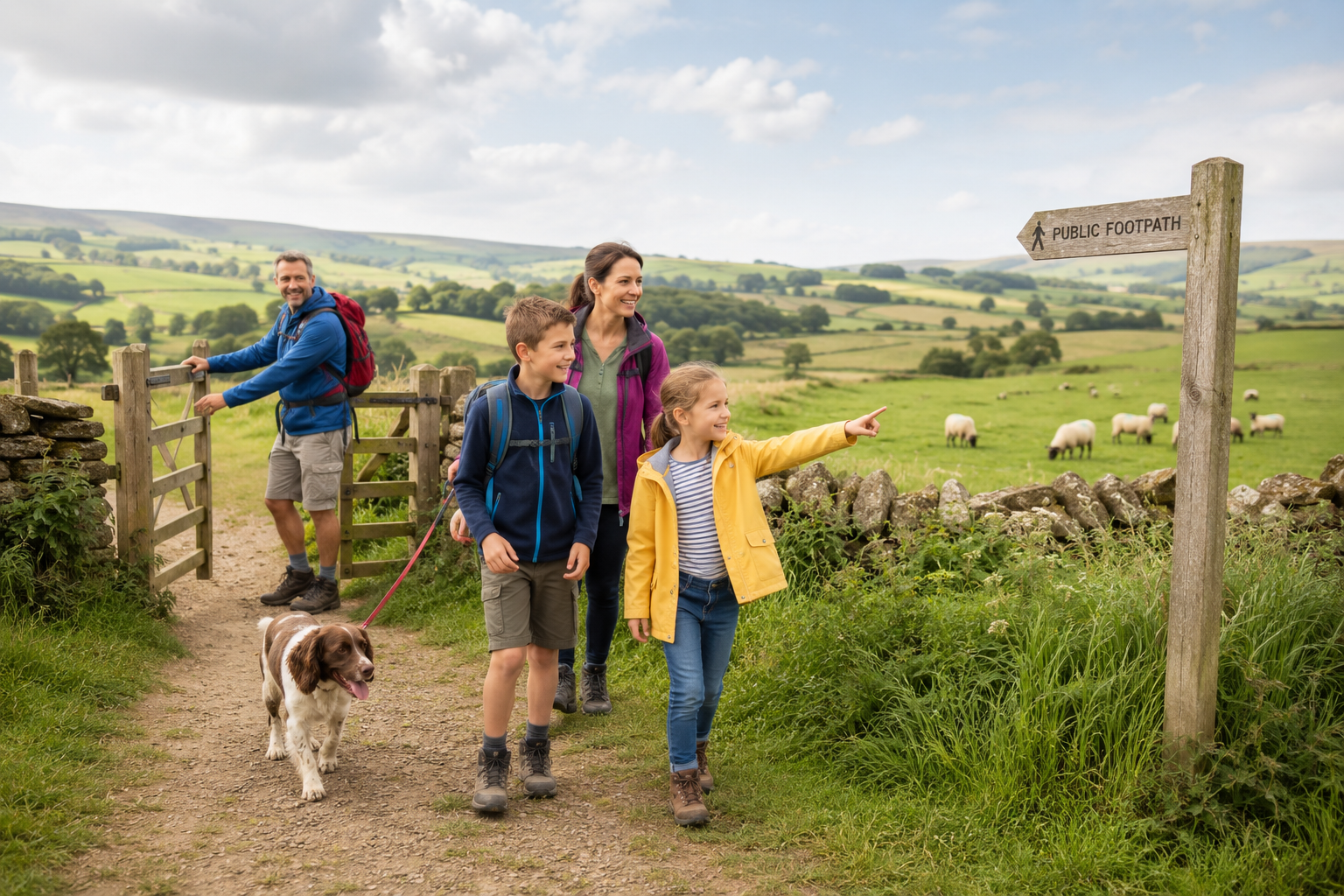
There are few greater pleasures than heading out into the countryside as a family. Whether it is a weekend walk through woodland, a picnic beside a river, a ramble across open fields or a gentle stroll along a coast path, the outdoors gives children space to run, explore, ask questions and discover the world beyond screens and busy roads. For adults, it offers fresh air, peace, perspective and the simple joy of being somewhere green. But the countryside is not just a playground. It is also a workplace, a home, a habitat and a living landscape. The fields we cross may be growing food. The paths we follow may run beside livestock. The hedgerows, verges, streams and woodlands around us may be home to birds, insects, wildflowers and animals that depend on these places being treated with care.
That is where the Countryside Code comes in. It is not a list designed to spoil the fun or make families feel unwelcome. Quite the opposite. It exists to help everyone enjoy the countryside safely and responsibly, while protecting the people, animals and places that make rural life so special. For children, it can also be a wonderful way to learn respect for nature and understand that our actions, however small, matter. At its heart, the Countryside Code can be remembered in three simple words: respect, protect and enjoy. Respect other people. Protect the environment. Enjoy the outdoors. These are easy ideas for families to talk about before setting off, and they are simple enough for even young children to understand.
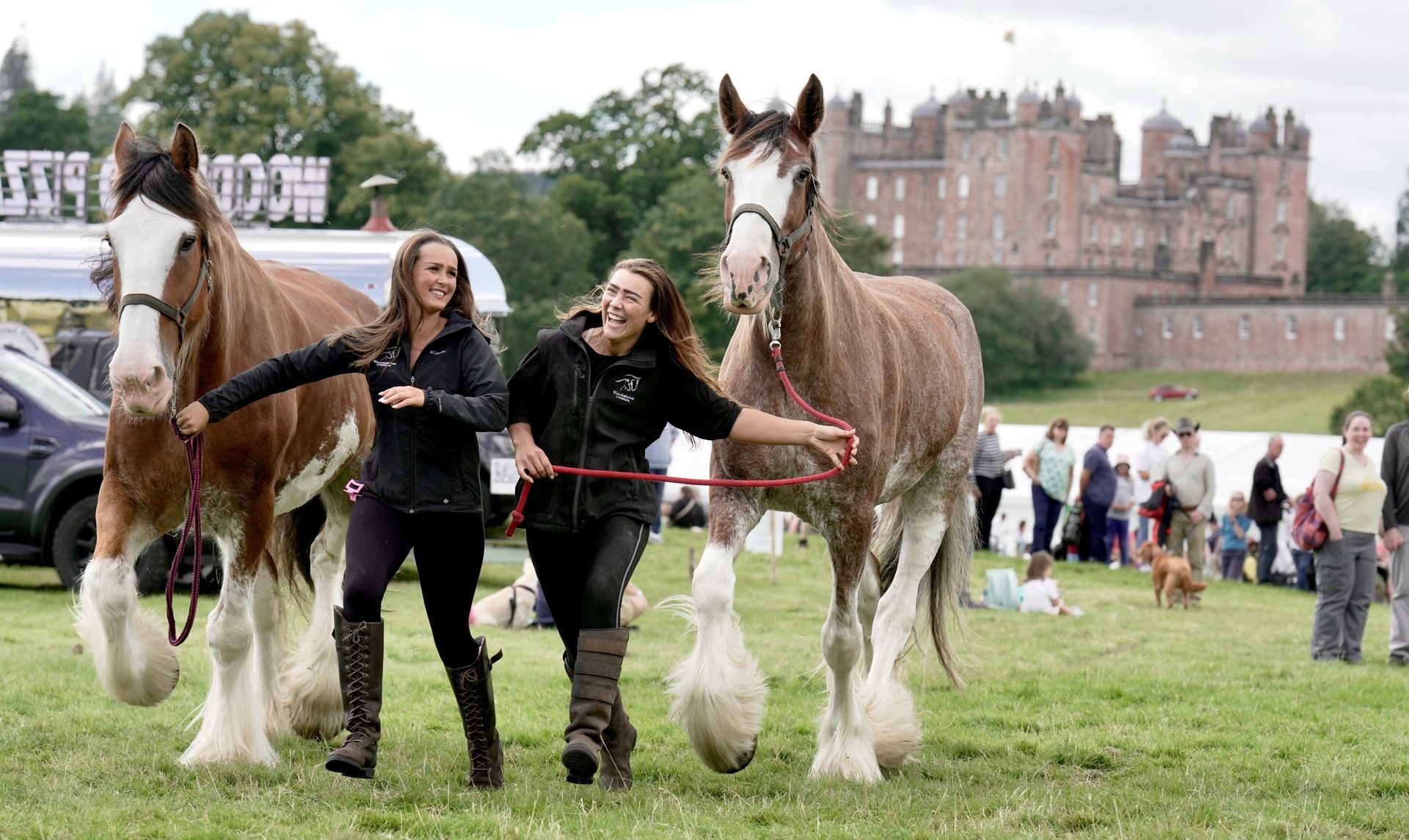
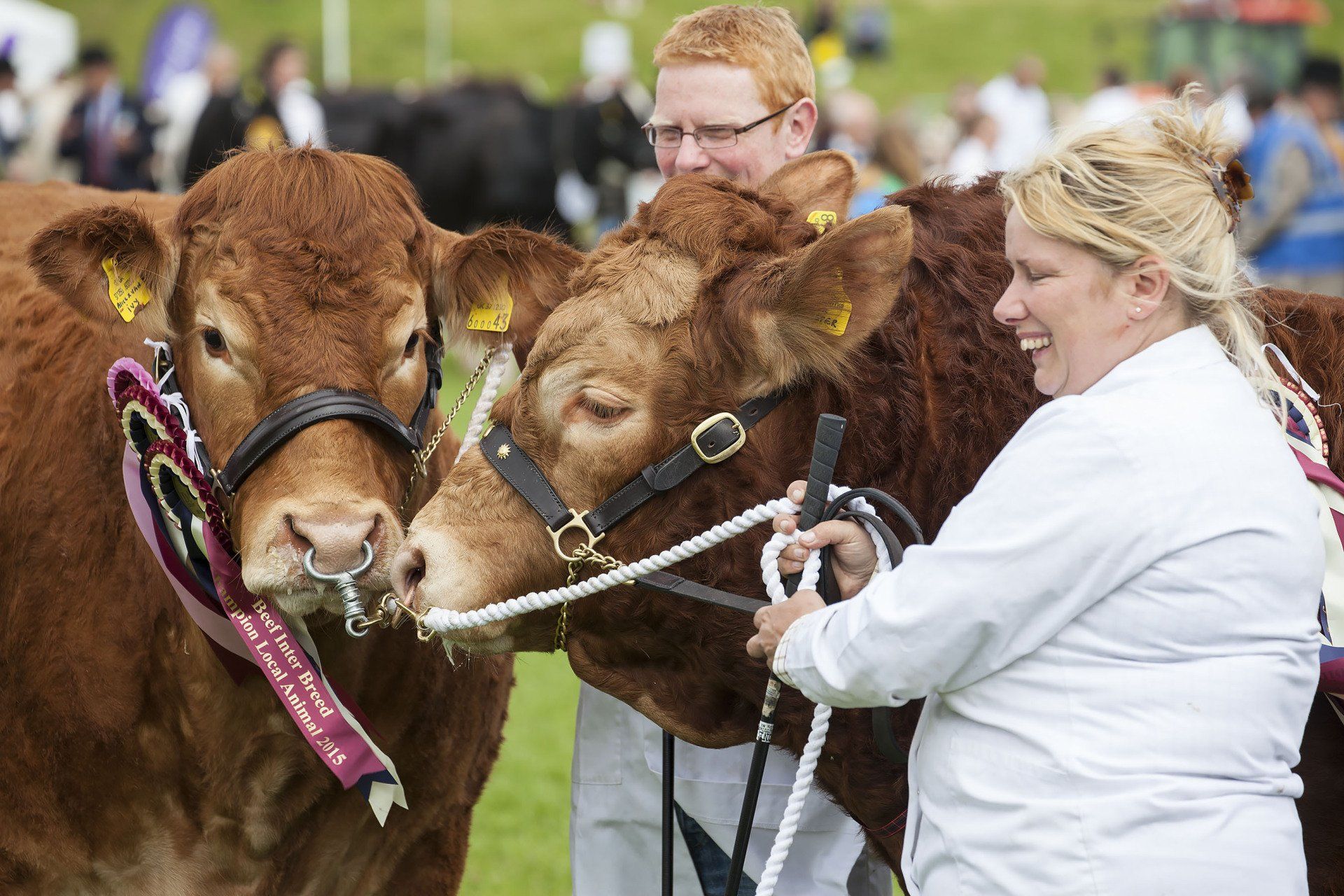
Respect begins with remembering that the countryside belongs to many different people in many different ways. Some of us visit it for pleasure, but others live and work there every day. A quiet lane may be someone’s route to their farm. A field may be full of crops. A gate may be needed to keep animals safely enclosed. A footpath may pass close to a home, garden or working yard. For families, being respectful can be as simple as saying hello to others on a path, giving space to horse riders, cyclists or walkers, and keeping noise to a reasonable level near homes and livestock. Children are naturally excited when they are outdoors, and that energy is part of the joy of a countryside day. But it is worth reminding them that some animals may be startled by shouting, sudden movements or dogs running freely.
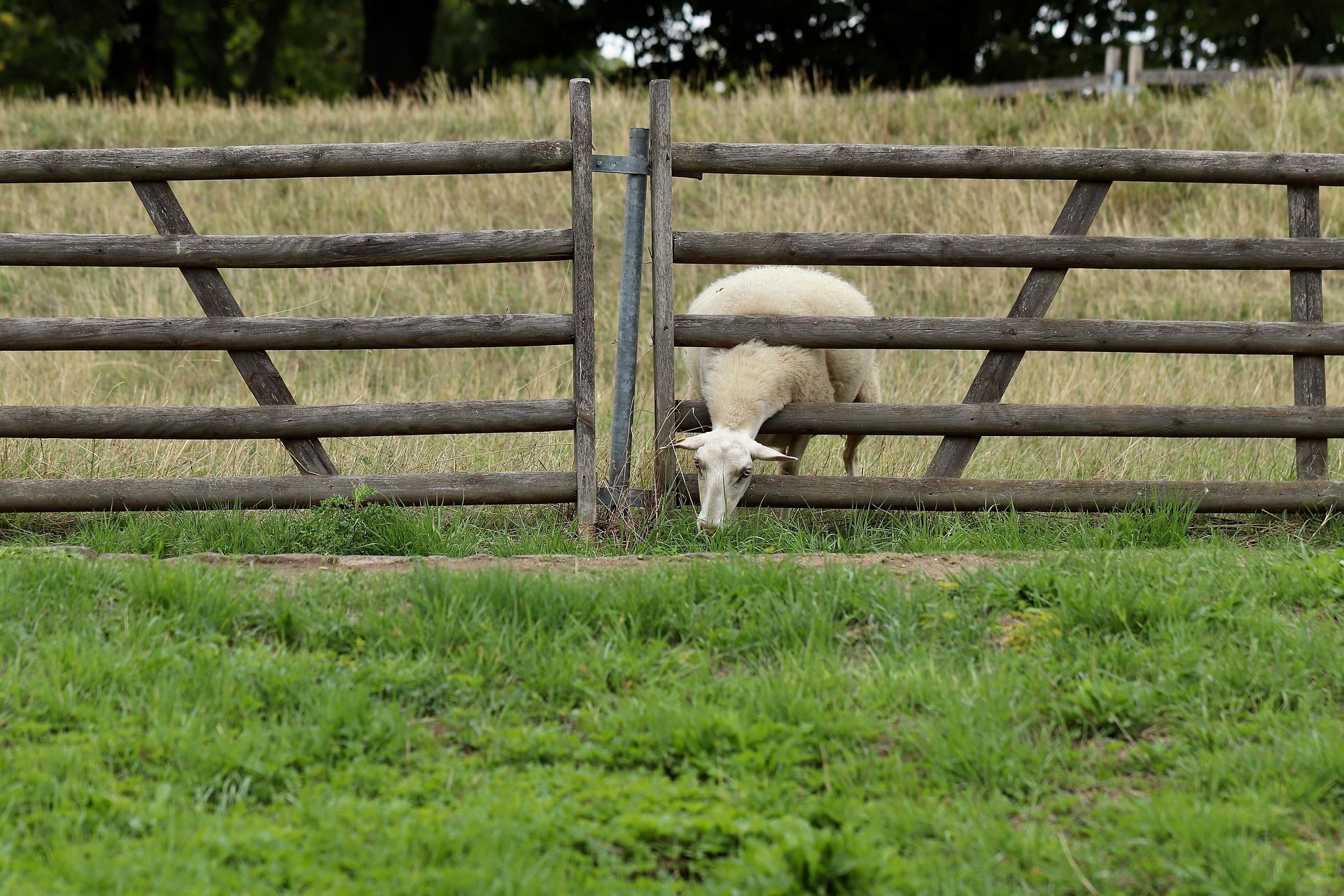

Gates are one of the clearest examples of countryside manners. The old advice still stands: leave gates as you find them. If a gate is closed, close it behind you. If it is open, leave it open. Gates are not arranged randomly. Farmers and landowners use them to manage livestock, protect crops and control access. A gate left open by mistake can allow animals to escape, and a gate closed when it should be open can stop livestock reaching food, water or shelter.
It is also important to stick to marked paths unless wider access is clearly allowed. Public footpaths, bridleways and byways exist so that people can enjoy the countryside while keeping disturbance to a minimum. Wandering through crops, cutting across private land or climbing fences can cause damage and create tension between visitors and those who care for the land. For children, paths can be presented as adventure trails: the route to follow, the line that helps everyone explore safely.
Parking is another small action that can have a big impact. A country lane may look quiet, but blocking a gateway, farm track or driveway can cause serious problems. Farmers may need access with large machinery, emergency vehicles may need to pass, and local residents still need to get in and out of their homes. A family day out starts well when the car is parked carefully and considerately. Protecting the countryside means leaving it as we found it, or better. The simplest rule is to take litter home. Wrappers, bottles, picnic leftovers and tissues do not belong in hedges, fields or streams. Even items that seem harmless can harm wildlife, livestock and the wider environment. A plastic bag can trap an animal. A drinks can can cut a muzzle or paw. Food waste can make animals ill or encourage pests.
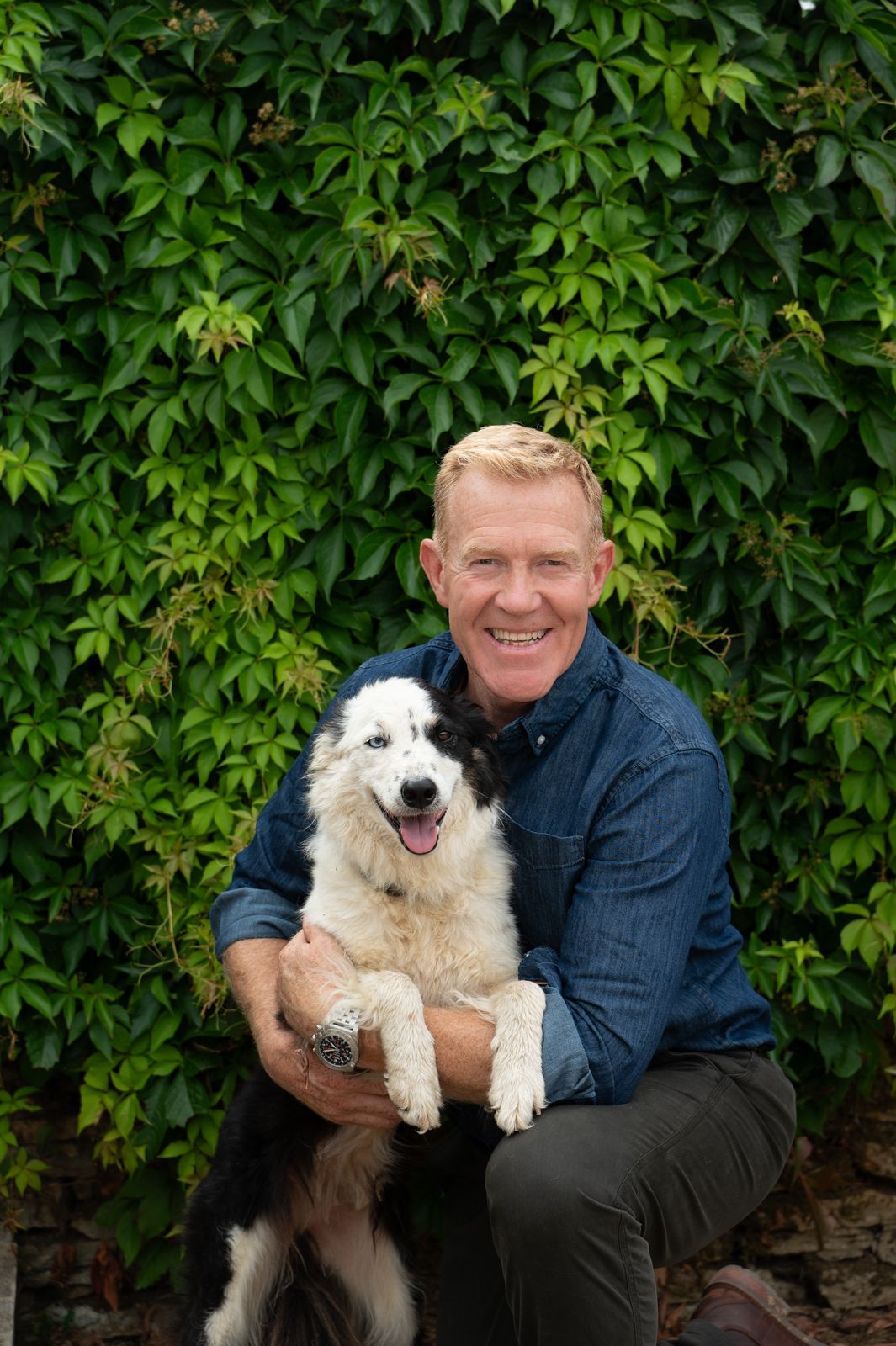
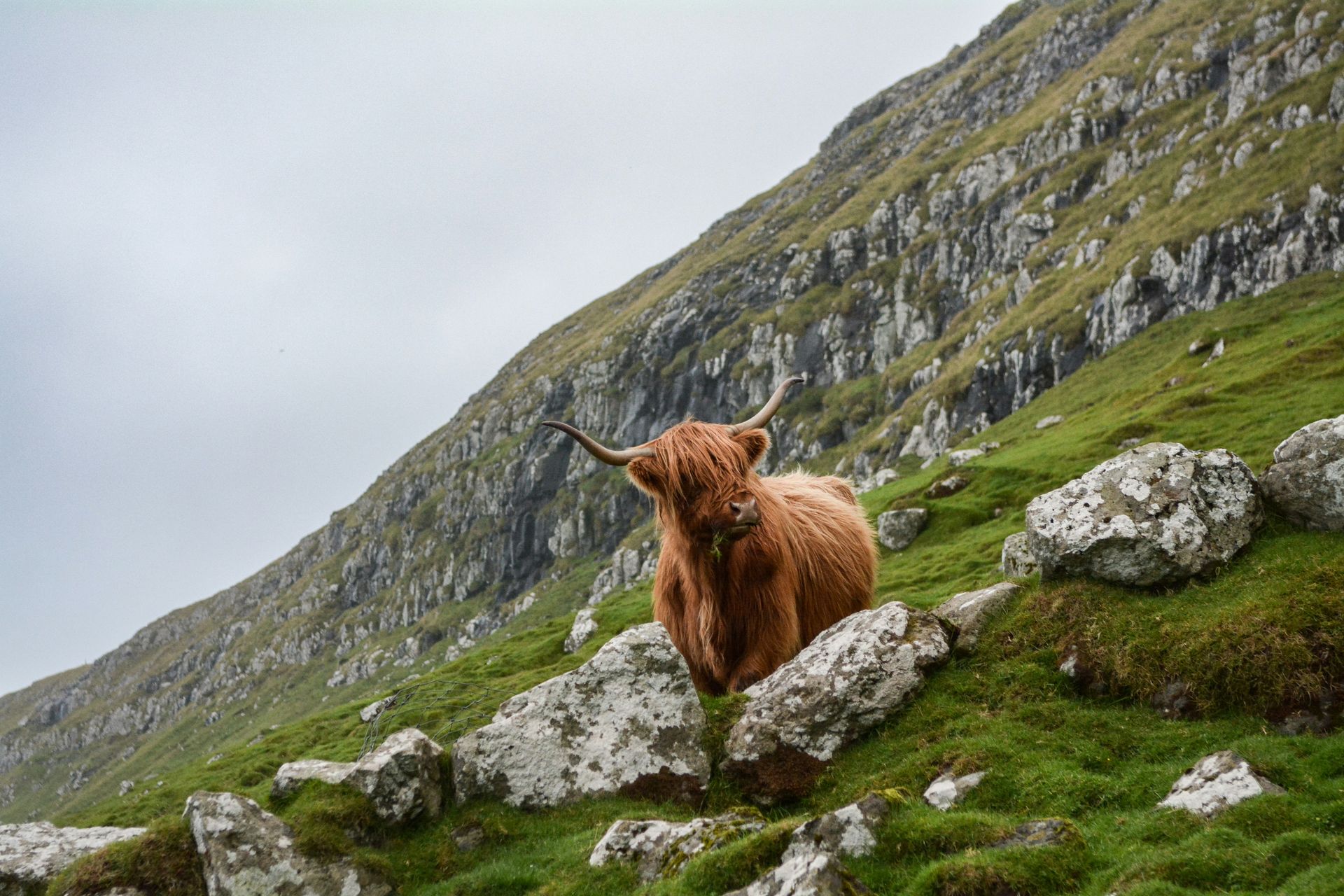
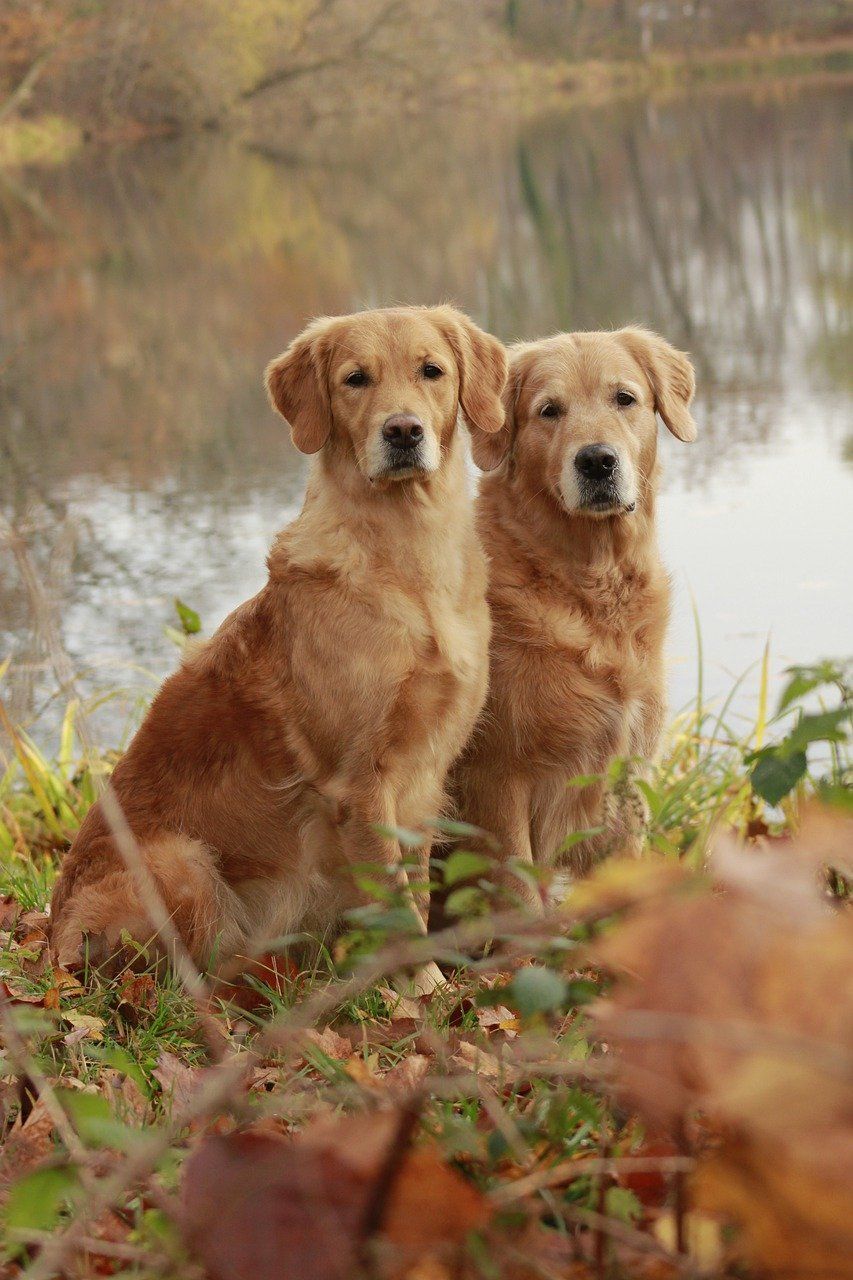
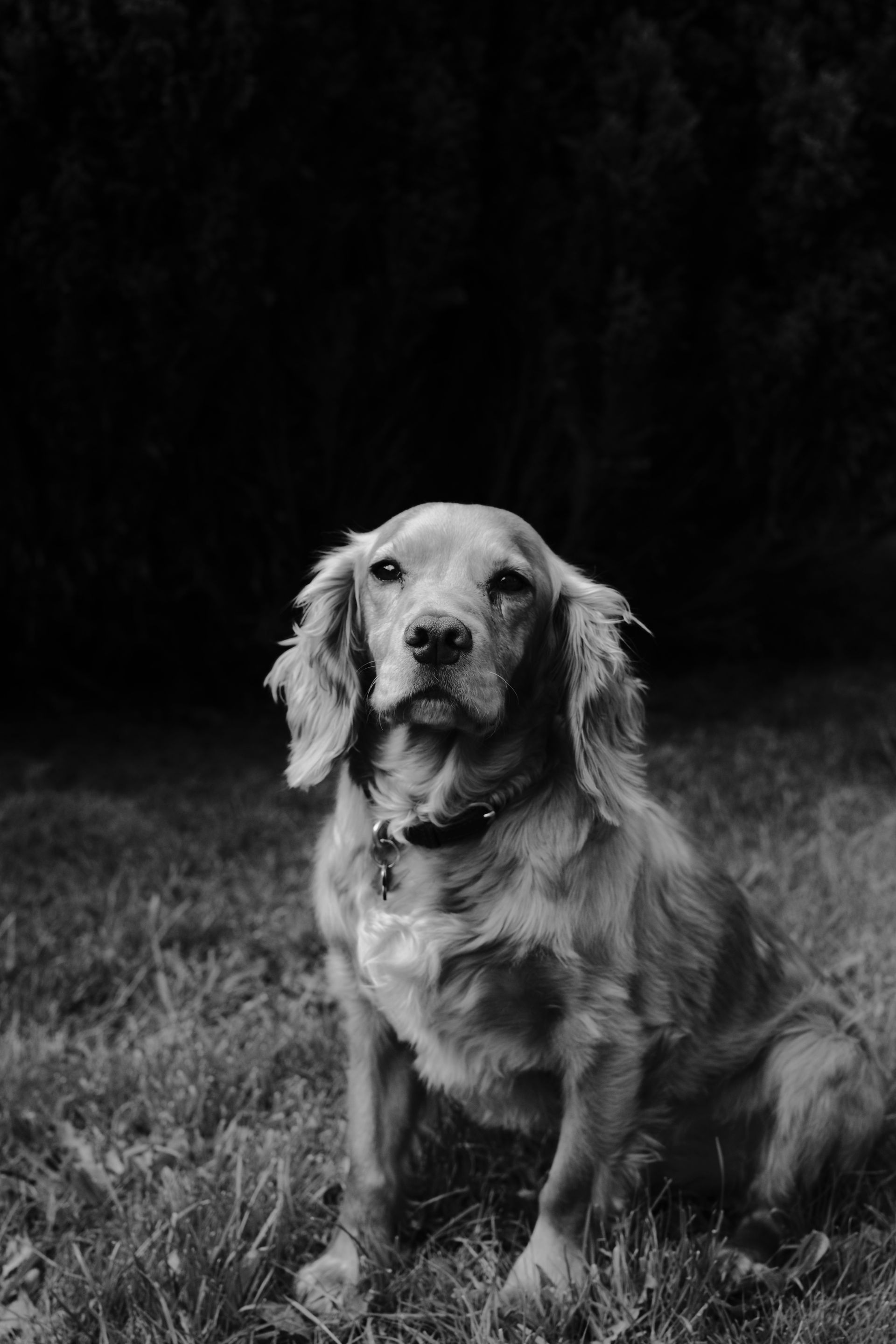
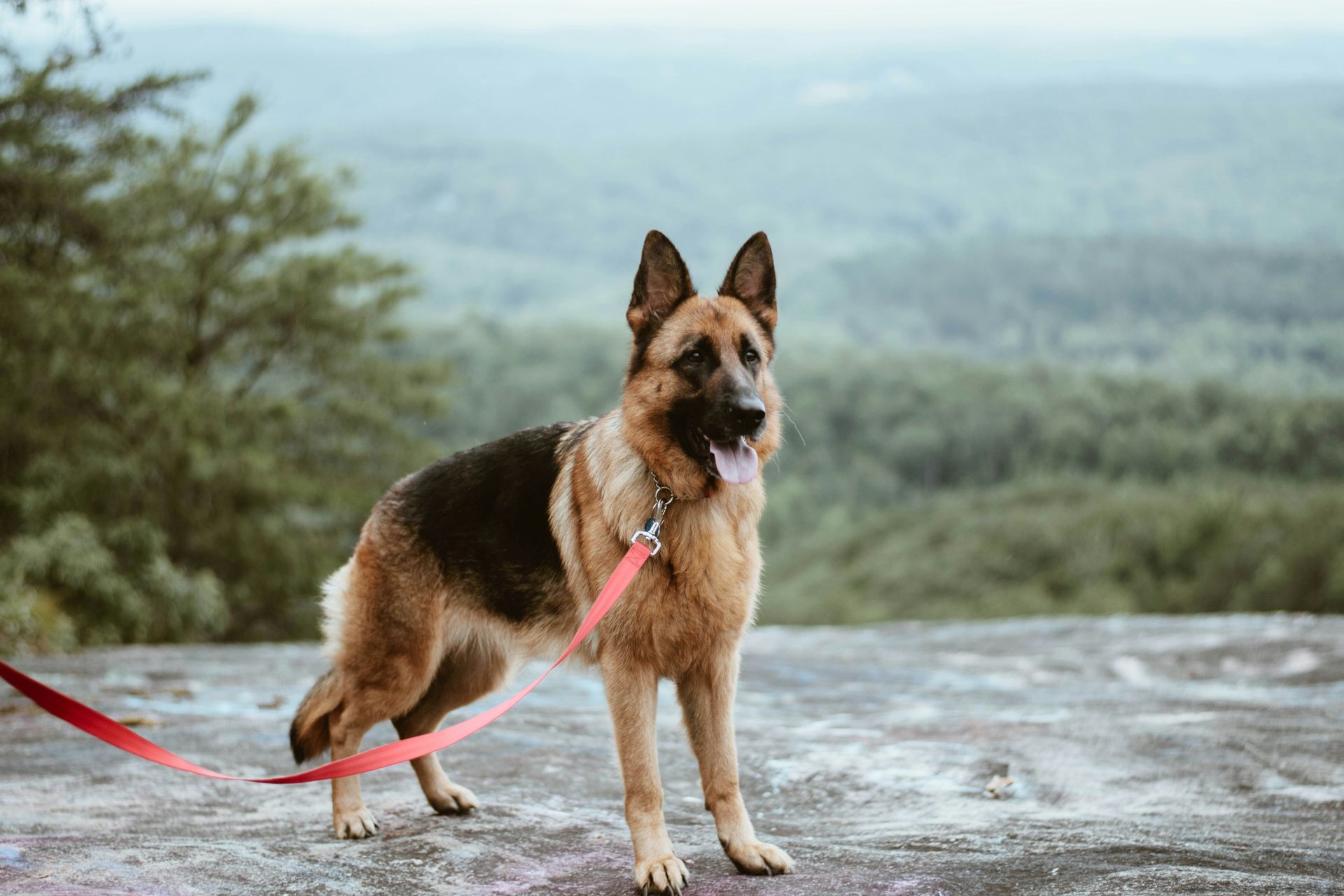
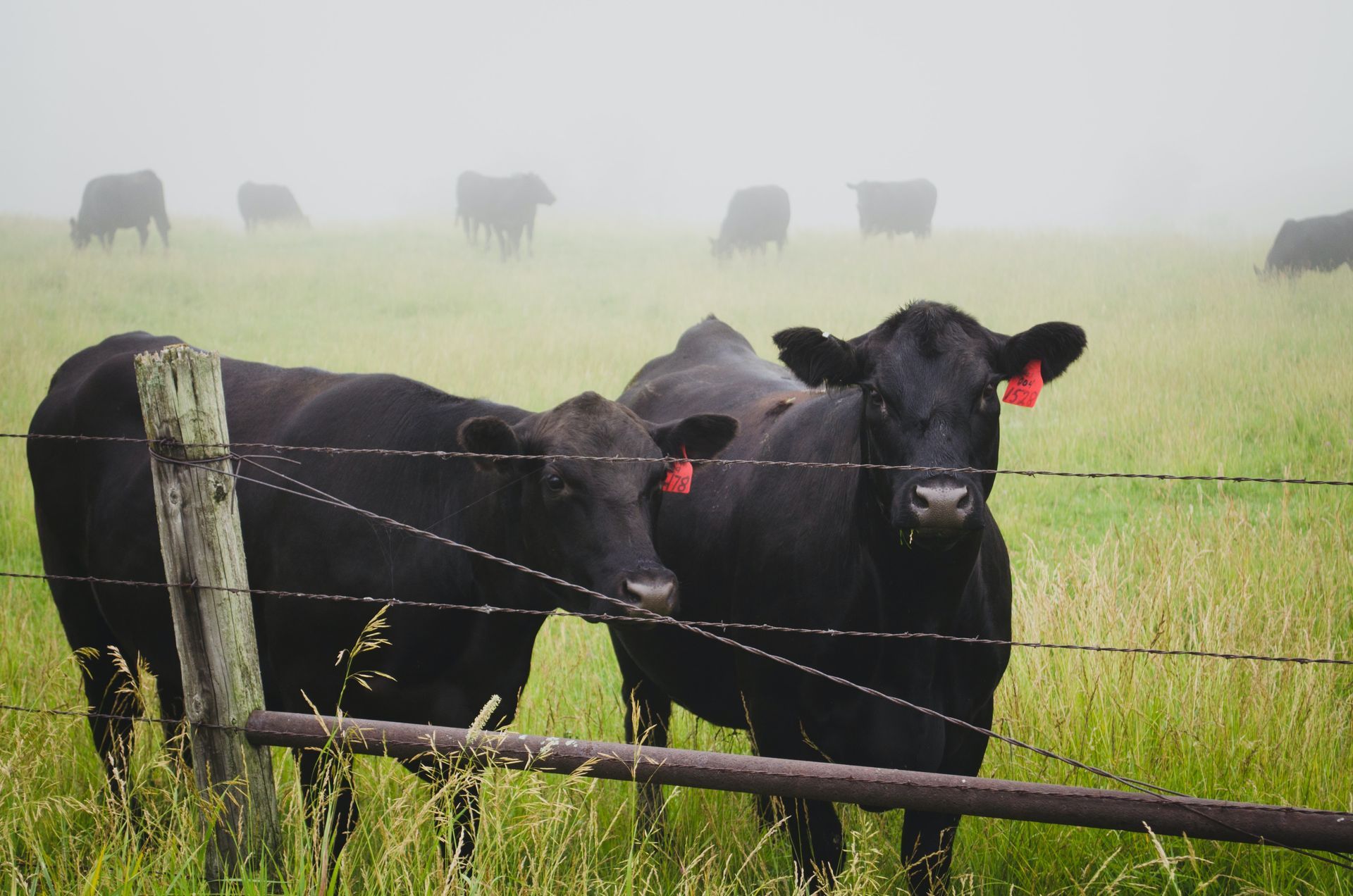
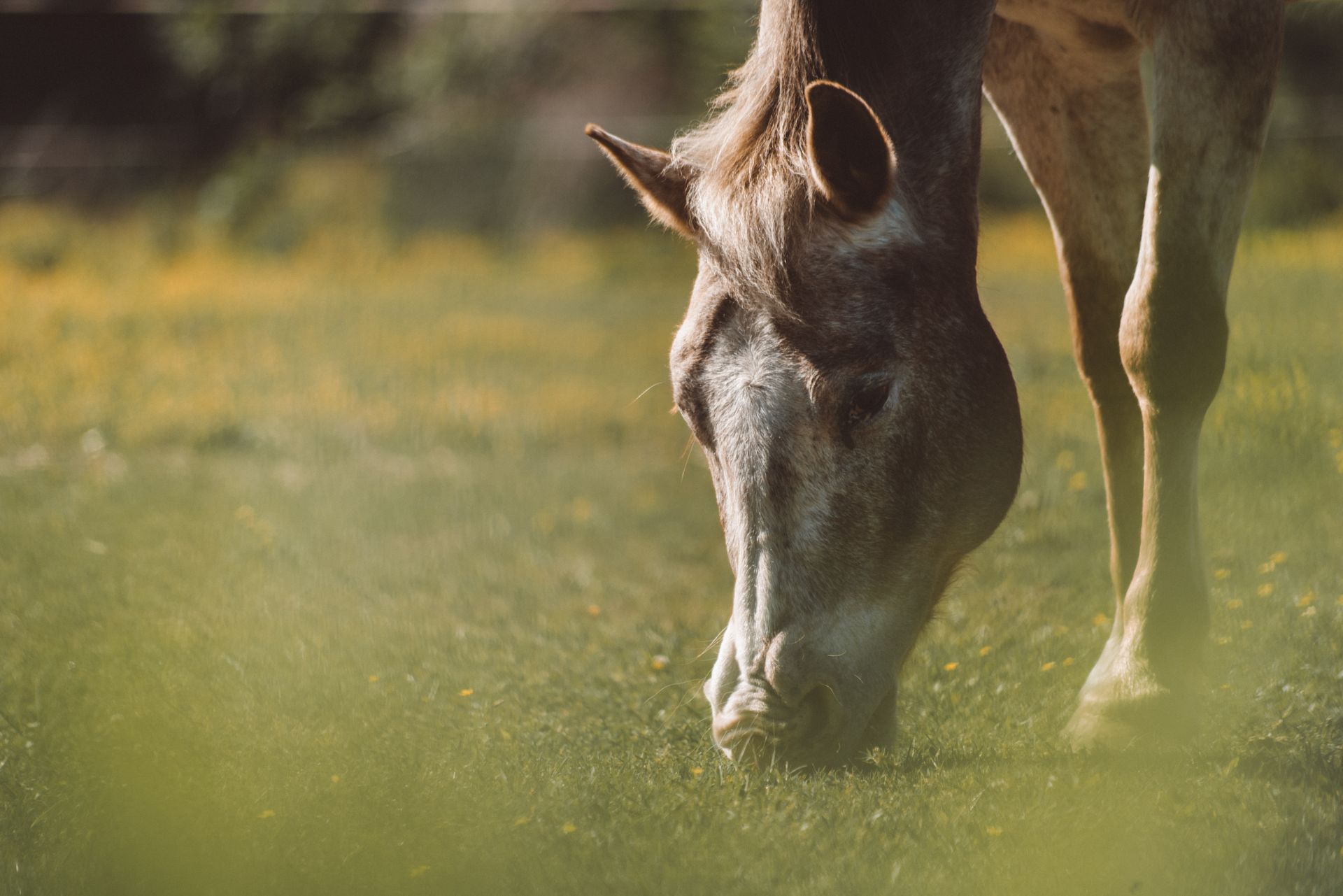
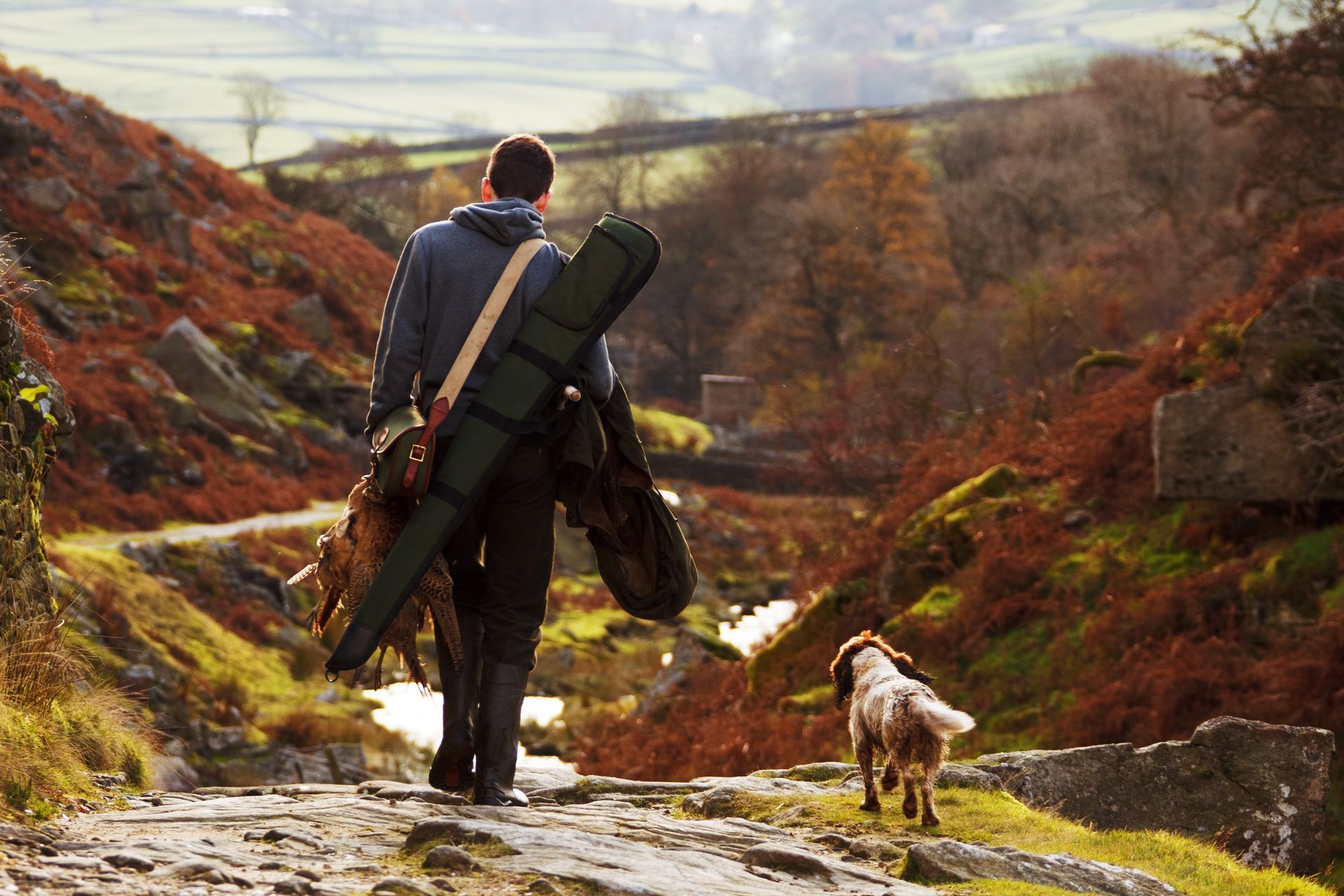
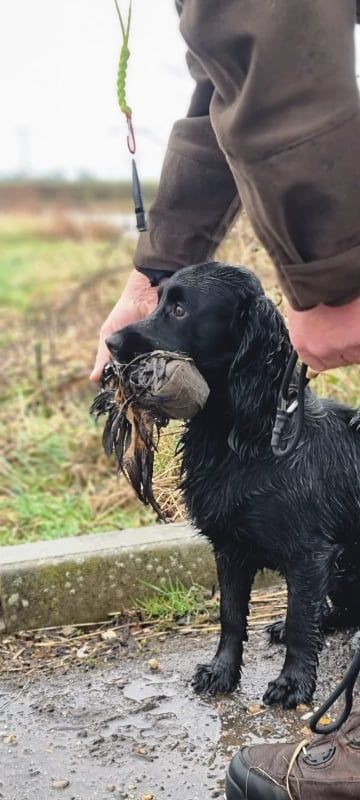
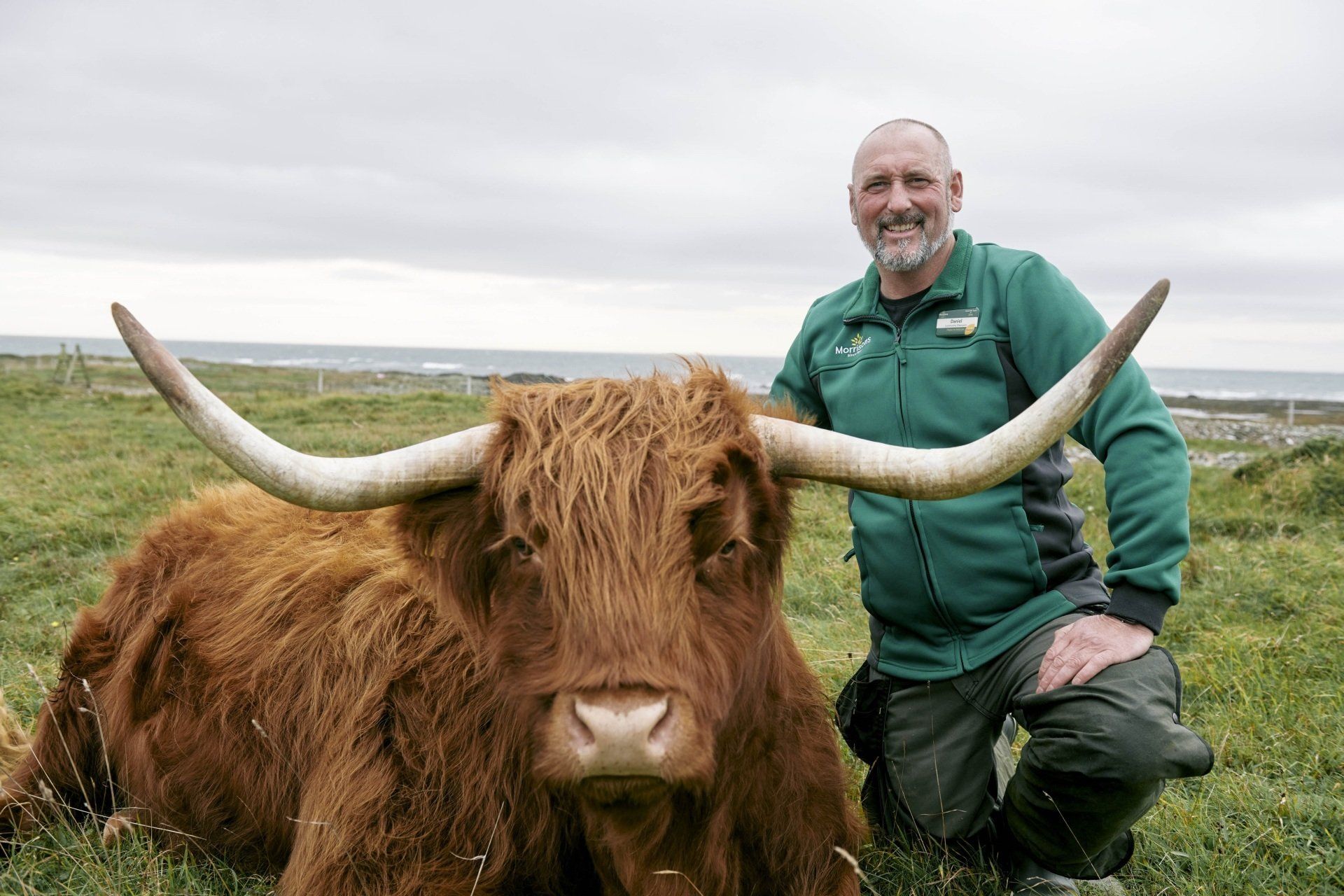
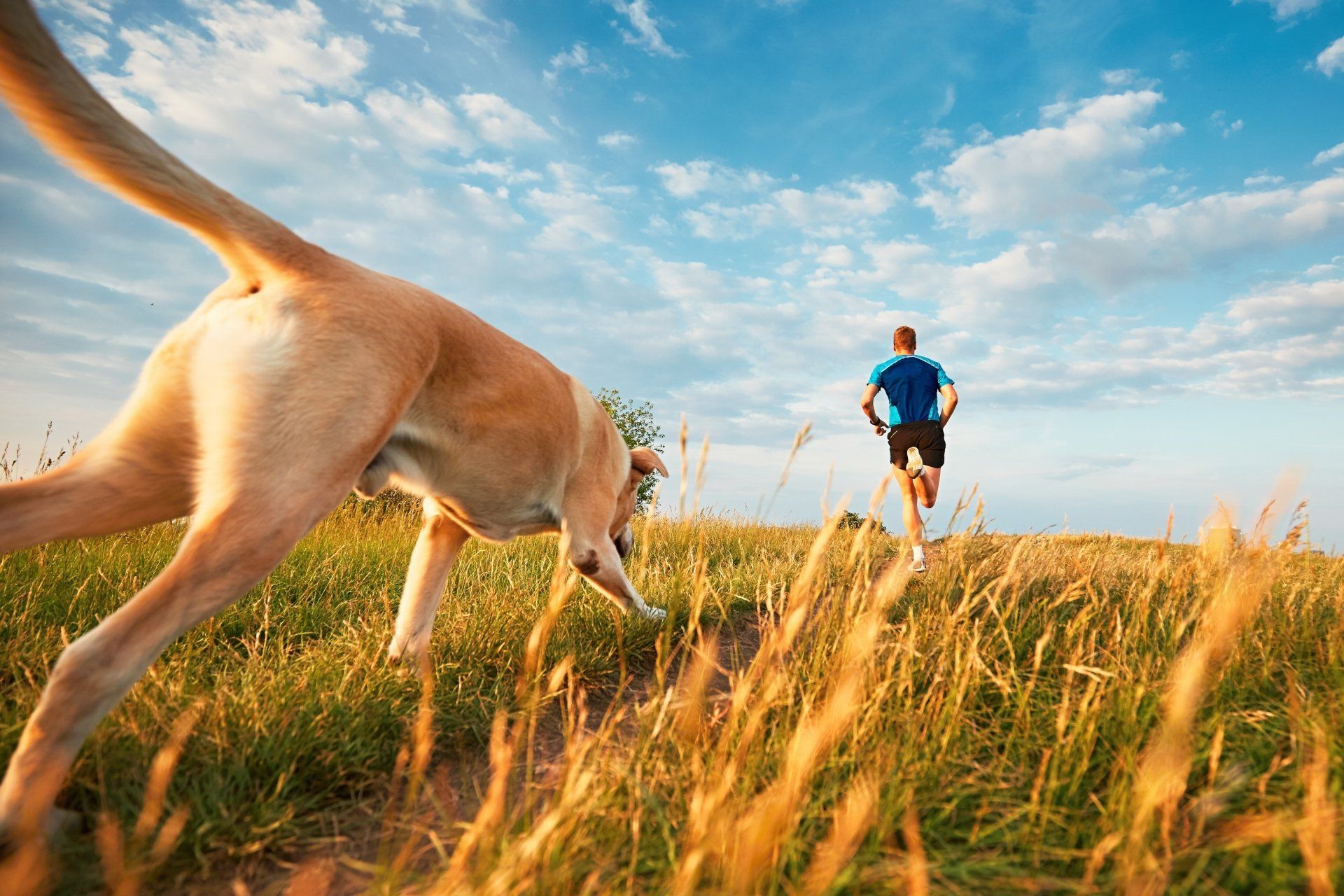
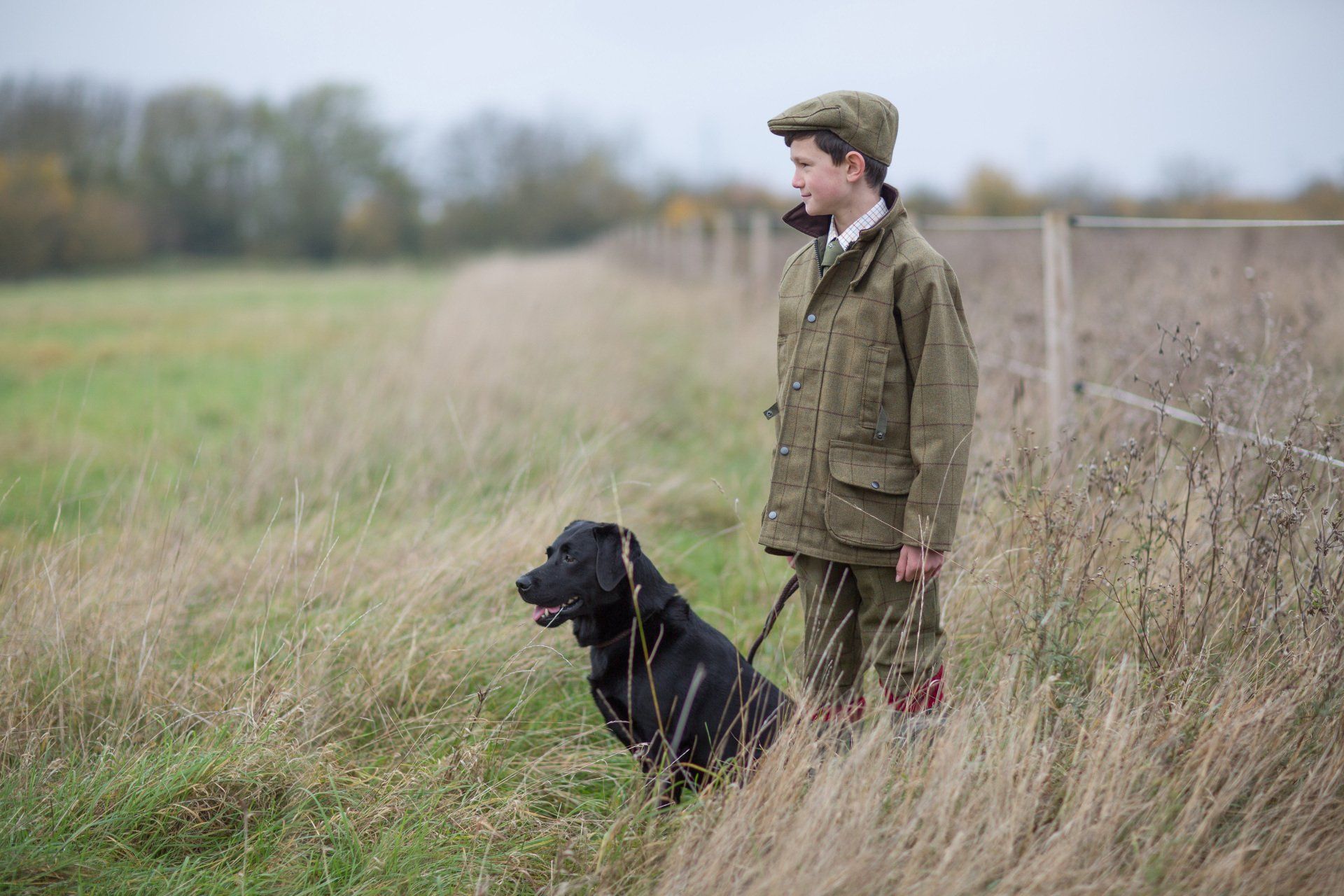
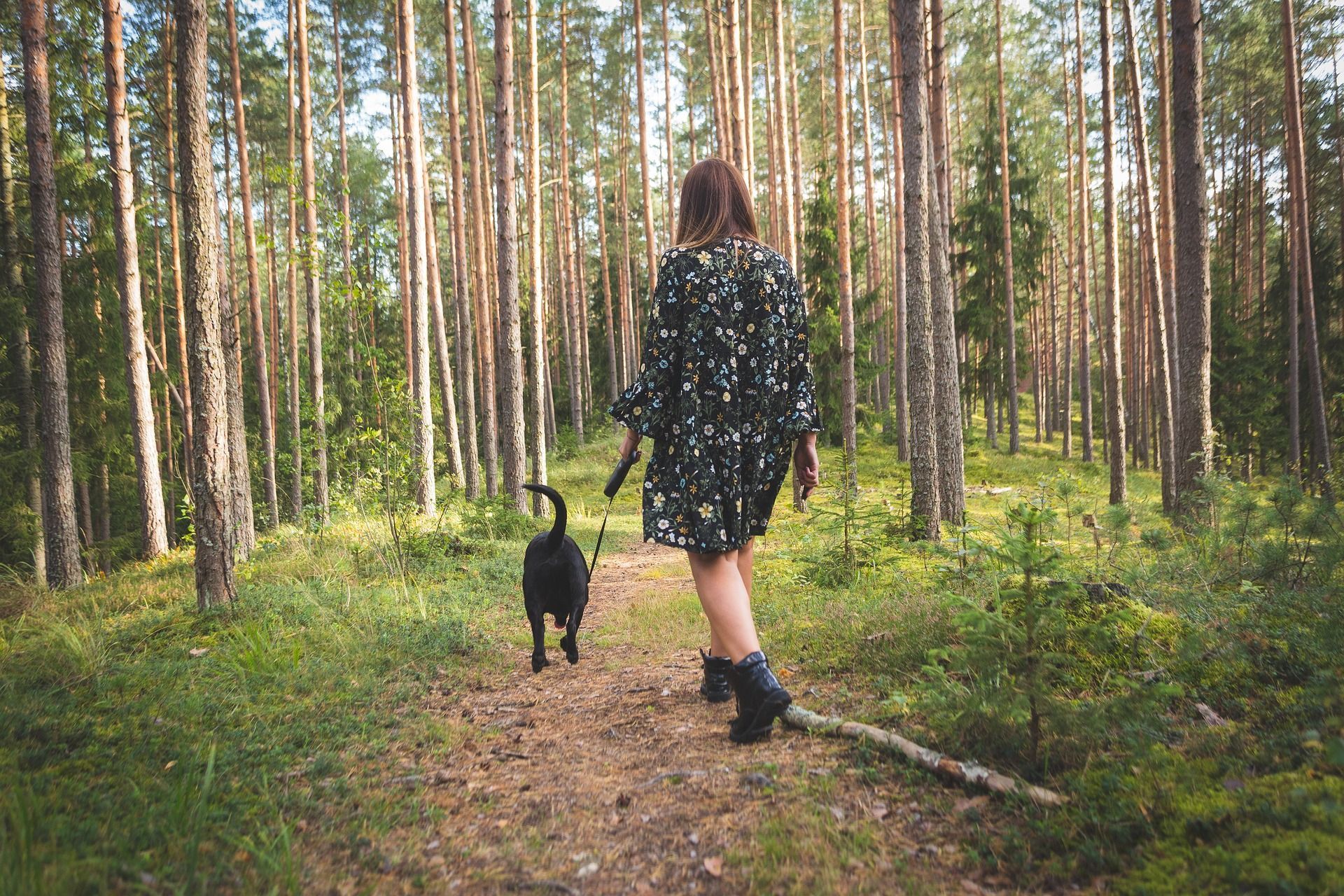
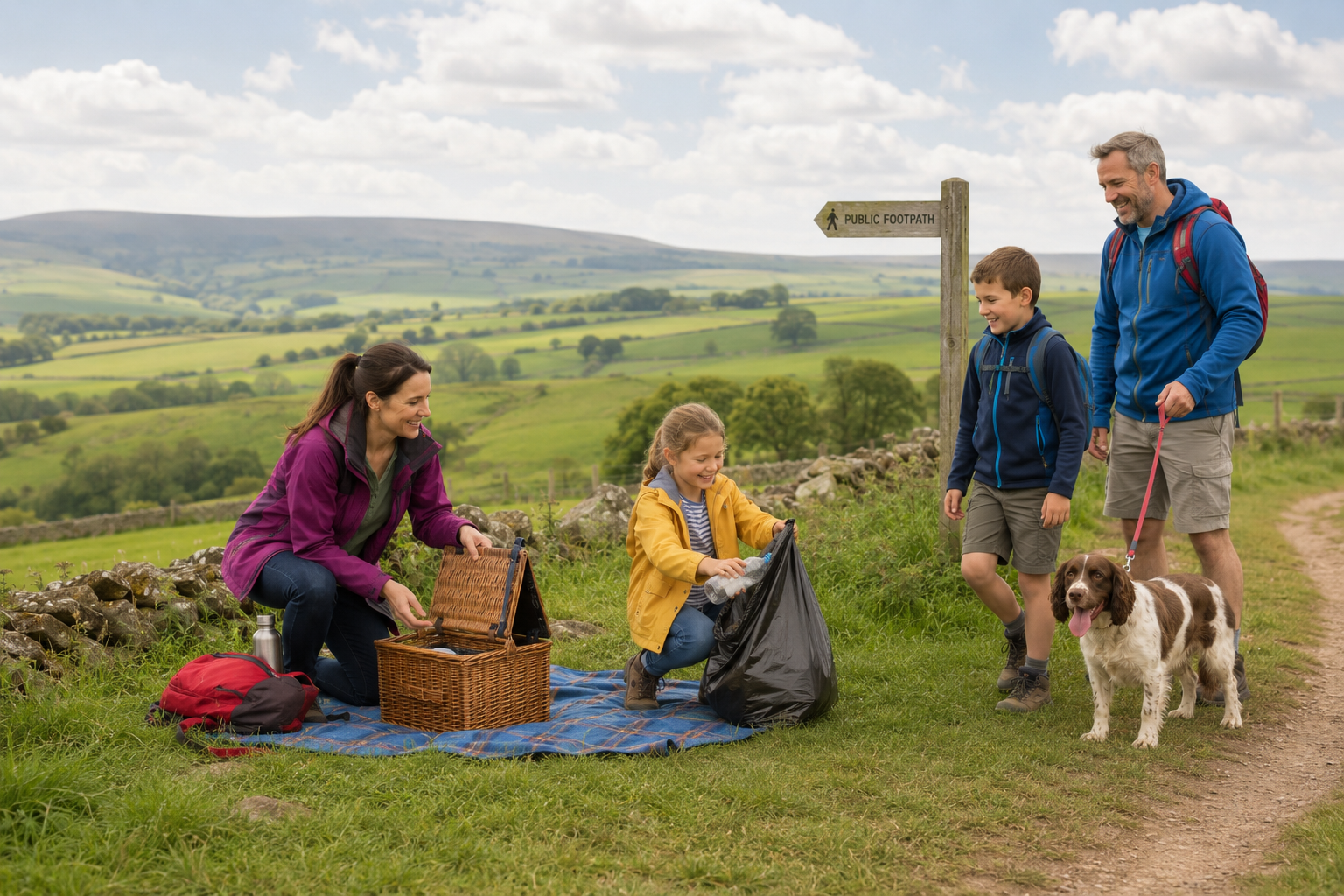
A good family habit is to pack a spare bag for rubbish before leaving home. Children can be given the job of “litter lookout”, checking the picnic spot before the family moves on. This teaches responsibility without making it feel like a chore. It also helps children understand that beautiful places remain beautiful because people care for them. Dog owners have an extra responsibility in the countryside. Dogs should be kept under control and in sight, especially near livestock, wildlife and other people. Around sheep, cattle, horses and nesting birds, a dog’s instinct to chase can have serious consequences. Even a friendly family pet can frighten animals, disturb ground-nesting birds or cause livestock to panic.
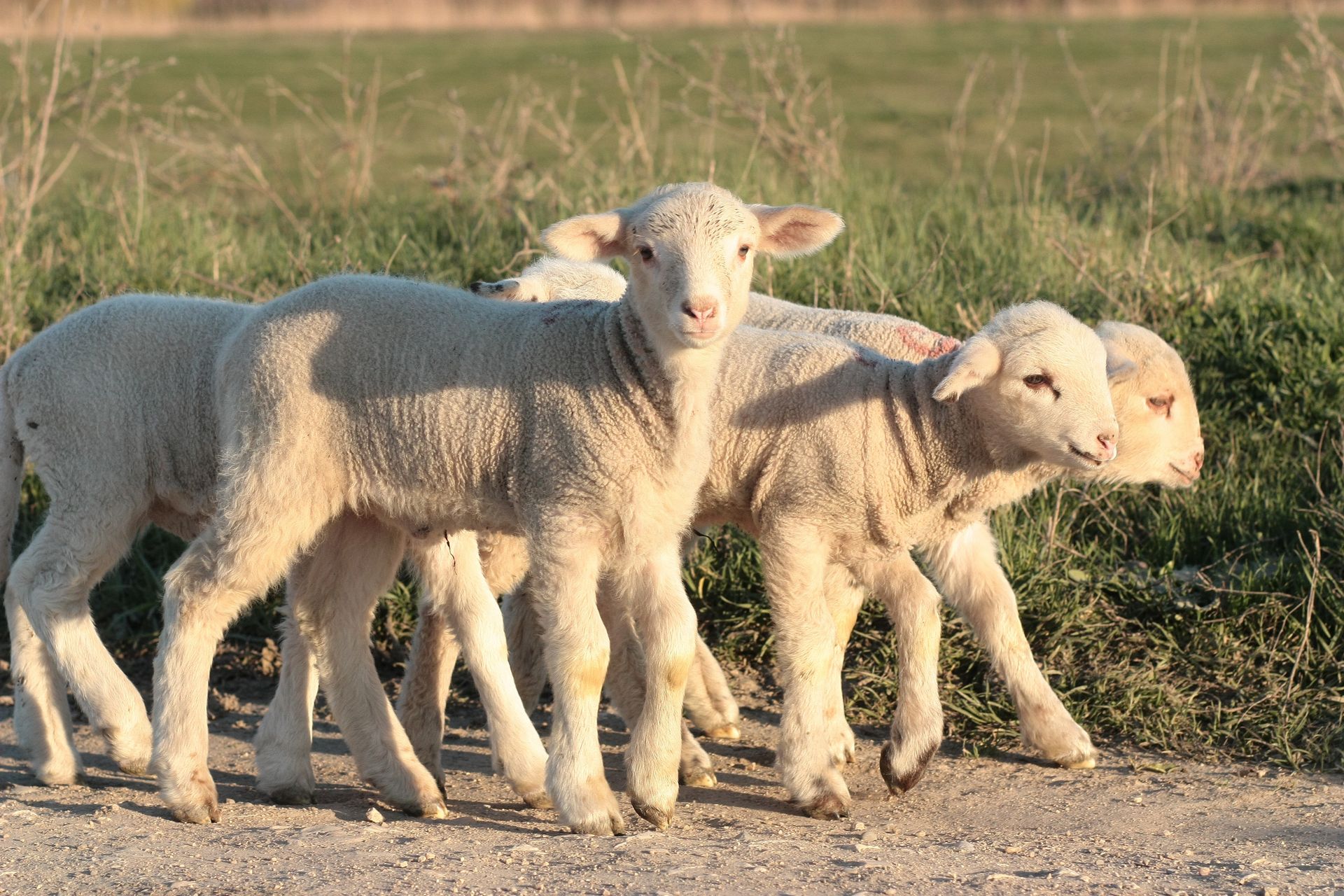
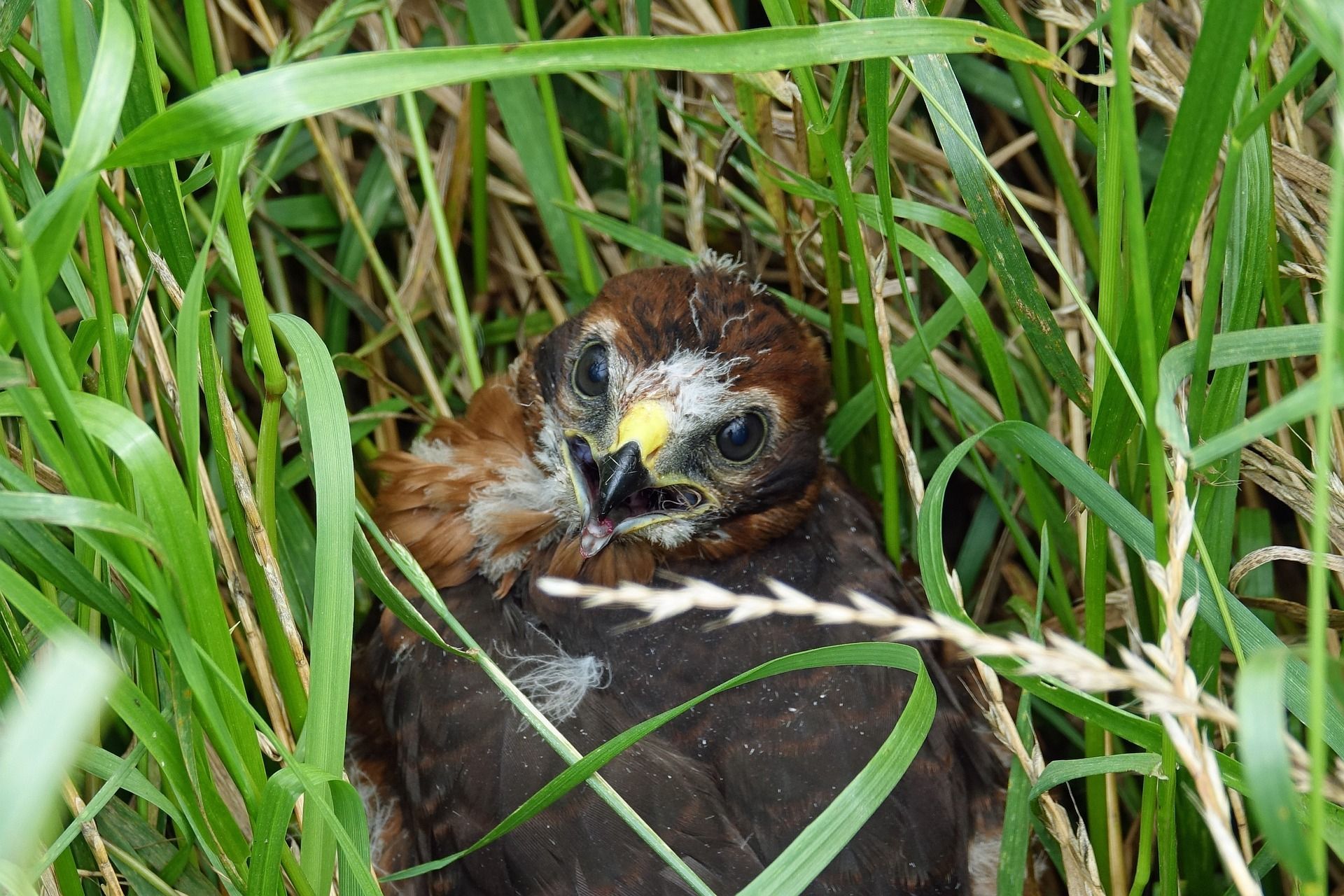
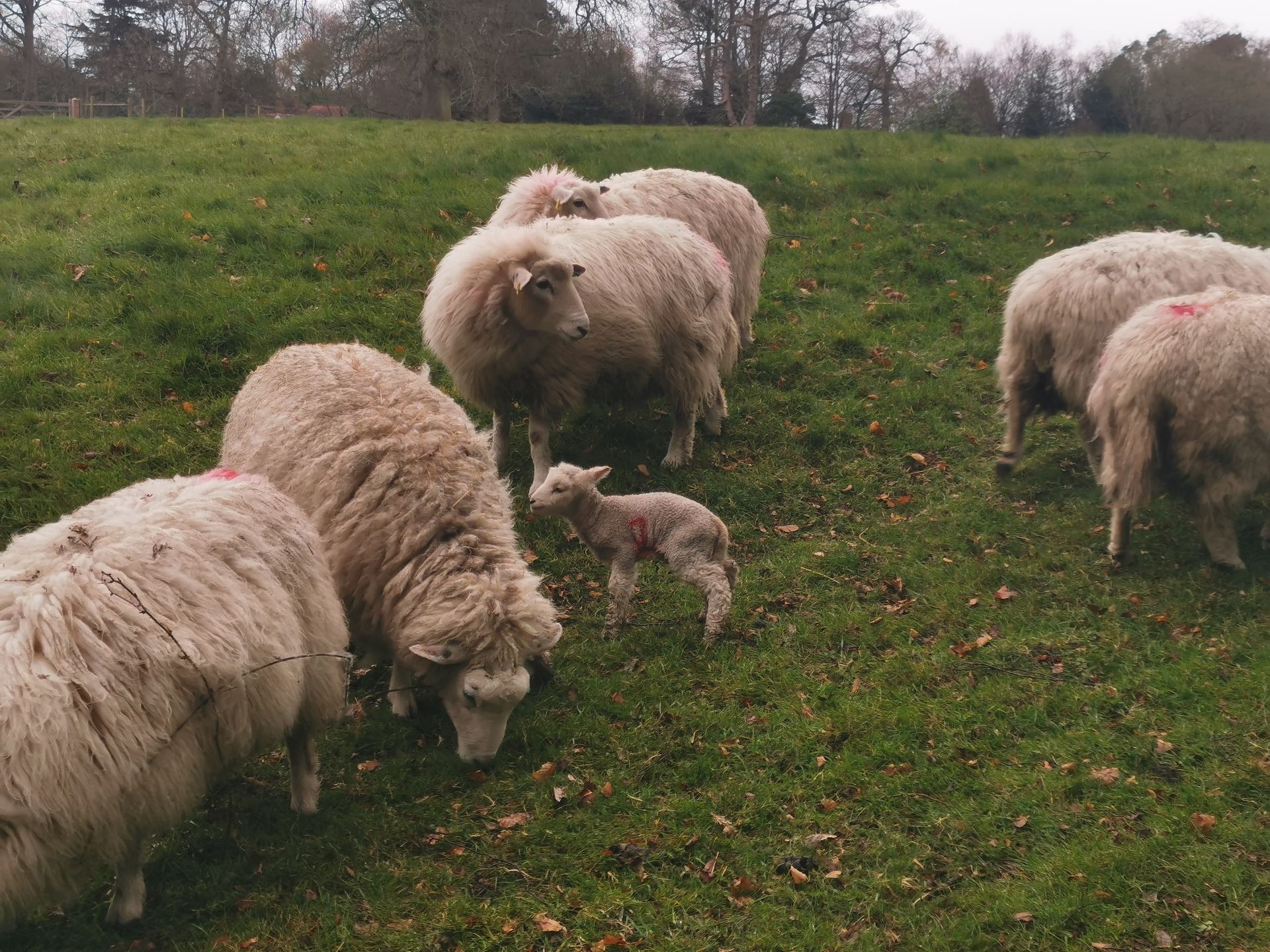
At certain times of year, particularly during lambing season or bird nesting season, keeping dogs on a short lead is not only considerate but essential. Children can help by learning when and why a dog needs to be close. It is not about stopping the dog having fun; it is about making sure everyone else is safe too. Dog mess should always be bagged and binned. Leaving it on paths, in fields or hanging in bags from trees is unpleasant, unsafe and harmful. If there is no bin nearby, the responsible thing is to carry it home. It may not be the glamorous side of countryside life, but it is one of the most important.
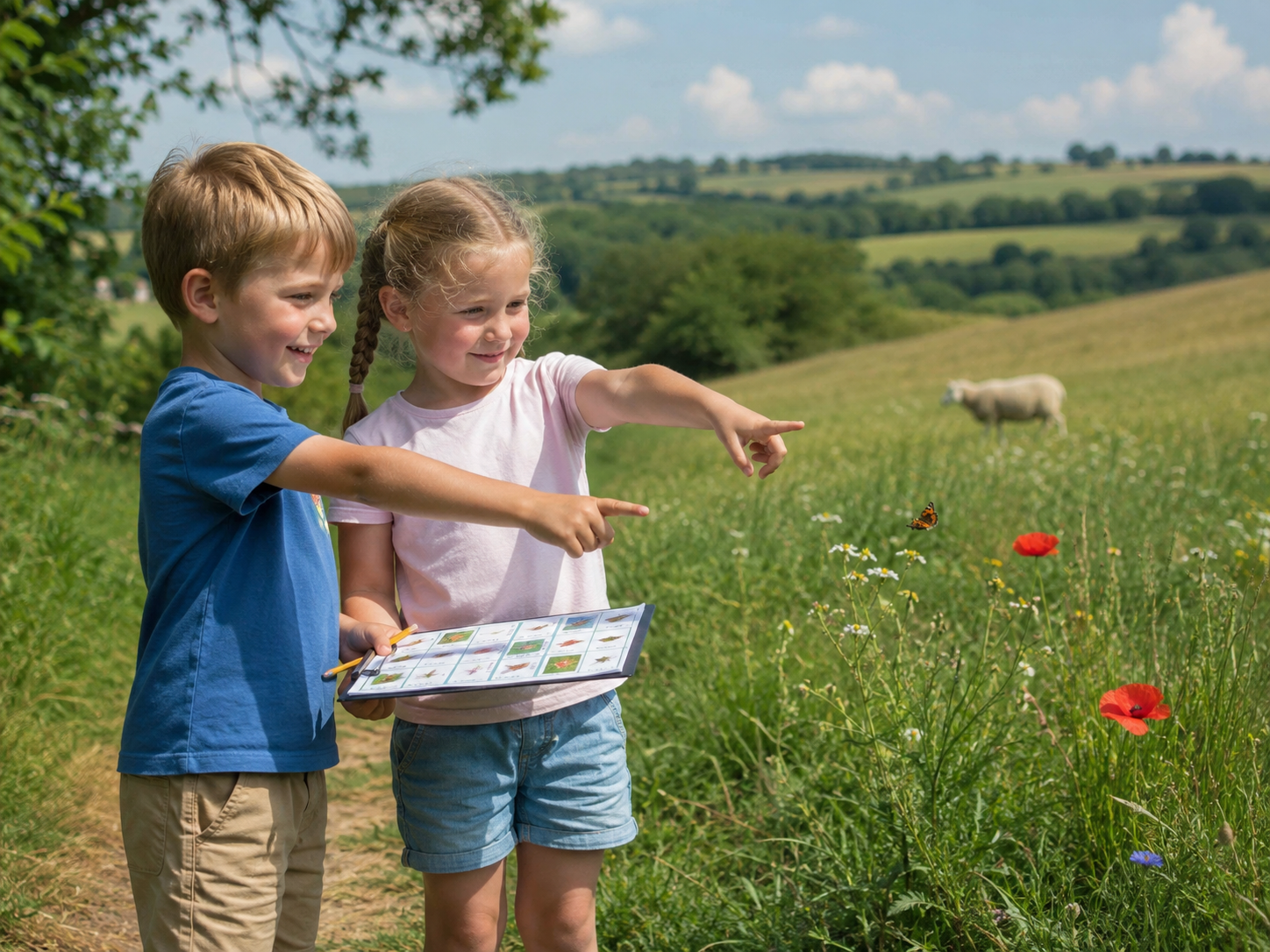
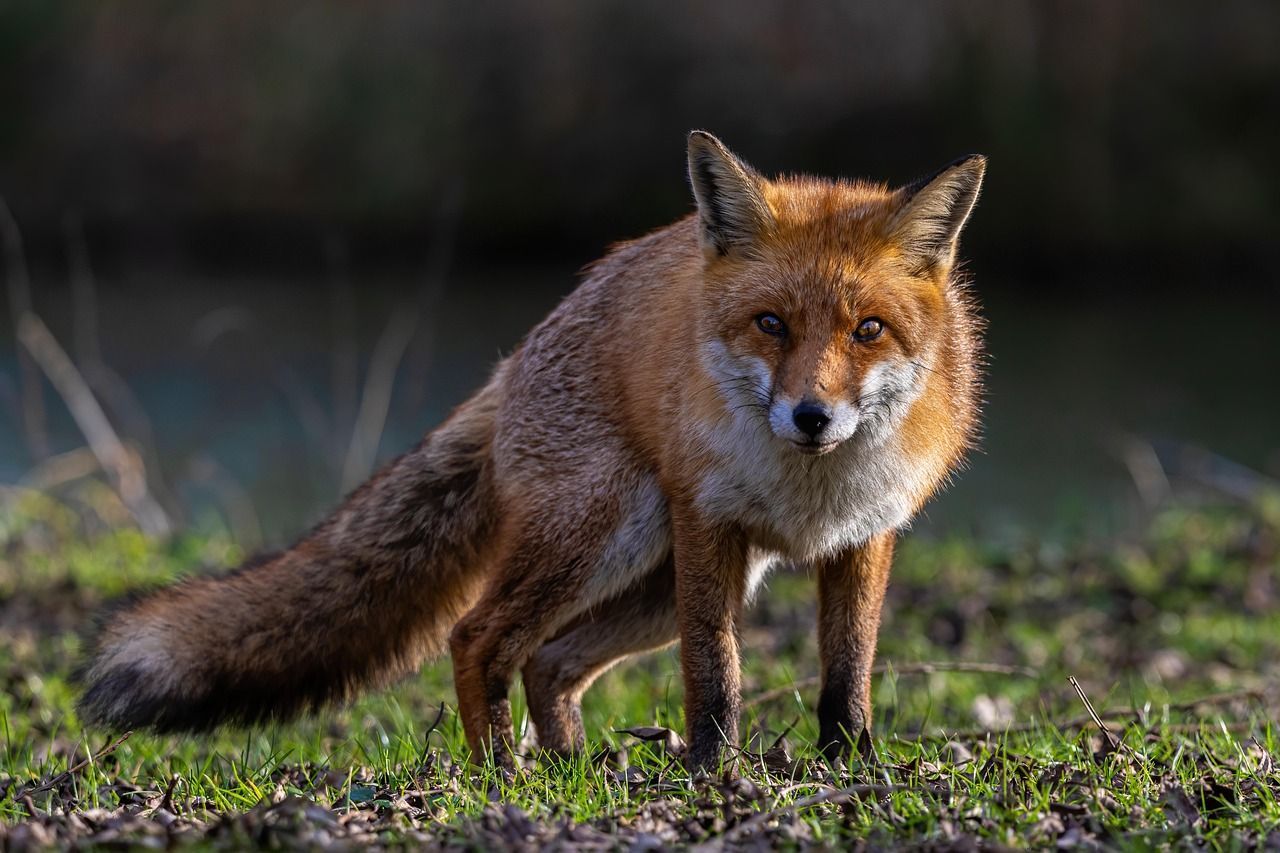
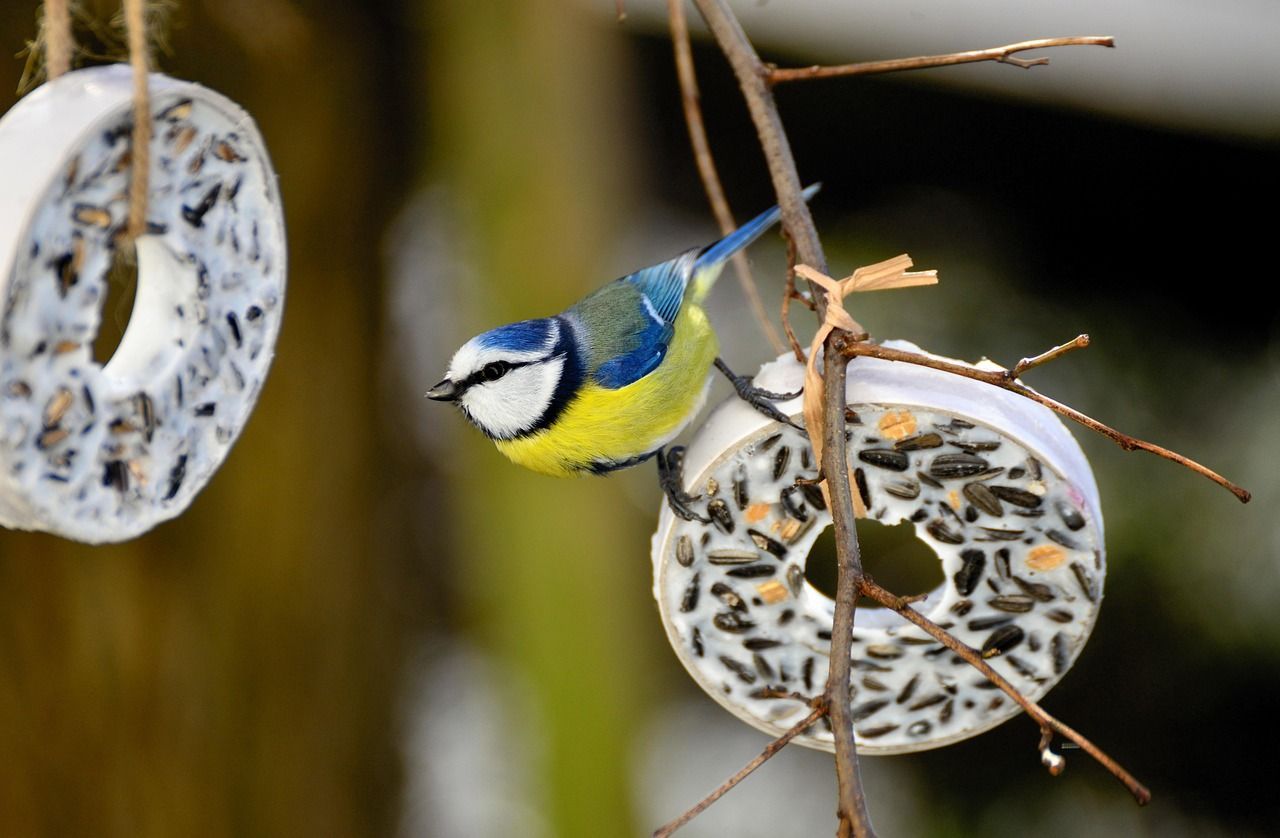
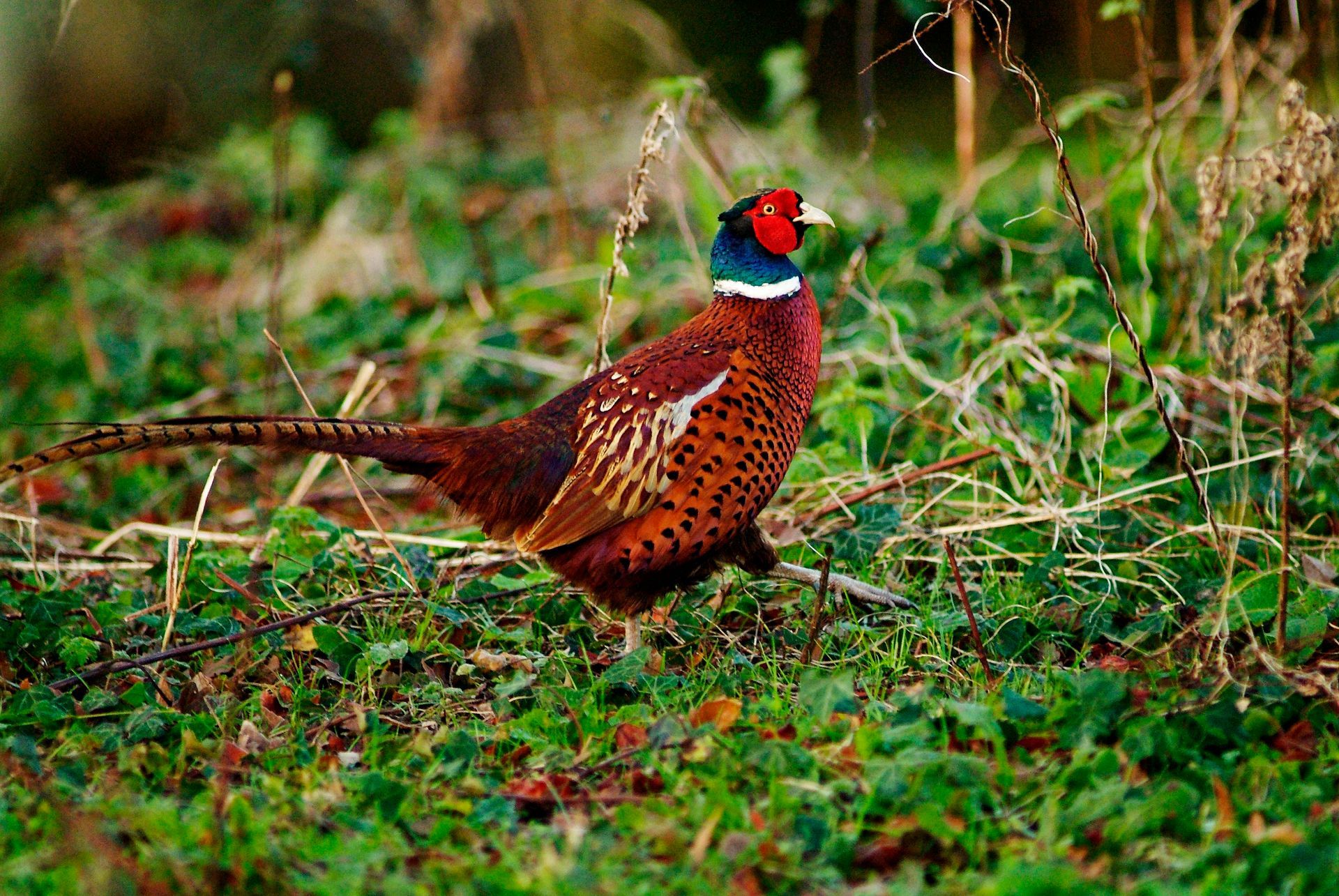
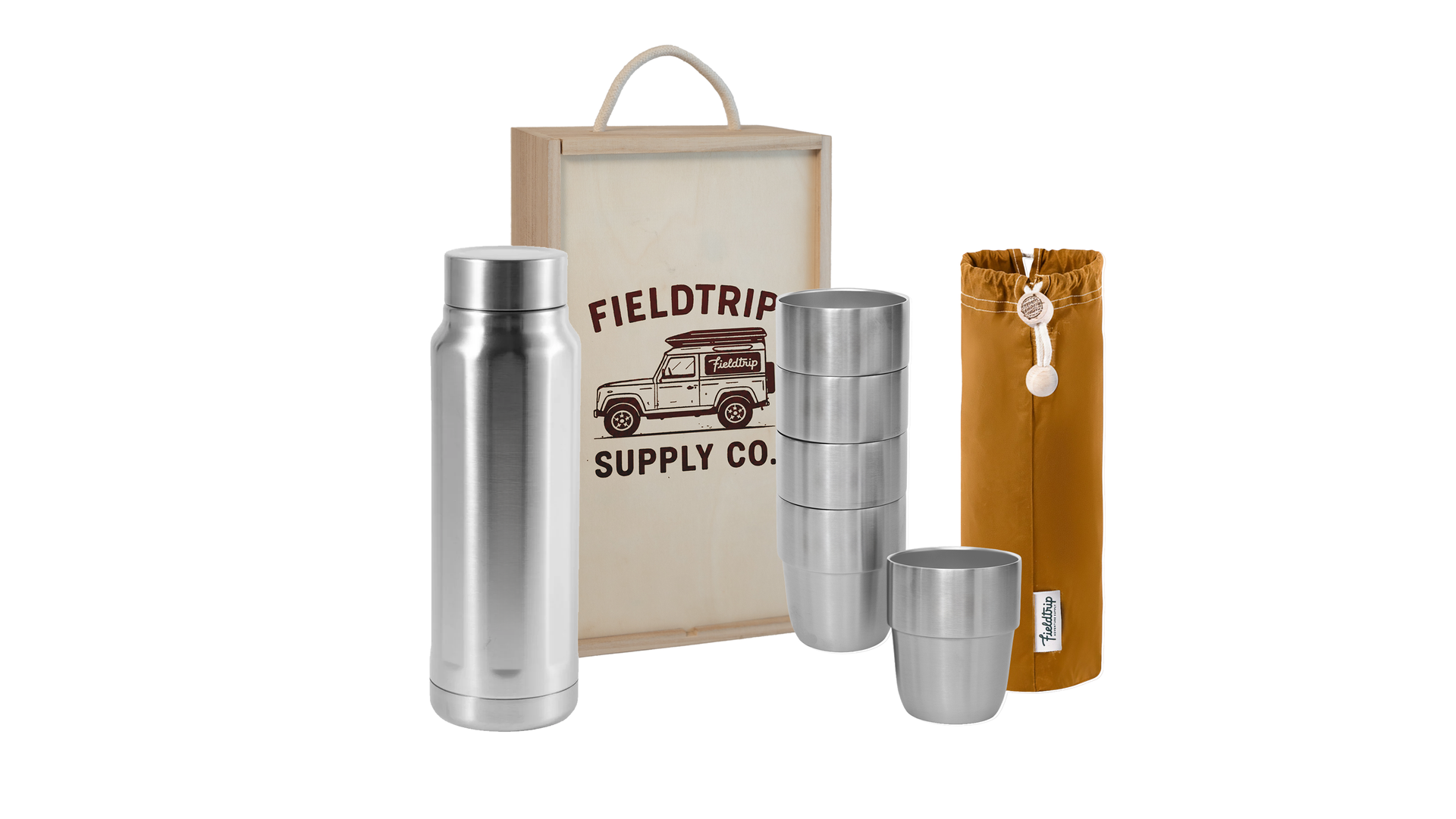
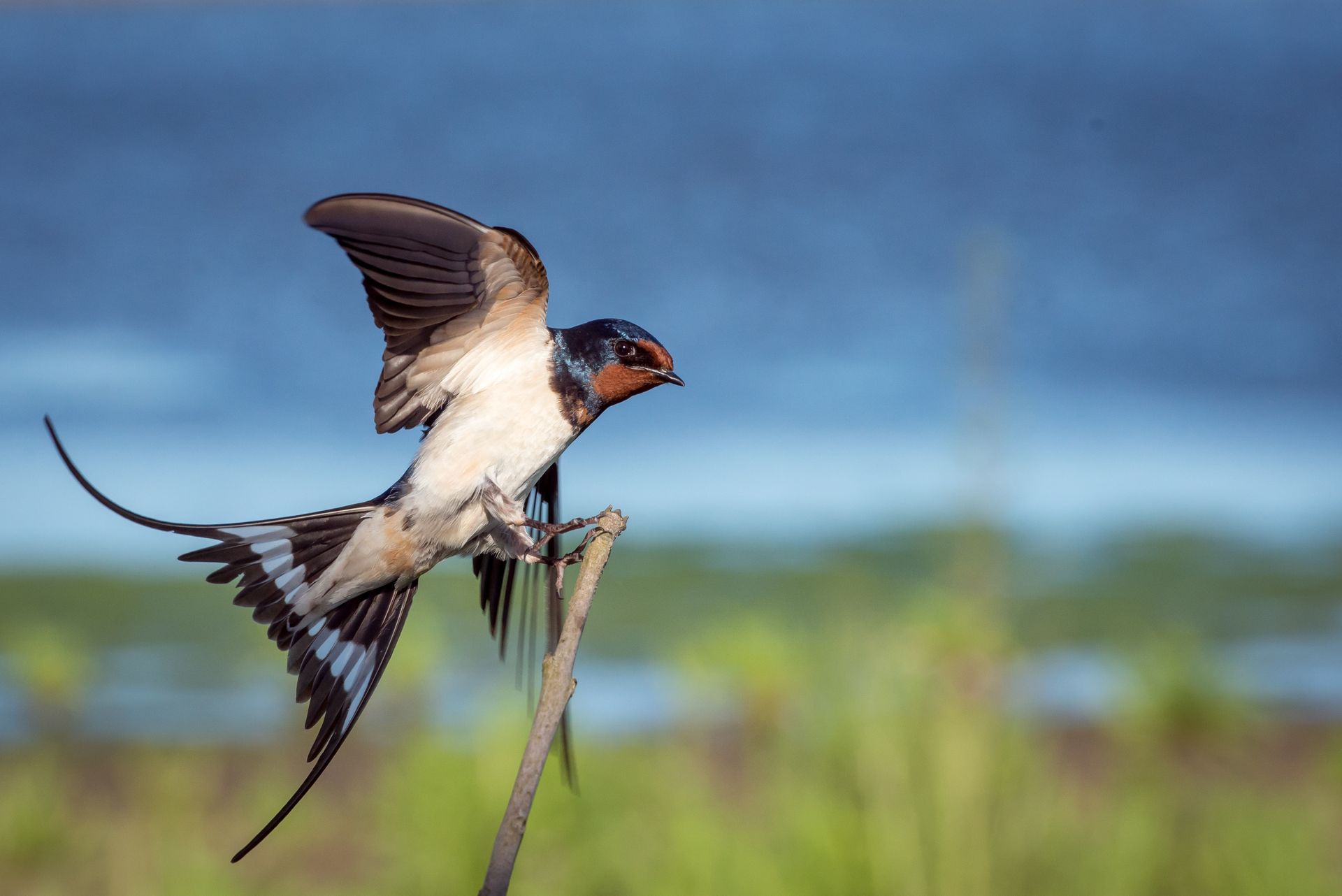
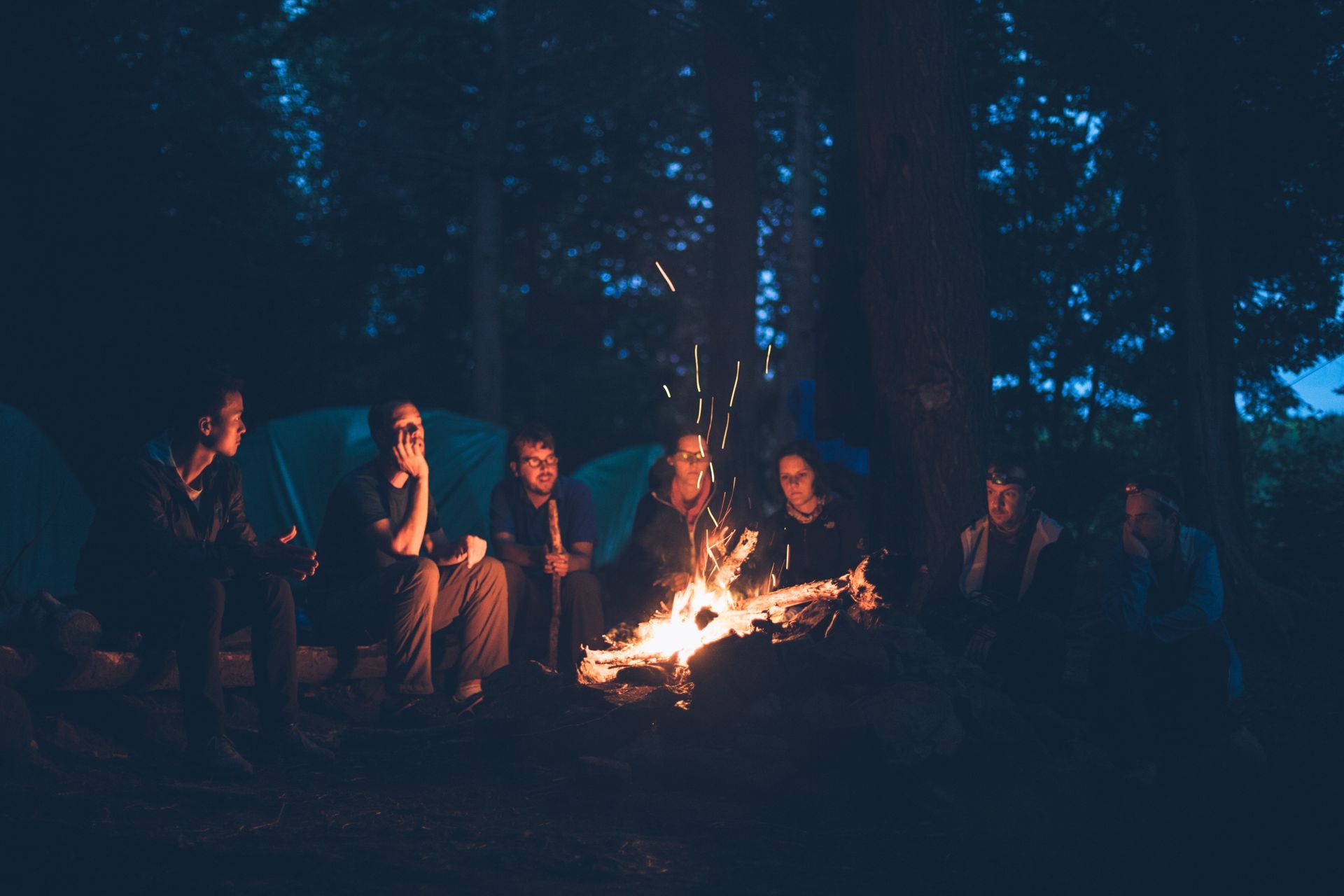
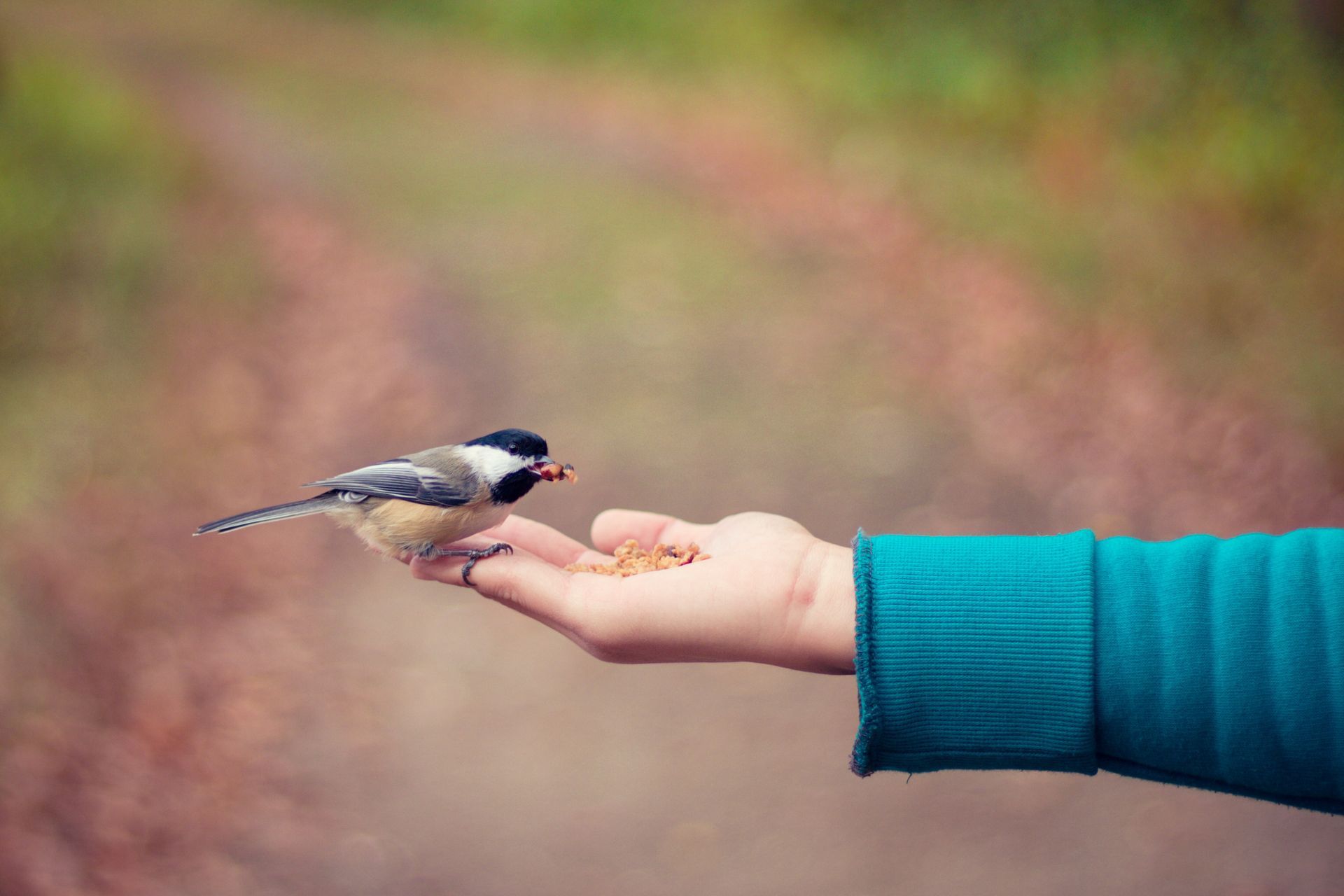
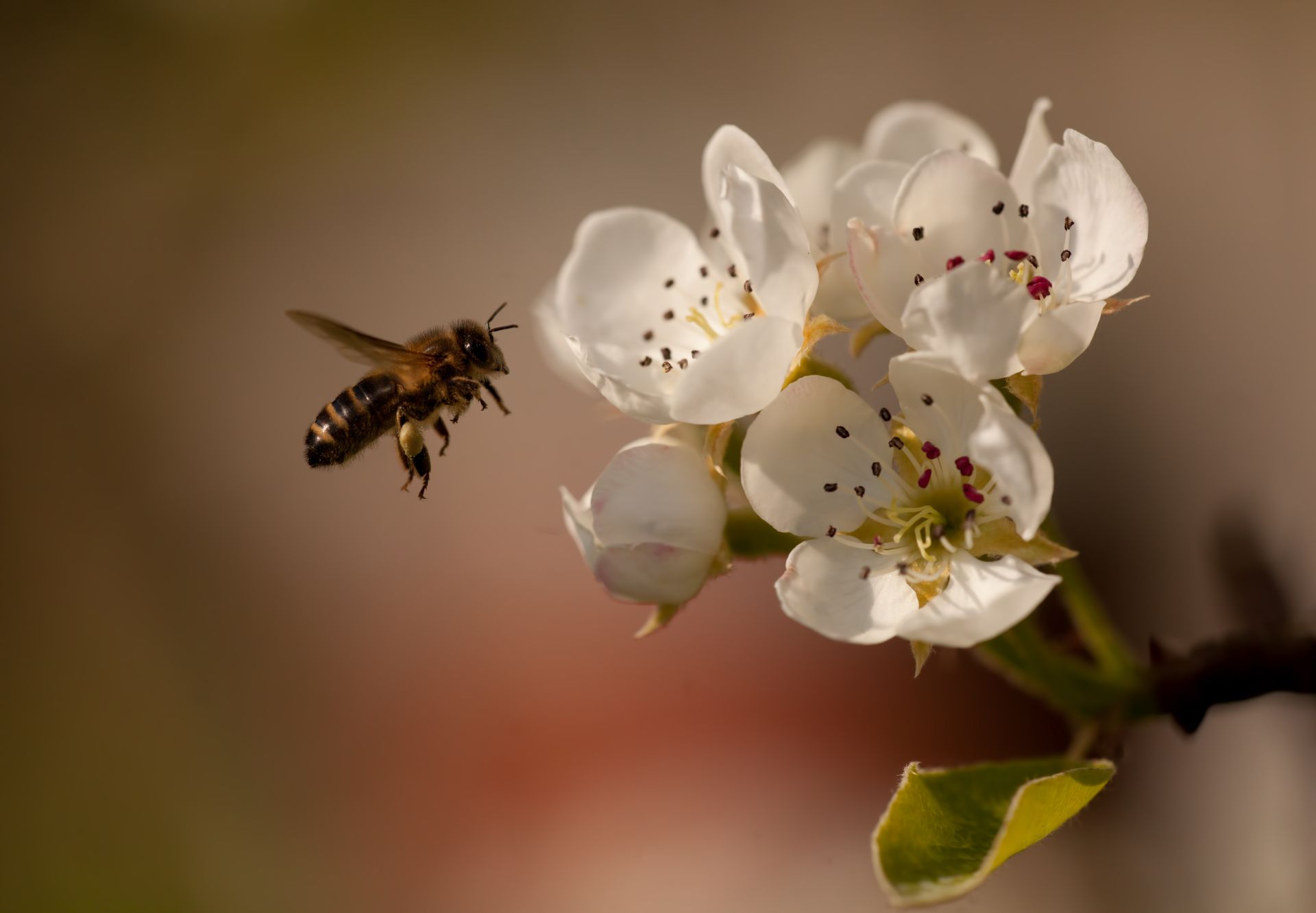
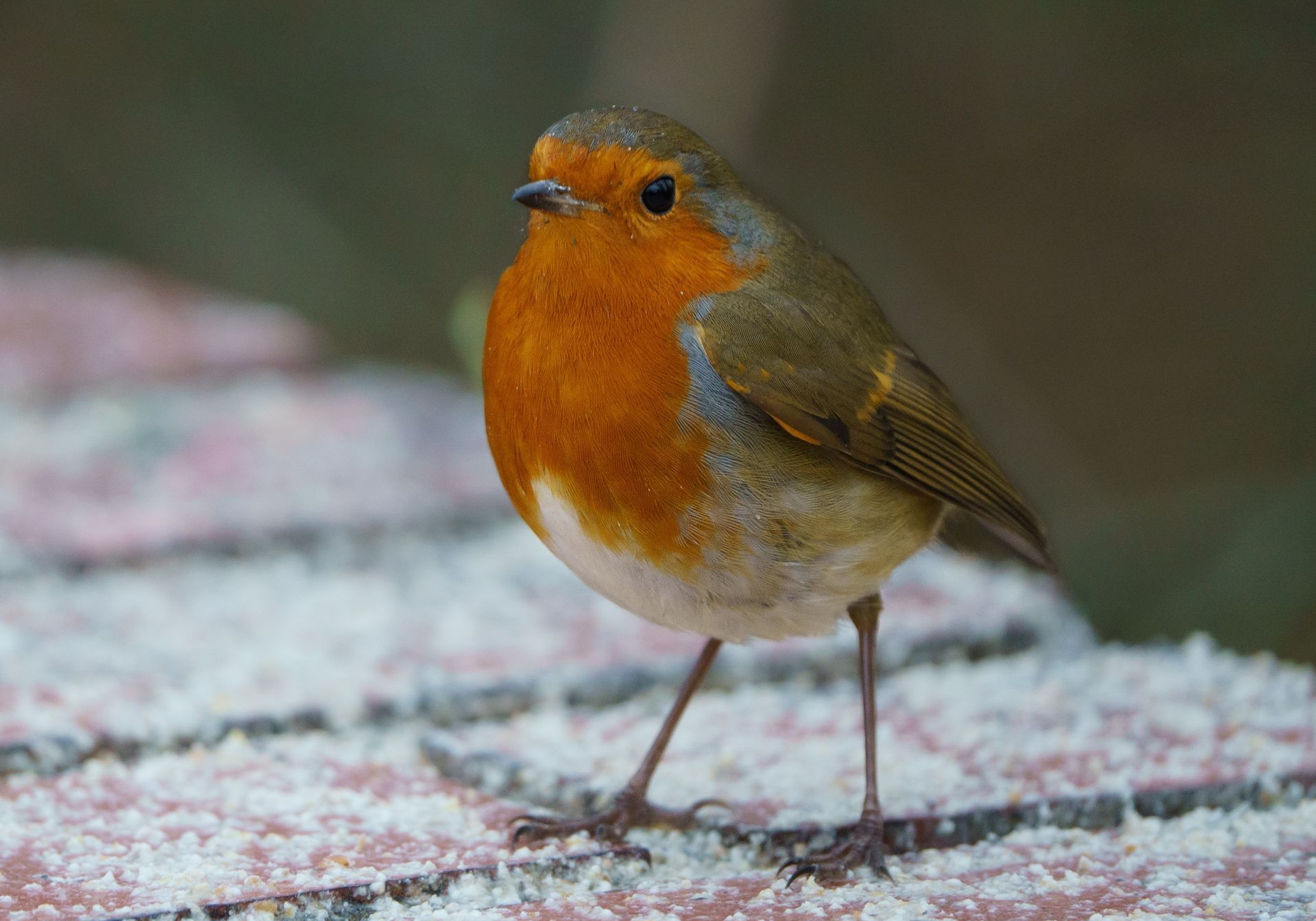
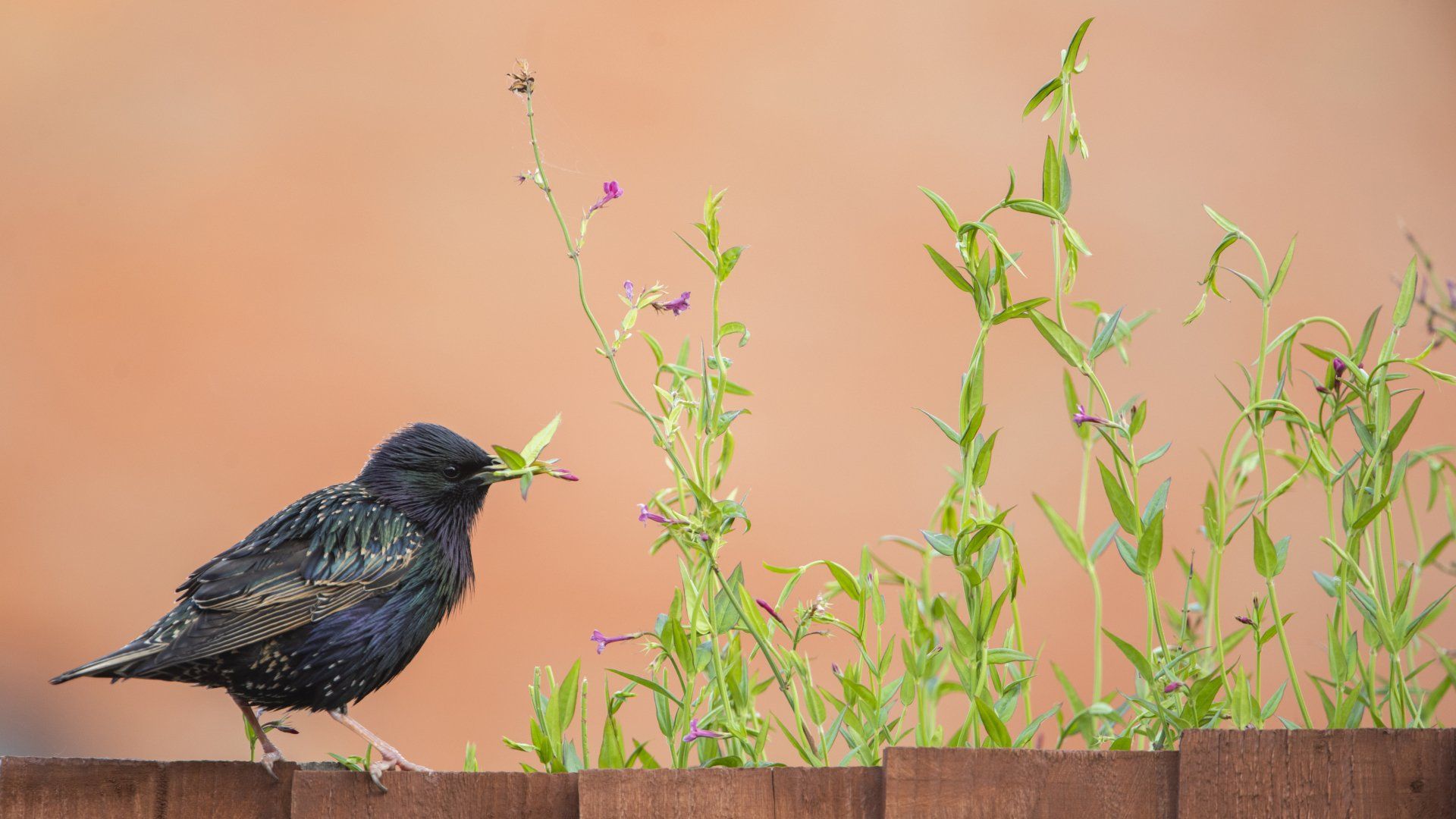
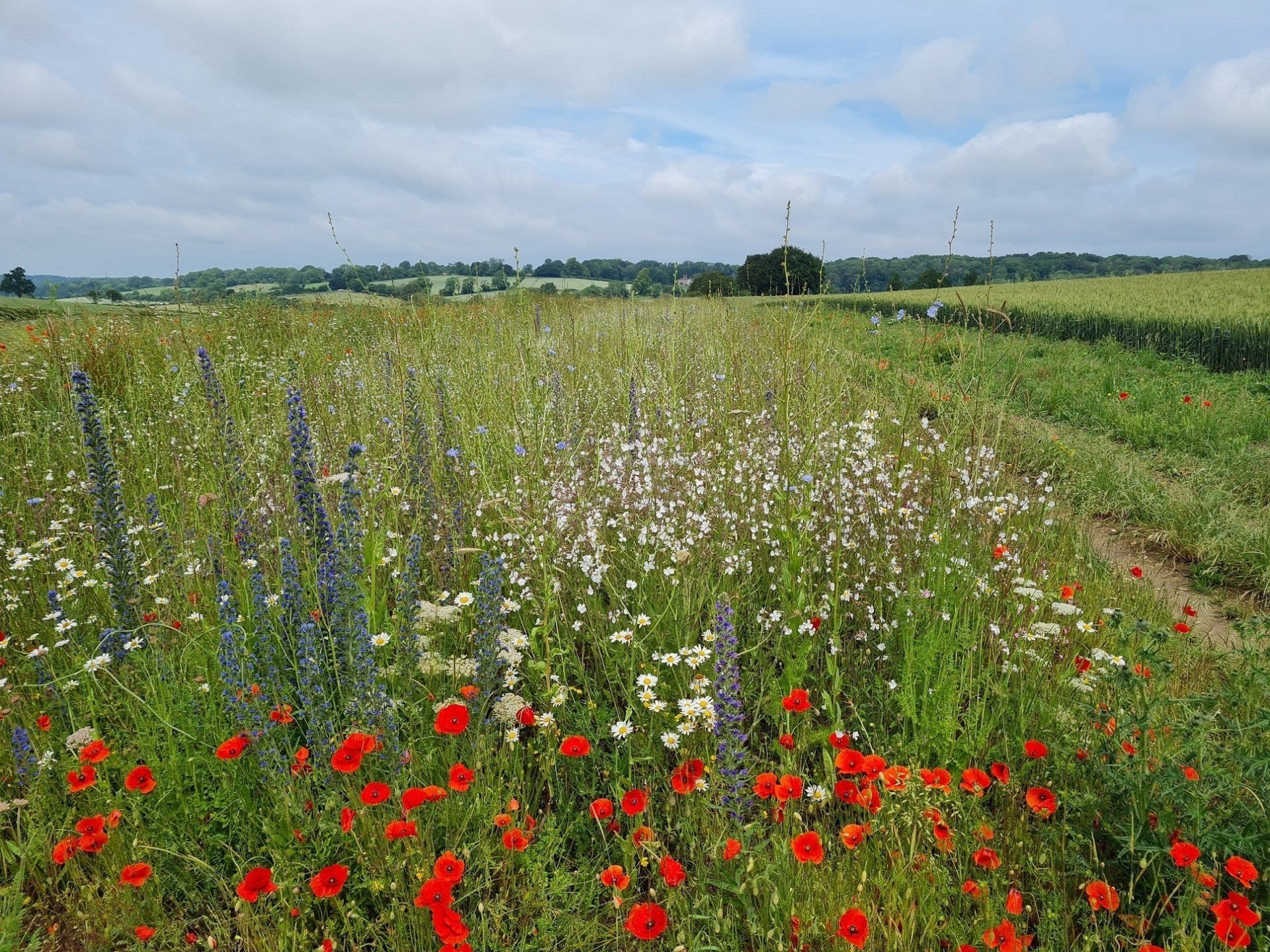
Families should also take care not to disturb wildlife. Children are often fascinated by birds, insects, frogs, butterflies and small mammals, and that curiosity should be encouraged. But looking is better than touching. Nests should be left alone. Wildflowers should be admired rather than picked. Stones and logs can be gently lifted to look for insects, but they should be put back exactly as they were. Every small place may be a home. Fires and barbecues are another important part of the Code. A disposable barbecue may seem like an easy addition to a picnic, but in dry weather it can cause devastating fires. Grass, heathland, woodland and moorland can catch quickly, and fires can spread faster than many people imagine. The safest approach is to avoid lighting fires or barbecues unless signs clearly say they are allowed. A flask, sandwiches and a well-packed picnic are kinder to the countryside and far less risky.
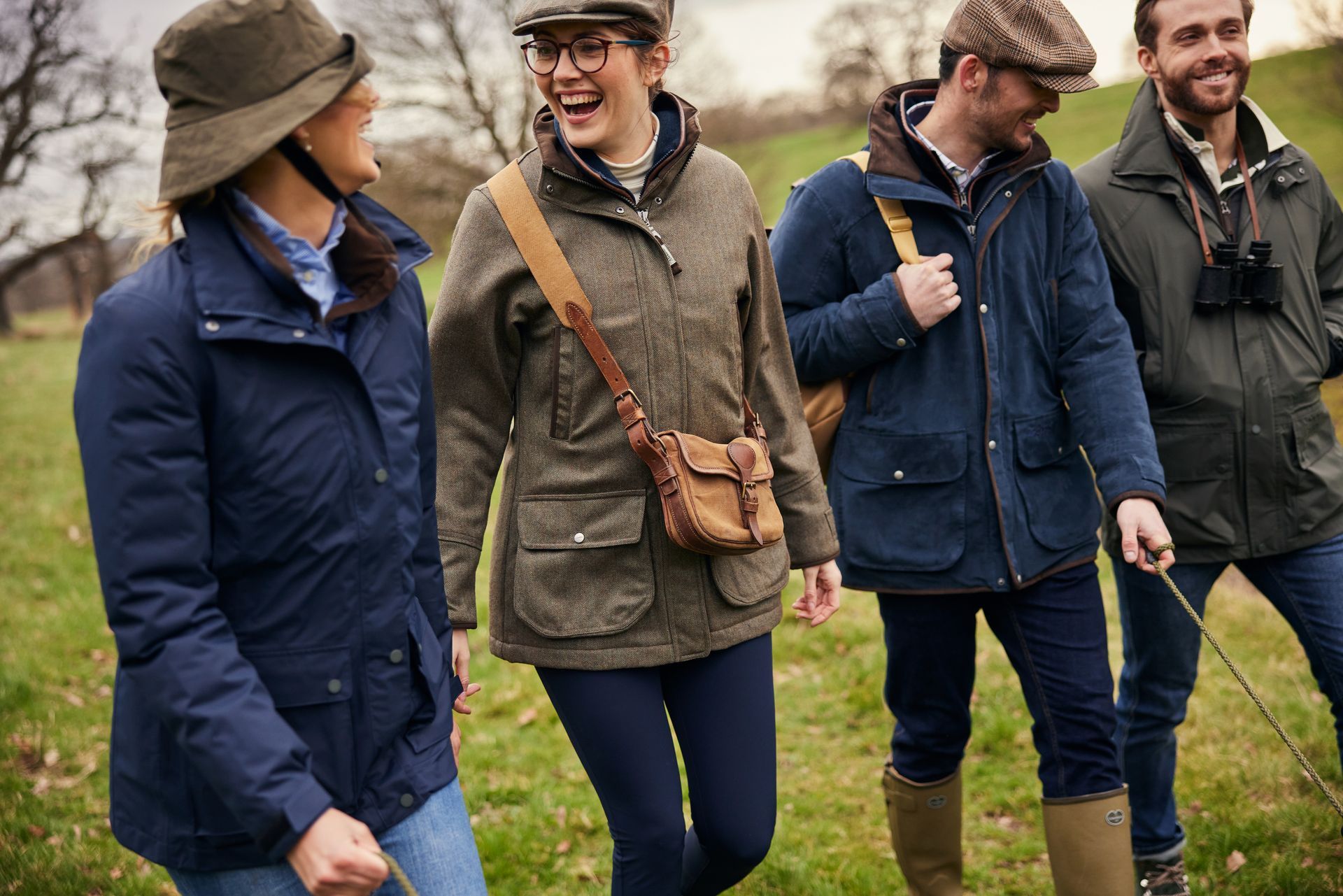
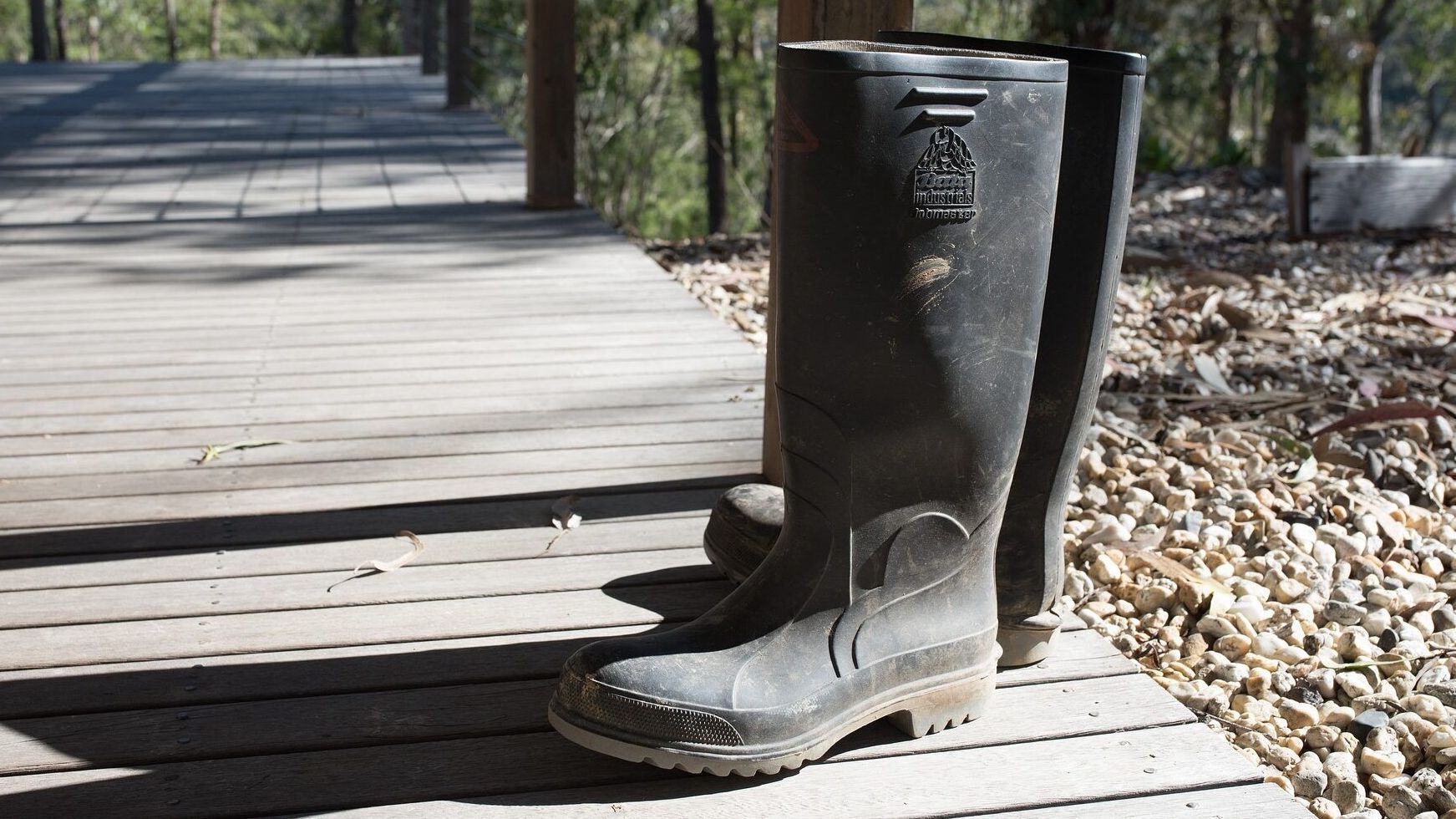
Enjoying the outdoors responsibly also means being prepared. The British countryside can change quickly. A sunny morning can become a wet afternoon, paths can be muddy, mobile phone signal can disappear, and a short walk can feel much longer with tired children. Families should take water, snacks, suitable footwear, layers of clothing and a simple idea of the route before setting off. It is also sensible to check the weather, know roughly how long a walk will take and choose routes that suit the youngest or least confident member of the group. A successful family countryside day is not measured by miles covered. It is measured by muddy boots, happy faces, interesting discoveries and everyone getting home safely.
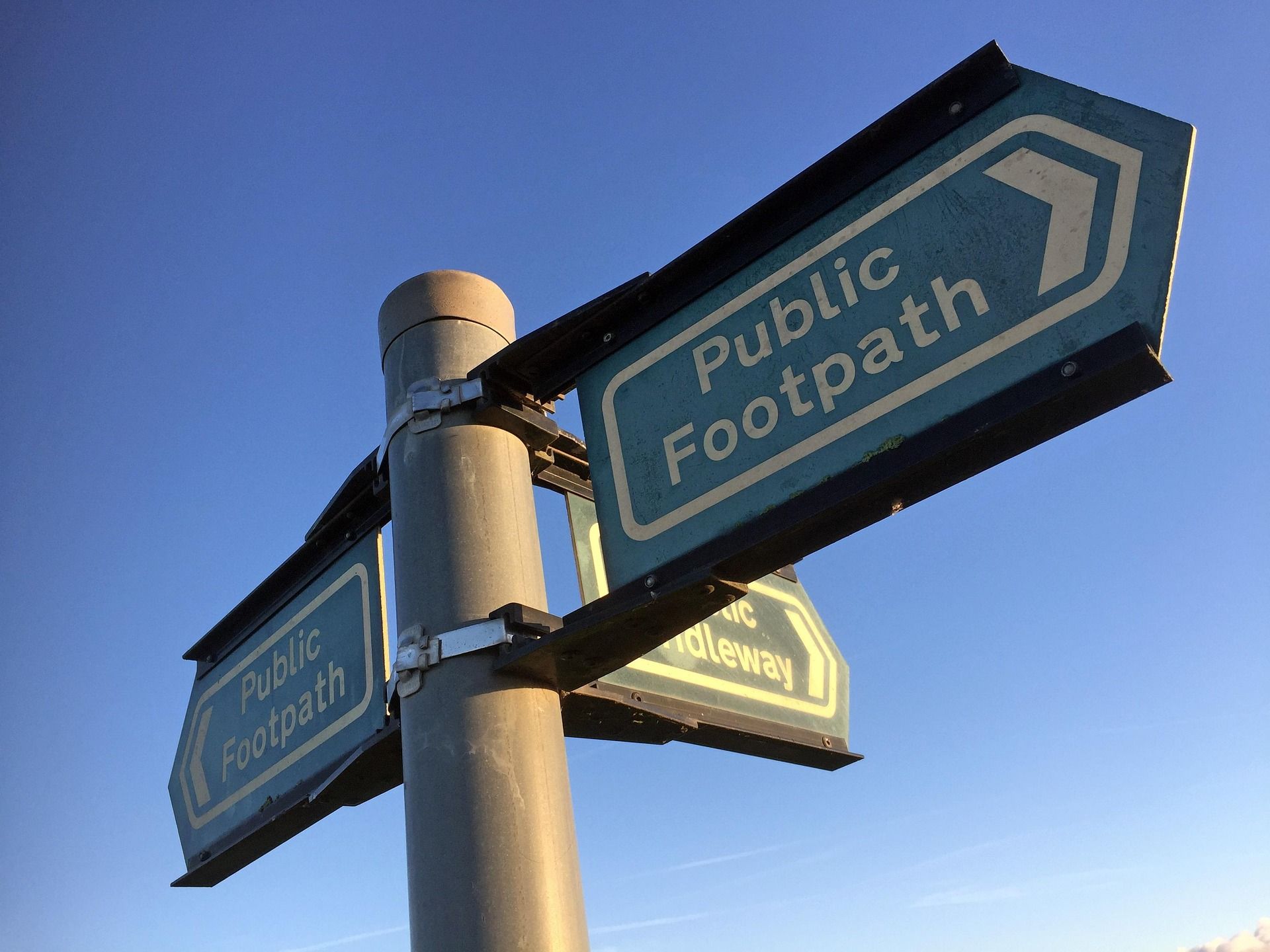
Signs and symbols are part of countryside life, and children often enjoy learning them. A footpath sign, bridleway marker or warning notice can become part of the day’s adventure. Teaching children to notice and follow signs gives them confidence and helps them understand how different people share outdoor spaces. It also reminds them that the countryside has its own language and rules. One of the most valuable lessons the Countryside Code teaches is that freedom and responsibility go together. We are lucky to have access to footpaths, coast paths, parks, forests, commons and open spaces. But access depends on care. When visitors behave well, they help protect that freedom for everyone.
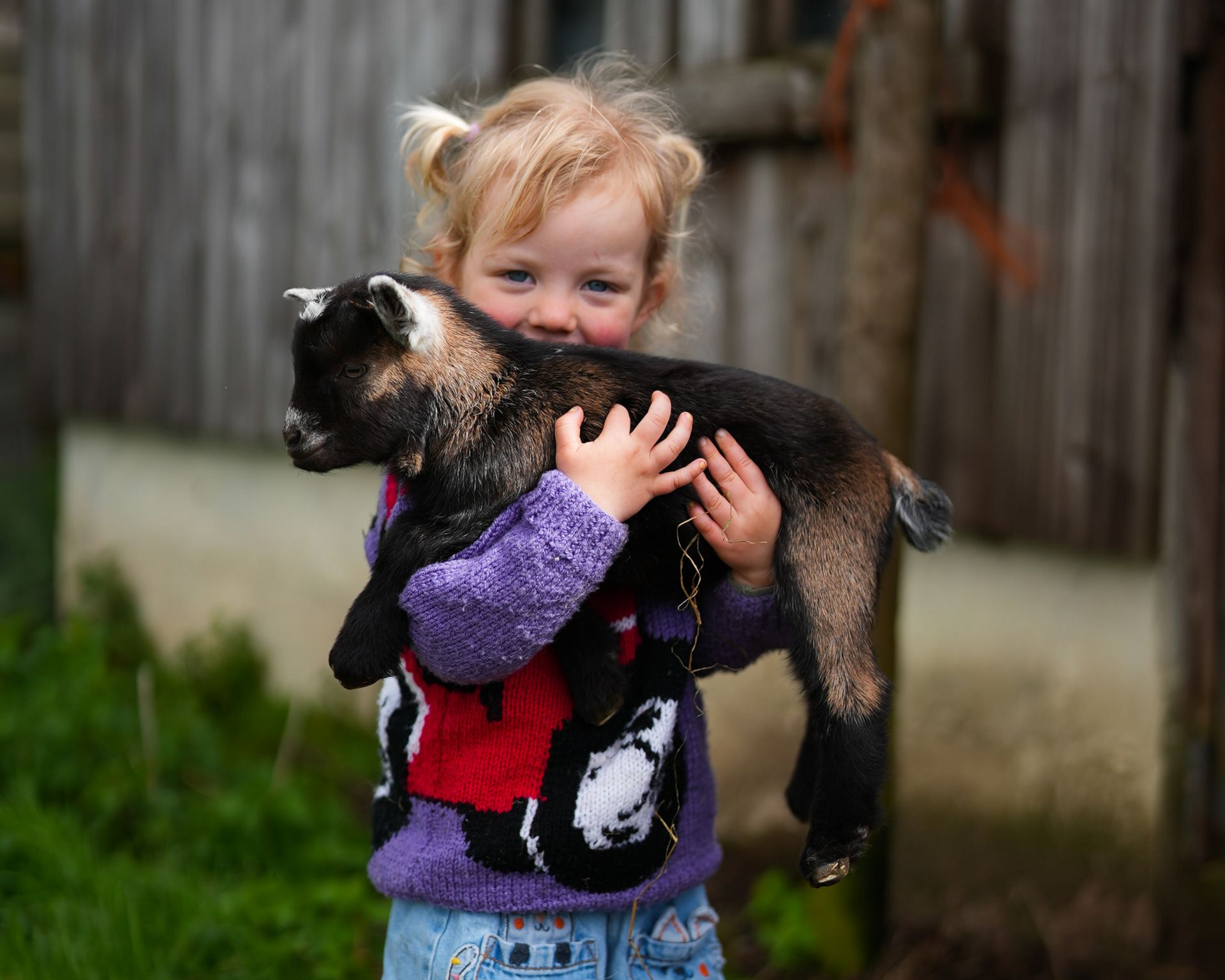
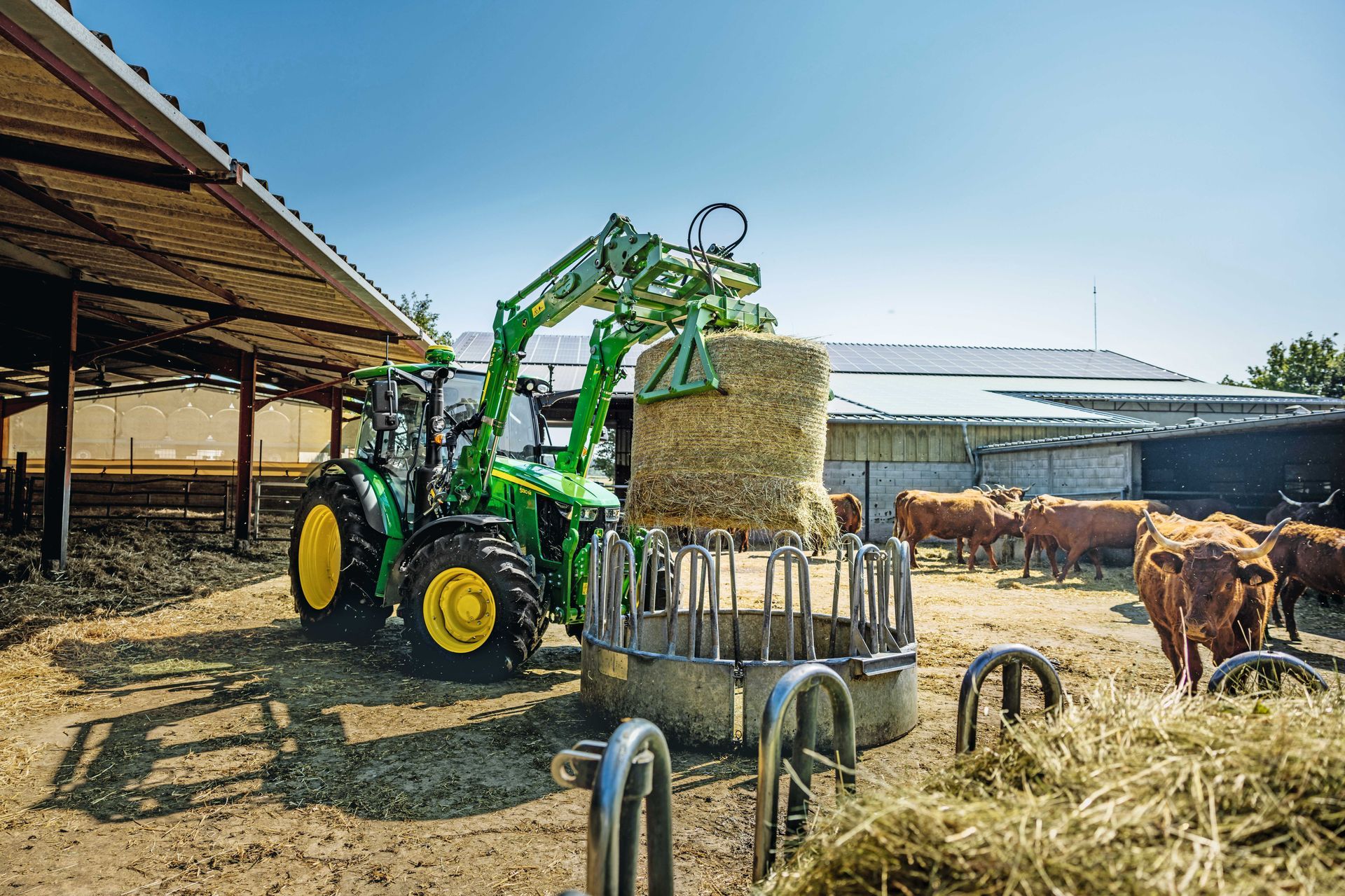
For countryside communities, good visitor behaviour matters. Farmers, landowners, conservationists, rangers and volunteers spend huge amounts of time maintaining paths, caring for habitats, managing livestock and keeping landscapes accessible. A family that closes gates, takes litter home, keeps dogs under control and follows signs is playing its part in that shared effort. For children, these lessons can last a lifetime. A child who learns not to drop litter on a woodland walk may grow into an adult who cares deeply about the environment. A child who understands why dogs must be kept away from sheep may develop respect for farming and rural life. A child who learns to watch wildlife quietly may discover a lifelong love of nature.
The countryside does not need families to be perfect. It simply asks them to be thoughtful. To pause at a gate. To read a sign. To pick up after themselves. To give animals space. To remember that every field, path and hedgerow is part of something bigger. So next time you head out with boots, coats, snacks and excited children in tow, take a moment to talk about the Countryside Code. Make it part of the adventure. Ask who can spot the first footpath sign.
Let children check that the picnic spot is left tidy. Remind them that gates have a job to do, birds need quiet places to nest, and farmers need their land to be respected. The countryside is one of our greatest shared treasures. It gives us space to breathe, room to play, places to learn and memories to keep. By respecting everyone, protecting the environment and enjoying the outdoors responsibly, families can help ensure that these landscapes remain welcoming, working and wild for generations to come..
Read more: