Pigs on the Plot: A Smallholder’s Guide
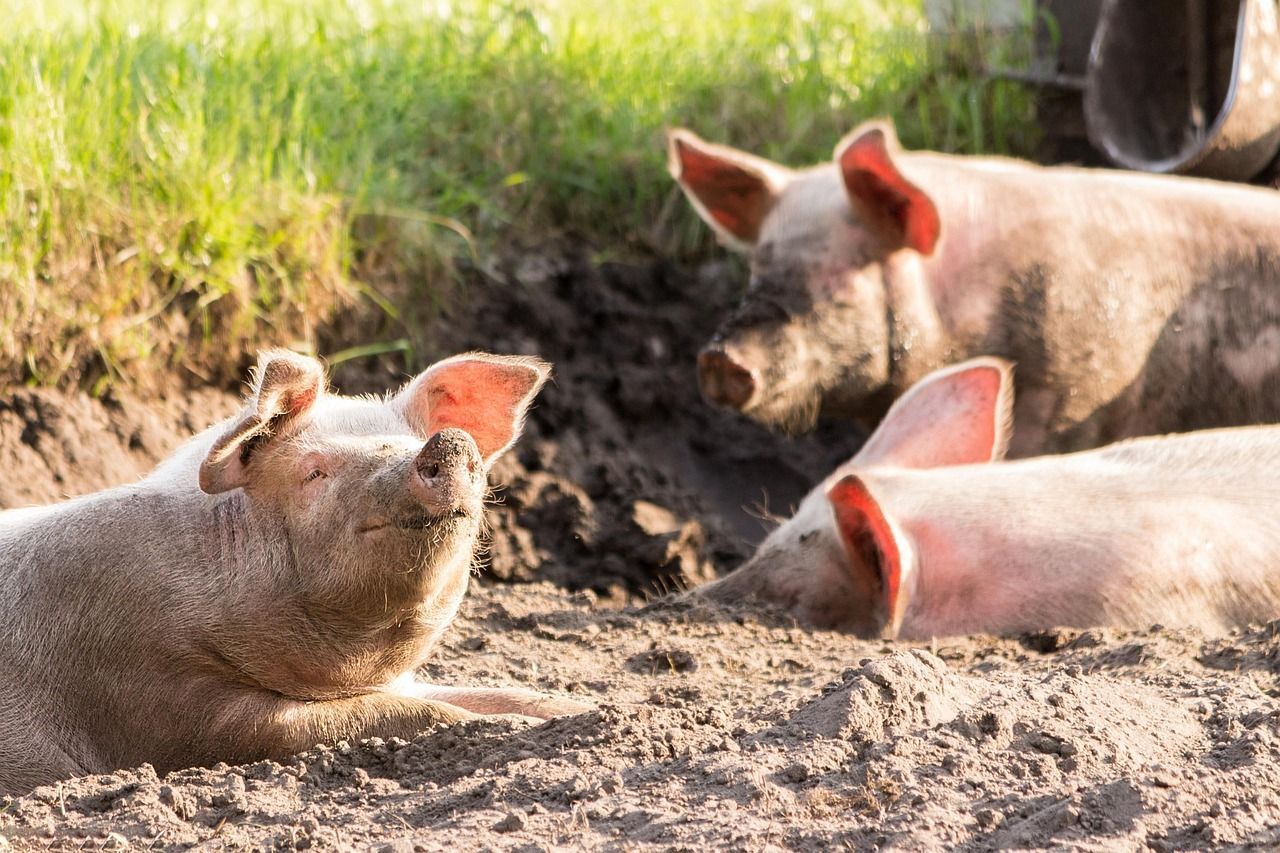

For many smallholders across the UK, keeping pigs is one of the most rewarding ventures. These intelligent, characterful animals not only provide delicious meat but also play a useful role in managing land, recycling waste, and enriching the smallholding experience. However, pig keeping is not a decision to be taken lightly. It requires knowledge, commitment, and a clear understanding of regulations before you even bring your first piglet home.
Getting Started: Regulations and Responsibilities
Before buying pigs, the first step is registering with the Rural Payments Agency (RPA) to obtain a County Parish Holding (CPH) number. You’ll also need a herd mark, issued by your local Animal Health Office, for identification purposes. Each movement of pigs must be logged through the Animal Reporting and Movement Service (ARAMS), ensuring traceability and disease control. It’s vital to understand that keeping pigs in the UK is highly regulated for good reason—disease outbreaks such as African Swine Fever are taken extremely seriously.
Choosing the Right Breed
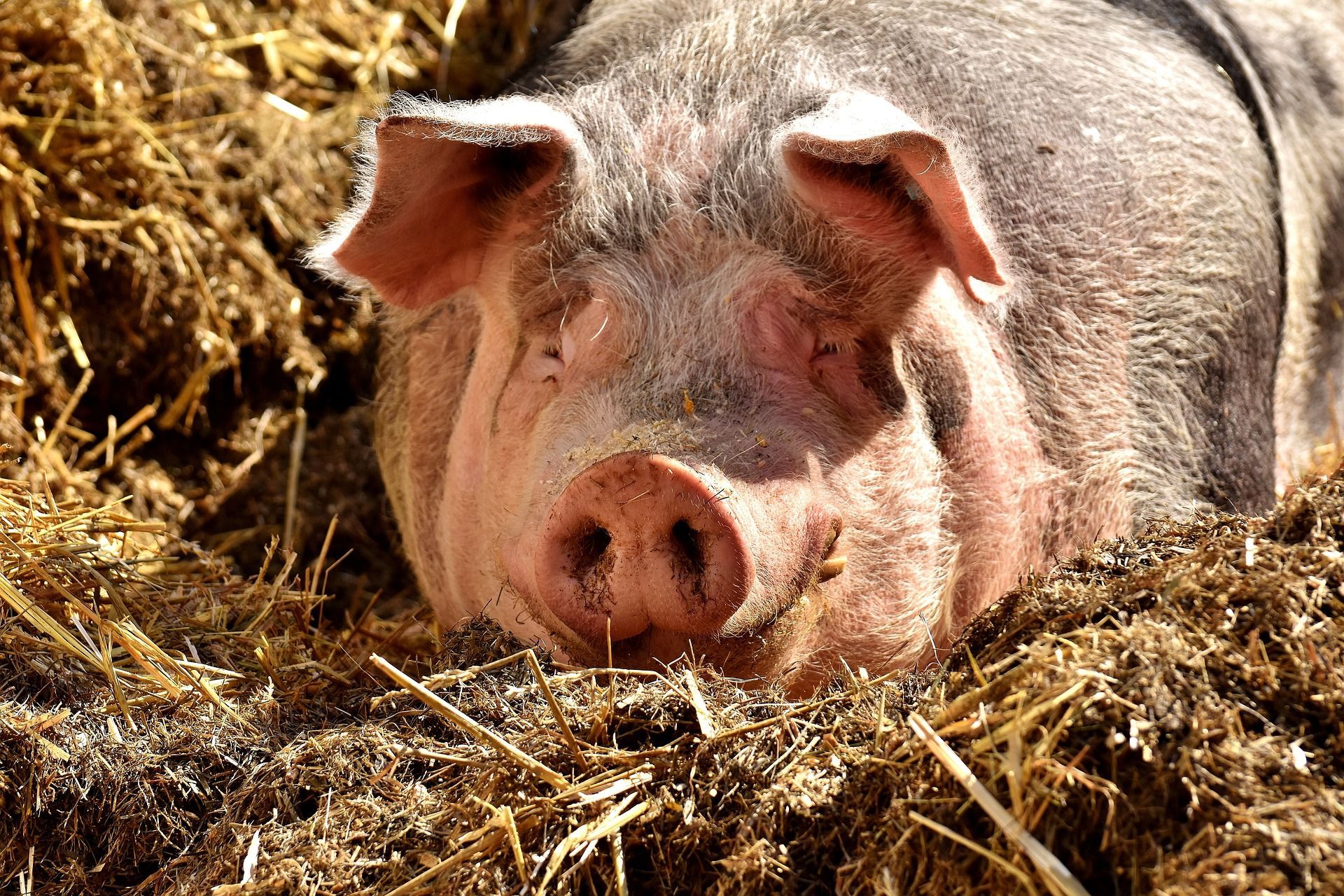
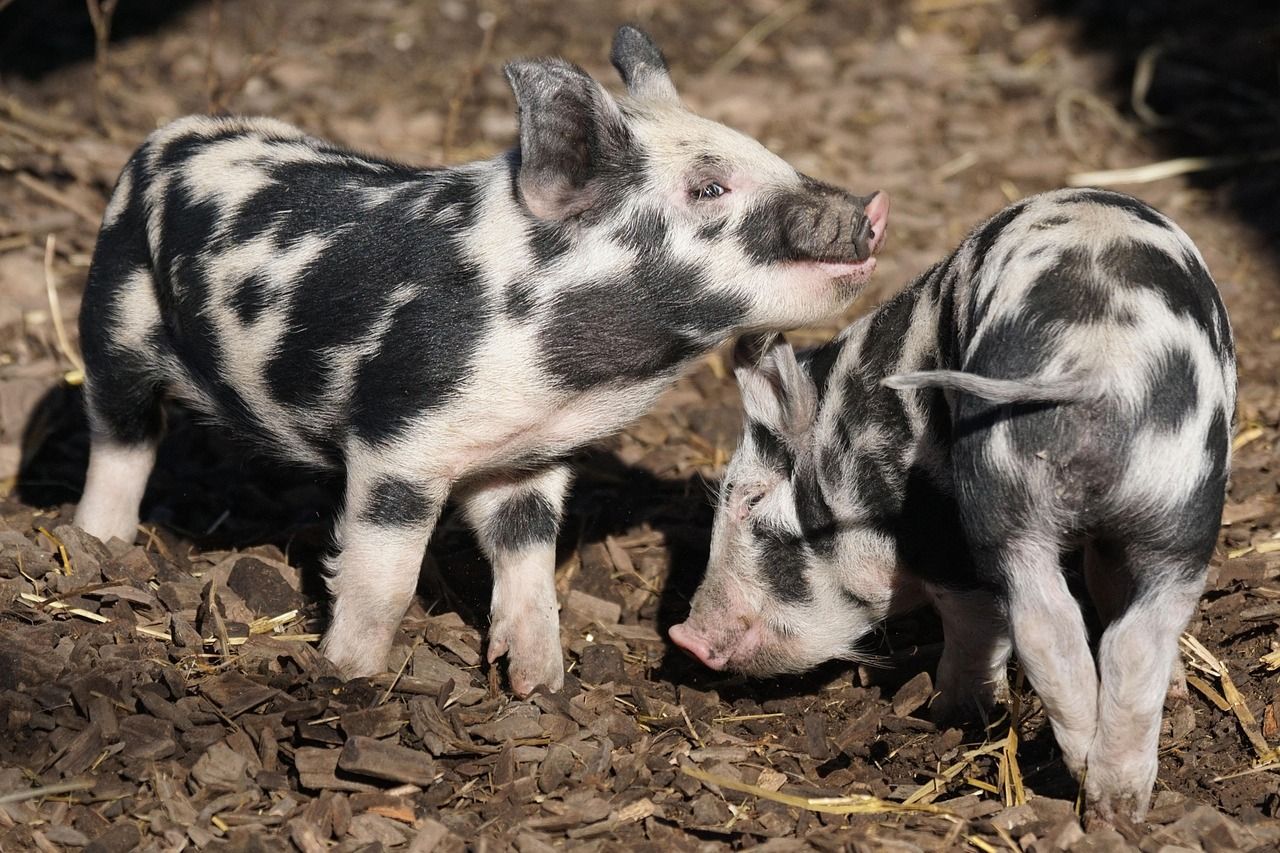
The UK is home to a rich variety of traditional pig breeds, many of which are well suited to small-scale farming. The Gloucestershire Old Spot, known as the ‘orchard pig’, thrives on pasture and is renowned for its docile temperament and marbled meat. The Tamworth, often called the ‘ginger pig’, is hardy, good foragers, and particularly suited to outdoor rearing. Meanwhile, the Large Black and British Saddleback are excellent choices for smallholders thanks to their placid nature and excellent mothering instincts. When choosing, consider both your land and your long-term goals—whether that’s producing pork for the freezer, breeding, or even selling at the farm gate.

Housing and Land Requirements
Pigs need sturdy housing that provides shelter from the elements. In the UK climate, an ark or pig hut with good ventilation, insulation, and plenty of dry straw is ideal. Each pig requires at least 20–30 square metres of outdoor space, though more is always better. Pigs are natural rooters; they will quickly turn over ground, which can be both a benefit and a challenge. Many smallholders use pigs to clear bramble patches or prepare ground for reseeding. However, rotational grazing is essential to avoid over-poaching and to give land time to recover.
Feeding and Welfare
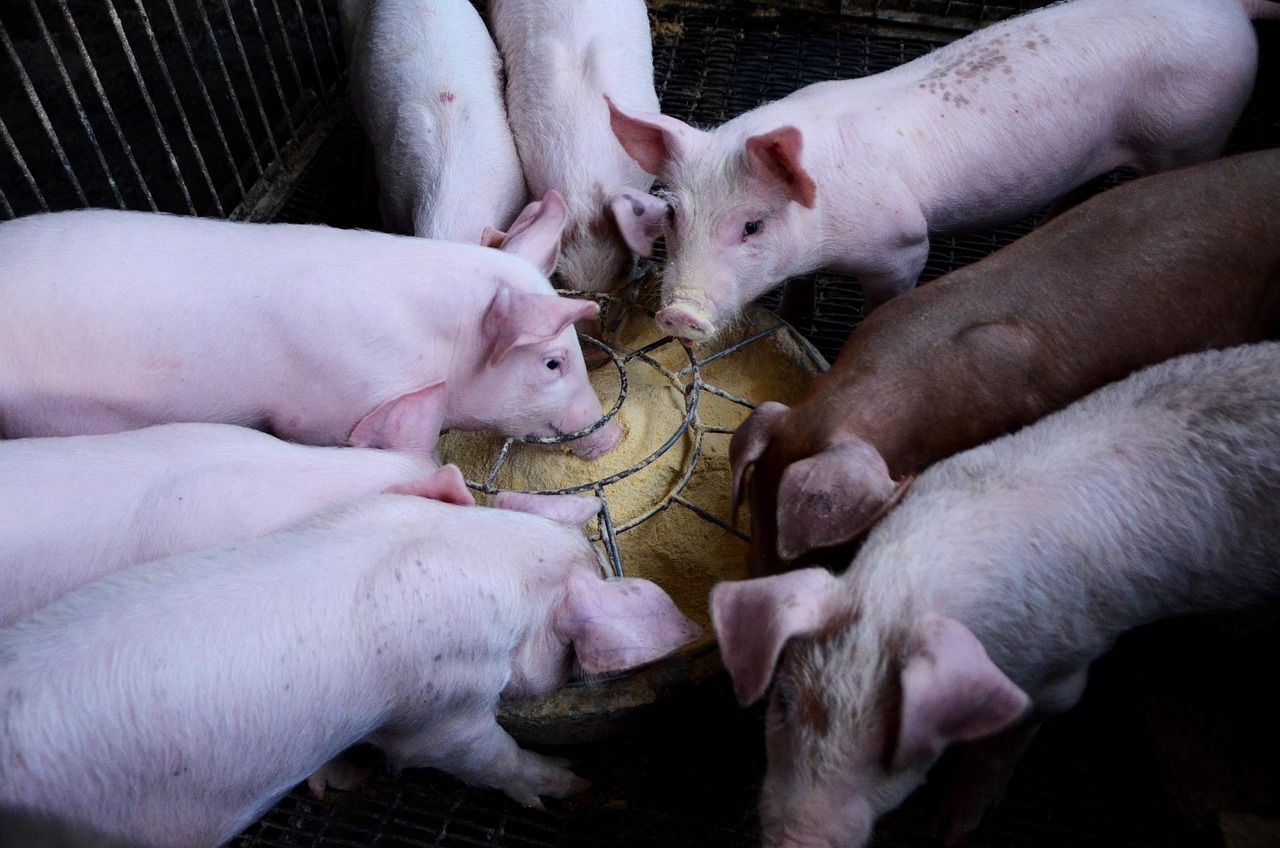
While pigs are excellent at foraging, they require a balanced diet. Legally, it is forbidden to feed pigs kitchen scraps, but smallholders can supplement their diet with vegetables, cereals, and specially formulated pig nuts. Fresh water must be available at all times, and troughs should be designed to prevent tipping. Pigs are highly intelligent animals that need stimulation—giving them logs, straw to root through, or even chains to chew on helps prevent boredom. Good welfare is not just a legal obligation but also ensures the best quality pork.
Health and Veterinary Care
Regular health checks are vital. Worming, vaccinations (where necessary), and hoof trimming should all form part of a routine. A good relationship with a local farm vet is invaluable—particularly for smallholders new to pig keeping. Signs of ill health, such as loss of appetite, coughing, or lameness, should never be ignored. The law requires prompt reporting of any suspicion of notifiable diseases.
Costs and Considerations
Keeping pigs is not a route to quick profit on a small scale. Feed costs are significant, and fencing must be strong—pigs are powerful and determined escape artists. A well-constructed electric fence is often the best deterrent. Processing costs at an abattoir also need to be factored in. However, the return is in the quality of meat—flavoursome pork that is far superior to most supermarket offerings—and the satisfaction of knowing how the animal was raised. For many, the enjoyment of working with pigs and the role they play in the wider smallholding system outweighs the financial costs.
The Rewards of Pig Keeping
Despite the responsibilities, keeping pigs is immensely rewarding. They bring personality and life to a holding, turning scraps of land into productive ground and providing a connection to traditional farming practices. Whether you keep two pigs for home use or expand to a small breeding herd, pigs embody the spirit of the smallholding—self-sufficiency, respect for animals, and working in rhythm with the land.
Read more: