Guardians of the Coast
Britain’s Lighthouses

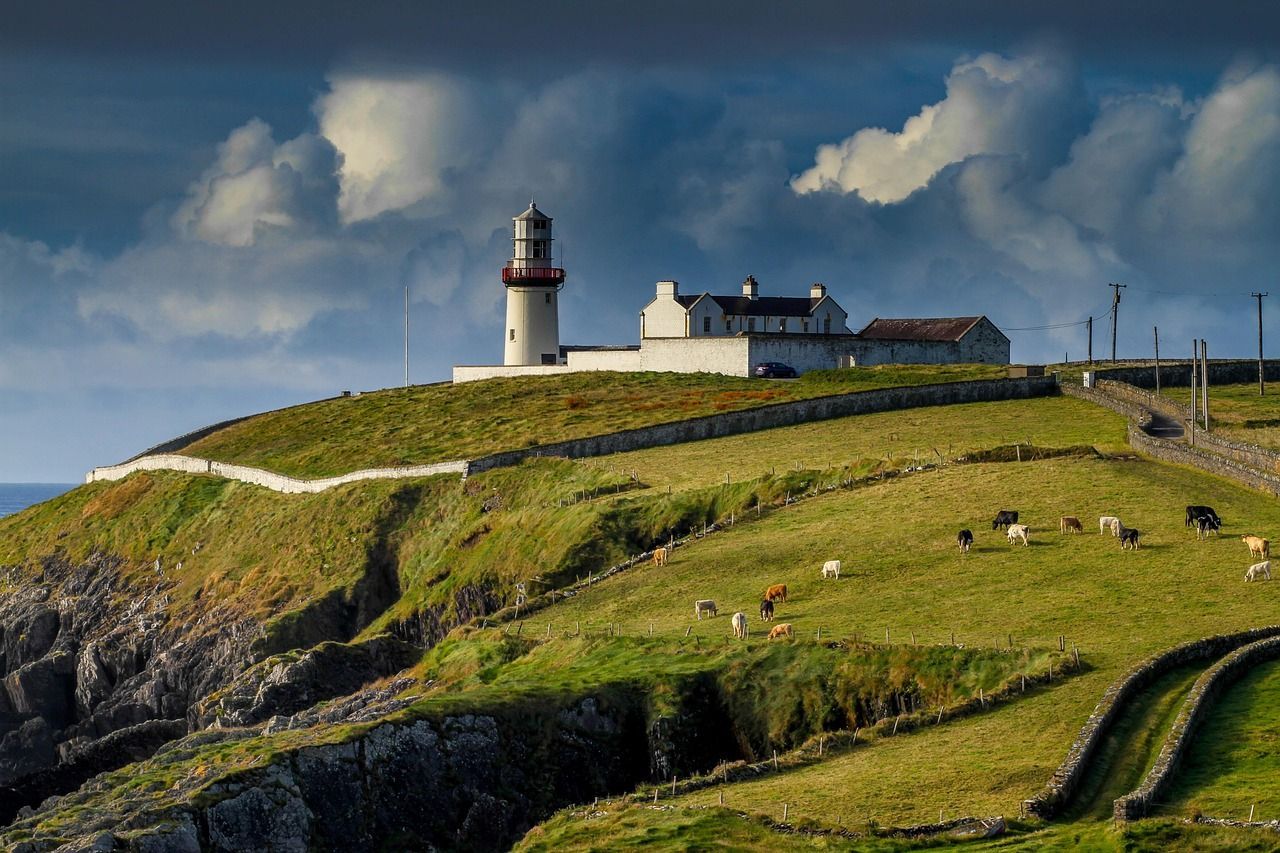
Standing tall against the windswept seas, battered by gales and glowing with their steady beams, lighthouses are among Britain’s most iconic coastal guardians. They are part of the landscape and part of our imagination too — symbols of safety, adventure, and endurance. From the granite outcrops of Cornwall to the rugged cliffs of Scotland, these towers have guided sailors for centuries, their beams cutting through storm and darkness to lead ships safely home.
Britain’s relationship with the lighthouse stretches back nearly two thousand years. The Romans built one of the earliest known examples at Dover, where a crumbling stone structure still survives on the headland above the harbour. But the true era of lighthouse building came much later, in the 17th and 18th centuries, when trade and naval power demanded safer passage around Britain’s dangerous coastline. Jagged rocks, shifting sands, and powerful tides made the seas treacherous. For centuries, wrecks were common. A bright, dependable beacon could mean the difference between life and death.
Among the most famous of all is the Eddystone Lighthouse, perched on a lonely reef nine miles off Plymouth. Its history is one of engineering bravery: the first tower, built in 1698, was swept away by a storm; the second burned down; the third — John Smeaton’s pioneering stone tower of 1759 — set the standard for lighthouses worldwide. Today, the current Eddystone still stands defiant against the Atlantic swell, a direct descendant of those early experiments in strength and endurance.
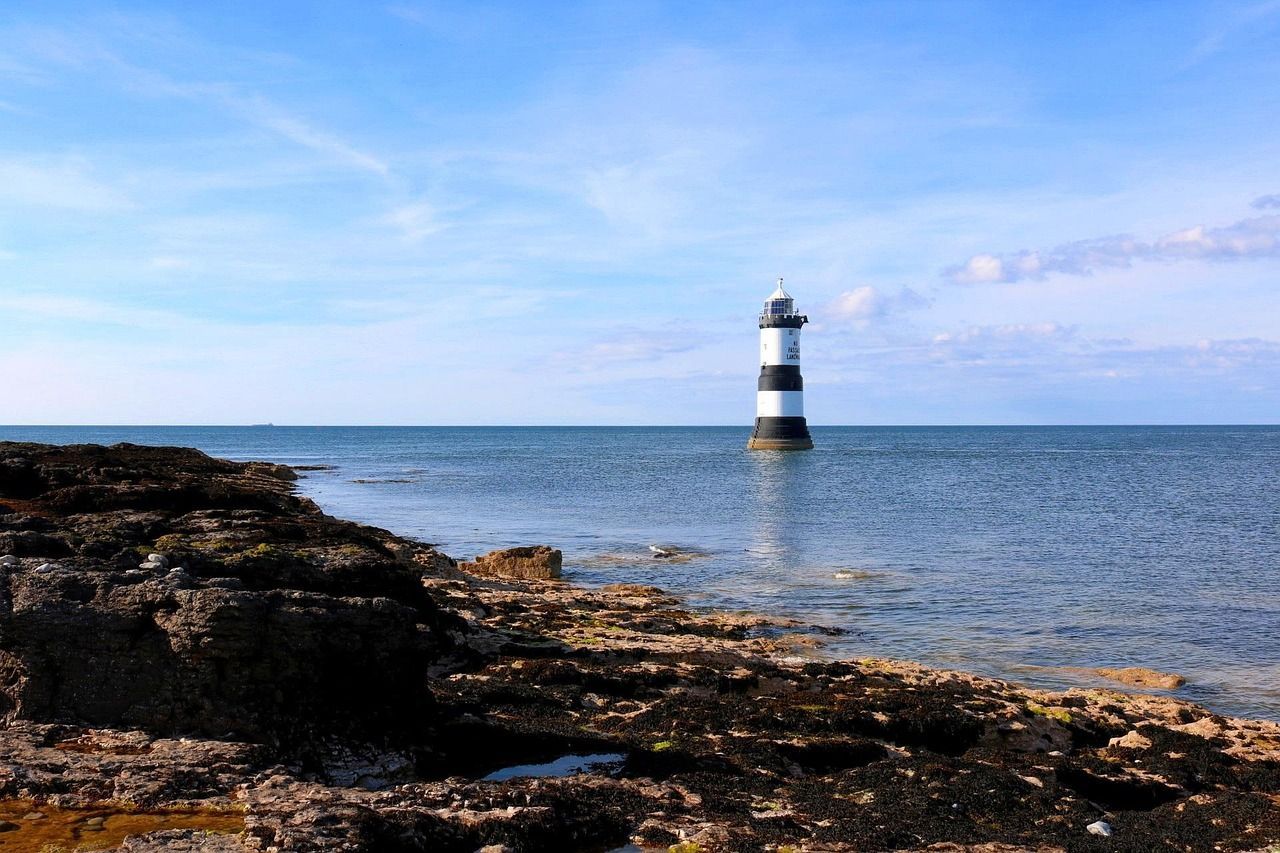

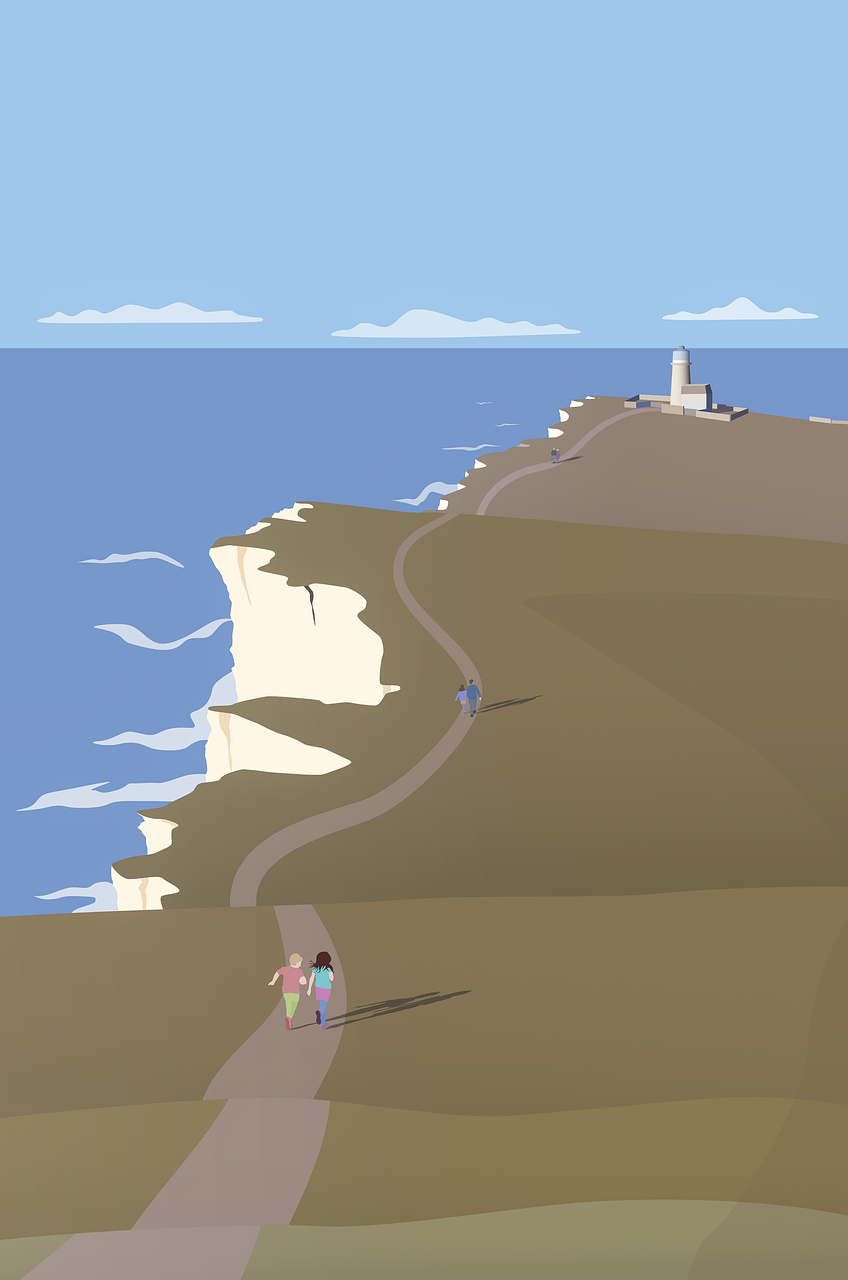
Around the UK, each lighthouse tells its own story. In Northumberland, the graceful Longstone Lighthouse on the Farne Islands is forever linked with Grace Darling, who in 1838 rowed with her father through heavy seas to rescue survivors of the wrecked steamship Forfarshire. Her bravery captured Victorian hearts and turned the lighthouse into a symbol of selfless courage. On the south coast, the candy-striped Beachy Head Lighthouse stands proudly at the foot of towering chalk cliffs, one of the most photographed beacons in the country. In Scotland, towers like the Bell Rock and Skerryvore are monuments to the Stevenson family of engineers, whose designs were so robust that many still stand centuries later.
Yet while their purpose has not changed — to guide sailors to safety — the way lighthouses are run has. For hundreds of years, lighthouse keepers lived and worked in near-isolation, tending lamps, trimming wicks, polishing lenses, and keeping watch through storm and calm alike. It was a life of duty, discipline, and endurance, often with little contact from the outside world. Today, however, Britain’s lighthouses are automated, overseen by Trinity House in England and Wales, the Northern Lighthouse Board in Scotland, and the Commissioners of Irish Lights. The last manned station, North Foreland in Kent, was decommissioned in 1998.
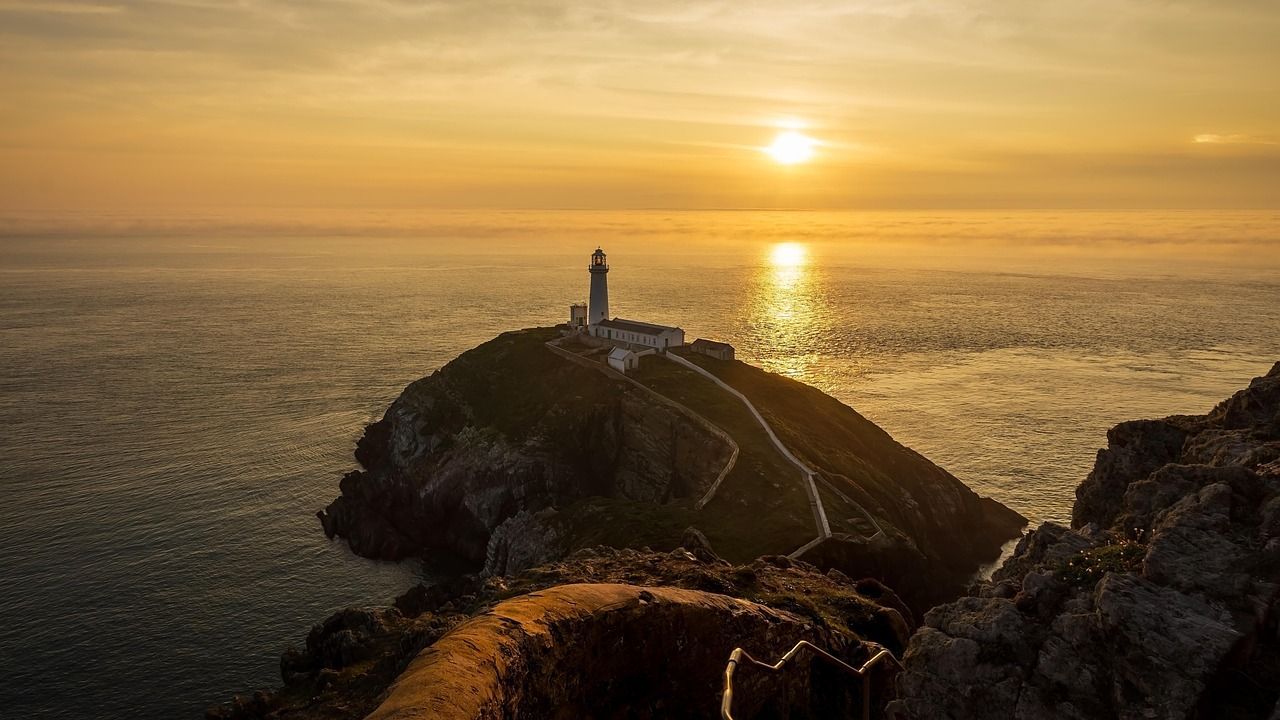
Despite automation, lighthouses still capture the imagination. Their tall silhouettes are often perched in dramatic settings — lonely headlands, offshore rocks, wild islands — where sea and sky meet in restless harmony. Many are now open to the public, offering a chance to climb their spiral staircases and glimpse the sweeping views that keepers once knew so well. At St Mary’s Lighthouse near Whitley Bay, families can explore the tidal island and climb the lantern tower.
At Portland Bill in Dorset, visitors can step inside and learn about centuries of navigation. In Scotland, some lighthouses such as Rua Reidh and the Mull of Galloway have even been turned into guesthouses, offering adventurous travellers the chance to sleep where keepers once stood watch.
Lighthouses also speak to something deeper — a reminder of human ingenuity, and the enduring need to find our way in the dark. They stand as metaphors as much as monuments: beacons of hope, symbols of guidance, and companions for anyone braving stormy seas. For coastal communities, they remain landmarks of pride, deeply woven into local history and heritage.
Today, satellite navigation and radar may steer most modern vessels, but lighthouses have not lost their relevance. Their lights continue to flash out to sea, reassuring any sailor who looks up from the waves. And on land, they have become treasured places for visitors — somewhere to marvel at history, embrace wild landscapes, and feel that quiet connection to those who once lived and worked under the sweep of the lantern.
As Christmas draws near, with its traditions of light against the winter dark, Britain’s lighthouses stand as year-round reminders of resilience, safety, and hope. They are more than towers of stone and steel. They are storytellers, still shining after centuries, keeping watch over the restless seas.
Read more: